Table of Contents
Milky Way is a powerful Indica-dominant cannabis strain known for its deeply relaxing effects, unique flavor profile, and potential therapeutic benefits. This strain is recognized for its high THC content and is often sought after by both recreational and medical cannabis users. This detailed guide explores the genetic lineage, appearance, aroma, flavor, cannabinoid composition, medical uses, recreational effects, growing conditions, and potential side effects of the Milky Way cannabis strain.
1. Genetic Background
Milky Way is an Indica-dominant hybrid, typically consisting of about 80% Indica and 20% Sativa genetics. Its origins can be traced back to a combination of Afghani and Northern Lights genetics, two legendary strains known for their sedative and euphoric effects. This strain inherits the robust growth patterns and potency of its parent strains, making it a highly desirable option among cannabis connoisseurs.
The strain’s genetic composition contributes to its ability to induce deep relaxation and couch-lock effects, making it a great option for evening use. Milky Way is known for its high THC content, often ranging between 18% and 24%, with low CBD levels. This balance makes it an effective strain for therapeutic and recreational purposes alike.
2. Appearance, Aroma, and Flavor Profile
Appearance
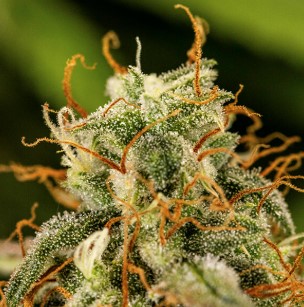
Milky Way cannabis plants exhibit typical Indica characteristics, with a short and bushy stature, thick stems, and dark green foliage. The buds are dense and compact, often coated in a generous layer of trichomes that give them a frosty appearance. The strain’s flowers may also develop purple hues, especially when exposed to cooler temperatures during cultivation.
Aroma
Milky Way has a complex aroma that combines earthy, sweet, and spicy notes. The primary scent is a rich blend of vanilla, caramel, and herbal undertones, accompanied by hints of pine and spice. When the buds are broken apart, the strain emits a pungent, musky fragrance reminiscent of its Afghani heritage.
Flavor
The flavor profile of Milky Way mirrors its aroma, offering a sweet and smooth smoking experience. The dominant flavors include creamy vanilla and caramel, followed by subtle earthy and spicy undertones. The aftertaste lingers on the palate, making it a pleasant strain for users who appreciate flavorful cannabis varieties.

3. THC and CBD Content
Milky Way is primarily known for its high THC content, which generally falls between 18% and 24%. The high concentration of THC contributes to the strain’s potent psychoactive effects.
In contrast, Milky Way contains relatively low levels of CBD, typically less than 1%. Despite the low CBD content, the strain’s high THC levels make it effective for therapeutic use, particularly for conditions that require strong sedative effects.
4. Medical Uses of Milky Way Cannabis Strain
Milky Way is a potent Indica-dominant cannabis strain with high THC levels (18-24%) and low CBD (<1%). Due to its cannabinoid and terpene profile, it has a wide range of therapeutic applications, including pain management, sleep disorders, neurological conditions, mental health disorders, and gastrointestinal issues. Below is an in-depth scientific analysis of its medical effects, backed by research on cannabinoids and terpenes.

Pain Management (Analgesic & Anti-inflammatory Effects)
Milky Way is highly effective for chronic and acute pain conditions due to its high THC content and the presence of key terpenes (myrcene, caryophyllene, limonene).
A. Mechanism of Pain Relief
- THC (Tetrahydrocannabinol) interacts with CB1 and CB2 receptors in the endocannabinoid system (ECS):
- CB1 activation in the central nervous system (CNS) modulates pain perception.
- CB2 activation in peripheral tissues reduces inflammation.
- Beta-caryophyllene (BCP) functions as a selective CB2 agonist, providing additional anti-inflammatory effects.
- Myrcene enhances THC’s pain-relieving properties by increasing blood-brain barrier permeability, allowing cannabinoids to act faster.
B. Conditions Treated
- Neuropathic pain, including conditions like multiple sclerosis, diabetic neuropathy, and sciatica.
- Inflammatory pain from arthritis, fibromyalgia, and autoimmune conditions.
- Post-surgical pain relief and reduced opioid dependency.
- Cancer pain management, particularly for chemotherapy-related pain.
Scientific studies, such as a 2019 study published in Frontiers in Pharmacology, confirm that THC-rich strains significantly reduce chronic pain symptoms in patients with neuropathic and inflammatory pain conditions.
Sleep Disorders & Insomnia
Milky Way is highly sedative, making it an effective natural sleep aid.
A. Mechanism of Sleep Induction
- THC activates CB1 receptors in the hypothalamus, suppressing arousal signals and promoting sleep.
- Myrcene exhibits muscle-relaxant and sedative effects, contributing to faster sleep onset.
- Linalool enhances relaxation by interacting with GABA receptors, similar to benzodiazepines.
B. Conditions Treated
- Chronic insomnia, improving sleep latency and increasing deep sleep phases (slow-wave sleep).
- Sleep apnea, reducing sleep interruptions by stabilizing respiratory rhythms.
- Restless leg syndrome, acting as a muscle relaxant and decreasing involuntary movements.
A 2017 study in Current Psychiatry Reports found that cannabis strains with high THC improve sleep quality by reducing REM sleep disturbances, which is beneficial for PTSD patients.
Anxiety, Depression, and PTSD
Milky Way provides anxiolytic and antidepressant effects, primarily through THC’s interaction with CB1 receptors and terpene-mediated serotonin modulation.
A. Mechanism of Anxiety & Stress Reduction
- THC in low doses enhances dopamine and serotonin levels, improving mood and reducing stress.
- Limonene and linalool modulate cortisol levels, reducing stress-induced anxiety.
- Beta-caryophyllene (BCP) provides anti-anxiety effects via CB2 receptor activation.
B. Conditions Treated
- Generalized anxiety disorder (GAD), reducing excessive worry and nervousness.
- Post-traumatic stress disorder (PTSD), decreasing flashbacks, hypervigilance, and sleep disturbances.
- Depression, increasing serotonin levels and promoting a sense of well-being.
A 2020 study in Journal of Affective Disorders reported that Indica-dominant cannabis strains significantly reduce anxiety and depression symptoms, particularly in PTSD patients.
Neurological Disorders (Epilepsy, Multiple Sclerosis, Parkinson’s Disease)
Milky Way shows neuroprotective and anticonvulsant properties, primarily due to THC’s effect on neuroinflammation and synaptic plasticity.
A. Mechanism of Neuroprotection
- THC reduces glutamate excitotoxicity, preventing neuronal damage.
- CB1 receptor activation modulates neurotransmitter balance, preventing seizures.
- Beta-caryophyllene (BCP) exerts anti-inflammatory effects, protecting neurons from damage.
B. Conditions Treated
- Epilepsy, reducing seizure frequency and intensity.
- Multiple sclerosis, alleviating muscle spasticity and tremors.
- Parkinson’s disease, reducing motor impairment and rigidity.
- Alzheimer’s disease, potentially slowing neurodegeneration by reducing beta-amyloid plaques.
A 2018 study in Neurotherapeutics found that THC-rich strains reduce seizure activity and muscle spasticity in multiple sclerosis and epilepsy patients.
Gastrointestinal Disorders & Appetite Stimulation
Milky Way is an effective appetite stimulant and anti-nausea agent, making it beneficial for gastrointestinal conditions.
A. Mechanism of Action
- THC binds to CB1 receptors in the gut, reducing nausea and increasing appetite.
- Limonene and myrcene act as gastrointestinal anti-inflammatories, reducing cramping and bloating.
- CB2 receptor activation reduces gut inflammation, helping with IBS and Crohn’s disease.
B. Conditions Treated
- Irritable bowel syndrome (IBS), relieving cramping and discomfort.
- Crohn’s disease and ulcerative colitis, reducing inflammation and improving digestion.
- Chemotherapy-induced nausea and vomiting, reducing nausea and improving appetite.
- Cachexia (severe weight loss), stimulating appetite in HIV/AIDS and cancer patients.
A 2021 study in Cannabis and Cannabinoid Research showed that THC-rich strains significantly reduce nausea and improve appetite in cancer patients undergoing chemotherapy.
Muscle Spasms & Chronic Fatigue Syndrome (CFS)
Milky Way’s muscle-relaxing and sedative properties make it effective for muscle-related conditions and chronic fatigue.
A. Mechanism of Action
- CB1 receptor activation reduces excessive muscle contraction.
- Beta-caryophyllene (BCP) decreases neuroinflammation, alleviating muscle rigidity.
- Myrcene and linalool contribute to deep muscle relaxation and fatigue recovery.
B. Conditions Treated
- Multiple sclerosis, reducing muscle spasms and stiffness.
- Chronic fatigue syndrome (CFS), helping with energy restoration and relaxation.
- Fibromyalgia, reducing widespread pain and muscle tenderness.
- Post-workout recovery, enhancing muscle relaxation and pain relief.
A 2019 study in Pain Medicine found that Indica-dominant strains significantly reduce muscle spasms and pain in multiple sclerosis and fibromyalgia patients.
5. Recreational Uses of Milky Way Cannabis Strain
Milky Way is equally popular among recreational users for its deeply relaxing and enjoyable effects. Below are some of the primary recreational benefits:
Deep Relaxation and Stress Relief
Recreational users often seek Milky Way for its ability to promote deep relaxation. It is an ideal strain for unwinding after a long day, as it alleviates stress and tension while leaving users in a calm, peaceful state.
Euphoria and Happiness
Milky Way delivers a euphoric high that enhances mood and promotes feelings of happiness and contentment. This makes it an excellent choice for social gatherings or solo relaxation sessions.
Body High and Couch-Lock
Due to its Indica dominance, Milky Way produces a powerful body high, often leading to couch-lock effects. This makes it a perfect strain for low-energy activities such as watching movies, listening to music, or meditating.
Evening and Nighttime Use
Milky Way is best suited for nighttime use due to its heavily sedative effects. It is not recommended for daytime consumption, as it can lead to drowsiness and lethargy.
6. Growing Milky Way Cannabis Strain
Cultivating the Milky Way cannabis strain requires an in-depth understanding of plant physiology, environmental control, nutrient requirements, and optimized training techniques. Given its Indica-dominant nature, Milky Way thrives in controlled environments where temperature, humidity, lighting, and soil composition can be fine-tuned for maximum yield and potency. Below is a scientific breakdown of its optimal cultivation methods.
Genetic Influence on Cultivation
Milky Way is a hybrid strain with 80% Indica and 20% Sativa genetics, inherited from Afghani and Northern Lights strains. Due to its Indica dominance, the plant:
- Grows short and bushy with broad leaves (adapted for lower light exposure).
- Has a shorter flowering period (typically 8–10 weeks).
- Produces dense, resin-coated buds (high trichome production for THC concentration).
- Prefers a warmer, drier climate similar to its Afghani heritage.
These genetic factors necessitate specific cultivation techniques that maximize its yield, cannabinoid profile, and resistance to environmental stressors.
Ideal Growing Conditions
A. Temperature & Humidity Control
- Vegetative Stage:
- Temperature: 22–26°C (72–79°F)
- Humidity: 50–70%
- Rationale: Higher humidity levels promote leaf transpiration and photosynthesis.
- Flowering Stage:
- Temperature: 20–24°C (68–75°F)
- Humidity: 40–50%
- Rationale: Lower humidity prevents bud rot and mold formation.
- Late Flowering (Ripening Phase):
- Temperature: 18–22°C (64–72°F)
- Humidity: 30–40%
- Rationale: This mimics autumnal conditions, enhancing resin production and terpene preservation.
B. Lighting Requirements
- Indoor Cultivation:
- Vegetative Stage: 18/6 light cycle (18 hours light / 6 hours dark)
- Flowering Stage: 12/12 light cycle (12 hours light / 12 hours dark)
- Best Light Source:
- Full-spectrum LED grow lights (450–700 nm wavelength range)
- High-Pressure Sodium (HPS) lights (during flowering for bud development)
- Optimal Light Intensity: 600–900 µmol/m²/s (PPFD)
- Outdoor Cultivation:
- Best suited for Mediterranean climates with full sunlight exposure.
- Avoid excessive rainfall or humidity, as it increases the risk of bud rot.
Soil, Nutrients, and Hydroponic Cultivation
A. Soil Requirements
- Preferred Soil Type: Loamy soil with good aeration and drainage.
- pH Level: 6.0–6.5 (slightly acidic) for optimal nutrient uptake.
- Soil Composition:
- 40% Organic Matter (compost, worm castings)
- 30% Perlite or Coco Coir (for aeration)
- 30% Clay or Sand (to maintain structure and drainage)
B. Nutrient Requirements
Milky Way requires different macronutrient and micronutrient levels at different growth phases:
Vegetative Stage (Weeks 1–4)
- Nitrogen (N): High (2:1:2 NPK ratio)
- Phosphorus (P): Moderate
- Potassium (K): High
- Calcium (Ca) & Magnesium (Mg): Essential for cell wall formation and chlorophyll synthesis.
Flowering Stage (Weeks 5–10)
- Nitrogen (N): Low
- Phosphorus (P): High (1:3:2 NPK ratio)
- Potassium (K): High (enhances terpene and trichome production)
- Sulfur (S): Enhances flavor and aroma terpenes.
- Micronutrients: Zinc (Zn), Iron (Fe), Manganese (Mn) needed in small amounts.
C. Hydroponic vs. Soil Cultivation
- Hydroponics (NFT, Deep Water Culture (DWC), or Ebb & Flow Systems):
- Increases growth speed by 20–30%.
- Requires EC (Electrical Conductivity) monitoring to prevent nutrient imbalances.
- Optimal EC levels: 1.2–1.8 mS/cm.
- Soil Cultivation:
- Provides a more complex terpene profile due to microbial activity.
- More forgiving for beginner growers.
Training & Pruning Techniques
Milky Way responds well to training techniques that optimize canopy structure, bud development, and airflow. The most successful techniques are listed below:
A. Low-Stress Training (LST)
- Goal: Improve light penetration and bud distribution.
- Method: Gently bending stems outward and securing them with ties.
B. High-Stress Training (Topping & FIMing)
- Topping: Cutting the main cola to encourage lateral growth.
- FIMing: Cutting 75% of the new growth to create multiple bud sites.
C. Screen of Green (ScrOG)
- A horizontal net is placed above plants, guiding their growth to maximize light exposure and yield.
- Reduces moisture buildup, preventing mold formation.
D. Defoliation
- Removing excess fan leaves improves airflow and redirects energy to bud development.
Flowering, Harvesting & Curing
A. Flowering Period
- Duration: 8–10 weeks (56–70 days)
- Optimal Harvest Window: When trichomes turn from clear → milky white → 10–20% amber.
B. Harvesting Criteria
- Pistils: 75–90% of pistils change from white to orange/brown.
- Trichomes: 80–90% should appear milky for maximum THC.
C. Drying & Curing Process
- Drying Stage (7–14 Days)
- In a dimly lit space, hang blooms upside down using:
- Goal: Slow drying preserves terpenes.
- Curing Stage (2–4 Weeks)
- Store dried buds in glass jars at:
- Temperature: 16–20°C (60–68°F)
- Humidity: 58–62%
- Burp jars (open for air exchange) once daily for the first 7 days to remove excess moisture.
- Store dried buds in glass jars at:
Pest & Disease Management
Common threats include:
- Spider mites, thrips, and aphids (controlled with neem oil or beneficial insects like ladybugs).
- Powdery mildew & botrytis mold (prevented by reducing humidity and increasing airflow).
- Root rot (common in overwatered hydroponic systems).
Biological Controls:
- Companion planting (e.g., basil, marigold) repels pests.
- Trichoderma fungi in soil improves root immunity.
Yield Expectations
- Indoor Yield: 400–500g/m²
- Outdoor Yield: 600–800g per plant
- Factors Affecting Yield:
- Light intensity & spectrum
- CO₂ supplementation (optimal range: 800–1200 ppm)
- Proper nutrient balance
7. Side Effects of Milky Way Cannabis Strain
Like most potent cannabis strains, Milky Way may cause some mild side effects, including:
- Dry Mouth: Common among cannabis users; staying hydrated can help.
- Dry Eyes: Using lubricating eye drops can alleviate discomfort.
- Dizziness: Higher doses may cause lightheadedness in some users.
- Paranoia or Anxiety: In rare cases, excessive consumption may lead to increased anxiety, especially in individuals sensitive to THC.
8. Conclusion
Milky Way is a potent Indica-dominant cannabis strain known for its deeply relaxing effects, strong analgesic properties, and flavorful experience. With its high THC content, it is highly effective for pain relief, insomnia, and stress reduction. Recreational users enjoy its euphoric and sedative qualities, making it an excellent strain for evening and nighttime use. Whether consumed for medical relief or relaxation, Milky Way remains a highly regarded strain in the cannabis community.
For a complete directory of cultivars, visit our Cannabis Strain Reviews.
