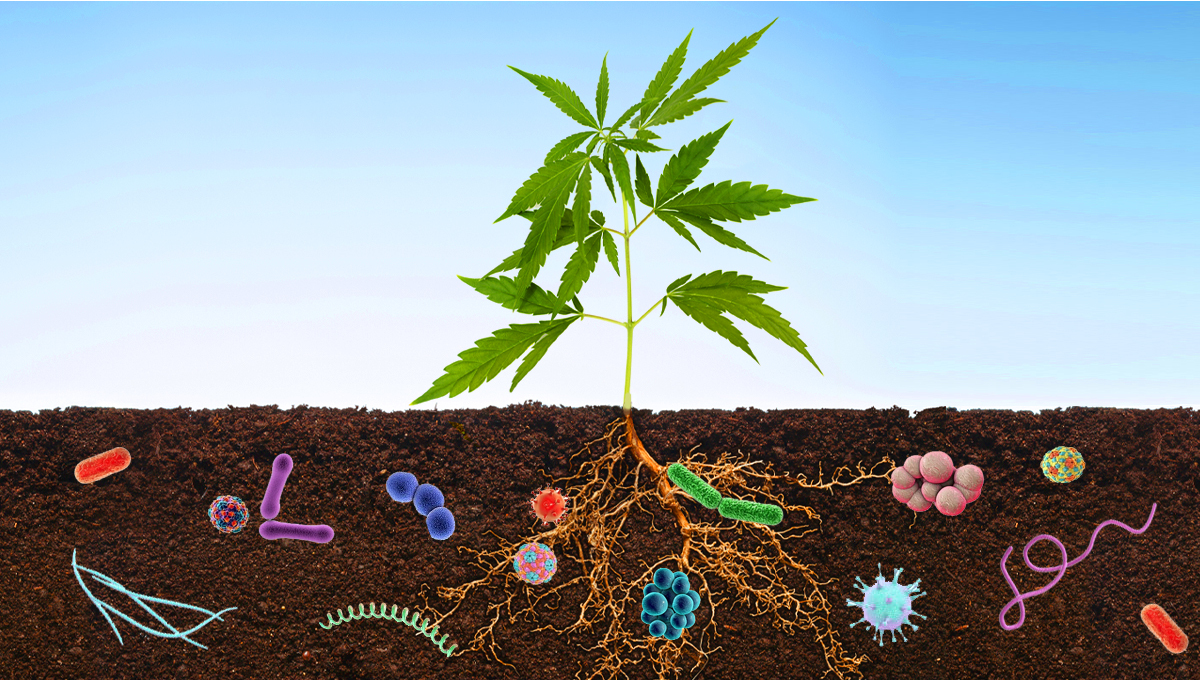
The Role of Microorganisms in Medical Cannabis Soil Health
The role of microorganisms in soil health is critical in promoting sustainable and efficient cultivation practices. In the context of medical cannabis, where the primary concern is to cultivate plants with optimal therapeutic properties, ensuring soil health through microbial activity becomes even more significant. This long-form exploration will delve into how microorganisms contribute to soil health, enhance the growth of medical cannabis, and influence the plant’s medicinal efficacy.
Introduction
Medical cannabis cultivation is highly specialized, requiring optimal growing conditions to ensure that the cannabinoids, terpenes, and other bioactive compounds are of the highest quality. For decades, cultivators have sought to improve their practices to meet the medical demand for cannabis with specific therapeutic properties. One of the most crucial aspects of this cultivation is soil health, which directly impacts plant growth, yield, and the quality of medicinal compounds.
Microorganisms are essential for maintaining and improving soil health. From nitrogen-fixing bacteria to mycorrhizal fungi, these tiny organisms perform a wide range of essential functions that benefit the medical cannabis plant. This paper will explore how microorganisms contribute to the soil ecosystem, enhance the growth of medical cannabis, and affect its medicinal properties by improving the soil’s health and nutrient cycling.
Importance of Soil Health in Medical Cannabis Cultivation
Nutrient Availability
Healthy soil is essential for providing the nutrients that medical cannabis plants need to thrive. Nutrient deficiencies can result in stunted growth, lower yields, and a decrease in the plant’s ability to produce its medicinal compounds, including cannabinoids like cannabidiol (CBD) and tetrahydrocannabinol (THC). Soil health is maintained through a balanced ecosystem of microorganisms that ensure nutrients are readily available for plant uptake.
Medical cannabis plants require specific nutrients, such as nitrogen (N), phosphorus (P), potassium (K), magnesium (Mg), calcium (Ca), and trace minerals. Microorganisms contribute to nutrient cycling by breaking down organic matter, fixing nitrogen, solubilizing phosphorus, and mineralizing other essential nutrients. Without microorganisms, the bioavailability of these nutrients would be greatly reduced, leading to poor plant health and suboptimal therapeutic outcomes.
Microbial Interaction with Cannabis Roots

The rhizosphere, the soil around plant roots, is a dynamic zone where plant-microbe interactions take place. Microorganisms in the rhizosphere form a symbiotic connection with plant roots, exchanging nutrients and assisting in the breakdown of organic matter. This relationship is crucial in medical cannabis cultivation since it directly affects the plant’s ability to absorb nutrients and water, resulting in better growth and higher concentrations of medicinal chemicals.
Symbiotic connections exist between microorganisms such as mycorrhizal fungus and the roots of medical cannabis plants. The fungus colonize the plant’s roots by extending their mycelium into the soil, increasing the surface area available for nutrition and water absorption. In exchange, the plant feeds the fungal carbohydrates. This interaction is especially important for phosphorus uptake, as mycorrhizal fungi are more efficient at absorbing phosphorus from the soil than plant roots alone.
Enhancing Soil Structure and Water Retention
Soil structure is a critical factor in medical cannabis cultivation, as it affects root development, nutrient uptake, and water retention. A well-structured soil allows for proper root penetration, aeration, and moisture balance, all of which are necessary for optimal plant growth. Microorganisms play a key role in maintaining soil structure by producing compounds that bind soil particles together, forming stable aggregates.
For example, bacteria in the soil produce extracellular polymeric substances (EPS), which help bind soil particles into aggregates. Fungal hyphae also contribute to soil aggregation by physically binding soil particles and creating channels for air and water to flow. These microbial activities result in a more porous soil structure, which improves water infiltration and retention. This is particularly beneficial in medical cannabis cultivation, as consistent moisture levels are crucial for the plant’s metabolic processes and the production of medicinal compounds.
The Role of Microorganisms in Nutrient Cycling for Medical Cannabis
Nitrogen Fixation
Nitrogen is one of the most important nutrients for plant growth, as it is a key component of amino acids, proteins, and nucleic acids. In medical cannabis cultivation, nitrogen is essential for vegetative growth and the development of leaves, stems, and flowers. However, most of the nitrogen in the soil is in an inert form (N2) that plants cannot directly utilize. Nitrogen-fixing microorganisms, such as bacteria from the genera Rhizobium and Azotobacter, convert atmospheric nitrogen into ammonia (NH3), which can then be taken up by plants.
In medical cannabis cultivation, nitrogen fixation is particularly important during the vegetative growth phase, when the plant requires high levels of nitrogen to support rapid growth. Nitrogen-fixing bacteria colonize the root zone of the cannabis plant and convert atmospheric nitrogen into a bioavailable form, reducing the need for synthetic fertilizers. This not only improves plant health, but also helps to ensure the sustainability of medical cannabis farming by reducing the environmental impact of chemical inputs.
Phosphorus Solubilization
Phosphorus is another vital ingredient that is necessary for energy transfer, photosynthesis, and DNA and RNA production. However, much of the phosphorus in soil exists in insoluble forms that plants cannot readily absorb. Phosphate-solubilizing microorganisms, including bacteria and fungi, help to solubilize phosphorus by releasing organic acids that convert insoluble phosphate into a soluble form that plants can absorb.
In medical cannabis cultivation, phosphorus is particularly important during the flowering stage, as it supports the development of flowers and enhances the production of cannabinoids and terpenes. Phosphate-solubilizing microorganisms improve the bioavailability of phosphorus, ensuring that the plant has access to this critical nutrient during key stages of growth. By enhancing phosphorus uptake, these microorganisms contribute to the overall health of the plant and the potency of its medicinal compounds.
Potassium Mineralization
Potassium is another critical nutrient for medical cannabis cultivation, as it regulates water balance, enzyme activity, and the synthesis of proteins and carbohydrates. Potassium also plays a key role in the plant’s stress response, helping it to withstand drought, disease, and other environmental stresses. However, like phosphorus, much of the potassium in the soil is locked in mineral forms that plants cannot readily absorb.
Potassium-solubilizing microorganisms, such as certain species of bacteria and fungi, release enzymes that break down mineral potassium into a form that plants can absorb. In medical cannabis cultivation, potassium is especially important during the flowering stage, as it enhances the quality and yield of flowers, which contain the plant’s medicinal compounds. By improving potassium bioavailability, these microorganisms support the plant’s ability to produce high-quality medicinal flowers with optimal concentrations of cannabinoids and terpenes.
Other Nutrient Cycling Processes
In addition to nitrogen, phosphorus, and potassium, microbes cycle sulfur, magnesium, calcium, and micronutrients such as iron, zinc, and manganese. Sulfur is required for the production of amino acids and proteins, whereas magnesium is a vital component of chlorophyll and required for photosynthesis. Calcium is essential for cell wall integrity and root development, while micronutrients are involved in a variety of enzymatic processes.
Microorganisms help to mineralize these nutrients, converting them from organic or mineral forms into bioavailable forms that plants can absorb. By ensuring a steady supply of these nutrients, microorganisms contribute to the overall health of medical cannabis plants and support their ability to produce high-quality medicinal compounds.
Beneficial Microbial Communities in Medical Cannabis Soil Health
Mycorrhizal Fungi
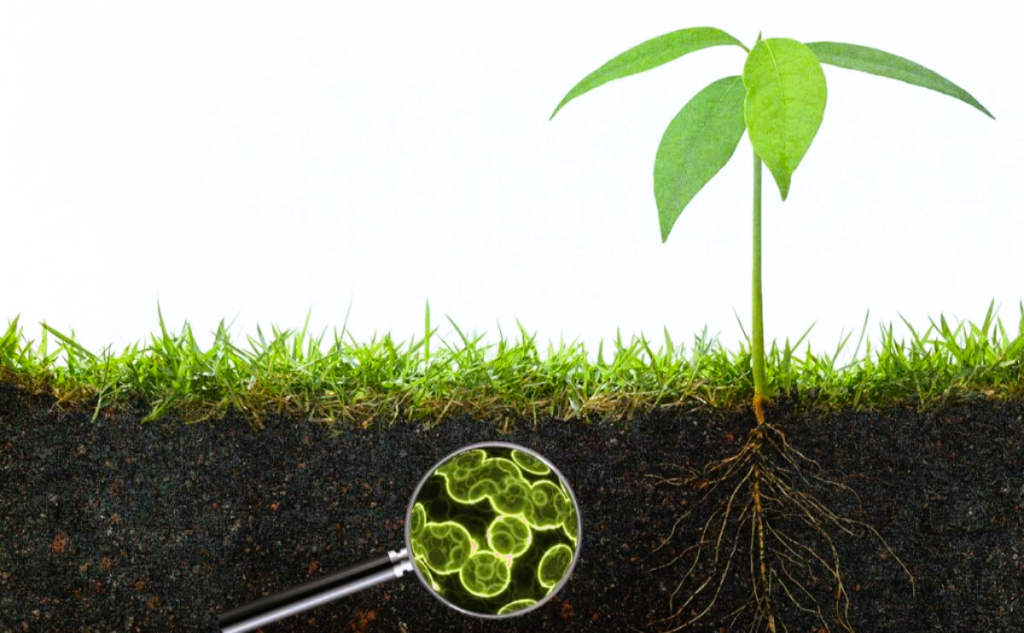
Mycorrhizal fungi are among the most important microorganisms in the soil, forming symbiotic relationships with the roots of medical cannabis plants. These fungi colonize the root system and spread their hyphae into the surrounding soil, enhancing the plant’s ability to absorb water and nutrients, notably phosphorous. In exchange, the plant provides the fungi with carbohydrates created during photosynthesis.
There are two main types of mycorrhizal fungi: arbuscular mycorrhizal fungi (AMF) and ectomycorrhizal fungi. AMF are the most common type of mycorrhizal fungi in cannabis cultivation and are particularly important for phosphorus uptake. Studies have shown that medical cannabis plants inoculated with AMF have increased phosphorus uptake, improved growth, and higher concentrations of cannabinoids and terpenes.
In addition to enhancing nutrient uptake, mycorrhizal fungi also help medical cannabis plants to withstand environmental stresses, such as drought and disease. The mycelium of the fungi creates a network that helps to retain moisture in the soil and improves the plant’s resistance to pathogens. This is particularly important in organic and sustainable cultivation systems, where chemical inputs are minimized, and plants rely on natural processes to maintain their health.
Nitrogen-Fixing Bacteria
As mentioned earlier, nitrogen-fixing bacteria convert atmospheric nitrogen into a form that plants can absorb. These bacteria, such as Rhizobium and Azotobacter, are particularly important in medical cannabis cultivation, as they reduce the need for synthetic nitrogen fertilizers. Inoculating the soil with nitrogen-fixing bacteria can improve plant growth, enhance nutrient uptake, and increase the overall health of the plant.
In medical cannabis cultivation, nitrogen-fixing bacteria are especially beneficial during the vegetative growth phase, when the plant requires high levels of nitrogen to support rapid growth. By providing a steady supply of bioavailable nitrogen, these bacteria help to promote healthy leaf and stem development, which in turn supports the production of medicinal compounds during the flowering stage.
Phosphate-Solubilizing Bacteria
Phosphate-solubilizing bacteria (PSB) play a critical role in enhancing phosphorus availability in the soil. These bacteria create organic acids, which dissolve insoluble phosphate complexes, making phosphorus more available to plants. In medical cannabis cultivation, phosphorus is essential for the development of flowers, which contain the highest concentrations of cannabinoids and terpenes.
Inoculating the soil with PSB can improve phosphorus uptake, leading to enhanced flower development and increased concentrations of medicinal compounds. Additionally, PSB can improve soil health by increasing microbial diversity and promoting nutrient cycling. This is particularly important in organic and sustainable cultivation systems, where chemical fertilizers are minimized, and plants rely on natural processes to maintain nutrient availability.
Plant Growth-Promoting Rhizobacteria (PGPR)
Plant growth-promoting rhizobacteria (PGPR) are a group of bacteria that colonize the rhizosphere and promote plant growth through various mechanisms. These bacteria can produce hormones, such as auxins and gibberellins, that stimulate root development and enhance nutrient uptake. PGPR can also create enzymes that degrade organic debris, releasing nutrients for plants to consume.
In medical cannabis cultivation, PGPR can enhance plant growth, improve nutrient uptake, and increase resistance to environmental stresses, such as drought and disease. By promoting healthy root development and nutrient cycling, PGPR contribute to the overall health of the plant and support its ability to produce high-quality medicinal compounds.
Microorganisms and Soil-Borne Diseases in Medical Cannabis Cultivation
While beneficial microorganisms play a critical role in promoting soil health and plant growth, soil-borne pathogens can have devastating effects on medical cannabis plants. Pathogenic fungi, bacteria, and nematodes can cause root rot, wilting, and other diseases that reduce plant health and decrease yields. However, beneficial microorganisms can help to suppress soil-borne pathogens and protect medical cannabis plants from disease.
Biological Control of Pathogens
Many beneficial microorganisms have antagonistic properties that allow them to suppress or outcompete soil-borne pathogens. For example, several bacteria and fungi create antibiotics that prevent pathogenic pathogens from growing. Other beneficial microbes, such as Trichoderma spp., can parasitize pathogenic fungi, reducing their populations in the soil.
In medical cannabis cultivation, biological control of pathogens is particularly important in organic and sustainable systems, where chemical fungicides and pesticides are minimized. By inoculating the soil with beneficial microorganisms, growers can reduce the risk of disease and maintain healthy plants that produce high-quality medicinal compounds.
Induced Systemic Resistance (ISR)
In addition to directly suppressing pathogens, certain beneficial microorganisms can trigger a plant’s natural defense mechanisms, a process known as induced systemic resistance (ISR). When beneficial microbes colonize the root system, they stimulate the plant to produce defensive compounds, such as phytoalexins, that protect against pathogens.
In medical cannabis cultivation, ISR can enhance the plant’s resistance to soil-borne diseases, reducing the need for chemical inputs and promoting healthier plants. By enhancing the plant’s natural defenses, beneficial microorganisms contribute to the overall health and vigor of the plant, supporting its ability to produce high-quality medicinal compounds.
Restrictions on Growing and Using Cannabis in the Medical Field (as a Last Resort)
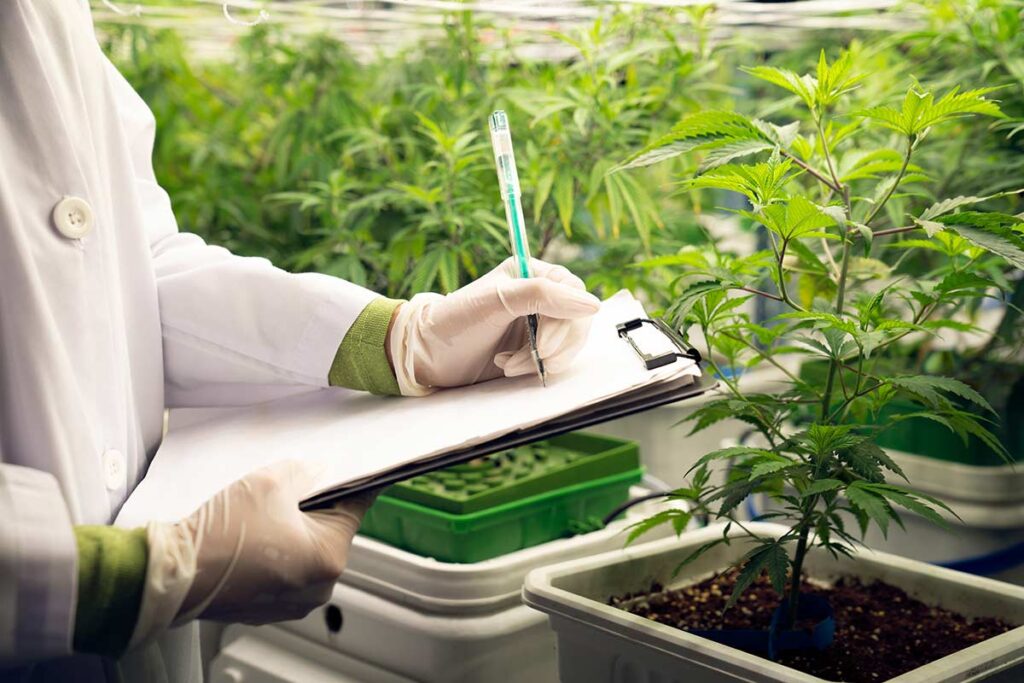
In the medical field, the use and cultivation of cannabis are tightly regulated to ensure safety, efficacy, and appropriate therapeutic outcomes. Cannabis is frequently regarded as a last option treatment for individuals who have not responded well to conventional drugs, especially for chronic pain, epilepsy, and multiple sclerosis.
Key Restrictions:
- Legal Authorization for Medical Use:
Medical cannabis can only be used in jurisdictions where it is legalized, and patients must obtain a medical prescription from a licensed healthcare provider. The patient’s condition must qualify under a predefined list of ailments, often determined by health authorities. - Controlled Cultivation:
Cultivation for medical purposes is highly regulated. Licensed growers must adhere to strict guidelines concerning the growing environment, security, and product testing to ensure consistency, safety, and quality of the cannabis produced. - Cannabis as a Last Resort:
Medical cannabis is typically prescribed when other treatments have proven ineffective. Healthcare providers are required to exhaust other conventional therapies before recommending cannabis. This ensures that cannabis is not the first-line treatment. - THC Level Monitoring:
Medical cannabis products are carefully monitored for THC (tetrahydrocannabinol) content, the psychoactive component of cannabis. Lower-THC or balanced THC-CBD (cannabidiol) formulations are preferred to minimize psychoactive effects while providing therapeutic benefits. Regulatory bodies set maximum allowable THC levels in medical products to prevent intoxication and cognitive impairment in patients. - Supervised Dosage and Use:
Dosing is tailored to the patient’s medical needs, with strict guidelines in place. Continuous monitoring of patients on medical cannabis helps adjust the dosage to balance therapeutic effects and limit any unwanted psychoactive responses. - Non-Recreational Use:
Medical cannabis is strictly intended for therapeutic use, and any form of recreational use is prohibited. Cultivators and healthcare providers must ensure that patients use cannabis strictly as part of their medical treatment.
Conclusion
Microorganisms play an essential role in the cultivation of medical cannabis, ensuring soil health, promoting plant growth, and enhancing the bioavailability of critical nutrients. Beneficial microorganisms, such as nitrogen-fixing bacteria, phosphate-solubilizing microbes, and mycorrhizal fungi, support nutrient cycling, improve root development, and protect plants from environmental stresses and pathogens. These interactions contribute directly to the production of high-quality cannabis with optimal therapeutic properties, which is crucial for its medical use. By fostering a healthy soil ecosystem, medical cannabis cultivators can minimize the need for chemical inputs and create a more sustainable, efficient growing process that benefits both the environment and patient outcomes.
However, medical cannabis cultivation and use are subject to stringent restrictions to ensure safety and efficacy. Cannabis is often administered as a last option for patients who do not react to other treatments. Legal frameworks strictly regulate its cultivation, with licensed growers following strict guidelines to ensure consistent and safe products. A key aspect of this regulation is the monitoring of THC levels to prevent psychoactive effects in patients, focusing instead on the therapeutic benefits of cannabinoids such as CBD. This regulation ensures that the medicinal properties of cannabis can be harnessed without compromising patient safety or cognitive function.
Together, the role of microorganisms in soil health and the regulatory framework governing medical cannabis underscore the delicate balance between natural cultivation methods and strict controls. These practices ensure that patients receive the most effective, safe, and controlled medical cannabis treatments, benefiting from both modern science and sustainable agriculture.
