Introduction
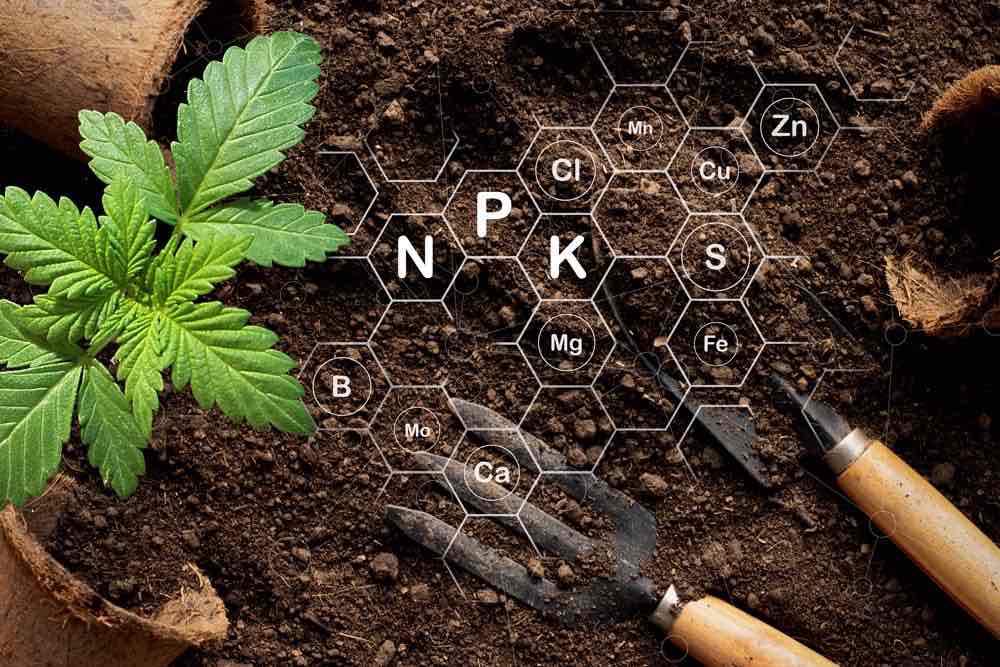
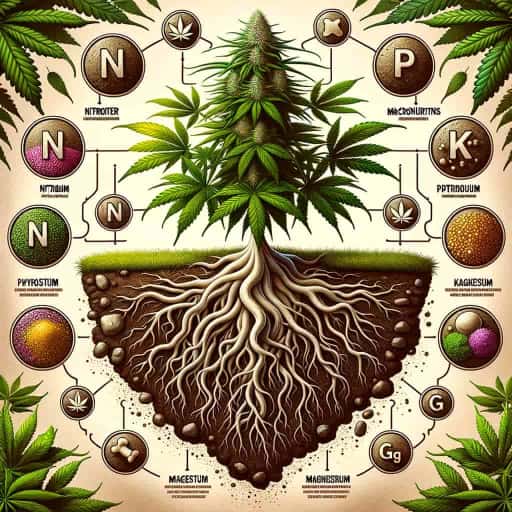
Cannabis, like all plants, requires a variety of nutrients to grow and thrive. While macronutrients (nitrogen, phosphorus, and potassium) are needed in larger quantities, micronutrients are equally important, albeit required in much smaller amounts. Micronutrients play critical roles in various physiological processes and deficiencies can severely impact the health and productivity of cannabis plants. This guide will explore the different micro-elements essential for cannabis plants, their functions, deficiency symptoms, and how to ensure your plants receive adequate amounts.
Essential Micronutrients for Cannabis
- Iron (Fe)
- Manganese (Mn)
- Zinc (Zn)
- Copper (Cu)
- Boron (B)
- Molybdenum (Mo)
- Chlorine (Cl)
- Nickel (Ni)
Iron (Fe) in Cannabis Cultivation
Importance of Iron in Cannabis Growth
Iron (Fe) is a crucial micronutrient for cannabis plants, playing a significant role in various physiological and biochemical processes. Though required in small amounts, its impact on plant health and development is substantial.
Functions:
- Chlorophyll Production: For plants to synthesize chlorophyll, the green pigment that absorbs light energy during photosynthesis, iron is essential.
- Enzyme Activation: Iron acts as a cofactor for numerous enzymes involved in metabolic pathways, including respiration, DNA synthesis, and nitrogen fixation.
- Electron Transport: It plays a critical role in the electron transport chain within chloroplasts and mitochondria, essential for energy production.
Symptoms of Iron Deficiency
One of the more prevalent micronutrient deficits in cannabis plants is iron insufficiency, which is frequently made worse by pH levels that are not ideal. Early symptom detection can help avert serious harm.
Deficiency Symptoms:
- Interveinal Chlorosis: The most characteristic symptom is interveinal chlorosis, where the leaf veins remain green while the areas between them turn yellow. This usually starts in younger leaves.
- Slow Growth: Iron deficiency can lead to stunted growth and reduced vigor, as the plant struggles with limited photosynthetic capacity.
- Pale Leaves: In severe cases, leaves may become almost white due to the significant loss of chlorophyll.
- Leaf Tip Necrosis: The tips of the leaves may turn brown and die back.
Causes of Iron Deficiency
Several factors can contribute to iron deficiency in cannabis plants:
- High Soil pH: Iron becomes less available to plants at higher pH levels (above 7.0). Acidic conditions (pH 5.5-6.5) are more favorable for iron uptake.
- Poor Drainage: Waterlogged soils can reduce iron availability by limiting root oxygen and affecting root function.
- Excessive Phosphorus: High levels of phosphorus can interfere with iron uptake, leading to deficiency.
- Imbalanced Fertilization: Overuse of certain fertilizers can cause nutrient imbalances, affecting iron absorption.
Managing Iron Deficiency
To prevent and correct iron deficiency in cannabis plants, several management practices can be implemented:
1. pH Management:
- Regularly test the pH of the growing medium and adjust as necessary. For soil, aim for a pH of 5.5-6.5, and for hydroponics, a pH of 5.5-6.0.
2. Soil Amendments:
- Add organic matter like compost or well-rotted manure to improve soil structure and nutrient availability.
- Use sulfur or acidic fertilizers to lower the soil pH if it is too high.
3. Iron Supplements:
- Chelated Iron: Products containing chelated iron (e.g., iron EDTA, iron DTPA) are highly effective because the chelation process makes iron more readily available to plants.
- Iron Sulfate: This is another option but may require pH adjustment to ensure effectiveness.
4. Foliar Feeding:
- Apply iron chelate solutions as a foliar spray for quick correction. This method allows for direct absorption through the leaves and can provide rapid relief from deficiency symptoms.
5. Balanced Nutrition:
- Ensure that fertilizers used provide a balanced mix of nutrients, avoiding excess phosphorus which can interfere with iron uptake.
Manganese (Mn) in Cannabis Cultivation
Importance of Manganese in Cannabis Growth
Cannabis plants require manganese (Mn), an important micronutrient, for a number of physiological functions. Although required in smaller quantities compared to macronutrients, manganese is crucial for optimal plant health and development.
Functions:
- Photosynthesis: Manganese is a critical component of the photosynthetic machinery. It is involved in the photolysis of water (splitting water molecules) in photosystem II, leading to oxygen evolution.
- Enzyme Activation: It activates several enzymes involved in the synthesis of amino acids, proteins, and secondary metabolites.
- Nitrogen Metabolism: Manganese plays a role in nitrogen assimilation and utilization within the plant.
- Antioxidant Defense: It contributes to the plant’s antioxidant defense system, protecting cells from oxidative stress.
Symptoms of Manganese Deficiency
A manganese deficit can have a major effect on cannabis plants’ well-being and yield. Identifying the symptoms early is crucial for prompt corrective action.
Deficiency Symptoms:
- Interveinal Chlorosis: One of the most common symptoms is interveinal chlorosis, where the areas between the veins turn yellow while the veins remain green. This typically appears on younger leaves first.
- Necrotic Spots: Small, necrotic (dead) spots may develop on the affected leaves, often giving them a speckled appearance.
- Crinkling or Curling: Leaves may become crinkled, curled, or distorted in severe cases.
- Reduced Growth: Overall plant growth may slow down, with leaves appearing pale and unhealthy.
Causes of Manganese Deficiency
Several factors can contribute to manganese deficiency in cannabis plants:
- High Soil pH: Manganese availability decreases significantly in alkaline soils (pH above 6.5). Acidic conditions (pH 5.5-6.5) are more favorable for manganese uptake.
- Poor Drainage: Waterlogged soils can reduce manganese availability by affecting root function and creating anaerobic conditions.
- High Levels of Iron or Calcium: Excessive amounts of iron or calcium can compete with manganese uptake, leading to deficiency.
- Sandy Soils: Sandy soils with low organic matter content often have low manganese retention capacity.
Managing Manganese Deficiency
To prevent and correct manganese deficiency in cannabis plants, several management practices can be implemented:
1. pH Management:
- Regularly test the pH of the growing medium and adjust as necessary. For soil, aim for a pH of 5.5-6.5, and for hydroponics, a pH of 5.5-6.0.
2. Soil Amendments:
- To enhance the structure of the soil and enhance the retention of nutrients, incorporate organic materials, such as compost or well-rotted manure.
- Use sulfur or acidic fertilizers to lower the soil pH if it is too high.
3. Manganese Supplements:
- Manganese Sulfate: This is a common manganese supplement that can be applied to soil or as a foliar spray.
- Chelated Manganese: Products containing chelated manganese (e.g., manganese EDTA) are effective because the chelation process makes manganese more readily available to plants.
4. Foliar Feeding:
- Apply manganese sulfate or chelated manganese solutions as a foliar spray for quick correction. This method allows for direct absorption through the leaves and can provide rapid relief from deficiency symptoms.
5. Balanced Nutrition:
- Ensure that fertilizers used provide a balanced mix of nutrients, avoiding excess iron or calcium which can interfere with manganese uptake.
Zinc (Zn) in Cannabis Cultivation
Importance of Zinc in Cannabis Growth
Zinc (Zn) is an essential micronutrient required for the proper growth and development of cannabis plants. Even though it is needed in small amounts, its role in various physiological processes is significant.
Functions:
- Enzyme Activation: Zinc is a crucial component of several enzyme systems that regulate various metabolic activities within the plant.
- Protein Synthesis: It is involved in the synthesis of proteins and helps in the formation of ribosomes.
- Growth Hormones: Zinc plays a vital role in the synthesis of auxins, which are plant hormones that regulate growth and development.
- Gene Expression: It is involved in the regulation of gene expression and stabilizes the structure of DNA and RNA.
Symptoms of Zinc Deficiency
Zinc deficiency can manifest in several ways, affecting the overall health and yield of cannabis plants. Early identification and correction are essential to prevent significant damage.
Deficiency Symptoms:
- Interveinal Chlorosis: Young leaves may exhibit interveinal chlorosis, where the area between the veins becomes yellow while the veins remain green.
- Stunted Growth: Zinc deficiency often leads to stunted growth and shortened internodes, resulting in a compact and bushy appearance.
- Leaf Deformation: Leaves may appear smaller and deformed, with margins that can be wavy or crinkled.
- Bronzing of Leaves: In severe cases, leaves may develop a bronze coloration and necrotic spots.
Causes of Zinc Deficiency
Several factors can contribute to zinc deficiency in cannabis plants:
- High Soil pH: Zinc becomes less available to plants in alkaline soils (pH above 7.0). Optimal pH for zinc availability is between 5.5 and 6.5.
- Sandy Soils: Sandy soils with low organic matter often have poor zinc retention capacity.
- Excess Phosphorus: High levels of phosphorus can interfere with zinc uptake, leading to deficiencies.
- Waterlogged Conditions: Poorly drained soils can limit root function and reduce zinc availability.
Managing Zinc Deficiency
To prevent and correct zinc deficiency in cannabis plants, several management practices can be implemented:
1. pH Management:
- Regularly test the pH of the growing medium and adjust as necessary. Aim for a pH of 5.5-6.5 for soil and 5.5-6.0 for hydroponics to maximize zinc availability.
2. Soil Amendments:
- To strengthen the structure of the soil and increase nutrient retention, add organic matter, such as compost or well-rotted manure.
- Use sulfur or acidic fertilizers to lower the soil pH if it is too high.
3. Zinc Supplements:
- Zinc Sulfate: This is a common zinc supplement that can be applied to soil or as a foliar spray.
- Chelated Zinc: Products containing chelated zinc (e.g., zinc EDTA) are highly effective because the chelation process makes zinc more readily available to plants.
4. Foliar Feeding:
- Apply zinc sulfate or chelated zinc solutions as a foliar spray for quick correction. This method allows for direct absorption through the leaves and can provide rapid relief from deficiency symptoms.
5. Balanced Nutrition:
- Ensure that fertilizers used provide a balanced mix of nutrients, avoiding excess phosphorus which can interfere with zinc uptake.
Copper (Cu) in Cannabis Cultivation
Importance of Copper in Cannabis Growth
Copper (Cu) is an essential micronutrient for cannabis plants, required in small quantities but crucial for various physiological functions. It plays a significant role in the plant’s metabolism and overall health.
Functions:
- Enzyme Activation: Copper is a vital component of several enzymes involved in photosynthesis, respiration, and lignin synthesis.
- Chlorophyll Production: It aids in chlorophyll formation and plays a role in maintaining the integrity of chloroplasts.
- Protein Synthesis: Copper is essential for the synthesis of proteins and other vital compounds.
- Disease Resistance: It helps in the development of plant cell walls and improves resistance to diseases.
Symptoms of Copper Deficiency
Copper deficiency can adversely affect the growth and development of cannabis plants. Identifying and addressing the deficiency promptly is essential for healthy plant growth.
Deficiency Symptoms:
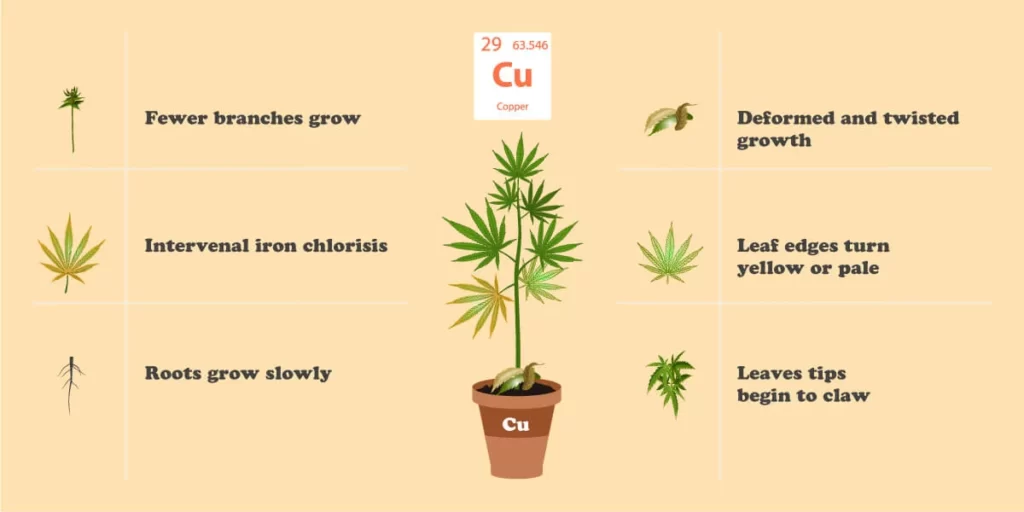
- Young Leaf Discoloration: Young leaves may exhibit a dark green or bluish-green hue.
- Leaf Curling: Leaves may become twisted or curled, with tips turning downward.
- Necrotic Spots: Necrotic (dead) spots may appear, especially at the leaf margins and tips.
- Slow Growth: General growth retardation and reduced vigor.
- Poor Flowering: Flower development may be hindered, leading to lower yields.
Causes of Copper Deficiency
Several factors can contribute to copper deficiency in cannabis plants:
- High Soil pH: Copper becomes less available in alkaline soils (pH above 7.0). Optimal pH for copper availability is between 5.5 and 6.5.
- Sandy Soils: Sandy soils with low organic matter often have poor copper retention capacity.
- Excessive Phosphorus: High levels of phosphorus can interfere with copper uptake, leading to deficiencies.
- Waterlogged Conditions: Poorly drained soils can limit root function and reduce copper availability.
Managing Copper Deficiency
To prevent and correct copper deficiency in cannabis plants, several management practices can be implemented:
1. pH Management:
- Regularly test the pH of the growing medium and adjust as necessary. Aim for a pH of 5.5-6.5 for soil and 5.5-6.0 for hydroponics to maximize copper availability.
2. Soil Amendments:
- To enhance the structure of the soil and enhance the retention of nutrients, incorporate organic materials, such as compost or well-rotted manure.
- Use sulfur or acidic fertilizers to lower the soil pH if it is too high.
3. Copper Supplements:
- Copper Sulfate: This is a common copper supplement that can be applied to soil or as a foliar spray.
- Chelated Copper: Products containing chelated copper (e.g., copper EDTA) are highly effective because the chelation process makes copper more readily available to plants.
4. Foliar Feeding:
- Apply copper sulfate or chelated copper solutions as a foliar spray for quick correction. This method allows for direct absorption through the leaves and can provide rapid relief from deficiency symptoms.
5. Balanced Nutrition:
- Ensure that fertilizers used provide a balanced mix of nutrients, avoiding excess phosphorus which can interfere with copper uptake.
Boron (B) in Cannabis Cultivation
Importance of Boron in Cannabis Growth
Cannabis plants require boron (B), an important element, for proper growth and development. Despite being required in small quantities, its impact on plant health is significant.
Functions:
- Cell Wall Formation: Boron is vital for the structural integrity and function of plant cell walls.
- Cell Division: It plays a key role in cell division and the elongation of plant cells.
- Sugar Transport: Boron helps in the transportation of sugars across cell membranes.
- Hormone Regulation: It is involved in the regulation of plant hormones and influences flowering and fruiting processes.
- Nutrient Uptake: Boron aids in the uptake and utilization of other nutrients, including calcium.
Symptoms of Boron Deficiency
Boron deficiency can lead to several growth abnormalities in cannabis plants. Early detection and correction are essential to avoid severe damage.
Deficiency Symptoms:
- Brittle New Growth: New growth, including leaves and stems, may become brittle and discolored.
- Deformed Growth: Leaves may appear distorted, thickened, or have a scorched appearance at the tips and edges.
- Poor Root Development: Root growth can be stunted, and root tips may die back.
- Flowering Issues: Flower development may be impaired, leading to reduced yields and poor-quality buds.
- Necrosis: In severe cases, necrotic (dead) patches may develop on leaves and stems.
Causes of Boron Deficiency
Several factors can contribute to boron deficiency in cannabis plants:
- Low Soil Boron Levels: Soils naturally low in boron or soils that have been heavily leached can lead to deficiencies.
- High pH Levels: Boron availability decreases in soils with high pH (above 7.0). Optimal pH for boron availability is between 5.5 and 6.5.
- Sandy Soils: Sandy soils with low organic matter content often have poor boron retention.
- Excessive Calcium or Potassium: High levels of calcium or potassium can interfere with boron uptake.
Managing Boron Deficiency
To prevent and correct boron deficiency in cannabis plants, several management practices can be implemented:
1. pH Management:
- Regularly test the pH of the growing medium and adjust as necessary. Aim for a pH of 5.5-6.5 for soil and 5.5-6.0 for hydroponics to maximize boron availability.
2. Soil Amendments:
- Add organic matter such as compost or well-rotted manure to improve soil structure and nutrient retention.
- Use sulfur or acidic fertilizers to lower the soil pH if it is too high.
3. Boron Supplements:
- Boric Acid: This is a common boron supplement that can be applied to soil or as a foliar spray.
- Borax: Another option for boron supplementation, which can be used in small amounts to correct deficiencies.
4. Foliar Feeding:
- Apply boric acid or borax solutions as a foliar spray for quick correction. This method allows for direct absorption through the leaves and can provide rapid relief from deficiency symptoms.
5. Balanced Nutrition:
- Ensure that fertilizers used provide a balanced mix of nutrients, avoiding excess calcium or potassium which can interfere with boron uptake.
Molybdenum (Mo) in Cannabis Cultivation
Importance of Molybdenum in Cannabis Growth
Molybdenum (Mo) is an essential micronutrient required in minute quantities but is crucial for several biochemical processes in cannabis plants. Its primary role revolves around the nitrogen cycle within the plant.
Functions:
- Nitrogen Fixation: Molybdenum is a key component of the enzyme nitrogenase, which helps in the conversion of atmospheric nitrogen into ammonia in nitrogen-fixing bacteria associated with plant roots.
- Nitrate Reduction: It is a vital part of the enzyme nitrate reductase, which converts nitrate to nitrite, a necessary step in the nitrogen assimilation process.
- Amino Acid and Protein Synthesis: By aiding in nitrogen metabolism, molybdenum indirectly supports the synthesis of amino acids and proteins.
- Sulfur Metabolism: Molybdenum is also involved in the metabolism of sulfur within the plant.
Symptoms of Molybdenum Deficiency
Molybdenum deficiency, though rare, can adversely affect the growth and development of cannabis plants. Early detection and correction are essential to prevent severe damage.
Deficiency Symptoms:
- Yellowing of Older Leaves: Older leaves may develop interveinal chlorosis, starting at the tips and moving towards the base.
- Twisting and Deformation: Leaves can become twisted or malformed.
- Marginal Leaf Necrosis: Leaf edges may become scorched and necrotic.
- Overall Yellowing: The plant may exhibit general yellowing if the deficiency is severe, due to impaired nitrogen assimilation.
- Stunted Growth: Reduced growth rate and overall poor plant vigor.
Causes of Molybdenum Deficiency
Several factors can contribute to molybdenum deficiency in cannabis plants:
- Low Soil Molybdenum Levels: Soils naturally low in molybdenum or soils that have been heavily leached can lead to deficiencies.
- Low pH Levels: Molybdenum availability decreases significantly in acidic soils (pH below 5.5). Optimal pH for molybdenum availability is slightly higher than for most other micronutrients.
- Sandy Soils: Sandy soils with low organic matter content often have poor molybdenum retention.
Managing Molybdenum Deficiency
To prevent and correct molybdenum deficiency in cannabis plants, several management practices can be implemented:
1. pH Management:
- Regularly test the pH of the growing medium and adjust as necessary. Aim for a pH of 6.0-7.0 for soil and hydroponics to maximize molybdenum availability.
2. Soil Amendments:
- Add organic matter such as compost or well-rotted manure to improve soil structure and nutrient retention.
- Use lime to raise the soil pH if it is too low, making molybdenum more available.
3. Molybdenum Supplements:
- Sodium Molybdate: This is a common molybdenum supplement that can be applied to soil or as a foliar spray.
- Ammonium Molybdate: Another option for molybdenum supplementation, effective for correcting deficiencies.
4. Foliar Feeding:
- Apply sodium molybdate or ammonium molybdate solutions as a foliar spray for quick correction. This method allows for direct absorption through the leaves and can provide rapid relief from deficiency symptoms.
5. Balanced Nutrition:
- Ensure that fertilizers used provide a balanced mix of nutrients, avoiding imbalances that can affect molybdenum uptake.
Chlorine (Cl) in Cannabis Cultivation
Importance of Chlorine in Cannabis Growth
Chlorine (Cl) is an essential micronutrient for cannabis plants, required in trace amounts but crucial for several physiological processes. Despite being needed in small quantities, its role is vital for overall plant health and growth.
Functions:
- Osmotic Regulation: Chlorine plays a key role in maintaining osmotic balance within plant cells, which is critical for water uptake and retention.
- Stomatal Function: It is essential for the proper functioning of stomata, the pores on the leaf surface that regulate gas exchange and transpiration.
- Photosynthesis: Chlorine is involved in the oxygen-evolving complex of photosystem II, which is part of the photosynthetic process.
- Disease Resistance: It helps in enhancing the plant’s resistance to various diseases.
Symptoms of Chlorine Deficiency
Chlorine deficiency in cannabis plants is rare but can occur, especially in conditions with excessive leaching or very low chloride levels in the growing medium. Identifying and addressing the deficiency promptly is essential to prevent severe damage.
Deficiency Symptoms:
- Wilting: One of the earliest signs of chlorine deficiency is wilting of the leaves, even when soil moisture levels are adequate.
- Chlorosis: General chlorosis (yellowing) of younger leaves.
- Leaf Curling: Leaves may curl and exhibit necrotic (dead) spots, particularly at the edges.
- Reduced Root Growth: Root growth may be stunted, affecting overall plant health.
- Bronzing: Older leaves may develop a bronze coloration as the deficiency progresses.
Causes of Chlorine Deficiency
Several factors can contribute to chlorine deficiency in cannabis plants:
- Excessive Leaching: High levels of rainfall or over-irrigation can lead to the leaching of chlorine from the soil.
- Low Chloride Levels in Water: If the irrigation water has very low chloride content, it can result in deficiency.
- High Organic Matter: Soils with very high organic matter content can sometimes retain less chlorine.
Managing Chlorine Deficiency
To prevent and correct chlorine deficiency in cannabis plants, several management practices can be implemented:
1. Water Quality Management:
- Ensure that irrigation water contains adequate levels of chloride. Most natural water sources have sufficient chloride, but very pure or desalinated water might lack it.
2. Soil Amendments:
- Add a source of chloride to the soil if testing indicates a deficiency. This can be done using common salts.
3. Chlorine Supplements:
- Potassium Chloride (KCl): A common supplement that can be used to correct chlorine deficiency. It also supplies potassium, another essential nutrient.
- Calcium Chloride (CaCl2): This can be used to provide both calcium and chlorine, especially in soils that are deficient in calcium.
4. Balanced Nutrition:
- Ensure that fertilizers used provide a balanced mix of nutrients, including essential micronutrients like chlorine.
Nickel (Ni) in Cannabis Cultivation
Importance of Nickel in Cannabis Growth
Nickel (Ni) is an essential micronutrient for cannabis plants, required in trace amounts but vital for several biochemical processes. Although often overlooked, nickel plays a critical role in ensuring optimal plant health and growth.
Functions:
- Urease Activity: Nickel is a crucial component of the enzyme urease, which catalyzes the hydrolysis of urea into ammonia and carbon dioxide. This process is essential for nitrogen metabolism in plants.
- Iron Absorption: Nickel helps in the efficient absorption and utilization of iron, another essential nutrient.
- Seed Germination: It plays a role in seed germination and overall vigor.
- Disease Resistance: Nickel contributes to plant resistance against certain pathogens.
Symptoms of Nickel Deficiency
Nickel deficiency in cannabis plants is rare but can occur under certain conditions. Identifying and addressing the deficiency promptly is essential to prevent growth issues and ensure plant health.
Deficiency Symptoms:
- Leaf Tip Necrosis: One of the earliest signs of nickel deficiency is necrosis (death) at the tips of leaves.
- Chlorosis: General chlorosis (yellowing) of leaves, often starting with older leaves.
- Reduced Growth: Stunted growth and reduced vigor.
- Poor Seed Germination: Seeds may exhibit poor germination rates and seedling development.
- Iron Deficiency Symptoms: Due to its role in iron absorption, nickel deficiency can sometimes mimic iron deficiency symptoms.
Causes of Nickel Deficiency
Several factors can contribute to nickel deficiency in cannabis plants:
- Low Soil Nickel Levels: Soils naturally low in nickel or those that have been heavily leached can lead to deficiencies.
- High pH Levels: Nickel availability decreases in soils with high pH (alkaline conditions). Optimal pH for nickel availability is between 5.5 and 6.5.
- Excessive Organic Matter: Soils with very high organic matter content can sometimes retain less nickel.
Managing Nickel Deficiency
To prevent and correct nickel deficiency in cannabis plants, several management practices can be implemented:
1. pH Management:
- Regularly test the pH of the growing medium and adjust as necessary. Aim for a pH of 5.5-6.5 for soil and hydroponics to maximize nickel availability.
2. Soil Amendments:
- Add organic matter such as compost or well-rotted manure to improve soil structure and nutrient retention.
- Use sulfur or acidic fertilizers to lower the soil pH if it is too high.
3. Nickel Supplements:
- Nickel Sulfate: This is a common nickel supplement that can be applied to soil or as a foliar spray to correct deficiencies.
4. Foliar Feeding:
- Apply nickel sulfate solutions as a foliar spray for quick correction. This method allows for direct absorption through the leaves and can provide rapid relief from deficiency symptoms.
5. Balanced Nutrition:
- Ensure that fertilizers used provide a balanced mix of nutrients, including essential micronutrients like nickel.
Ensuring Adequate Micronutrient Supply
- Soil Testing: Regular soil testing can help determine the levels of various micronutrients and pH. This can guide appropriate supplementation and pH adjustments.
- pH Management: Micronutrient availability is highly dependent on the pH of the growing medium. For instance, iron availability decreases in high pH soils. Regular monitoring and adjusting of pH can help prevent deficiencies.
- Use of Chelates: Chelated forms of micronutrients are more readily absorbed by plants and can be particularly useful in hydroponic systems.
- Balanced Fertilization: Using fertilizers that provide a balanced mix of macro and micronutrients can help prevent deficiencies. Specialized cannabis nutrients often contain the necessary micronutrients.
- Organic Matter: Adding organic matter to soil can improve its structure, water retention, and nutrient-holding capacity. Compost and well-rotted manure are excellent sources of micronutrients.
- Foliar Feeding: Foliar sprays can provide a quick fix for micronutrient deficiencies, delivering nutrients directly to the leaves where they can be quickly absorbed.
Conclusion
Understanding and managing micronutrient requirements is crucial for the healthy growth and productivity of cannabis plants. Regular monitoring of soil conditions, pH, and plant health can help in early detection and correction of deficiencies. By ensuring a balanced supply of all essential nutrients, growers can optimize their cannabis cultivation for better yields and quality.
