Table of Contents
Mickey Kush is a renowned cannabis strain celebrated for its exceptional potency, uplifting effects, and unique terpene profile. As a sativa-dominant hybrid, Mickey Kush is a cross between two iconic strains: Sweet Irish Kush and Jack the Ripper. Known for its high THC content, often exceeding 20%, Mickey Kush is a favorite among both recreational users seeking an energizing high and medical patients looking for relief from a variety of conditions. Below, we explore the strain’s genetics, chemical composition, effects, medical applications, and recreational uses in detail.
Genetics and Lineage
Mickey Kush inherits its unique characteristics from its parent strains:
- Sweet Irish Kush: Known for its relaxing and mildly sedative effects, Sweet Irish Kush contributes to Mickey Kush’s balanced high, offering a subtle physical relaxation that complements its cerebral stimulation.
- Jack the Ripper: A legendary sativa strain known for its intense uplifting and creative effects, Jack the Ripper is responsible for Mickey Kush’s energizing properties and sharp, citrusy aroma.
This hybridization results in a sativa-dominant strain with a genetic composition of approximately 70% sativa and 30% indica, making it an excellent choice for daytime use or situations requiring heightened focus and creativity.
Appearance, Aroma, and Flavor
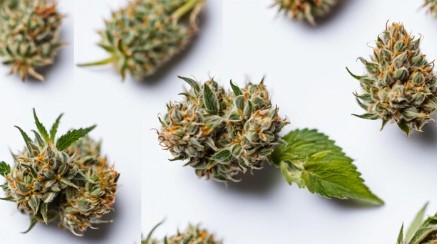
- Appearance: Mickey Kush features dense, lime-green buds coated in a thick layer of trichomes, giving it a frosty appearance. Bright orange pistils weave through the buds, adding vibrant contrast.
- Aroma: The strain emits a complex aroma profile characterized by citrus, earthiness, and pine with hints of sweetness and spice. This pungent fragrance is both invigorating and grounding.
- Flavor: Mickey Kush delivers a tangy and spicy flavor profile. On inhale, users often note a burst of lemon and lime, followed by earthy undertones and a peppery finish on exhale.
Cannabinoid and Terpene Profile
- THC Content: Mickey Kush is highly potent, with THC levels ranging between 20% and 25%, depending on growing conditions. This high THC content is responsible for the strain’s strong psychoactive effects.
- CBD Content: The strain typically has low CBD levels, usually below 1%, which makes it less suitable for conditions requiring significant cannabidiol content but highly effective for THC-dominant therapies.
- Terpenes: The dominant terpenes in Mickey Kush include:
- Limonene: Provides mood-enhancing qualities and a zesty scent.
- Myrcene: Contributes to the strain’s earthy scent and mild sedative effects.
- Caryophyllene: Adds a spicy, peppery note and offers anti-inflammatory benefits.
- Pinene: Enhances focus and promotes respiratory health.
Effects and Experience
Mickey Kush is celebrated for its fast-acting and long-lasting effects, making it a go-to strain for people looking for a stimulating and upbeat experience. Key effects include:
- Euphoria: The strain delivers an immediate cerebral rush, characterized by heightened happiness and a positive mindset.
- Energy Boost: Users report increased energy levels, making Mickey Kush an excellent choice for combating fatigue or starting a productive day.
- Focus and Creativity: The strain’s sativa-dominant genetics enhance mental clarity and stimulate creative thinking, ideal for artists, writers, and problem-solvers.
- Physical Relaxation: Despite its energizing effects, Mickey Kush offers a subtle body high that helps ease tension without causing sedation.
Medical Uses of Mickey Kush
Mickey Kush is highly regarded for its therapeutic potential. Its unique combination of cannabinoids and terpenes provides relief for a wide range of physical and mental health conditions. Below is a detailed breakdown of its medical applications:

- Mental Health Conditions:
- Depression: The uplifting and mood-enhancing effects of Mickey Kush make it an effective option for managing symptoms of depression. Its high limonene content contributes to a sense of happiness and mental clarity.
- Anxiety: While beneficial in low doses, higher doses may exacerbate anxiety due to its high THC content. Careful dosing is essential.
- ADHD/ADD: The strain’s ability to improve focus and concentration makes it a popular choice for patients with attention deficit disorders.
- Chronic Pain:
- Mickey Kush’s combination of THC and caryophyllene provides anti-inflammatory and analgesic effects, making it effective for the treatment of long-term pain disorders such migraines, fibromyalgia, and arthritis.
- Fatigue:
- Its energizing properties make Mickey Kush a go-to strain for combating fatigue and lethargy, providing an organic boost that does not require stimulants.
- Appetite Stimulation:
- While not as pronounced as in indica-dominant strains, Mickey Kush can help stimulate appetite in patients dealing with conditions such as cancer or eating disorders.
- Nausea:
- The strain’s antiemetic properties, combined with its uplifting effects, make it effective for managing nausea, particularly in patients undergoing chemotherapy.
- Neuroprotection:
- Preliminary research suggests that THC and other cannabinoids in Mickey Kush may offer neuroprotective benefits, potentially aiding in the management of neurodegenerative diseases such as Alzheimer’s and Parkinson’s.
Recreational Uses of Mickey Kush
Mickey Kush is highly popular among recreational users due to its energizing and euphoric effects. Some common recreational scenarios include:
- Social Gatherings:
- The strain’s uplifting effects make it a great choice for social settings, helping users feel more talkative, confident, and connected.
- Creative Activities:
- Artists, musicians, and writers often turn to Mickey Kush for its ability to enhance creativity and inspire innovative thinking.
- Outdoor Adventures:
- Whether hiking, biking, or simply exploring nature, Mickey Kush’s energizing effects make it an excellent companion for outdoor activities.
- Productivity Boost:
- Many users incorporate Mickey Kush into their daily routines to tackle tasks that require focus, motivation, and mental clarity.
- Morning Pick-Me-Up:
- Often compared to a strong cup of coffee, Mickey Kush is a popular choice for those seeking an invigorating start to their day.
Cultivating Mickey Kush
1. Optimal Environmental Conditions
Mickey Kush thrives in a controlled environment where temperature, humidity, and light are carefully monitored.
- Temperature:
- Vegetative stage: 70-85°F (21-29°C)
- Flowering stage: 65-80°F (18-27°C)
- Avoid temperature fluctuations, as they can stress the plant and lead to reduced yields or weaker potency.
- Humidity:
- Maintain 50-70% relative humidity during the vegetative stage and reduce it to 40-50% during flowering to prevent mold and mildew.
- A dehumidifier is often recommended in indoor grows to stabilize humidity levels.
- CO₂ Enrichment:
- Increasing CO₂ levels to 1,000-1,200 ppm during the flowering stage can significantly boost yield and THC production.
2. Light Requirements
Mickey Kush benefits from a tailored light schedule due to its sativa-dominant genetics.
- Vegetative Stage: Use a 18/6 light cycle (18 hours of light, 6 hours of darkness).
- Preferred light intensity: 400-600 PPFD (Photosynthetic Photon Flux Density).
- Flowering Stage: Switch to a 12/12 light cycle.
- Recommended light intensity: 800-1,000 PPFD to maximize bud development.
- Light Spectrum: Use full-spectrum LED or HPS lights. Blue light (400-500 nm) promotes vegetative growth, while red light (600-700 nm) enhances flowering and resin production.
- Supplemental UV Light: Exposing plants to UV-B light during the final weeks of flowering can increase trichome density and THC content.
3. Growing Medium and Nutrients
Mickey Kush responds well to different growing mediums, but each has its own benefits.
- Soil:
- Use organic soil with a rich microbial ecosystem to enhance terpene production.
- Ideal pH range: 6.0-6.5.
- Hydroponics:
- Provides faster growth and higher yields due to precise nutrient delivery.
- Ideal pH range: 5.5-6.0.
- Coco Coir:
- A versatile medium that offers good water retention and oxygenation.
- Regular supplementation with calcium and magnesium (Cal-Mag) is necessary.
- Nutrient Regimen:
- Vegetative stage: Higher nitrogen (N) with moderate phosphorus (P) and potassium (K).
- Flowering stage: Reduce nitrogen and increase phosphorus and potassium to encourage bud formation and resin production.
- Include micronutrients such as magnesium, calcium, and sulfur for optimal plant health.
- Use organic compost teas or microbial inoculants to support root health and nutrient uptake.
4. Watering Techniques
Proper watering is crucial to avoid root rot or nutrient lockout.
- Water Quality: Use filtered or reverse-osmosis water with minimal impurities.
- pH Adjustment: Always check and adjust the water’s pH to match the growing medium.
- Irrigation Systems:
- Drip irrigation provides consistent moisture without overwatering.
- Hand-watering allows growers to monitor individual plants closely.
- Dry-Back Technique: Allow the growing medium to partially dry out between waterings to encourage root oxygenation and prevent over-saturation.
5. Training Techniques for Higher Yields
Mickey Kush grows tall due to its sativa dominance, so training methods can help control height and maximize light exposure.
- Low-Stress Training (LST):
- Tying down and bending branches to produce a uniform canopy.
- Promotes uniform light distribution and airflow.
- Topping and Fimming:
- Cutting the main stem (topping) or pinching the growth tip (fimming) encourages lateral growth, increasing the number of bud sites.
- Screen of Green (ScrOG):
- Use a screen to train branches horizontally, maximizing the use of light and space in indoor grows.
- Defoliation:
- Remove excess fan leaves to improve airflow and light penetration to lower bud sites.
- Supercropping:
- Slightly crushing stems to create strategic stress, encouraging stronger branches and higher cannabinoid production.
6. Pest and Disease Management
While Mickey Kush is moderately resistant to pests and diseases, proactive management is essential.
- Common Pests:
- Spider mites, aphids, whiteflies, and thrips.
- Use predatory insects like ladybugs or beneficial nematodes for organic pest control.
- Fungal Issues:
- Powdery mildew and bud rot are common in high humidity.
- Maintain good airflow using oscillating fans and ensure proper spacing between plants.
- Preventative Measures:
- Apply neem oil or insecticidal soap during the vegetative stage.
- Use organic fungicides like potassium bicarbonate or Bacillus subtilis to prevent mold.
- Integrated Pest Management (IPM):
- Rotate between different control methods to avoid resistance buildup in pests or fungi.
7. Harvesting and Post-Harvest Techniques
Proper harvesting and curing methods are essential for preserving Mickey Kush’s potency, aroma, and flavor.
- Harvest Timing:
- Monitor trichomes using a magnifying glass or microscope.
- Harvest when trichomes are mostly cloudy with some turning amber for the best balance of THC potency and terpenes.
- Drying:
- Hang trimmed branches upside down in a dark, ventilated room with a temperature of 60-70°F (15-21°C) and humidity of 50-60%.
- Drying typically takes 7-10 days.
- Curing:
- Transfer dried buds to glass jars and open them daily for 1-2 weeks to release excess moisture.
- Maintain a stable humidity of 58-62% using humidity packs if necessary.
- Storage:
- Store cured buds in an airtight container away from light and heat to preserve potency and flavor.
8. Maximizing Terpene and Cannabinoid Profiles
Scientific studies show that environmental factors and stress management significantly affect terpene and cannabinoid levels.
- Light Stress:
- Introducing light stress (UV-B) during flowering can enhance THC and trichome production.
- Temperature Control:
- Lowering temperatures during the final weeks of flowering can boost terpene retention, resulting in a more pronounced aroma and flavor.
- Nutrient Flush:
- Flushing the plants with plain water or a flushing solution during the last 1-2 weeks of flowering removes excess nutrients, improving taste and smoke quality.
9. Hydroponic Systems for Mickey Kush
For growers seeking maximum control and yield, hydroponic systems are highly effective.
- Deep Water Culture (DWC):
- Allows roots to grow directly in nutrient-rich water, resulting in rapid growth.
- Nutrient Film Technique (NFT):
- Provides a thin film of nutrients to plant roots, ensuring precise nutrient delivery.
- Aeroponics:
- Mists roots with a nutrient solution, offering the highest oxygenation and nutrient efficiency.
- Regular monitoring of electrical conductivity (EC) and pH levels is critical in hydroponic setups to avoid nutrient imbalances.
Scientific Insights and Research
While strain-specific research on Mickey Kush is limited, its high THC content and terpene profile align with findings from broader cannabis studies. Below are some relevant scientific insights:
- THC’s Therapeutic Potential:
- Studies have shown that THC can effectively reduce chronic pain, improve mood, and stimulate appetite. Mickey Kush’s high THC levels make it a powerful option for patients seeking these benefits.
- Limonene and Mental Health:
- Research on limonene suggests that it has antidepressant and anxiolytic properties, which may explain Mickey Kush’s effectiveness in managing mood disorders.
- Caryophyllene’s Anti-Inflammatory Effects:
- As a unique terpene that also acts on the endocannabinoid system, caryophyllene may provide significant anti-inflammatory and analgesic benefits.
- Pinene’s Cognitive Benefits:
- Pinene is known to enhance focus and memory retention, which complements the strain’s energizing effects.
- Entourage Effect:
- The combination of THC, terpenes, and other cannabinoids in Mickey Kush contributes to the entourage effect, enhancing its overall therapeutic potential.
Methods of Ingestion
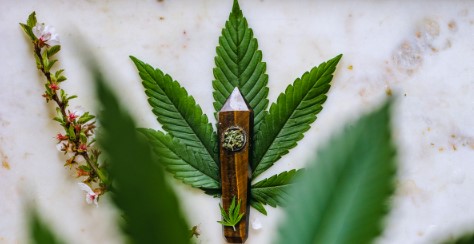
The way Mickey Kush is consumed significantly influences how quickly the effects begin, how intense they are, and how long they last. Below is a detailed analysis of the most common ingestion methods:
A. Inhalation (Smoking & Vaping)
Mechanism:
- Inhalation introduces cannabinoids directly into the lungs, where they rapidly diffuse into the bloodstream via the alveolar membrane.
- The effects occur almost instantly due to direct systemic circulation, bypassing first-pass metabolism.
Types of Inhalation:
- Smoking (Joints, Pipes, Bongs)
- Onset: 1-5 minutes
- Peak Effects: 15-30 minutes
- Duration: 2-4 hours
- Bioavailability: ~25-30% of THC reaches systemic circulation.
- Pros: Quick onset; effective for immediate relief of pain, nausea, or anxiety.
- Cons: Combustion produces harmful byproducts (e.g., tar, carbon monoxide).
- Vaporization (Dry Herb Vaporizers, Concentrate Pens)
- Onset: 1-3 minutes
- Peak Effects: 15-20 minutes
- Duration: 2-4 hours
- Bioavailability: Higher than smoking (35-50%).
- Pros: Less lung irritation, better terpene preservation.
- Cons: Requires specialized devices.
B. Oral Ingestion (Edibles, Capsules, Tinctures)
Mechanism:
- Edibles and capsules are metabolized through the digestive system and undergo first-pass metabolism in the liver, converting Δ9-THC into 11-hydroxy-THC, a more potent and longer-lasting compound.
- Tinctures (sublingual administration) bypass the liver partially, allowing for a more rapid onset.
Types of Oral Ingestion:
- Edibles (Gummies, Brownies, Chocolates)
- Onset: 30-90 minutes (depends on metabolism and stomach contents).
- Peak Effects: 2-3 hours.
- Duration: 6-8 hours (can last up to 12 hours in higher doses).
- Bioavailability: 4-20% due to degradation in the liver and stomach.
- Pros: Long-lasting effects, strong body high.
- Cons: Harder to dose accurately, risk of delayed overconsumption.
- Capsules & Pills
- Onset: 30-90 minutes.
- Peak Effects: 2-4 hours.
- Duration: 6-10 hours.
- Bioavailability: Similar to edibles (~4-20%).
- Pros: Discreet, precise dosing.
- Cons: Slower onset.
- Tinctures (Sublingual Use)
- Onset: 10-30 minutes.
- Peak Effects: 1-2 hours.
- Duration: 4-6 hours.
- Bioavailability: 15-35%.
- Pros: Faster onset than edibles, easier dosing.
- Cons: Some users dislike the taste.
C. Topical Application (Creams, Patches, Transdermals)
Mechanism:
- Topicals do not enter the bloodstream but interact with CB2 receptors in the skin, reducing localized pain and inflammation.
- Transdermal patches allow cannabinoids to enter the bloodstream for systemic effects.
Types of Topicals:
- Lotions & Balms (Localized Relief)
- Onset: 10-30 minutes.
- Peak Effects: 1-2 hours.
- Duration: 2-6 hours.
- Pros: No psychoactive effects, good for pain management.
- Cons: Not effective for systemic conditions.
- Transdermal Patches (Systemic Absorption)
- Onset: 30-90 minutes.
- Peak Effects: 2-4 hours.
- Duration: Up to 12 hours.
- Pros: Controlled release, long-lasting effects.
- Cons: Limited availability.
D. Dabbing (High-Potency Concentrates)
Mechanism:
- Dabbing involves vaporizing high-potency cannabis extracts (e.g., wax, shatter, live resin) at high temperatures, leading to immediate and intense effects.
- Best suited for experienced users due to its high THC content.
Onset, Duration, & Bioavailability:
- Onset: Within seconds (faster than smoking).
- Peak Effects: 5-15 minutes.
- Duration: 1-3 hours.
- Bioavailability: Up to 75% (highest among ingestion methods).
- Pros: Extremely potent; instant relief for severe pain or nausea.
- Cons: Can be overwhelming for new users; requires specialized equipment.
2. Onset, Peak, and Duration Comparison by Method
| Method | Onset | Peak Effects | Duration | Bioavailability |
|---|---|---|---|---|
| Smoking | 1-5 min | 15-30 min | 2-4 hrs | 25-30% |
| Vaping | 1-3 min | 15-20 min | 2-4 hrs | 35-50% |
| Edibles | 30-90 min | 2-3 hrs | 6-8 hrs | 4-20% |
| Capsules | 30-90 min | 2-4 hrs | 6-10 hrs | 4-20% |
| Tinctures | 10-30 min | 1-2 hrs | 4-6 hrs | 15-35% |
| Topicals | 10-30 min | 1-2 hrs | 2-6 hrs | N/A (localized) |
| Patches | 30-90 min | 2-4 hrs | 12+ hrs | Moderate |
| Dabbing | <1 min | 5-15 min | 1-3 hrs | 50-75% |
3. Factors Influencing Onset and Duration
A. Metabolism and Individual Physiology
- Faster metabolism → shorter onset but shorter duration.
- Body fat percentage → THC is fat-soluble; higher fat content may extend duration.
- Tolerance levels → Frequent users may experience shorter durations and milder effects.
B. Food Intake
- Consuming edibles on an empty stomach leads to faster onset but may increase intensity.
- Fatty foods enhance THC absorption, prolonging effects.
C. Terpene Interaction (Entourage Effect)
- Myrcene (found in Mickey Kush) enhances THC absorption, leading to faster onset.
- Limonene & Pinene contribute to an energizing effect and improve bioavailability.
Potential Side Effects
Like all cannabis strains, Mickey Kush may cause side effects, especially when consumed in large quantities. Common side effects include:
- Dry Mouth and Eyes: Staying hydrated and using moisturizing eye drops can help alleviate these symptoms.
- Paranoia and Anxiety: High THC levels may trigger these effects in sensitive individuals or those prone to anxiety.
- Dizziness: Some users report mild dizziness, particularly during the initial onset of effects.
- Increased Heart Rate: This is a common side effect of sativa strains and may be uncomfortable for those with heart conditions.
Conclusion
Mickey Kush is a versatile and potent cannabis strain that offers a unique combination of uplifting, energizing, and therapeutic effects. Its high THC content, complemented by a rich terpene profile, makes it a favorite among both recreational and medical users. Whether you’re looking to boost creativity, manage chronic pain, or enhance focus, Mickey Kush delivers an exceptional experience. However, due to its potency, careful dosing is essential to fully enjoy its benefits while minimizing potential side effects.
By understanding its genetics, chemical composition, and effects, users can make informed decisions about incorporating Mickey Kush into their lifestyle or treatment regimen. As cannabis research continues to evolve, strains like Mickey Kush will undoubtedly play a significant role in advancing our understanding of this remarkable plant.
For a complete directory of cultivars, visit our Cannabis Strain Reviews.
