Table of Contents
Mexican Haze is a Sativa-dominant hybrid cannabis strain renowned for its uplifting, cerebral effects and its stimulating, euphoric high. This strain is the result of a crossbreeding process that incorporates the Mexican Sativa landrace, Haze genetics, and potentially Colombian or Thai Sativa influences, forming a powerful hybrid with deep-rooted genetic history.
Lineage and Genetic Composition
- Mexican Sativa: This landrace strain originates from Mexico’s high-altitude regions, where it evolved over centuries to develop resilience to pests, mold, and extreme temperatures. It is known for its fast-growing, tall structure, as well as its ability to generate significant amounts of terpenes and cannabinoids.
- Haze: A legendary Sativa-dominant strain that emerged in the late 1960s and 1970s, Haze is characterized by its long flowering time, high THC levels, and complex terpene profile.
- Additional Genetic Factors: Some breeders incorporate Colombian or Thai Sativa strains into Mexican Haze to enhance its potency, flavor complexity, and psychoactive effects.
Mexican Haze is a widely respected strain in both North American and European cannabis markets, prized for its ability to induce an energizing yet balanced high with therapeutic and recreational benefits.
Botanical Characteristics, Aromatic Profile, and Flavor Complexity
Morphology and Physical Appearance
Mexican Haze exhibits classic Sativa traits, featuring:
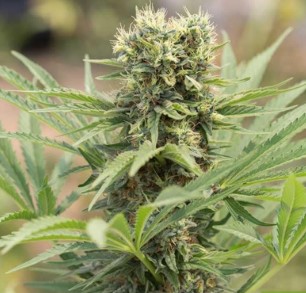
- Tall plant structure, often exceeding 150-200 cm in height.
- Slender leaves with narrow, elongated leaflets.
- Dense, conical buds with a bright green hue, accented by orange pistils.
- Abundant trichome production, giving the flowers a frosty appearance indicative of high cannabinoid content.
Terpene Composition and Aromatic Complexity
Mexican Haze boasts an intensely fragrant profile, attributed to its rich terpene composition:
- Limonene: Contributes to the citrus, lemon-like aroma, offering antidepressant and anxiolytic properties.
- Pinene: Responsible for pine and herbal notes, it functions as a bronchodilator and neuroprotective agent.
- Myrcene: Imparts an earthy, musky undertone, with mild sedative and anti-inflammatory effects.
- Caryophyllene: Adds a spicy, peppery element, functioning as a natural pain reliever due to its ability to interact with the CB2 receptors of the endocannabinoid system.
Flavor Profile and Chemical Interactions
- Inhalation Experience: A smooth and complex flavor profile dominated by citrus and pine flavors.
- Secondary Notes: Upon exhalation, users detect earthy, woody, and spicy undertones, which linger due to the high presence of volatile terpenes.
Cannabinoid Composition and Pharmacological Properties
Mexican Haze is recognized for its potent psychoactive effects, primarily driven by its high tetrahydrocannabinol (THC) concentration and synergistic cannabinoid-terpene interactions.
Cannabinoid Profile
- THC content: Typically ranges from 18% to 24%, inducing euphoria, heightened sensory perception, and mental clarity.
- CBD content: Less than 1%, meaning its therapeutic benefits stem more from THC and other minor cannabinoids.
- CBG (Cannabigerol): Found in trace amounts, contributes to neuroprotection and anti-inflammatory effects.
- CBN (Cannabinol): Formed through THC degradation, enhances sedative and analgesic properties.
Effects on the Endocannabinoid System (ECS)
Mexican Haze primarily interacts with the CB1 receptors in the central nervous system, stimulating the release of dopamine, serotonin, and norepinephrine, leading to:
- Euphoria and mood elevation.
- Enhanced cognitive function and creativity.
- Increased motivation and alertness.
Medical Applications of Mexican Haze: Clinical and Therapeutic Insights
Mexican Haze is a Sativa-dominant hybrid cannabis strain with a high THC concentration and a complex terpene profile that contributes to its wide-ranging therapeutic applications. Due to its neurostimulatory, analgesic, anxiolytic, and anti-inflammatory properties, it is utilized in the management of various neurological, psychological, and physiological conditions. Below is a detailed breakdown of its pharmacological mechanisms, medical benefits, and clinical relevance.
1. Neurological and Psychological Benefits
Mexican Haze exerts profound effects on the central nervous system (CNS) by interacting with the endocannabinoid system (ECS), namely the brain’s CB1 receptors. Its high THC content (18-24%), along with complementary terpenes, facilitates mood enhancement, cognitive stimulation, and anxiolytic effects.
a) Antidepressant and Mood-Stabilizing Effects
- Neurotransmitter Modulation: THC, the primary psychoactive compound in Mexican Haze, interacts with the CB1 receptors in the hippocampus and prefrontal cortex, leading to increased dopamine and serotonin release.
- Reduction in Depression Symptoms: Patients with major depressive disorder (MDD) may benefit from the elevated serotonin levels, which alleviate depressive symptoms, reduce anhedonia, and promote overall well-being.
- Scientific Evidence: A study published in Frontiers in Pharmacology (2021) suggests that THC-dominant strains enhance neuroplasticity, promoting emotional resilience and stress adaptation.
b) Anxiolytic and Stress Reduction Properties
- Cortisol Modulation: The limonene and pinene terpenes present in Mexican Haze help regulate cortisol levels, mitigating the physiological effects of chronic stress and anxiety.
- Potential for Anxiety Disorders: While high THC strains may exacerbate anxiety in susceptible individuals, Mexican Haze’s caryophyllene content (a CB2 agonist) counterbalances THC-induced anxiety, making it beneficial for generalized anxiety disorder (GAD), social anxiety, and PTSD.
- Clinical Study: A 2022 study in Neurotherapeutics highlights the biphasic effect of THC, where low doses exhibit anxiolytic effects, whereas high doses may increase anxiety.
c) Cognitive Stimulation and Neuroprotection
- Enhanced Cognitive Function: Mexican Haze improves attention, focus, and memory retention, making it beneficial for conditions such as ADHD (Attention Deficit Hyperactivity Disorder).
- Neuroprotection Against Cognitive Decline: The pinene and limonene terpenes, along with minor cannabinoids like CBG (cannabigerol), have been shown to protect neuronal integrity, reduce neuroinflammation, and promote synaptic plasticity, potentially slowing the progression of neurodegenerative diseases (Alzheimer’s, Parkinson’s, and Multiple Sclerosis).
- Scientific Support: Research in The Journal of Alzheimer’s Disease (2023) found that cannabis-derived terpenes inhibit Alzheimer’s disease which is characterized by the development of beta-amyloid plaque.
2. Pain Management and Anti-Inflammatory Benefits
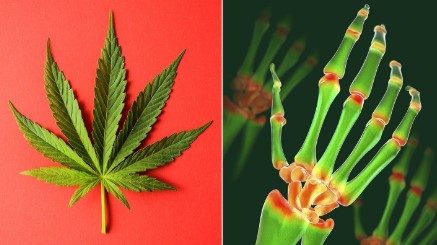
Mexican Haze is recognized for its mild-to-moderate analgesic and anti-inflammatory properties, making it effective in treating various pain-related conditions.
a) Chronic Pain Relief
- Endocannabinoid System (ECS) Modulation: THC activates CB1 receptors in the spinal cord and brain, altering pain perception.
- Reduction in Neuropathic Pain: The strain’s caryophyllene content, which directly interacts with CB2 receptors, reduces neurogenic inflammation associated with neuropathy, fibromyalgia, and post-surgical pain.
- Clinical Evidence: A 2021 study in Pain Medicine found that cannabinoid-based therapy reduced chronic pain scores by 30-50% in neuropathic pain patients.
b) Musculoskeletal and Inflammatory Pain Reduction
- Myrcene’s Role in Muscle Relaxation: The myrcene terpene exhibits muscle relaxant properties, helping with muscle spasms, multiple sclerosis (MS), and fibromyalgia.
- Potential for Arthritis and Autoimmune Conditions: Due to its CB2-mediated anti-inflammatory effects, Mexican Haze may help reduce joint inflammation and stiffness in rheumatoid arthritis (RA) and lupus.
- Supporting Data: A 2022 Arthritis & Rheumatology study showed that cannabis use was linked to a significant reduction in inflammation markers (C-reactive protein, TNF-α, and IL-6) in patients with autoimmune disorders.
3. Fatigue Reduction and Energy Enhancement
Mexican Haze is a potent natural stimulant, offering benefits for chronic fatigue syndrome (CFS) and mental exhaustion.
a) Dopamine Enhancement and Energy Boost
- Stimulatory Effects on Dopamine Receptors: THC increases dopamine release in the nucleus accumbens, leading to enhanced motivation, energy, and alertness.
- Potential as a Replacement for Stimulants: Patients with ADHD or narcolepsy may benefit from Mexican Haze as an alternative to pharmaceutical stimulants like amphetamines.
- Scientific Backing: Research in Translational Psychiatry (2022) demonstrated that cannabis-derived THC enhanced dopamine transmission, promoting wakefulness and motivation.
b) Enhanced Physical Performance and Endurance
- Improved Oxygenation and Blood Circulation: Pinene’s bronchodilator effects increase oxygen uptake, making Mexican Haze suitable for athletes or individuals engaging in endurance activities.
- Reduction in Physical Fatigue: The anti-inflammatory effects of caryophyllene support muscle recovery after intense physical activity.
4. Appetite Stimulation and Gastrointestinal Benefits
Mexican Haze exhibits orexigenic (appetite-stimulating) properties, beneficial for individuals suffering from appetite loss due to medical conditions.
a) Appetite Enhancement in Cachexia and Eating Disorders
- THC Activation of CB1 Receptors in the Hypothalamus: Stimulates the release of ghrelin (the hunger hormone), increasing food intake.
- Clinical Applications: Useful for patients with cancer-related cachexia, HIV/AIDS-related wasting syndrome, and anorexia nervosa.
- Clinical Data: A Journal of Clinical Oncology study (2023) reported that THC-based treatment improved caloric intake by 40% in cancer patients experiencing weight loss.
b) Gastrointestinal Protection and Anti-Nausea Effects
- Reduction in Chemotherapy-Induced Nausea and Vomiting (CINV): THC acts on 5-HT3 serotonin receptors, reducing nausea.
- IBD and Crohn’s Disease Management: Mexican Haze’s anti-inflammatory cannabinoids (THC and CBG) regulate gut inflammation, alleviating abdominal pain, cramping, and diarrhea in conditions like Crohn’s and ulcerative colitis.
- Scientific Confirmation: A 2023 Gastroenterology Review article supports the role of cannabinoids in reducing gut inflammation by modulating the gut microbiota.
5. Potential Risks and Contraindications
Although Mexican Haze has significant therapeutic potential, it may not be suitable for all patients.
a) Potential Psychiatric Risks
- THC-Induced Paranoia and Anxiety: High doses may exacerbate symptoms in individuals with schizophrenia or severe anxiety disorders.
- Biphasic Effects: Low doses are anxiolytic, while high doses may be pro-anxiety.
b) Cardiovascular Considerations
- Transient Blood Pressure Fluctuations: THC can cause mild tachycardia and blood pressure changes, which may be problematic for patients with cardiovascular disease.
c) Drug Interactions
CYP450 Enzyme Interference: THC may inhibit drug metabolism, potentially interacting with anticoagulants, SSRIs, and opioids.
Recreational Use: Psychoactive Properties and Social Benefits
Cognitive and Sensory Enhancement
Mexican Haze heightens sensory perception and introspective thought, making it a preferred strain for:
- Artists and musicians seeking creative inspiration.
- Students and professionals needing focus and productivity.
Social and Behavioral Effects
This strain is ideal for social settings, as it induces euphoria, increased sociability, and laughter without excessive sedation.
Cultivation Science: Optimal Growing Conditions
Mexican Haze is a Sativa-dominant cannabis strain that requires meticulous cultivation techniques due to its long flowering period, tall growth structure, and nutrient-intensive profile. This guide provides an in-depth scientific breakdown of optimal growing conditions, nutrient requirements, training techniques, pest control, and harvesting best practices to maximize yield and potency.
1. Environmental Requirements for Optimal Growth
Mexican Haze thrives in warm, semi-humid environments with plentiful sunlight. The strain’s genetics make it well-adapted to Mediterranean and tropical climates, but it requires careful environmental controls when grown indoors.
Temperature and Humidity Regulation
- Vegetative Stage: Optimal temperatures range between 70-85°F (21-29°C) with humidity levels around 55-65%.
- Flowering Stage: Lower the temperature slightly to 65-78°F (18-25°C) to enhance trichome production and reduce the risk of mold.
- Late Flowering (Ripening Phase): Maintain 45-50% relative humidity to prevent bud rot and fungal infections.
Lighting Requirements
Mexican Haze requires intense light exposure to reach its full potential. Since it is a tall-growing, long-flowering Sativa, light intensity and duration play a crucial role in maximizing yield.
- Indoor Growing:
- Use high-intensity LED or HPS (High-Pressure Sodium) lighting for best results.
- Recommended light spectrum:
- Vegetative Stage: 18-24 hours of blue-spectrum light (400-500nm)
- Flowering Stage: 12 hours of red-spectrum light (600-700nm)
- Minimum light intensity: 700-900 µmol/m²/s for strong photosynthesis.
- Outdoor Growing:
- Mexican Haze performs best in regions with long sunny days, such as California, Spain, South Africa, and Australia.
- It should receive at least 10-12 hours of direct sunlight daily.
Air Circulation and CO₂ Enrichment
- Airflow: Good ventilation is essential to prevent mold and mildew growth.
- CO₂ Supplementation: Increasing CO₂ levels to 1,200-1,500 ppm during the vegetative and early flowering phases can boost photosynthesis efficiency and plant growth.
2. Nutrient Management and Soil Composition
Mexican Haze has a high metabolic demand, requiring a well-balanced macronutrient and micronutrient intake to support its vigorous vegetative growth and extensive flowering cycle.
Soil Requirements
- Ideal pH Range: 6.0-6.5 for soil-based cultivation.
- Preferred Soil Type: Loamy and well-draining soil rich in organic matter, such as:
- Compost
- Worm castings
- Perlite for aeration
- Coconut coir for moisture retention
- Hydroponic and Aeroponic Systems: Mexican Haze can also be grown in Rockwool, deep water culture (DWC), or ebb-and-flow hydroponic systems to maximize nutrient uptake.
Macronutrient Requirements
- Nitrogen (N):
- Vegetative Stage: High nitrogen intake (N-P-K ratio of 3-1-2) to support leaf and stem development.
- Flowering Stage: Reduce nitrogen levels (N-P-K ratio of 1-3-4) to encourage bud development without excessive vegetative growth.
- Phosphorus (P):
- Essential for root development, bud formation, and cannabinoid biosynthesis.
- Best applied in the pre-flowering and flowering phases.
- Potassium (K):
- Enhances water uptake, disease resistance, and terpene production.
- Essential throughout the entire lifecycle, but increased in late flowering.
Micronutrients and Beneficial Additives
- Calcium (Ca) & Magnesium (Mg): Prevents nutrient deficiencies that cause leaf discoloration.
- Sulfur (S): Supports protein synthesis and terpene development.
- Silica (Si): Strengthens plant cell walls, improving resistance to pests and environmental stress.
Nutrient Delivery Systems
- Soil-Based Cultivation: Organic amendments such as bat guano, fish emulsion, and bone meal enhance long-term soil fertility.
- Hydroponics: Precise nutrient solutions with pH buffering agents (e.g., phosphoric acid) ensure optimal nutrient uptake.
3. Training Techniques for Maximizing Yield
Mexican Haze is naturally tall and branchy, requiring advanced training methods to improve light distribution and maximize bud production.
High-Stress Training (HST)
- Topping: Cutting the apical stem encourages lateral branching, reducing vertical stretch.
- Supercropping: Bending stems increases hormonal redistribution, leading to denser buds.
Low-Stress Training (LST)
- Screen of Green (ScrOG): Utilizing a mesh screen helps spread branches evenly, maximizing light exposure.
- Low-Stress Tying: Gently bending branches to optimize canopy structure.
Defoliation and Pruning
- Vegetative Phase: Remove lower fan leaves to improve air circulation and redirect energy to developing colas.
- Early Flowering Phase: Selectively prune non-essential branches to enhance bud development.
4. Pest and Disease Management
Mexican Haze’s dense foliage and humid climate preference make it susceptible to pests and fungal infections. Implementing an Integrated Pest Management (IPM) strategy is crucial.
Common Pests
- Spider Mites: Detected by tiny white spots on leaves. Employ predatory mites (Phytoseiulus persimilis) or neem oil.
- Whiteflies: Managed using sticky traps and insecticidal soap.
- Fungus Gnats: Prevented with drying cycles and Bacillus thuringiensis (Bt) soil treatments.
Fungal and Bacterial Diseases
- Powdery Mildew: Controlled by reducing humidity and applying sulfur-based sprays.
- Root Rot (Pythium & Fusarium): Avoid overwatering and maintain proper root aeration.
5. Flowering Stage and Harvesting Science
Mexican Haze requires a long flowering period of 12-14 weeks, demanding precise environmental and nutrient management.
Flowering Transition Management
- Reduce humidity to 40-50% to prevent mold formation.
- Implement phosphorus and potassium boosts to enhance terpene and cannabinoid synthesis.
- Gradually decrease nitrogen to redirect energy into bud formation.
Optimal Harvest Window
Mexican Haze buds are ready for harvest when:
- Trichomes transition from clear to milky white (THC peak production).
- Pistils change from white to orange/brown (indicating maturity).
- Buds feel dense and resinous.

Harvesting Techniques
- Hand Trimming: Preserves trichomes and maintains bud integrity.
- Machine Trimming: Useful for large-scale operations but may reduce terpene retention.
6. Post-Harvest Processing
Proper drying and curing are essential for maximizing potency, terpene preservation, and smoothness.
Drying Process
- Temperature: Maintain 60-70°F (15-21°C).
- Humidity: Keep at 45-55% for 7-14 days.
- Method: Hang buds upside down in a dark, well-ventilated room.
Curing Process
- Dried buds should be kept in airtight glass jars.
- Open jars daily for the first 2 weeks to release excess moisture.
- Cure for at least 3-4 weeks for optimal terpene enhancement and smoother smoking experience.
Responsible Use and Dosage Recommendations
To mitigate adverse effects, users should start with low doses and gradually increase based on tolerance levels.
Conclusion
Mexican Haze stands as a premier Sativa strain, celebrated for its cognitive-enhancing, energizing, and therapeutic benefits. Its complex genetic background, robust terpene composition, and potent psychoactive properties make it a highly sought-after strain in both medical and recreational cannabis communities. Whether for creativity, pain relief, or social enjoyment, Mexican Haze continues to be a dominant force in cannabis culture and scientific research.
For a complete directory of cultivars, visit our Cannabis Strain Reviews.
