Table of Contents
Merlot OG is a rare, potent Indica-dominant cannabis strain known for its deeply relaxing effects, rich aroma, and complex terpene profile. This strain has gained popularity among medical and recreational users alike due to its ability to provide full-body relaxation while still allowing for mild cerebral stimulation. With a strong genetic lineage, high THC content, and therapeutic benefits, Merlot OG is often chosen for nighttime use and symptom relief.
This guide explores the genetics, effects, medical applications, recreational benefits, and scientific insights into the Merlot OG cannabis strain.
Genetic Background
Merlot OG is an Indica-dominant hybrid, typically featuring a 70% Indica and 30% Sativa genetic composition. It is believed to be a cross between OG Kush and Granddaddy Purple, two legendary strains recognized for their strong sedative properties and deep, complex flavors.
- OG Kush contributes to Merlot OG’s high THC levels, earthy aroma, and euphoric effects.
- Granddaddy Purple enhances its body-heavy relaxation, berry-like aroma, and sedative effects.
This combination results in a powerful Indica strain that delivers soothing body effects while maintaining mild mental stimulation.
Appearance, Aroma, and Flavor Profile
Appearance
Merlot OG plants exhibit characteristics of Indica-dominant strains, including:
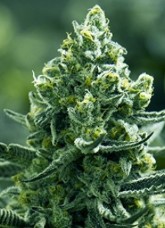
- With large, dark green leaves, the structure is compact and bushy.
- Thick trichome-covered buds that are dense and sticky.
- Deep purple hues interwoven with fiery orange pistils, giving it an eye-catching aesthetic.
Aroma
Merlot OG has a rich and layered terpene profile, producing an aroma that combines earthy, sweet, and fruity notes. Commonly reported scents include:
- Earthy and piney tones from OG Kush genetics.
- Sweet grape and berry notes, reminiscent of its Granddaddy Purple lineage.
- Hints of vanilla and spice, adding complexity to its fragrance.
Flavor
The flavor of Merlot OG mirrors its aroma, offering a smooth and pleasant smoking or vaping experience. Users often describe it as:
- Sweet and fruity, with pronounced grape and berry flavors.
- Earthy and woody, balancing its sweetness with rich, herbal undertones.
- Subtle spiciness, enhancing its depth and making it a satisfying strain for connoisseurs.
Cannabinoid Content
Merlot OG is known for its high THC levels, typically ranging from 20% to 26%, depending on cultivation and phenotype. It has low CBD content, generally below 1%, making it more suitable for THC-driven effects rather than CBD-dominant therapeutic uses.
- THC: 20-26%
- CBD: 0.2-1%
- CBN: ~0.1%
- Terpenes: Myrcene, Caryophyllene, Limonene
Medical Uses of Merlot OG Cannabis Strain
Merlot OG is an Indica-dominant hybrid known for its high THC content (20-26%) and low CBD levels (<1%), making it particularly effective for conditions that benefit from strong psychoactive and physiological effects. Below is an in-depth scientific analysis of how Merlot OG interacts with the human body to provide therapeutic benefits.
1. Mechanism of Action: How Merlot OG Affects the Body
Merlot OG exerts its medicinal effects through the endocannabinoid system (ECS), a complex cell-signaling system that regulates pain, mood, appetite, and sleep. The primary cannabinoids in Merlot OG, THC and minor amounts of CBD, interact with two main receptors:
- CB1 Receptors (located in the brain and central nervous system): THC binds strongly to CB1 receptors, producing euphoria, pain relief, muscle relaxation, and sedation.
- CB2 Receptors (found in immune tissues and peripheral nervous system): Modulates inflammation and immune response, contributing to its effectiveness for conditions involving chronic inflammation.
Additionally, Merlot OG contains terpenes such as myrcene, caryophyllene, and limonene, which enhance its medical benefits through the entourage effect—the synergistic interaction between cannabinoids and terpenes.
2. Pain Management and Analgesic Effects
Merlot OG is a highly effective analgesic due to its strong CB1 receptor activation, which inhibits pain perception in the brain. It is particularly beneficial for:
- Neuropathic Pain (e.g., sciatica, multiple sclerosis, diabetic neuropathy)
- Inflammatory Pain (e.g., arthritis, fibromyalgia, Crohn’s disease)
- Musculoskeletal Pain (e.g., muscle spasms, chronic back pain)
- Post-Surgical Pain
Scientific Basis for Pain Relief
- THC interacts with CB1 receptors in the central nervous system to reduce pain perception by altering neurotransmitter release in the spinal cord.
- Caryophyllene (a terpene in Merlot OG) binds to CB2 receptors, reducing inflammation without producing a strong psychoactive effect.
- Myrcene has muscle-relaxant properties, which help with tension-related pain.
A 2021 study published in the Journal of Pain Research found that cannabis strains with high THC and myrcene content (like Merlot OG) provide effective relief for neuropathic and chronic pain conditions.
3. Insomnia and Sleep Disorders
Due to its potent sedative properties, Merlot OG is an excellent choice for individuals struggling with insomnia and other sleep disorders.
- Reduces Sleep Latency: Helps users fall asleep faster.
- Enhances Sleep Duration: Increases total sleep time, particularly slow-wave (deep) sleep.
- Reduces Nighttime Wakefulness: Helps maintain continuous sleep cycles.
Scientific Basis for Sleep Induction
- THC shortens REM sleep, which may benefit people with PTSD by reducing nightmares.
- Myrcene acts as a natural sedative, working similarly to barbiturates by increasing GABAergic activity.
- Limonene has anxiolytic effects, reducing stress-induced insomnia.
A 2019 study in Frontiers in Pharmacology reported that Indica-dominant cannabis strains with a high THC-to-CBD ratio significantly improved sleep efficiency in patients with chronic insomnia.
4. Anxiety and Stress Reduction
Merlot OG provides strong anxiolytic effects, helping reduce symptoms of:
- Generalized Anxiety Disorder (GAD)
- Panic Disorder
- Post-Traumatic Stress Disorder (PTSD)
- Obsessive-Compulsive Disorder (OCD)
Scientific Basis for Anxiolytic Effects
- THC, in low to moderate doses, reduces anxiety through CB1 receptor activation in the amygdala (the brain’s fear center).
- Limonene increases serotonin levels, acting similarly to SSRIs (selective serotonin reuptake inhibitors).
- Caryophyllene modulates cortisol levels, reducing stress responses.
However, high doses of THC can exacerbate anxiety in sensitive individuals, making controlled dosing crucial.
5. Anti-Inflammatory and Autoimmune Support
Merlot OG is highly effective for inflammation-based conditions, including:
- Rheumatoid arthritis and osteoarthritis
- Inflammatory bowel diseases (Crohn’s disease, ulcerative colitis)
- Lupus and other autoimmune disorders
Scientific Basis for Anti-Inflammatory Properties
- THC reduces cytokine production, decreasing the body’s inflammatory response.
- Caryophyllene binds to CB2 receptors, exerting anti-inflammatory effects without psychoactivity.
- Flavonoids found in cannabis suppress oxidative stress, further aiding in inflammation control.
A 2020 study in Nature Reviews Rheumatology highlighted cannabinoids as potential alternatives to NSAIDs for treating chronic inflammatory diseases.
6. Muscle Spasms and Neurological Disorders
Merlot OG is beneficial for muscle-related conditions, particularly those involving spasticity and tremors:
- Multiple Sclerosis (MS)
- Parkinson’s Disease
- Spinal Cord Injuries
Scientific Basis for Muscle Relaxation
- THC modulates motor neuron activity, reducing involuntary muscle contractions.
- Myrcene and linalool possess natural muscle-relaxing properties, similar to benzodiazepines.
- THC increases anandamide levels, a natural cannabinoid that regulates muscle coordination.
The Journal of Neurology (2021) reported that Indica-dominant cannabis strains significantly reduce MS-related muscle spasms.
7. Appetite Stimulation and Gastrointestinal Support
Merlot OG is known for its strong appetite-stimulating effects, making it useful for:
- Cancer patients undergoing chemotherapy (to counteract nausea and loss of appetite).
- HIV/AIDS patients suffering from cachexia (wasting syndrome).
- Eating disorders such as anorexia nervosa.
Scientific Basis for Appetite Stimulation
- THC activates CB1 receptors in the hypothalamus, stimulating hunger signals.
- Limonene enhances dopamine release, which increases the pleasure associated with eating.
A 2018 study in Cannabis and Cannabinoid Research found that THC-rich cannabis strains significantly increased caloric intake in patients with anorexia and chemotherapy-induced nausea.
8. Mood Disorders and Depression
Merlot OG has potential benefits for individuals suffering from mood disorders due to its effects on serotonin and dopamine regulation.
Scientific Basis for Antidepressant Effects
- THC increases dopamine release, improving mood and motivation.
- Limonene has antidepressant properties, similar to those of selective serotonin reuptake inhibitors (SSRIs).
- CB1 receptor activation modulates serotonin pathways, stabilizing mood.
A 2020 meta-analysis in Translational Psychiatry found that cannabis use was associated with a 50 percent reduction in depressive symptoms in chronic users.
9. Potential Risks and Side Effects in Medical Use
While Merlot OG has many therapeutic benefits, it may cause side effects, particularly in sensitive either alone or in large quantities.
| Side Effect | Cause | Mitigation Strategy |
|---|---|---|
| Dry Mouth | THC reduces saliva production | Increase water intake |
| Dry Eyes | Cannabinoids reduce tear production | Use lubricating eye drops |
| Dizziness | Sudden blood pressure changes | Start with a low dose |
| Paranoia or Anxiety | High THC doses in sensitive users | Use smaller doses, combine with CBD |
| Short-Term Memory Impairment | THC affects hippocampal function | Avoid tasks requiring focus while medicated |
Long-term use of high-THC strains may lead to tolerance buildup, requiring dosage adjustments over time.
Cultivation Information
Growth Stages and Their Cultivation Needs
A. Germination Stage (0-7 Days)
- Method: Germinate Merlot OG seeds using the paper towel method or directly in pre-moistened rockwool cubes.
- Temperature: Maintain 22-26°C (72-78°F) for optimal germination rates.
- Humidity: Keep humidity at 70-80% to prevent seed desiccation.
- Light Exposure: Use low-intensity LED or fluorescent lights (24 hours of light is ideal at this stage).
- Medium: Seedlings should be planted in light, aerated soil with a pH of 6.2-6.5.
B. Vegetative Stage (2-6 Weeks)
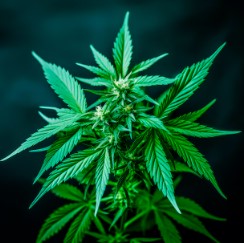
- Light Cycle: 18 hours of light and 6 hours of darkness.
- Temperature: 22-28°C (72-82°F).
- Humidity: 50-60 percent to support leaf development and root expansion.
- Growth Rate: Expect one to two inches of growth per day under optimal conditions.
Nutrient Requirements:
- Nitrogen (N): High levels to promote leaf and stem growth.
- Phosphorus (P): Moderate levels for root expansion.
- Potassium (K): Helps with cell function and disease resistance.
During this stage, Merlot OG benefits from silica supplementation to strengthen stems and improve resistance to pathogens.
C. Flowering Stage (7-9 Weeks)
- Light Cycle: 12 hours of light and 12 hours of darkness.
- Temperature: 20-26°C (68-78°F) to prevent terpene degradation.
- Humidity: 40-50 percent to reduce mold risk.
- CO₂ Enhancement: Introducing CO₂ levels of 1000-1200 ppm increases bud density.
Nutrient Requirements in Flowering Phase
| Week | Nitrogen (N) | Phosphorus (P) | Potassium (K) | Additional Notes |
|---|---|---|---|---|
| 1-2 | Medium | Medium | High | Start PK booster |
| 3-4 | Low | High | High | Maximize bud formation |
| 5-6 | Very Low | Very High | Very High | Peak THC production |
| 7-8 | None | High | High | Start flushing with pH-balanced water |
Limonene and myrcene, two dominant terpenes in Merlot OG, are temperature-sensitive and degrade above 26°C. Keeping temperatures lower preserves aromatic complexity.
Advanced Cultivation Techniques for Higher Yield
A. High-Stress Training (HST)
- Topping: Cutting the main stem early in vegetative growth encourages lateral growth, leading to a bushier structure.
- Supercropping: Gently bending branches without breaking them stresses the plant slightly, which boosts cannabinoid production.
B. Low-Stress Training (LST)
- Bending young stems outward and tying them down improves light exposure across all bud sites.
- Reduces height, making it ideal for indoor growers with limited vertical space.
C. Sea of Green (SOG)
- Growing multiple small Merlot OG plants close together in a single canopy maximizes space efficiency.
- Reduces vegetative time by keeping plants small, leading to faster harvest cycles.
D. Screen of Green (ScrOG)
- A horizontal net is placed above plants, allowing growers to train branches along the screen.
- Promotes even light distribution, increasing bud size and yield.
Pest and Disease Management
Merlot OG, like many dense Indica strains, is prone to powdery mildew, spider mites, and fungal infections due to its compact structure.
A. Common Pests
| Pest Type | Symptoms | Solution |
|---|---|---|
| Spider Mites | Yellow speckles, webbing | Neem oil, predatory mites (Phytoseiulus persimilis) |
| Fungus Gnats | Root rot, stunted growth | Sticky traps, beneficial nematodes |
| Aphids | Curling leaves, honeydew secretion | Insecticidal soap, ladybugs |
B. Mold and Fungal Prevention
- Air Circulation: Maintain proper ventilation with oscillating fans.
- Humidity Control: Keep humidity below 50 percent during flowering.
- Hydrogen Peroxide Spray: A one to three percent H₂O₂ solution kills mold spores without harming plants.
Using UV-B supplemental lighting during flowering boosts THC production while inhibiting fungal growth.
Harvesting and Post-Harvest Techniques
A. Identifying the Right Harvest Time
- Trichomes: When 50-70 percent of trichomes turn milky white, the THC potency is at its peak.
- Pistil Color: 80 percent of pistils should turn orange or brown before harvest.
B. Drying and Curing
- Drying Temperature: 18-22°C (65-72°F)
- Drying Humidity: 45-55 percent
- Time Required: Seven to fourteen days, depending on bud density.
- Curing: Place buds in glass jars, burp daily for two weeks to enhance flavor and smoothness.
The slow curing process activates additional terpenes, improving flavor complexity and smoothness.
Yield Expectations
- Indoor Yield: 400-500 grams per square meter under LED or HPS lights.
- Outdoor Yield: 500-600 grams per plant in optimal sunny conditions.
Using organic compost teas improves terpene development, giving Merlot OG a richer, more pronounced grape-like aroma.
Conclusion
Merlot OG is a premium Indica-dominant hybrid that delivers a powerful body high, deep relaxation, and a smooth, flavorful experience. Whether used for pain relief, stress reduction, sleep aid, or recreational enjoyment, this strain remains a top choice for cannabis enthusiasts seeking potency and therapeutic benefits.
Its rich genetic lineage, complex terpene profile, and medicinal properties make it a highly sought-after strain in the cannabis community. Proper cultivation techniques and moderate consumption ensure the best experience for both medical and recreational users.
Final Thoughts
For those looking for a strong, relaxing strain with a grape-like aroma and a smooth, euphoric high, Merlot OG is an excellent option. It is best suited for evening use and for individuals needing a potent remedy for pain, insomnia, and anxiety.
For a complete directory of cultivars, visit our Cannabis Strain Reviews.
