Table of Contents
Mendo Breath is a potent and unique Indica-dominant hybrid strain that has gained significant recognition for its relaxing effects, rich flavor profile, and high THC content. Known for its ability to induce deep physical relaxation and euphoria, Mendo Breath is widely sought after for both medicinal and recreational use. This comprehensive guide explores the strain’s genetic background, medical and recreational benefits, THC and CBD composition, terpene profile, cultivation techniques, and potential side effects.
1. Genetic Background of Mendo Breath
Mendo Breath is a cross between OG Kush Breath (OGKB) and Mendo Montage. These two parent strains contribute to Mendo Breath’s signature potency, rich aroma, and deeply sedative effects.
- OG Kush Breath (OGKB): A descendant of Girl Scout Cookies (GSC), OGKB is known for its high THC content, euphoric effects, and signature sweet and earthy flavors.
- Mendo Montage: A hybrid strain that enhances Mendo Breath’s relaxing properties and complex terpene profile, contributing to its earthy and vanilla-like aroma.
The resulting strain has a 70% Indica and 30% Sativa genetic composition, making it an excellent choice for users looking for body relaxation combined with a mild cerebral uplift.
2. Appearance, Aroma, and Flavor Profile
Appearance
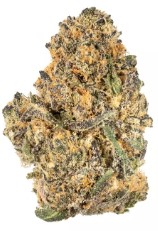
Mendo Breath is visually striking, with dense, tightly packed buds covered in a frosty layer of trichomes. The coloration is a mix of deep green and purple hues, with fiery orange pistils weaving through the bud structure.
Aroma
Mendo Breath has a strong and complex aroma profile, featuring:
- Sweet vanilla and caramel notes
- Hints of earthy and piney undertones
- A subtle spice and mint scent
Flavor
When consumed, Mendo Breath delivers a rich, smooth smoke that blends sweet, earthy, and slightly minty flavors. Users often describe it as a dessert-like strain, making it a favorite among those who enjoy flavorful cannabis experiences.
3. THC and CBD Content
Mendo Breath is highly potent, with THC levels typically ranging between 19% and 25%. Some well-cultivated phenotypes can reach 26% THC or higher, making it a powerful strain not recommended for beginners.
- THC: 19% – 25%
- CBD: Less than 1%
- CBG: ~1%
Despite its low CBD content, Mendo Breath’s high THC levels contribute to significant therapeutic effects, making it a valuable strain for medical cannabis users.
4. Medical Uses of Mendo Breath
Mendo Breath is a highly potent Indica-dominant hybrid with a strong sedative effect, analgesic properties, and stress-relieving capabilities. Due to its high THC content (19-25%) and rich terpene profile, it is widely used in medical cannabis applications. Below is a detailed breakdown of its medicinal benefits, focusing on how it interacts with the body and the conditions it is commonly used for.

Pain Management and Analgesic Effects
Mendo Breath is an effective natural analgesic due to its ability to reduce pain perception and relax muscles. It is commonly used for chronic and acute pain conditions, including:
- Neuropathic Pain (caused by nerve damage, such as in multiple sclerosis or diabetic neuropathy)
- Inflammatory Pain (such as arthritis, tendonitis, and fibromyalgia)
- Post-Surgical Pain (for recovery and inflammation reduction)
- Migraine Relief (reduces the severity and duration of headaches)
- Muscle Tension and Cramps (commonly used for conditions like multiple sclerosis and spasticity)
Mechanism of Action:
- THC interacts with CB1 receptors in the brain and spinal cord, reducing pain signaling.
- Caryophyllene, a dominant terpene in Mendo Breath, binds to CB2 receptors, providing additional anti-inflammatory and pain-relieving effects.
- Myrcene contributes to muscle relaxation, making this strain useful for chronic pain and muscle spasms.
Insomnia and Sleep Disorders
Mendo Breath is one of the most effective cannabis strains for inducing sleep, making it a popular choice for people suffering from insomnia and sleep disturbances.
Conditions Treated:
- Primary insomnia (difficulty falling or staying asleep)
- Sleep apnea (reduces nighttime restlessness)
- Restless leg syndrome (RLS) (relaxes muscles and calms the nervous system)
- Chronic fatigue syndrome (CFS) (helps with sleep quality and energy restoration)
Mechanism of Action:
- Myrcene acts as a natural sedative, promoting deep sleep.
- Linalool enhances relaxation and reduces cortisol levels, aiding in sleep induction.
- THC increases slow-wave sleep (SWS), the most restorative stage of sleep.
Anxiety, Stress, and Mood Disorders
Mendo Breath provides a calming, anxiolytic effect, making it useful for treating anxiety-related disorders and chronic stress conditions.
Conditions Treated:
- Generalized Anxiety Disorder (GAD)
- Post-Traumatic Stress Disorder (PTSD)
- Obsessive-Compulsive Disorder (OCD)
- Panic Disorders
- Social Anxiety Disorder (SAD)
Mechanism of Action:
- Limonene and Linalool reduce stress hormone (cortisol) levels.
- THC interacts with the endocannabinoid system to regulate mood stability.
- Caryophyllene has mild antidepressant-like effects by modulating serotonin receptors.
Patients using Mendo Breath for anxiety report a deep sense of calm, but it is not recommended for high-dose daytime use, as its sedative effects may cause drowsiness.
Muscle Spasms and Spasticity
Mendo Breath is a muscle relaxant, making it beneficial for conditions involving involuntary muscle contractions and spasticity.
Conditions Treated:
- Multiple Sclerosis (MS) (reduces spasms and neuropathic pain)
- Cerebral Palsy (reduces muscle stiffness)
- Parkinson’s Disease (eases tremors and rigidity)
- Spinal Cord Injuries (relieves tension and pain)
Mechanism of Action:
- THC reduces muscle spasticity by modulating CB1 receptors in the spinal cord.
- Myrcene and Linalool work synergistically to reduce muscle tension and stiffness.
Mendo Breath is often preferred for nighttime use in these conditions, as its sedative effects help improve mobility and reduce pain before sleep.
Appetite Stimulation and Gastrointestinal Disorders
Mendo Breath is an effective appetite stimulant, making it beneficial for patients undergoing chemotherapy or suffering from eating disorders.
Conditions Treated:
- Cachexia (wasting syndrome)
- Anorexia nervosa
- Nausea from chemotherapy or radiation therapy
- Gastrointestinal disorders such as Crohn’s disease and IBS
Mechanism of Action:
- THC activates CB1 receptors in the hypothalamus, stimulating appetite.
- Limonene helps alleviate nausea and improves digestion.
- Caryophyllene reduces gut inflammation, aiding in conditions like IBS and Crohn’s.
Mendo Breath is particularly effective for chemotherapy patients who experience loss of appetite and nausea, as it restores hunger and prevents weight loss.
Chronic Fatigue and Mental Exhaustion
Although primarily sedative, Mendo Breath can also help with mental exhaustion by inducing a restorative, deep relaxation.
Conditions Treated:
- Chronic Fatigue Syndrome (CFS)
- Burnout and Work-Related Stress
- Mental Exhaustion from Anxiety or Depression
Mechanism of Action:
- Limonene improves mood and reduces stress-related fatigue.
- THC aids in mental detachment, promoting recovery from overstimulation.
- Caryophyllene and Linalool enhance neural relaxation.
Anti-Inflammatory and Immune Modulation Properties
Mendo Breath contains anti-inflammatory compounds that make it beneficial for immune-related disorders and inflammatory conditions.
Conditions Treated:
- Rheumatoid Arthritis (RA)
- Lupus (SLE)
- Chronic Inflammatory Conditions
- Asthma and Allergies
Mechanism of Action:
- Caryophyllene activates CB2 receptors, reducing inflammation.
- THC and Myrcene work together to lower immune system overactivity.
Mendo Breath is often used by patients with autoimmune disorders who need pain relief without excessive immune suppression.
Neurological Benefits and Neuroprotection
Mendo Breath shows neuroprotective properties, which can be beneficial for degenerative neurological diseases.
Conditions Treated:
- Alzheimer’s Disease (slows neurodegeneration)
- Parkinson’s Disease (reduces tremors and stiffness)
- Epilepsy (reduces seizure frequency in some cases)
Mechanism of Action:
- THC and CBD protect neurons by reducing oxidative stress.
- Linalool has anticonvulsant properties.
While CBD-dominant strains are generally preferred for epilepsy, Mendo Breath can provide additional symptom relief in mixed-treatment approaches.
9. Potential Side Effects for Medical Users
While Mendo Breath is beneficial for many medical conditions, it is important to consider potential side effects:
Common Side Effects:
- Dry Mouth (Cottonmouth) – Managed with hydration.
- Dry Eyes – Eye drops help alleviate discomfort.
- Dizziness or Lightheadedness – More common in new users.
- Increased Heart Rate – Can affect users prone to anxiety or heart issues.
Rare Side Effects:
Excessive Sedation – Best for nighttime use only to avoid daytime impairment.
Paranoia or Anxiety – More likely at high doses in THC-sensitive individuals.
5. Recreational Uses of Mendo Breath
Deep Relaxation and Euphoria
Mendo Breath provides a strong body high that is perfect for relaxation and stress relief. The strain is excellent for:
- Unwinding after a long day
- Meditation and deep thought
- Watching movies or listening to music
Couch-Lock and Sedation
With its heavy Indica effects, Mendo Breath is best suited for nighttime use. Users should be prepared for a strong couch-lock sensation, making it less ideal for active tasks.
Mild Euphoria and Mood Boost
Although primarily sedative, Mendo Breath also provides a mild mental uplift, promoting feelings of happiness and contentment.
6. Terpene Profile
The unique effects and aroma of Mendo Breath are due to its diverse terpene composition, including:
- Limonene: Mood elevation and stress relief
- Caryophyllene: Anti-inflammatory and pain relief
- Myrcene: Sedation and muscle relaxation
- Humulene: Appetite suppression and anti-inflammatory properties
7. Cultivation Information
Cultivating Mendo Breath requires a precise approach due to its Indica-dominant genetics and moderate-to-high growing difficulty. Scientific cultivation methods focus on optimizing environmental conditions, nutrient delivery, plant training techniques, and pest control to maximize yield and potency. Below is a detailed scientific breakdown of how to cultivate Mendo Breath successfully.
Genetic Influence on Growth Characteristics
Mendo Breath inherits compact growth, dense bud structure, and high resin production from its parent strains, OGKB and Mendo Montage. These genetic traits affect cultivation in the following ways:
- Short to Medium Height: Ideal for controlled indoor environments.
- Dense Buds with High Trichome Production: Requires good airflow to prevent mold.
- Moderate Yield Potential: Needs high-intensity light and proper training for maximum output.
Ideal Growing Conditions
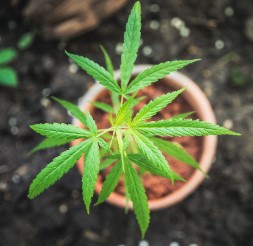
Mendo Breath thrives under specific temperature, humidity, and lighting conditions, which must be precisely controlled for optimal plant health.
Temperature and Humidity Control
- Seedling Stage:
- Temperature: 72-78°F (22-26°C)
- Humidity: 65-70%
- Rationale: High humidity supports rapid root and leaf development.
- Vegetative Stage:
- Temperature: 70-82°F (21-28°C)
- Humidity: 50-60%
- Rationale: Moderate humidity allows for robust stem and leaf development while reducing pathogen risk.
- Flowering Stage:
- Temperature: 65-78°F (18-26°C)
- Humidity: 40-50%
- Rationale: Lower humidity prevents bud rot and encourages terpene and resin production.
- Late Flowering (Final 2 Weeks):
- Temperature: 65-75°F (18-24°C)
- Humidity: 30-40%
- Rationale: Dry conditions enhance trichome production and cannabinoid potency.
Lighting Requirements
Mendo Breath responds best to high-intensity lighting for optimal photosynthesis and flower development.
- Vegetative Stage: 18/6 light cycle (18 hours light, 6 hours dark)
- Best Lights: LED (Full Spectrum, 600W-1000W) or Metal Halide (MH)
- PPFD: 500-700 µmol/m²/s for optimal chlorophyll absorption.
- Flowering Stage: 12/12 light cycle (12 hours light, 12 hours dark)
- Best Lights: High-Pressure Sodium (HPS) 1000W or Full-Spectrum LED
- PPFD: 800-1000 µmol/m²/s for maximum cannabinoid production.
- Note: Light stress can increase anthocyanin (purple pigment) production, which enhances Mendo Breath’s deep purple hues.
Soil vs. Hydroponic Cultivation
Soil Cultivation
Mendo Breath prefers rich, well-aerated, organic soil for enhanced terpene production.
- Ideal Soil Composition:
- 40% Loamy Soil (high in organic matter)
- 30% Perlite or Coco Coir (improves drainage and aeration)
- 30% Compost or Worm Castings (natural nutrient supply)
- pH Range: 6.0-6.5 (adjust with dolomite lime if necessary)
- Microbial Life: Introducing mycorrhizal fungi and beneficial bacteria (such as Trichoderma) enhances nutrient absorption and root health.
Hydroponic Cultivation
Mendo Breath can also thrive in hydroponic systems, allowing faster growth and higher yields.
- Best Hydroponic Setup: Nutrient Film Technique (NFT) or Deep Water Culture (DWC)
- Nutrient pH: 5.8-6.2 (slightly more acidic than soil)
- EC (Electrical Conductivity):
- Vegetative Phase: 1.0-1.6 mS/cm
- Flowering Phase: 1.6-2.2 mS/cm
- Oxygenation: Requires air stones and water pumps to keep the nutrient solution oxygen-rich.
Nutrient Requirements and Feeding Schedule
Mendo Breath requires a well-balanced macronutrient and micronutrient feeding regimen. Below is a stage-wise nutrient breakdown:
Vegetative Stage (Weeks 1-4)
- N-P-K Ratio: 3-1-2
- Key Nutrients:
- Nitrogen (N): Supports foliage and root growth.
- Calcium & Magnesium: Enhances stem strength and cell wall development.
- Silica: Improves disease resistance.
- Recommended Feeding: Twice a week, ensuring run-off to prevent salt buildup.
- Optimal EC: 1.2-1.6 mS/cm
Early Flowering (Weeks 5-7)
- N-P-K Ratio: 1-3-2
- Key Nutrients:
- Phosphorus (P): Stimulates flower formation.
- Potassium (K): Improves bud density and terpene production.
- Recommended Feeding: Increase phosphorus-based bloom nutrients.
- Optimal EC: 1.8-2.0 mS/cm
Late Flowering & Flush (Weeks 8-10)
- N-P-K Ratio: 0-2-3
- Key Adjustments:
- Flush with pH-balanced water (pH 6.0-6.2) during the last 7-10 days to remove residual nutrients.
- Reduce nitrogen completely to avoid harsh flavors.
- Optimal EC: 0.8-1.0 mS/cm (for final flush)
Training Techniques for Maximum Yield
To maximize the yields and potency of Mendo Breath, growers can use Low-Stress and High-Stress Training techniques:
Low-Stress Training (LST)
- Bending and Tying: Increases light penetration and lateral growth.
- Sea of Green (SOG): Encourages uniform bud sites by growing many small plants in a tight space.
High-Stress Training (HST)
- Topping (Cutting Main Stem): Encourages multiple colas instead of one dominant cola.
- Super Cropping: Involves carefully bending stems to increase nutrient flow and cannabinoid production.
Pest and Mold Management
Due to Mendo Breath’s dense bud structure, it is susceptible to powdery mildew, botrytis (bud rot), and pests like spider mites.
Preventative Measures:
- Air Circulation: Maintain consistent airflow with oscillating fans.
- Dehumidifiers: Keep RH below 50% during flowering to prevent mold.
- Neem Oil & Beneficial Insects: Prevents spider mites and thrips.
- Companion Planting: Growing marigolds or basil nearby repels pests.
Harvesting and Post-Harvest Processing

Optimal Harvest Timing
- Trichome Check: Harvest when 70% cloudy, 20% amber, and 10% clear trichomes for maximum potency.
- Pistil Observation: 80% darkened pistils indicate peak ripeness.
Drying & Curing for Terpene Preservation
- Drying Process (7-14 Days):
- Temperature: 60-70°F (15-21°C)
- Humidity: 50-60%
- Hang buds upside down in a dark, well-ventilated area.
- Curing Process (2-4 Weeks):
- Store buds in airtight glass jars.
- Burp jars daily for the first 7-10 days to release excess moisture.
- Ideal Humidity Inside Jars: 58-62% (using humidity packs).
8. Potential Side Effects
While Mendo Breath has significant therapeutic benefits, it also comes with potential side effects, including:
- Dry Mouth and Dry Eyes: Common among cannabis users
- Dizziness or Lightheadedness: More likely at higher doses
- Paranoia and Anxiety: Rare but possible for THC-sensitive individuals
- Couch-Lock: Can be overwhelming for novice users
9. Conclusion
Mendo Breath is a powerful Indica-dominant hybrid known for its deep relaxation, pain relief, and sedative effects. Its high THC content and terpene profile make it a go-to strain for medical users seeking relief from pain, anxiety, insomnia, and appetite loss. For recreational users, Mendo Breath offers a rich flavor, potent body high, and perfect relaxation for nighttime use. However, its strong effects mean it is best suited for experienced users or those seeking strong medicinal benefits.
Whether you’re looking for a flavorful cannabis experience or a potent strain for therapeutic relief, Mendo Breath is an excellent choice with long-lasting, deeply relaxing effects.
For a complete directory of cultivars, visit our Cannabis Strain Reviews.
