Table of Contents
Medicine Man, also known by its colloquial nickname “White Rhino,” is a renowned cannabis strain that has made its mark as both a potent medicinal and recreational option. Developed by Mr. Nice Seedbank, this strain is an indica-dominant hybrid with an exceptional lineage, offering users a unique balance of therapeutic benefits and a powerful high. Below is an in-depth exploration of its genetic background, chemical composition, medical uses, recreational appeal, and scientific underpinnings.
Genetic Background
Medicine Man is a hybrid strain that combines the genetics of three cannabis heavyweights: Afghan, Brazilian Sativa, and South Indian Indica. This impressive lineage is responsible for the strain’s potency and its balanced indica-to-sativa ratio. Typically, Medicine Man is considered about 80% indica and 20% sativa, though these percentages may slightly vary depending on cultivation practices.
- Afghan: Known for its hardy, resinous plants and profoundly relaxing effects, Afghan contributes to Medicine Man’s indica dominance. This landrace strain ensures a calming, sedative experience and heavy resin production, making it ideal for medicinal and recreational use.
- Brazilian Sativa: This genetic contributor adds a cerebral, uplifting element to Medicine Man, balancing out the indica’s body-heavy effects. The sativa component is subtle but contributes to a nuanced, well-rounded high.
- South Indian Indica: Known for its exotic aroma and dense buds, South Indian Indica contributes to Medicine Man’s resin production and its deeply relaxing effects.
Chemical Composition
The chemical profile of Medicine Man is characterized by its high THC content and a range of secondary cannabinoids and terpenes that enhance its therapeutic potential. Below is a summary of its main elements:
Cannabinoids
- THC (Tetrahydrocannabinol):
- Levels: Typically between 20-23%.
- Effects: Responsible for the strain’s psychoactive properties, THC contributes to euphoria, relaxation, and pain relief.
- CBD (Cannabidiol):
- Levels: Low, usually less than 1%.
- Effects: While CBD levels are low, the presence of other cannabinoids and terpenes complements the therapeutic effects of THC.
- CBG (Cannabigerol):
- Levels: Trace amounts.
- Effects: Known for its anti-inflammatory and neuroprotective properties.
Terpenes
- Myrcene:
- Effects: Sedative, relaxing, and analgesic.
- Aroma: Earthy and musky with hints of cloves.
- Limonene:
- Effects: Mood-enhancing and stress-relieving.
- Aroma: Citrus-like, uplifting scent.
- Caryophyllene:
- Effects: Anti-inflammatory and pain-relieving.
- Aroma: Spicy and peppery.
- Pinene:
- Effects: Bronchodilator and memory-enhancer.
- Aroma: Fresh pine scent.
Physical Characteristics
Medicine Man is visually striking, with dense, resin-coated buds that hint at its potency. Its physical features include:
- Color: Vibrant green buds with orange pistils and a heavy layer of trichomes that give it a frosted appearance.
- Structure: Compact and dense, characteristic of indica-dominant strains.
- Aroma and Flavor: The aroma is a blend of earthy, sweet, and woody notes, with hints of citrus and spice. The flavor profile mirrors the aroma, offering a rich, smooth smoking experience.
Medical Uses
Medicine Man has earned a reputation as a powerful medicinal strain, offering relief for a wide range of conditions. Its therapeutic effects are attributed to its high THC content, indica dominance, and synergistic terpene profile.
Pain Management
- Chronic Pain: The strain’s high THC levels and myrcene content make it highly effective in alleviating chronic pain conditions, including arthritis, fibromyalgia, and neuropathy.
- Acute Pain: Its quick-acting effects provide relief for acute pain caused by injuries or surgical recovery.
Mental Health
- Stress: The limonene terpene helps reduce stress and induce relaxation.
- Anxiety: While THC can sometimes exacerbate anxiety in high doses, the balanced effects of Medicine Man make it a suitable option for managing mild to moderate anxiety.
- Depression: The strain’s uplifting properties combat symptoms of depression by promoting a sense of euphoria and well-being.
Sleep Disorders
- Insomnia: The sedative effects of Medicine Man make it an ideal choice for individuals struggling with insomnia or other sleep disturbances. Myrcene and THC work together to induce deep, restful sleep.
Appetite Stimulation
- Anorexia and Cachexia: The strain’s appetite-stimulating properties are beneficial for individuals undergoing treatments like chemotherapy or those with eating disorders.
Neurological Disorders
- Multiple Sclerosis (MS): Medicine Man’s anti-inflammatory and muscle-relaxing properties help manage symptoms like spasticity and chronic pain in MS patients.
- Epilepsy: Although low in CBD, the entourage effect from its cannabinoids and terpenes may provide mild anticonvulsant properties.
Inflammation
- Autoimmune Conditions: The anti-inflammatory properties of caryophyllene make Medicine Man effective in managing conditions like lupus and Crohn’s disease.
Recreational Uses
Recreational users are drawn to Medicine Man for its powerful effects that balance mental stimulation with physical relaxation. Below are some of its key recreational appeals:
Euphoric High
The initial effects of Medicine Man are cerebral and uplifting, providing users with a burst of euphoria and creativity. This makes it an excellent strain for social gatherings or artistic endeavors.

Deep Relaxation
As the high progresses, the indica dominance takes over, leading to full-body relaxation. This makes Medicine Man a popular choice for unwinding after a long day or enjoying a quiet evening at home.
Enhanced Sensory Perception
Many users report heightened sensory experiences, including enhanced appreciation for music, art, and food. The strain’s unique flavor profile also makes it a treat for connoisseurs.
Longevity of Effects
Thanks to its high THC content, Medicine Man’s effects are long-lasting, making it a favorite among users who seek prolonged relaxation or pain relief.
Scientific Research and Evidence
The therapeutic effects of Medicine Man are supported by scientific studies on the individual cannabinoids and terpenes it contains. Below are some key findings:
Pain Relief
- A 2018 study published in the Journal of Pain Research found that THC and myrcene together produce significant analgesic effects, making strains like Medicine Man highly effective for chronic pain.
Anti-Inflammatory Properties
- Caryophyllene, a major terpene in Medicine Man, has been shown to activate CB2 receptors in the endocannabinoid system, reducing inflammation and associated pain (British Journal of Pharmacology, 2014).
Sleep Support
- Myrcene’s sedative effects were highlighted in a 2011 study in Phytomedicine, which found that the terpene reduces locomotor activity and promotes sleep.
Mood Enhancement
- Limonene has been studied for its anxiolytic and antidepressant properties, with research indicating its potential to reduce symptoms of stress and anxiety (BMC Complementary and Alternative Medicine, 2013).
Appetite Stimulation
- THC’s role in activating CB1 receptors in the brain’s hypothalamus has been extensively studied, showing its effectiveness in increasing appetite and reducing nausea.
Cultivation Information
Methods of Cultivation for Medicine Man
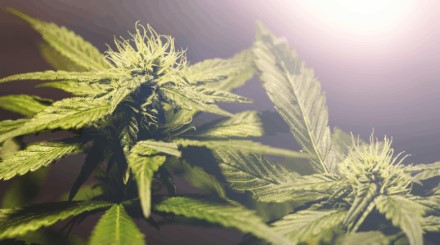
Medicine Man is an indica-dominant hybrid that thrives in well-managed growing environments. Below is a breakdown of key factors that growers should consider, along with scientific insights to optimize cultivation.
1. Genetics and Seed Selection
- Genotype: Medicine Man is a cross of Afghan, Brazilian Sativa, and South Indian Indica, making it hardy and resinous with a high THC content.
- Phenotype Variability: When selecting seeds, aim for stable genetics with uniform phenotypes to ensure consistent growth. Seed banks such as Mr. Nice Seedbank are known for their reliable Medicine Man genetics.
- Feminized Seeds: Opt for feminized seeds to eliminate the risk of male plants and maximize resin-heavy bud production.
Scientific Insight: Stable genetics ensure homogeneity, which is crucial for controlled environments where uniform growth leads to predictable yields and chemical composition.
2. Growing Medium
- Soil: Rich organic soil with a balanced pH (6.0–6.5) supports robust terpene and cannabinoid development.
- Hydroponics: Provides faster growth and higher yields but requires meticulous nutrient management.
- Coco Coir: A good compromise between soil and hydroponics; it allows better root aeration and nutrient absorption.
Scientific Insight: Studies show that soil-based growth enhances terpene profiles due to microbial activity, while hydroponics maximizes yield through direct nutrient delivery.
3. Lighting Conditions
- Light Intensity: Medicine Man thrives under high-intensity grow lights, such as LED or HPS systems. Target a range of 600–1000 PPFD (Photosynthetic Photon Flux Density) during flowering.
- Light Cycle:
- Vegetative Stage: 18–24 hours of light per day.
- Flowering Stage: Switch to 12/12 light cycles to induce flowering.
Scientific Insight: Proper light intensity and spectrum impact photosynthesis and cannabinoid synthesis. Red-dominant wavelengths during flowering enhance resin production.
4. Temperature and Humidity
- Temperature:
- Vegetative Stage: 70–85°F (21–29°C).
- Flowering Stage: 65–80°F (18–26°C) to reduce heat stress and enhance trichome production.
- Humidity:
- Vegetative Stage: 55–70% relative humidity.
- Flowering Stage: Lower humidity to 40–50% to prevent mold and mildew.
Scientific Insight: Lower temperatures during late flowering can stimulate anthocyanin production, potentially enhancing the strain’s visual appeal (e.g., purpling effects) and terpenoid profiles.
5. Nutrient Management
Medicine Man requires a well-balanced nutrient regimen for healthy growth and optimal cannabinoid production.
- Key Nutrients:
- Nitrogen (N): Crucial during the vegetative stage for leaf development.
- Phosphorus (P): Essential for bud formation and energy transfer during flowering.
- Potassium (K): Supports overall plant health, nutrient transport, and flowering.
- Micronutrients: Calcium, magnesium, and sulfur play critical roles in cell wall development, photosynthesis, and enzyme activation.
- Nutrient Ratios:
- Vegetative Stage: High N-P-K ratio (e.g., 3-1-2).
- Flowering Stage: Lower nitrogen with increased phosphorus and potassium (e.g., 1-2-3).
Scientific Insight: Excess nitrogen during flowering can delay bud development, while phosphorus and potassium boost resin production. Studies also show magnesium directly influences chlorophyll activity, impacting photosynthesis efficiency.
6. Watering Practices
- pH Range: Maintain water pH between 5.8 and 6.5 for soil and 5.5–6.2 for hydroponics to ensure nutrient availability.
- Frequency: Water when the top inch of soil is dry; overwatering can lead to root rot.
- EC Levels: Electrical conductivity (EC) should range between 1.5–2.5 mS/cm during the flowering stage.
Scientific Insight: Proper pH ensures macronutrient and micronutrient absorption. Watering schedules should mimic natural cycles to avoid stress that can affect cannabinoid production.
7. Pruning and Training Techniques
Pruning and training are essential for Medicine Man to improve airflow, light penetration, and yield.
- Topping: Cut the main stem during the vegetative stage to promote lateral growth and increase bud sites.
- Low-Stress Training (LST): Bend and tie branches to expose more bud sites to light.
- Defoliation: Remove excess fan leaves to improve airflow and reduce the risk of mold.
Scientific Insight: Training techniques like LST redistribute auxins, plant hormones responsible for growth, to secondary bud sites, leading to increased yields.
8. Flowering and Resin Production
- Flowering Period: Medicine Man typically flowers within 8–10 weeks.
- Resin Enhancement: To maximize resin production:
- Gradually reduce temperatures in the final weeks of flowering.
- Provide UVB light exposure to stimulate trichome production.
- Flush the plant with plain water 1–2 weeks before harvest to improve flavor.
Scientific Insight: Studies have shown that UVB light exposure increases cannabinoid and terpene production by stimulating the plant defense mechanisms.
9. Harvesting
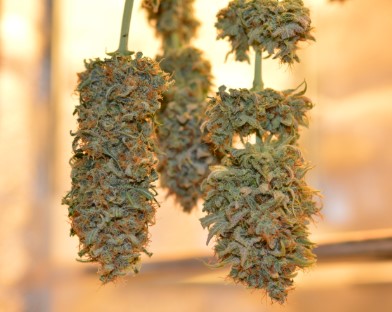
- Trichome Monitoring: Use a magnifying glass to monitor trichome color:
- Clear trichomes: Immature.
- Cloudy trichomes: Peak THC levels.
- Amber trichomes: More sedative effects due to CBN development.
- Harvest Timing: For Medicine Man signature effects, harvest when trichomes are mostly cloudy with a few amber ones.
Scientific Insight: Cannabinoid profiles change during maturation. Timing harvests based on trichome color ensures the desired balance between THC, CBN, and terpenes.
10. Curing and Storage
Proper curing and storage enhance Medicine Man flavor, aroma, and potency.
- Curing Process: Dry buds slowly in a dark, well-ventilated area at 60–70°F (15–21°C) with 50–60% humidity. Once dried, cure buds in airtight jars, opening them daily for the first 1–2 weeks to release moisture.
- Storage: Store in a cool, dark place with humidity packs to maintain 58–62% relative humidity.
Scientific Insight: Curing allows chlorophyll to break down, reducing harshness and enhancing terpene profiles. Long-term curing has also been linked to increased cannabinoid potency.
11. Pest and Disease Management
Medicine Man is naturally resistant to pests and mold, thanks to its Afghan lineage, but proactive measures are essential.
- Common Pests: Spider mites, aphids, and whiteflies can be mitigated using neem oil or biological controls like ladybugs.
- Fungal Diseases: Botrytis (bud rot) and powdery mildew are common threats, especially in humid environments.
- Preventative Measures: Ensure proper airflow, avoid overwatering, and use organic fungicides if needed.
Scientific Insight: Biological pest control methods preserve the plant terpene and cannabinoid profile, avoiding chemical residues that could compromise quality.
12. Advanced Cultivation Techniques
For experienced growers, advanced techniques can further enhance yields and quality.
- CO2 Enrichment: Introducing carbon dioxide during the vegetative and flowering stages can increase photosynthesis and yield.
- Tissue Culture: A cutting-edge method that allows for the cloning of healthy plants in sterile conditions, ensuring genetic consistency and disease resistance.
- LED Spectrum Tuning: Using LEDs with adjustable spectrums can optimize growth stages (blue light for vegetative growth, red light for flowering).
Scientific Insight: CO2 enrichment increases stomatal conductance, allowing plants to absorb more light and nutrients. Tissue culture ensures the preservation of Medicine Man genetic traits.
Methods of Ingestion for Medicine Man Cannabis Strain
The method of ingestion plays a crucial role in determining the onset, duration, and overall effectiveness of the Medicine Man cannabis strain. Below, we explore the most common methods of ingestion, including their scientific mechanisms, advantages, and considerations.
1. Smoking
Description: Smoking involves combusting dried cannabis flowers and inhaling the resulting smoke. The most conventional and popular approach is this one.
- Onset: 1-3 minutes.
- Peak Effects: 10-30 minutes.
- Duration: 1.5-3 hours.
Mechanism: The cannabinoids (THC, CBD) and terpenes in Medicine Man are rapidly absorbed into the bloodstream through the lungs. These compounds bypass the digestive system, providing fast relief.
Pros:
- Quick onset, ideal for acute pain or anxiety.
- Easier to control dosage as effects are felt almost immediately.
Cons:
- Hazardous byproducts, such as carbon monoxide and tar, are produced during combustion.
- Shorter duration of effects compared to other methods.
Scientific Insight: Studies show that smoking delivers bioavailability of THC at approximately 30%. However, high temperatures may degrade terpenes, slightly altering the entourage effect.
2. Vaporization (Vaping)
Description: Vaporizing heats cannabis to a temperature that activates cannabinoids and terpenes without combustion, producing vapor that is inhaled.
- Onset: 1-3 minutes.
- Peak Effects: 10-30 minutes.
- Duration: 1.5-3 hours.
Mechanism: Vaporization occurs at lower temperatures (350-400°F), preserving more cannabinoids and terpenes compared to smoking.
Pros:
- Cleaner and less harsh on the lungs than smoking.
- More efficient cannabinoid extraction.
- Provides full terpene profiles for enhanced effects.
Cons:
- Requires a vaporizer device, which can be costly.
- Some devices may produce lower cannabinoid concentrations if poorly maintained.
Scientific Insight: Vaporization increases THC bioavailability to about 50-60%, making it more efficient than smoking. Additionally, it maintains terpenes such as myrcene and caryophyllene, which degrade at higher combustion temperatures.
3. Edibles
Description: Edibles involve consuming cannabis-infused food or beverages, with THC and other cannabinoids metabolized in the digestive system.
- Onset: 30-120 minutes.
- Peak Effects: 2-4 hours.
- Duration: 6-8 hours (can last up to 12 hours in some users).
Mechanism: When ingested, THC is processed by the liver into 11-hydroxy-THC, a more potent metabolite that crosses the blood-brain barrier more effectively than THC alone.
Pros:
- Long-lasting results, perfect for persistent ailments like discomfort or sleeplessness.
- No impact on the lungs, making it suitable for individuals with respiratory issues.
Cons:
- Inexperienced users may overconsume due to delayed onset.
- Effects are harder to predict due to individual differences in metabolism.
Scientific Insight: Studies confirm that 11-hydroxy-THC is significantly more psychoactive than delta-9-THC, explaining the stronger and longer-lasting effects of edibles. However, variability in onset times depends on individual metabolism and whether the edibles are consumed with or without food.
4. Tinctures (Sublingual Use)
Description: Tinctures are cannabis extracts dissolved in alcohol or oil, typically administered under the tongue for rapid absorption.
- Onset: 15-30 minutes.
- Peak Effects: 1-2 hours.
- Duration: 4-6 hours.
Mechanism: Cannabinoids are absorbed through the sublingual mucosa (under the tongue), entering the bloodstream directly and bypassing the digestive system.
Pros:
- Faster onset than edibles.
- Discreet and precise dosing, as tinctures often come with droppers.
- Non-smokable method ideal for medical users.
Cons:
- Taste can be unpleasant depending on the carrier (alcohol-based tinctures may burn slightly).
- Effects can be milder compared to edibles or smoking.
Scientific Insight: Sublingual administration provides higher bioavailability than oral ingestion because it avoids first-pass metabolism. Studies suggest bioavailability ranges from 10-30% depending on the tincture formulation.
5. Capsules and Tablets
Description: Capsules contain a measured dose of cannabis oil or decarboxylated flower, ingested like traditional medication.
- Onset: 30-120 minutes.
- Peak Effects: 2-4 hours.
- Duration: 6-8 hours.
Mechanism: Like edibles, capsules are metabolized in the digestive system, where THC is converted to 11-hydroxy-THC.
Pros:
- Precise dosing for medical users.
- No taste or smell.
- Longer-lasting effects ideal for chronic conditions.
Cons:
- Delayed onset may not be suitable for acute symptoms.
- Requires fat in the diet to enhance absorption of cannabinoids.
Scientific Insight: Capsules are designed for controlled dosing, making them highly suitable for clinical applications. Pairing capsules with dietary fats enhances cannabinoid absorption due to their fat-soluble nature.
6. Topicals
Description: Topicals include creams, balms, and transdermal patches infused with cannabis, applied directly to the skin.
- Onset: 5-15 minutes for localized relief.
- Peak Effects: 1-2 hours.
- Duration: 4-6 hours (transdermal patches can last up to 12 hours).
Mechanism: Cannabinoids bind to CB2 receptors in the skin and muscle tissues, providing localized relief without entering the bloodstream.
Pros:
- No psychoactive effects, as cannabinoids typically do not reach the brain.
- Beneficial for skin disorders, inflammation, and localized pain.
- Easy to use and non-invasive.
Cons:
- Limited use for systemic conditions as it primarily targets local areas.
- Transdermal patches can be expensive.
Scientific Insight: Studies on transdermal delivery systems show promise for consistent and controlled release of cannabinoids, making it an excellent choice for chronic pain and inflammation.
7. Dabbing
Description: Dabbing involves vaporizing a concentrated cannabis extract (e.g., shatter, wax, or resin) using a specialized rig or e-nail.
- Onset: Almost immediate (within seconds).
- Peak Effects: 5-15 minutes.
- Duration: 1-3 hours.
Mechanism: Concentrates contain high levels of THC (up to 80% or more), providing rapid and intense effects through inhalation.
Pros:
- Immediate and potent effects, making it suitable for severe symptoms like acute pain or nausea.
- Small quantities are effective, reducing overall consumption.
Cons:
- For inexperienced users, high potency might be overwhelming.
- Requires specialized equipment and experience.
Scientific Insight: Dabbing preserves terpenes and cannabinoids when done at lower temperatures (300–400°F), maintaining the entourage effect. However, excessive heat can degrade these compounds.
Onset and Duration Comparisons
| Method | Onset Time | Peak Effects | Duration |
|---|---|---|---|
| Smoking | 1-3 minutes | 10-30 minutes | 1.5-3 hours |
| Vaporization | 1-3 minutes | 10-30 minutes | 1.5-3 hours |
| Edibles | 30-120 minutes | 2-4 hours | 6-8 hours |
| Tinctures (Sublingual) | 15-30 minutes | 1-2 hours | 4-6 hours |
| Capsules/Tablets | 30-120 minutes | 2-4 hours | 6-8 hours |
| Topicals | 5-15 minutes | 1-2 hours | 4-6 hours (localized) |
| Dabbing | Seconds | 5-15 minutes | 1-3 hours |
Potential Side Effects
While Medicine Man offers numerous benefits, users should be aware of potential side effects:
- Dry Mouth and Eyes: Common with high-THC strains, these effects can be managed with proper hydration.
- Dizziness: Novice users or those sensitive to THC may experience dizziness, especially at higher doses.
- Paranoia: High doses may lead to paranoia or anxiety in some users, particularly those prone to such conditions.
Conclusion
Medicine Man is a versatile cannabis strain that excels in both medical and recreational applications. Its potent effects, unique flavor profile, and robust therapeutic properties make it a favorite among patients and recreational users alike. With a rich genetic heritage and a well-balanced cannabinoid and terpene profile, Medicine Man stands out as a strain that truly lives up to its name—providing relief and enjoyment in equal measure. Whether you’re seeking relaxation, pain relief, or a euphoric high, Medicine Man offers a comprehensive cannabis experience that caters to a wide range of needs.
For a complete directory of cultivars, visit our Cannabis Strain Reviews.
