Medical Strain Analysis: White Walker CBD
Origins of White Walker CBD
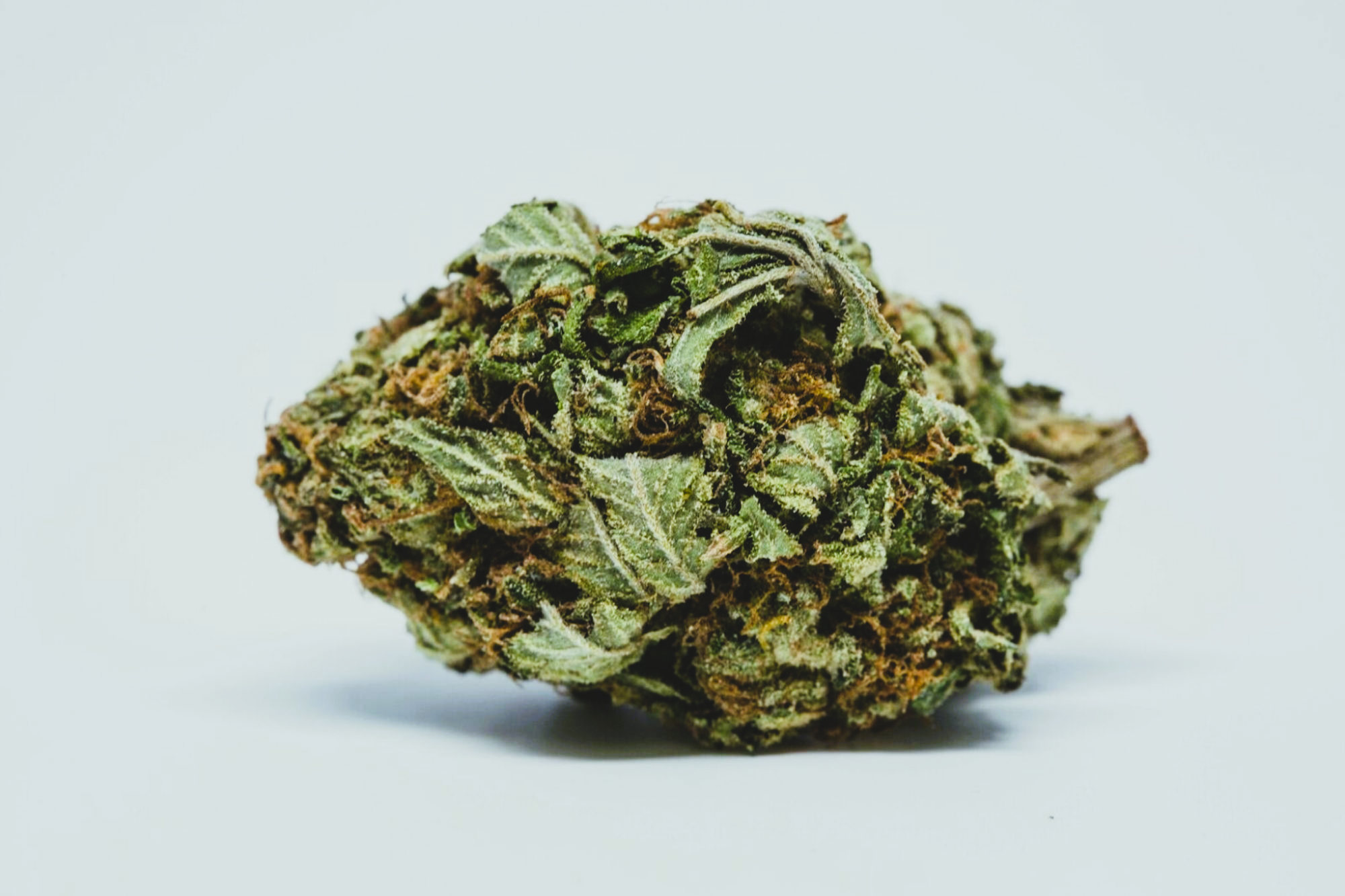
White Walker CBD, a specialized medical cannabis strain, emerged as a hybrid designed to provide exceptional therapeutic benefits without the psychoactive effects that are traditionally associated with high-THC strains. Its name derives from its distinctive frosty appearance, evoking the image of crystalline trichomes that envelop the flowers like a winter frost. The “CBD” label signifies the strain’s emphasis on cannabidiol (CBD), the non-psychoactive yet highly medicinal compound renowned for its myriad of therapeutic applications.
The origins of White Walker CBD can be traced to meticulous crossbreeding efforts by expert cultivators aiming to create a strain with high CBD content while keeping the THC levels to a minimum. It is believed to have descended from well-established high-CBD genetics, such as strains like ACDC and Charlotte’s Web, both of which are celebrated in the medical cannabis community for their ability to alleviate pain, inflammation, and neurological symptoms without the intoxicating effects caused by THC. These foundational genetics were selectively bred with other sturdy and adaptable strains to ensure that White Walker CBD achieves consistent levels of CBD, optimal growing resilience, and a stable chemical profile.
Unlike strains with fluctuating cannabinoid profiles, White Walker CBD was carefully stabilized to cater to patients who require precise and consistent doses of CBD for their medical conditions. It is grown predominantly in controlled environments where breeders can fine-tune growing parameters to preserve its genetic stability and therapeutic efficacy. Over the years, the strain has garnered attention for its purity, consistency, and ability to meet the demands of patients seeking natural, non-intoxicating solutions for various ailments.
White Walker CBD has become particularly prominent in medical dispensaries across the United States and Europe, where stringent cultivation practices ensure that the strain retains its therapeutic integrity. This strain reflects the culmination of years of research in cannabinoid science and botanical cultivation, offering hope to patients seeking alternatives to pharmaceuticals or THC-rich strains.
Chemical Profile of White Walker CBD

At the heart of White Walker CBD’s medical efficacy is its unique chemical profile, which distinguishes it from recreational strains and even many other medical cannabis varieties. White Walker CBD is predominantly characterized by a high CBD-to-THC ratio, with typical concentrations averaging around 15–20% CBD and less than 0.3–1% THC. This stark imbalance ensures that the strain provides potent therapeutic effects without producing any psychoactive or intoxicating sensations.
Cannabidiol (CBD) is the cornerstone of White Walker CBD’s medicinal benefits. As a phytocannabinoid, CBD interacts with the human body’s endocannabinoid system (ECS), a complex cell-signaling network responsible for maintaining homeostasis across various physiological processes, including pain perception, immune response, mood regulation, and neurological health. Unlike THC, which binds directly to CB1 receptors in the brain to produce psychoactive effects, CBD interacts indirectly with CB1 and CB2 receptors while also influencing non-cannabinoid receptors such as serotonin (5-HT1A) and TRPV1 receptors, which play significant roles in regulating pain, inflammation, and anxiety.
The terpene profile of White Walker CBD further enhances its therapeutic potential. Terpenes are aromatic compounds found in cannabis and other plants that contribute to the strain’s scent and also offer medicinal benefits through the entourage effect, a synergistic interaction between cannabinoids and terpenes. White Walker CBD features a calming and earthy terpene profile dominated by the following compounds:
- Myrcene: Known for its sedative and anti-inflammatory properties, myrcene helps relax muscles and alleviate pain. It is particularly beneficial for patients suffering from chronic pain, fibromyalgia, and insomnia.
- Linalool: This floral-scented terpene has anti-anxiety, anti-inflammatory, and neuroprotective effects, making it ideal for treating anxiety disorders, stress, and neurological conditions.
- Beta-Caryophyllene: A unique terpene that also acts as a cannabinoid, beta-caryophyllene binds to CB2 receptors in the immune system, offering potent anti-inflammatory and analgesic effects.
- Pinene: Known for its bronchodilator and anti-inflammatory properties, pinene improves airflow and reduces inflammation, making it helpful for respiratory conditions.
The synergistic effects of high CBD levels and this robust terpene profile make White Walker CBD a versatile and effective strain for a wide range of medical conditions. The absence of significant THC ensures that patients can experience these benefits without concerns about intoxication, addiction, or impairment, which makes White Walker CBD suitable for all age groups, including children and the elderly.
Additionally, White Walker CBD contains beneficial flavonoids, including quercetin and apigenin, which exhibit antioxidant, anti-inflammatory, and neuroprotective properties. These compounds further support the strain’s role in reducing oxidative stress, promoting cellular health, and protecting neurological functions.
Medical Benefits of White Walker CBD

White Walker CBD’s high-CBD, low-THC composition makes it particularly suited for medical patients seeking symptom relief without psychoactivity. Its comprehensive chemical profile provides therapeutic effects that address a variety of medical conditions, making it one of the most valuable tools in cannabinoid-based medicine.
1. Pain Management
Chronic pain is one of the most challenging conditions to treat, often requiring long-term pharmaceutical interventions that come with adverse side effects. White Walker CBD’s anti-inflammatory and analgesic properties make it a natural alternative for pain management. By interacting with the ECS, CBD reduces the perception of pain while inhibiting the release of pro-inflammatory cytokines.
Patients with conditions such as arthritis, fibromyalgia, multiple sclerosis, and neuropathic pain have reported significant reductions in pain levels when using CBD-dominant strains like White Walker CBD. Its combination of CBD, beta-caryophyllene, and myrcene targets both localized and systemic inflammation, providing relief without the risks associated with opioids or NSAIDs.
2. Epilepsy and Seizure Disorders
CBD’s neuroprotective and anticonvulsant properties have been widely studied, leading to the FDA approval of Epidiolex, a CBD-based pharmaceutical for treatment-resistant epilepsy. White Walker CBD offers a natural alternative for patients with Dravet syndrome, Lennox-Gastaut syndrome, and other forms of intractable epilepsy.
By modulating neuronal excitability and reducing oxidative stress in the brain, White Walker CBD helps stabilize electrical activity, thereby preventing or reducing the frequency of seizures. For pediatric patients, the absence of THC makes White Walker CBD an especially viable treatment option.
3. Anxiety, Stress, and Mood Disorders
White Walker CBD is highly effective in managing anxiety and stress-related conditions without the side effects or dependency risks associated with benzodiazepines and antidepressants. CBD’s interaction with serotonin receptors (5-HT1A) promotes anxiolytic and mood-stabilizing effects. Terpenes like linalool and myrcene further enhance its calming properties.
Patients with generalized anxiety disorder (GAD), panic disorder, post-traumatic stress disorder (PTSD), and social anxiety can benefit from the natural calming effects of White Walker CBD. It reduces hyperactivity in the amygdala (the brain’s fear center), helping to restore emotional balance and improve mental clarity.
4. Inflammation and Autoimmune Disorders
Chronic inflammation is a common underlying factor in autoimmune disorders such as rheumatoid arthritis, lupus, and Crohn’s disease. White Walker CBD’s anti-inflammatory effects stem from its ability to suppress the release of inflammatory mediators and modulate immune system responses.
Beta-caryophyllene’s role as a CB2 agonist further amplifies the strain’s ability to reduce inflammation without suppressing immune function entirely. Patients report improvements in symptoms like joint pain, fatigue, and gastrointestinal inflammation with regular use of White Walker CBD.
5. Neurological Disorders and Neuroprotection
White Walker CBD’s neuroprotective properties make it valuable for managing neurological conditions like Parkinson’s disease, Alzheimer’s disease, and multiple sclerosis (MS). CBD reduces oxidative stress and inflammation in the brain, protecting neurons from damage and slowing disease progression.
In patients with Parkinson’s, White Walker CBD helps alleviate symptoms like tremors, stiffness, and dyskinesia. For Alzheimer’s, it promotes neurogenesis (new nerve cell growth) and reduces beta-amyloid plaque formation, which contributes to cognitive decline.
6. Cancer Symptom Management
Cancer patients undergoing chemotherapy often experience debilitating side effects, including nausea, vomiting, loss of appetite, and neuropathic pain. White Walker CBD alleviates these symptoms through its anti-emetic, analgesic, and appetite-stimulating properties. Its anti-inflammatory effects may also help reduce tumor-related pain and swelling.
While further research is needed, preclinical studies suggest that CBD may inhibit the growth and spread of certain cancer cells, providing hope for integrative cancer therapies.
7. Sleep Disorders
White Walker CBD’s calming effects, mediated by myrcene and linalool, make it beneficial for patients struggling with insomnia and sleep disturbances. By reducing anxiety and pain, White Walker CBD helps improve sleep onset and duration without the grogginess or dependence risks associated with sedative medications.
Growing Conditions of White Walker CBD

The cultivation of White Walker CBD requires careful attention to environmental parameters to ensure that the strain maintains its high-CBD, low-THC profile while producing potent and trichome-rich flowers. It is well-suited for both indoor and outdoor cultivation, although indoor environments provide greater control over its growth factors.
Climate and Temperature:
White Walker CBD thrives in a Mediterranean-like climate with temperatures ranging between 68–78°F (20–25°C) during the day and slightly cooler temperatures at night. Consistency in temperature prevents stress, which could otherwise disrupt cannabinoid production.
Lighting Requirements:
White Walker CBD thrives under high-intensity LED or HPS grow lights in indoor environments, which have a 12/12 light cycle during flowering and an 18/6 cycle during vegetative stages. Proper lighting ensures dense trichome development and maximized CBD content.
Humidity Control:
Maintaining humidity levels between 50–60% during the vegetative phase and reducing to 40–50% during flowering is crucial to prevent mold and mildew growth, which can compromise the crop’s quality.
Soil and Nutrients:
White Walker CBD performs best in nutrient-rich, well-draining organic soil. Organic amendments like compost, bat guano, and worm castings provide essential nutrients while enhancing terpene and cannabinoid profiles. Proper pH levels (6.0–6.5) ensure optimal nutrient uptake.
Harvesting and Curing:
The strain typically has a flowering time of 8–10 weeks. Harvesting at peak trichome maturity ensures maximum CBD levels. Post-harvest curing, where buds are dried and stored in a controlled environment, is essential for preserving cannabinoids, terpenes, and overall medicinal potency.
Restrictions on Using White Walker CBD in the Medical Field and as a Last Resort
While White Walker CBD has established itself as an effective strain for a variety of medical conditions, its usage in clinical settings must adhere to specific restrictions to ensure patient safety and treatment efficacy. Despite its high CBD content and minimal THC levels, strict protocols should govern its administration, ensuring that it is used only as a medical treatment and primarily as a last-resort option when other therapies prove insufficient. Monitoring THC levels is also imperative to eliminate the risk of psychoactive effects, ensuring that patients benefit solely from the therapeutic potential of cannabidiol (CBD).
Use as a Last-Resort Medical Treatment
Medical cannabis, including CBD-dominant strains like White Walker CBD, should be reserved as a last-resort treatment option when conventional medical therapies have failed or proven inadequate. Although CBD is non-psychoactive, it remains a cannabis-derived compound, which can still provoke caution in medical settings due to lingering societal stigma, regulatory restrictions, and limited long-term clinical data.
By implementing a “last-resort” approach, healthcare providers can ensure that White Walker CBD is prescribed only after thorough evaluation and exhaustion of standard treatments. This step ensures its use remains focused on medical necessity rather than being the first line of treatment. For example:
- Chronic Pain Management: Patients who have not responded well to opioids, NSAIDs, or other pain medications may turn to White Walker CBD as an alternative.
- Epilepsy and Seizures: For patients with treatment-resistant forms of epilepsy, such as Dravet syndrome, CBD-based therapies are often considered only after other antiepileptic drugs fail to control seizures.
- Inflammatory and Autoimmune Conditions: In cases of severe inflammation where conventional immunosuppressants or corticosteroids yield inadequate results, White Walker CBD may be introduced as a complementary therapy.
This framework aligns with evidence-based medicine, ensuring that White Walker CBD is only integrated into treatment plans when clinical need demands it. It also provides reassurance to regulatory bodies, medical professionals, and patients that its usage is medically justified and not indiscriminate.
Monitoring THC Levels to Prevent Psychoactive Effects
While White Walker CBD is cultivated specifically for its high CBD content and minimal THC levels, rigorous monitoring of THC concentrations is essential to prevent any unintended psychoactive effects on patients. Even small deviations in THC content could compromise the strain’s suitability for patients who are particularly sensitive to THC, including children, elderly individuals, and those with a history of mental health conditions.
To ensure safety and consistency in medical applications, several protocols must be followed:
- Standardized Testing and Certification: Each batch of White Walker CBD must undergo third-party laboratory testing to confirm its cannabinoid profile. The THC content should remain consistently below 0.3–1%, as any increase could introduce psychoactive effects. Certificates of Analysis (COA) must accompany all products derived from White Walker CBD to reassure healthcare providers and patients of the strain’s purity and safety.
- Prescription and Dosing Regulations: Medical professionals must carefully prescribe White Walker CBD to ensure that THC exposure remains minimal. Dosage forms such as oils, tinctures, and capsules provide greater control over CBD-to-THC ratios, reducing variability and mitigating any risk of intoxication. Physicians must also consider patient-specific factors such as age, body weight, and medical history when determining appropriate doses.
- Patient Monitoring: Patients using White Walker CBD must be closely monitored for any potential side effects, especially those sensitive to THC. Regular follow-ups and clinical evaluations will ensure that the treatment remains effective without causing unwanted psychoactive or cognitive effects. Monitoring tools such as symptom journals, blood tests for cannabinoid levels, and psychological evaluations can help assess the therapy’s impact on patients.
- Education and Awareness: Healthcare providers, patients, and caregivers must be educated about the importance of low THC levels in medical cannabis treatments. Patients should be made aware of the potential risks of higher THC exposure and the importance of adhering strictly to prescribed doses. This awareness fosters trust in medical cannabis as a safe, reliable treatment option.
Ensuring Medical Integrity and Compliance
By enforcing restrictions on White Walker CBD as a last-resort medical treatment and rigorously monitoring THC levels, medical institutions can ensure its use aligns with ethical and clinical standards. This approach safeguards patients from unintended psychoactive effects while maximizing the therapeutic potential of CBD. Such precautions further strengthen the credibility of cannabis-derived therapies in the medical field, fostering broader acceptance among healthcare professionals and regulatory authorities.
Through careful monitoring, standardized protocols, and a focus on patient safety, White Walker CBD can continue to serve as a valuable tool in cannabinoid-based medicine, offering relief to those who need it most without compromising their cognitive or emotional well-being.
Conclusion
White Walker CBD is an exceptional medical cannabis strain that has been meticulously grown for its high levels of cannabidiol (CBD) and low levels of tetrahydrocannabinol (THC). Its origins are rooted in a lineage of high-CBD strains that prioritize therapeutic efficacy while eliminating the psychoactive effects associated with THC. Through meticulous breeding, this strain has emerged as a reliable and consistent option for patients seeking natural, non-intoxicating remedies for complex medical conditions.
The unique chemical profile of White Walker CBD, dominated by CBD and bolstered by a robust terpene composition including myrcene, linalool, beta-caryophyllene, and pinene, offers a wide range of medical benefits. From chronic pain management and seizure reduction to alleviating inflammation, anxiety, and neurological disorders, White Walker CBD provides therapeutic relief that is both comprehensive and accessible. Its ability to interact with the body’s endocannabinoid system and non-cannabinoid receptors makes it a versatile tool in addressing conditions that have proven resistant to conventional treatments.
However, despite its many benefits, the usage of White Walker CBD in the medical field must be approached with caution and strict regulation. Its integration into clinical practice should adhere to a “last-resort” framework, ensuring it is prescribed only when traditional therapies fail to yield results. This preserves the integrity of cannabinoid-based medicine and emphasizes its role as a targeted medical intervention rather than a blanket solution.
Equally important is the rigorous monitoring of THC levels in White Walker CBD-derived medications. While the strain is cultivated to contain minimal THC, ongoing testing and standardization are crucial to eliminate any risk of psychoactive effects. Healthcare practitioners can ensure patient safety by following these guidelines, especially for vulnerable groups like children, the elderly, and people with mental health issues. Close patient monitoring, standardized dosing, and education on the importance of low-THC formulations further solidify the strain’s credibility in medical settings.
Ultimately, White Walker CBD represents the convergence of botanical science and medical innovation, offering hope to patients suffering from chronic, debilitating, and treatment-resistant conditions. Its ability to deliver potent therapeutic benefits without the intoxicating effects of THC makes it a cornerstone of modern medical cannabis. With proper restrictions, rigorous testing, and ethical prescribing practices, White Walker CBD can continue to redefine the role of cannabis in healthcare, providing a safe, effective, and natural alternative for those who need it most.
