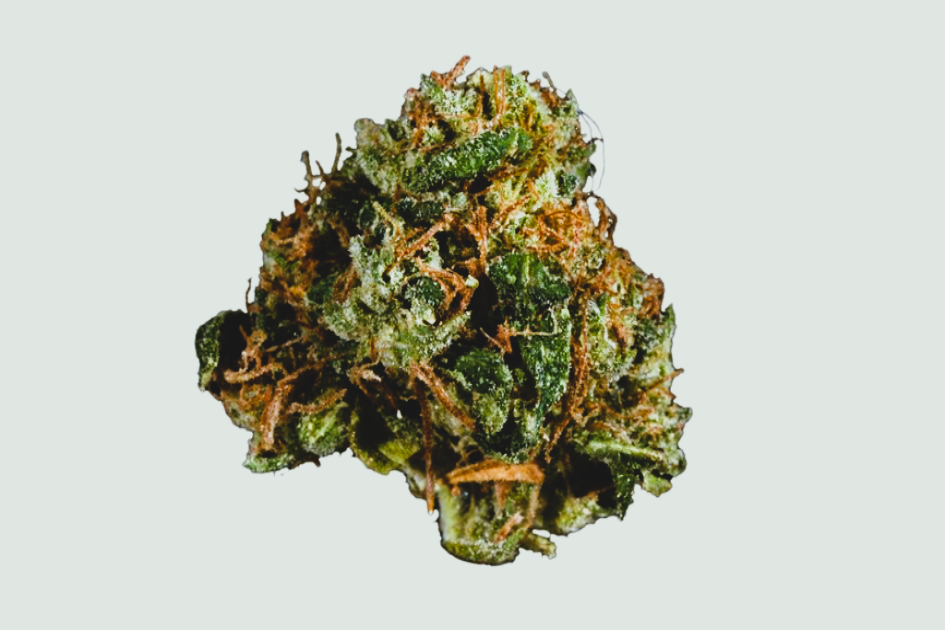
Medical Strain Analysis: Tonic
The exploration of cannabis strains for medical purposes has significantly advanced in recent years, with particular emphasis on strains tailored for therapeutic applications. Among these is the strain “Tonic,” a remarkable hybrid that exemplifies the medical potential of cannabis. Renowned for its balanced cannabinoid profile and therapeutic versatility, Tonic represents a breakthrough in medical cannabis use, offering targeted relief for various conditions without the psychoactive effects often associated with high-THC strains. This comprehensive analysis delves into Tonic’s origins, chemical profile, medical benefits, and growing conditions, underscoring its value as a medicinal agent.
Origins of Tonic
Tonic is a carefully bred cannabis strain, developed with an emphasis on therapeutic efficacy. Its lineage stems from a selective hybridization of high-CBD strains with low-THC varieties, creating a plant that delivers potent medicinal benefits without inducing the high typically associated with cannabis. Tonic’s beginnings are indicative of a larger trend in the cannabis market to develop strains tailored to individual patient requirements. By targeting cannabinoid profiles conducive to healing, cultivators have optimized strains like Tonic to support physical and mental wellness.
The development of Tonic likely traces back to regions where cannabis research and cultivation flourished, such as California, Colorado, and parts of Europe. Breeders focused on maximizing cannabidiol (CBD) levels while minimizing tetrahydrocannabinol (THC), resulting in a strain that offers robust medical benefits with minimal psychoactivity. This makes it especially suitable for populations sensitive to THC, including children, elderly patients, and those prone to anxiety or paranoia.
Chemical Profile

The therapeutic power of Tonic lies in its chemical composition. The strain is characterized by a high CBD-to-THC ratio, typically ranging from 20:1 to 30:1, depending on the phenotype and cultivation methods. This makes Tonic a predominantly CBD-rich strain, revered for its anti-inflammatory, anxiolytic, and neuroprotective properties. The cannabinoid profile is complemented by a unique array of terpenes, which synergize with cannabinoids through the entourage effect, enhancing its medical efficacy.
Key Cannabinoids in Tonic:
- Cannabidiol (CBD): CBD is the dominant cannabinoid in Tonic, known for its ability to modulate the endocannabinoid system without psychoactive effects. It interacts with CB1 and CB2 receptors indirectly, promoting homeostasis and reducing symptoms of various disorders, including chronic pain, epilepsy, and anxiety.
- Tetrahydrocannabinol (THC): While present in minimal quantities (usually less than 1%), THC contributes to the strain’s therapeutic properties. It enhances the analgesic effects of CBD and provides mild mood stabilization without significant psychoactivity.
- Other Cannabinoids: Trace amounts of cannabinoids like cannabigerol (CBG) and cannabichromene (CBC) are often found in Tonic. These compounds have anti-inflammatory and neuroprotective properties that contribute to its overall therapeutic profile.
Terpenes in Tonic:
- Myrcene: Known for its sedative and muscle-relaxing properties, myrcene enhances Tonic’s potential to alleviate pain and promote restful sleep.
- Limonene: With its uplifting and stress-relieving effects, limonene supports mental health by reducing anxiety and depression.
- Caryophyllene: This terpene acts as a natural anti-inflammatory and binds to CB2 receptors, complementing CBD’s effects.
- Pinene: Pinene aids in respiratory health and provides a mild cognitive boost, countering mental fatigue or brain fog.
The combination of cannabinoids and terpenes in Tonic is meticulously balanced, ensuring maximum therapeutic value with minimal risk of adverse effects. This makes it particularly appealing for medical use, where consistency and predictability are crucial.
Medical Benefits

Tonic’s medical applications are expansive, addressing a wide range of conditions with precision. Below is an in-depth examination of its key benefits:
1. Neurological Disorders:
Tonic has demonstrated remarkable efficacy in treating neurological conditions, primarily due to its high CBD content. Its anticonvulsant properties make it a preferred option for managing epilepsy, particularly in children with treatment-resistant forms such as Dravet syndrome and Lennox-Gastaut syndrome. By modulating neuronal excitability, Tonic reduces the frequency and severity of seizures without the side effects associated with conventional anticonvulsants.
Additionally, Tonic’s neuroprotective attributes are valuable in managing neurodegenerative disorders like Parkinson’s disease, Alzheimer’s disease, and multiple sclerosis. It reduces oxidative stress, inhibits neuroinflammation, and supports neural regeneration, offering a holistic approach to preserving cognitive and motor functions.
2. Chronic Pain:
Tonic excels in alleviating chronic pain, whether neuropathic, inflammatory, or musculoskeletal. CBD interacts with TRPV1 receptors and modulates the release of pain-signaling molecules, providing targeted relief. Conditions such as fibromyalgia, arthritis, and diabetic neuropathy are particularly responsive to Tonic. Its analgesic effects are further amplified by its anti-inflammatory properties, reducing swelling and discomfort at the source.
3. Anxiety and Depression:
Mental health conditions like anxiety and depression often benefit from Tonic’s calming effects. CBD’s ability to regulate serotonin levels and modulate the hypothalamic-pituitary-adrenal (HPA) axis reduces anxiety and promotes emotional balance. Tonic is a non-sedative alternative to benzodiazepines, making it ideal for patients seeking relief from social anxiety, generalized anxiety disorder, or post-traumatic stress disorder without drowsiness or dependency.
4. Sleep Disorders:
Insomnia and other sleep disturbances are effectively managed with Tonic. The interplay between CBD and myrcene induces relaxation and shortens sleep onset latency, while improving overall sleep quality. This is particularly beneficial for patients with chronic pain or anxiety, where secondary insomnia is common.
5. Inflammatory Conditions:
Tonic is a useful treatment for autoimmune and inflammatory diseases like Crohn’s disease, ulcerative colitis, and rheumatoid arthritis because of its anti-inflammatory qualities. By inhibiting cytokine production and regulating immune responses, Tonic minimizes tissue damage and relieves symptoms like pain and fatigue.
6. Cancer and Chemotherapy Support:
Patients undergoing cancer treatment often turn to Tonic for symptom management. It alleviates chemotherapy-induced nausea, vomiting, and neuropathy while also supporting appetite and energy levels. Emerging research suggests that CBD may inhibit tumor growth and enhance the efficacy of conventional cancer therapies, though more clinical trials are needed.
7. Skin Disorders:
Topical applications of Tonic or its derivatives show promise in treating dermatological conditions such as eczema, psoriasis, and acne. Its anti-inflammatory and antimicrobial properties reduce redness, irritation, and bacterial proliferation, promoting skin healing.
Growing Conditions
The cultivation of Tonic is a meticulous process, requiring attention to environmental factors to preserve its chemical integrity and therapeutic potential. As a strain optimized for medical use, growers prioritize consistency, potency, and purity throughout its lifecycle.
Climate and Environment:
Tonic thrives in a controlled indoor environment where temperature, humidity, and light exposure can be precisely managed. Ideal temperatures range from 70°F to 80°F (21°C to 27°C) during the vegetative phase, with slightly cooler conditions during flowering to enhance resin production. Humidity levels should be kept moderate (40%-60%) to prevent mold and mildew.
While Tonic can also be grown outdoors in temperate climates, it requires protection from extreme weather and pests to maintain its quality. The use of organic fertilizers and pest control measures ensures a clean, medical-grade product free from harmful residues.
Soil and Nutrients:
Tonic performs best in nutrient-rich, well-aerated soil with a pH level between 6.0 and 6.5. Organic soil amendments like compost, worm castings, and bat guano enhance plant health and cannabinoid production. Hydroponic systems are another popular choice for cultivating Tonic, offering precise nutrient delivery and faster growth cycles.
Light Requirements:
During the vegetative stage, Tonic requires 18-24 hours of light per day, promoting robust growth and development. In the flowering phase, light exposure is reduced to a 12-hour cycle to encourage bud formation. Full-spectrum LED lights are recommended for indoor growers, as they mimic natural sunlight and optimize cannabinoid synthesis.
Harvesting and Curing:
Harvesting Tonic at peak maturity is critical for preserving its therapeutic profile. Growers monitor trichome color and density, aiming for a milky-white appearance with minimal amber tones. After harvesting, the buds are meticulously dried and cured to enhance flavor, potency, and shelf life. Proper curing involves storing buds in airtight containers at 60%-65% humidity for 2-3 weeks, allowing terpenes and cannabinoids to stabilize.
Pest and Disease Management:
To ensure a high-quality medical product, Tonic cultivation emphasizes integrated pest management (IPM) techniques. Beneficial insects, organic pesticides, and companion planting are commonly used to deter pests without introducing harmful chemicals. Regular inspection and environmental monitoring prevent outbreaks of mold, powdery mildew, and other diseases.
Restrictions on Using Tonic in the Medical Field and Ensuring It is a Last Resort

The use of the cannabis strain Tonic in medical applications has gained significant attention due to its high cannabidiol (CBD) content and low tetrahydrocannabinol (THC) levels, making it a valuable option for addressing various health conditions. However, despite its therapeutic benefits, restrictions and careful monitoring are necessary to ensure it is used appropriately, specifically within the medical field and as a last resort for patients. Furthermore, close regulation of THC levels in medications derived from Tonic is critical to prevent unintended psychoactive effects. This approach ensures patient safety while upholding medical efficacy.
Limiting Usage to the Medical Field
Tonic’s use should remain confined to the medical field to maintain its integrity as a therapeutic agent and prevent misuse. Unlike recreational strains, Tonic is specifically bred to provide medical benefits without the euphoria or impairment associated with high-THC cannabis. To preserve this focus, regulatory bodies must enforce strict controls on its distribution and use.
- Licensing for Medical Use: Cultivation and sale of Tonic should be restricted to licensed medical cannabis providers. These entities should operate under rigorous standards to ensure the strain is cultivated, processed, and dispensed in compliance with medical-grade protocols.
- Medical Prescriptions: Access to Tonic should be available only through a certified medical professional’s prescription. This ensures that it is used solely to address documented health conditions rather than for recreational purposes.
- Patient Eligibility: Tonic should be prescribed only to patients with conditions that have been validated as responsive to CBD-dominant treatments, such as epilepsy, chronic pain, or anxiety disorders. By restricting its use to these cases, the strain remains a targeted solution rather than a generalized option.
- Tracking and Reporting: Implementing robust tracking systems for Tonic ensures that its use can be monitored effectively. Patients, caregivers, and healthcare providers should report outcomes to databases that assess the strain’s effectiveness and safety over time.
Tonic as a Last Resort
While Tonic offers significant therapeutic potential, its use as a medical treatment should be approached with caution. Employing Tonic as a last resort ensures that patients have explored other conventional or less controversial therapies first, thereby reinforcing its role as a specialized medical solution.
- Exploration of Conventional Treatments: Patients should undergo a thorough assessment to determine if conventional medical treatments can address their condition effectively. For instance, pain management might begin with physical therapy, non-opioid medications, or lifestyle changes before considering cannabis-based therapies like Tonic.
- Multi-Disciplinary Approaches: Tonic should be introduced only after collaborative decision-making by a multidisciplinary medical team. This ensures that its use aligns with a broader treatment strategy and avoids over-reliance on cannabis-based interventions.
- Clear Justification: Healthcare providers must document why Tonic is deemed necessary as a last resort. This documentation should include evidence of treatment resistance or intolerance to other therapies, providing a clear rationale for its prescription.
- Trial Period with Monitoring: When Tonic is used as a last resort, it should be introduced on a trial basis with continuous monitoring. Physicians should assess its impact on the patient’s condition, adjusting dosages or discontinuing use if results are not satisfactory.
Monitoring THC Levels to Prevent Psychoactive Effects
One of the defining characteristics of Tonic is its low THC content, which minimizes the risk of psychoactive effects. Nonetheless, even trace amounts of THC require careful monitoring to ensure that patients, particularly those with heightened sensitivity, do not experience adverse mental or emotional reactions.
- Standardized THC Testing: Medical cannabis products derived from Tonic must undergo rigorous testing to confirm their THC content remains within allowable limits. Regulatory agencies should mandate that THC levels in Tonic-based medications do not exceed 0.3% or a threshold that ensures non-psychoactivity.
- Batch Consistency: Cultivators and manufacturers must produce consistent batches of Tonic to ensure uniform THC and CBD levels. Patients rely on predictable results from medical cannabis, and variations could compromise both safety and effectiveness.
- Patient Sensitivity Assessment: Before prescribing Tonic, healthcare providers should evaluate patients for potential THC sensitivity. Factors such as age, mental health history, and prior cannabis exposure can influence individual responses, guiding dosage and product selection.
- Labeling and Transparency: All Tonic-derived products must feature transparent labeling that clearly states cannabinoid concentrations. This ensures patients and providers are fully informed about the medication’s composition, fostering trust and informed decision-making.
- Monitoring for Adverse Effects: During treatment, patients should be closely observed for any signs of psychoactive effects, such as altered perception, mood changes, or impaired cognition. If such effects occur, adjustments to dosage or cannabinoid composition may be necessary.
Ethical Considerations and Patient Safety
Restricting Tonic to medical use and last-resort scenarios reflects an ethical commitment to patient safety. By reserving this strain for cases where traditional treatments have failed, healthcare providers demonstrate a measured approach that prioritizes evidence-based care. Similarly, stringent THC monitoring aligns with medical best practices, ensuring that patients receive the therapeutic benefits of cannabis without compromising their mental clarity or quality of life.
Furthermore, this restrictive framework supports broader societal acceptance of medical cannabis. By demonstrating responsible use, the medical community can mitigate concerns about cannabis misuse and pave the way for continued research and innovation. Tonic serves as a model for how cannabis strains can be integrated into healthcare responsibly, offering hope to patients while maintaining the highest standards of safety and efficacy.
Conclusion
The cannabis strain Tonic stands as a paradigm of the medical potential of cannabis, offering a targeted and reliable solution for a variety of health conditions. Through its development as a CBD-dominant strain with minimal THC content, Tonic addresses critical medical needs without inducing the psychoactive effects commonly associated with cannabis. This feature, combined with its rich terpene profile, enhances its efficacy in treating conditions ranging from chronic pain and neurological disorders to anxiety and inflammatory diseases.
The origins of Tonic highlight the meticulous breeding efforts aimed at producing a strain tailored specifically for therapeutic use. Its chemical profile, dominated by cannabidiol (CBD) and supported by beneficial terpenes, demonstrates the synergy between cannabinoids and terpenes, resulting in a powerful tool for alleviating medical conditions. However, to ensure patient safety and public trust, it is imperative to restrict its use to the medical field under stringent guidelines.
Restricting Tonic to medical use reinforces its purpose as a therapeutic agent and minimizes the risk of misuse. By ensuring it is prescribed as a last resort, healthcare providers emphasize the importance of first exploring conventional treatments, maintaining a balanced approach to patient care. Furthermore, the adoption of trial periods and multidisciplinary oversight enhances the responsible use of this strain, aligning with evidence-based practices.
A key consideration is the rigorous monitoring of THC levels in Tonic-based medications. Even at trace levels, THC must be carefully controlled to prevent psychoactive effects, especially for vulnerable patient populations. Standardized testing, transparent labeling, and ongoing patient monitoring ensure that the therapeutic benefits of Tonic are delivered without compromising mental clarity or safety.
The cultivation of Tonic reflects its status as a medical-grade strain, with strict attention to environmental conditions, soil quality, and pest management. These factors ensure that the strain retains its chemical integrity and therapeutic properties, meeting the high standards required for medical cannabis.
In summary, Tonic represents a promising advancement in medical cannabis, but its application requires a disciplined and ethical framework. Limiting its use to documented medical needs, ensuring it is prescribed as a last resort, and maintaining stringent control over THC levels uphold the principles of patient safety and therapeutic efficacy. By adhering to these guidelines, Tonic can continue to serve as a beacon of hope for patients who have exhausted other treatment options, demonstrating the transformative potential of cannabis in modern medicine while safeguarding its responsible use.
