Medical Strain Analysis: The White
-
 The White Cannabis SeedsFrom: $24.99
Medical strain analysis involves examining the unique qualities, composition, and potential therapeutic applications of specific cannabis strains used in medicinal contexts. The White is a cannabis strain celebrated for its medicinal value due to its distinct chemical profile and potential therapeutic benefits. With an emphasis on its application in clinical and therapeutic settings, this comprehensive examination delves into The White’s history, chemical makeup, health advantages, and ideal growing circumstances.
Origins of The White
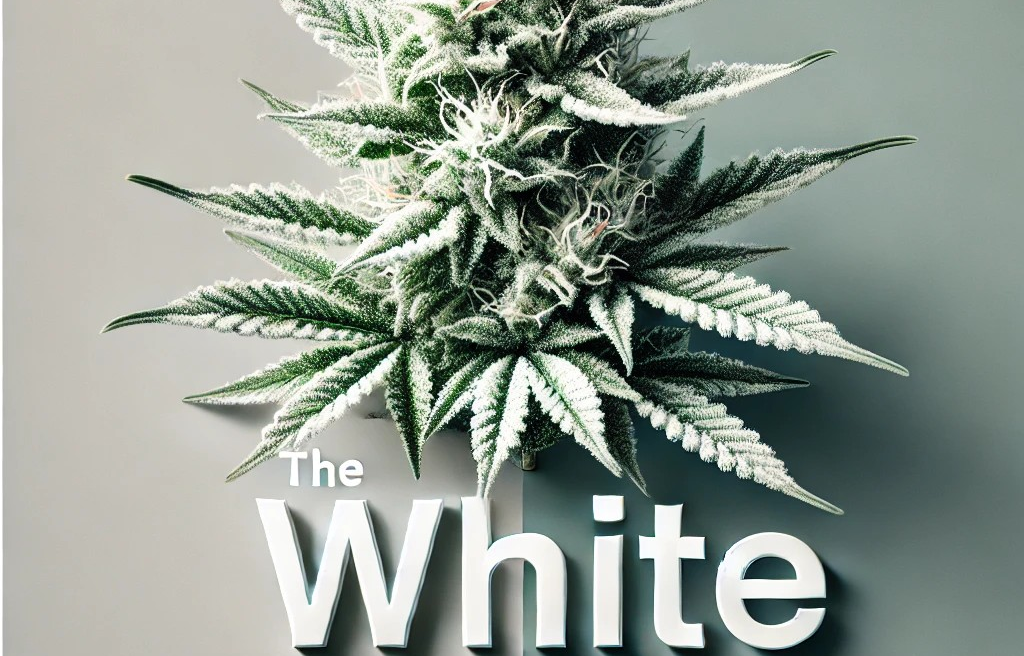
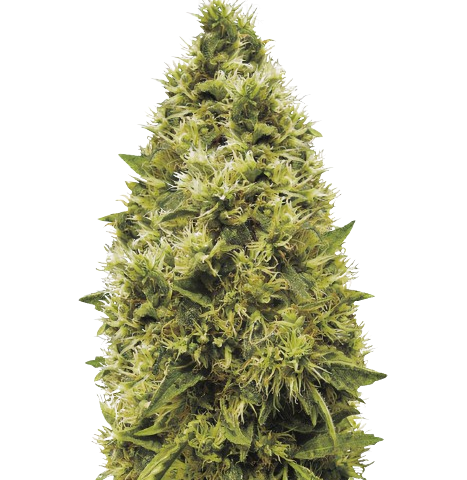
The White is a well-regarded cannabis strain with a somewhat mysterious origin, as its exact lineage remains debated. Believed to have emerged in Florida, it became popular in the early 2000s. The strain was initially named “Triangle” in reference to Florida’s tri-city cannabis cultivation region, which includes Tampa, Jacksonville, and Miami. Due in major part to the thick layer of trichomes that gives the buds a frosty, white appearance, it gained popularity and was dubbed The White.
The genetics of The White are shrouded in uncertainty. Unlike strains with clear parentage, such as hybridized strains with known crossbreeding, The White’s genetics remain largely a mystery, and it does not share the pronounced aromatic profile of other well-known strains like Sour Diesel or OG Kush. However, this enigmatic genetic origin has not detracted from its medicinal appeal. Its trichome-rich composition and unique cannabinoid and terpene profile have positioned The White as a valuable option in therapeutic cannabis treatments.
Chemical Profile of The White
The White is celebrated for its substantial trichome coverage, giving it a frosted appearance. Because they contain the flavonoids, terpenes, and cannabinoids that give cannabis its medicinal properties, these trichomes are crucial to the plant. The White typically features a high THC content, often ranging between 20-28%. This level is significant as THC (tetrahydrocannabinol) is known for its analgesic, anti-inflammatory, and neuroprotective properties, making it beneficial in medical applications.
Key Cannabinoids
- THC: The White has a high THC concentration, which is instrumental in managing pain, inflammation, and neurological conditions. In medical use, high-THC strains are often utilized for severe pain management, and their neuroprotective qualities can be beneficial in degenerative diseases.
- CBD: While The White is primarily known for THC dominance, it contains trace amounts of CBD (cannabidiol). CBD, even in small quantities, can complement THC by moderating psychoactivity, providing anti-inflammatory effects, and promoting a balanced endocannabinoid system response.
- CBN: Cannabinol (CBN) is present in The White in small quantities. CBN, a breakdown product of THC, is known for its sedative properties and is often beneficial in strains used to manage sleep disorders and anxiety.
Terpene Profile
The terpene composition of The White is less pungent than other strains, with a subtle earthy and pine scent rather than strong aromas. This modest aroma profile contributes to its medicinal suitability, particularly for patients who may be sensitive to strong odors. Common terpenes found in The White include:
- Myrcene: Myrcene is a prevalent terpene in medicinal strains and is well-known for its calming and muscle-relaxing effects. It supports pain relief and can contribute to a calming effect, making it valuable in managing chronic pain and stress.
- Pinene: This terpene is recognized for its anti-inflammatory and bronchodilator properties. Pinene is beneficial for patients with respiratory issues, as well as for its cognitive benefits in preserving memory and focus.
- Caryophyllene: Caryophyllene is notable for its interaction with CB2 receptors, which play a role in immune system regulation and inflammation reduction. This makes it valuable for patients with autoimmune conditions, inflammation, and chronic pain.
The combination of high THC and these therapeutic terpenes positions The White as a potent strain for various medical conditions, providing pain relief, reducing inflammation, and aiding in stress management.
Medical Benefits of The White

The therapeutic benefits of The White span a range of conditions due to its cannabinoid and terpene profile. Medical professionals often recommend The White for patients needing relief from physical and neurological symptoms.
1. Pain Management
The White’s high THC content and significant caryophyllene presence make it an excellent choice for pain management. THC is known for its ability to engage with CB1 receptors, which influence pain perception. Caryophyllene further enhances this by binding to CB2 receptors, which modulate inflammation. This dual action can help alleviate conditions like arthritis, fibromyalgia, and chronic back pain, providing both immediate relief and long-term anti-inflammatory benefits. For patients with severe pain, The White’s potency offers a non-opioid option, which can be a critical alternative given the side effects and dependency risks associated with opioids.
2. Anti-inflammatory Effects
Chronic inflammation underlies many health conditions, including autoimmune disorders, digestive issues, and neurodegenerative diseases. The White’s pinene and caryophyllene content provides targeted anti-inflammatory effects. Pinene acts as a bronchodilator, which can benefit patients with respiratory inflammation, while caryophyllene’s interaction with CB2 receptors aids systemic inflammation management. Patients with conditions such as Crohn’s disease, lupus, and rheumatoid arthritis may find The White particularly beneficial for managing flare-ups and reducing the immune response that exacerbates symptoms.
3. Neurological Conditions and Neuroprotection
The White shows promise in neurological applications, particularly for neurodegenerative diseases and disorders characterized by neuronal inflammation. The strain’s THC and myrcene combination can provide neuroprotective effects, which are essential in conditions like multiple sclerosis (MS), Parkinson’s disease, and Alzheimer’s disease. THC’s neuroprotective properties help preserve neuronal structure and function, while myrcene offers sedative effects that reduce muscle spasms and tremors. For patients with MS, The White’s ability to reduce spasticity and pain can improve quality of life and reduce reliance on pharmaceuticals.
4. Mental Health Applications
Although THC has psychoactive effects, its therapeutic potential in mental health treatment is significant, particularly when combined with the calming influence of myrcene. The White can assist patients struggling with anxiety, post-traumatic stress disorder (PTSD), and depression. The interplay between THC’s mood-elevating properties and myrcene’s calming effects provides balanced support for mood regulation without overwhelming sedation. Additionally, pinene has been found to counteract some of THC’s memory-impairing effects, which can be advantageous for patients who need mental clarity along with stress relief.
5. Insomnia and Sleep Disorders
Myrcene, known for its sedative properties, and CBN in The White’s profile make it suitable for managing sleep disorders. Insomnia is a common complaint among patients with chronic pain, stress, and anxiety, which can perpetuate a cycle of restlessness and fatigue. By promoting relaxation and addressing underlying conditions such as pain or anxiety, The White offers a holistic approach to sleep improvement, allowing patients to achieve more restorative rest.
Growing Conditions for The White
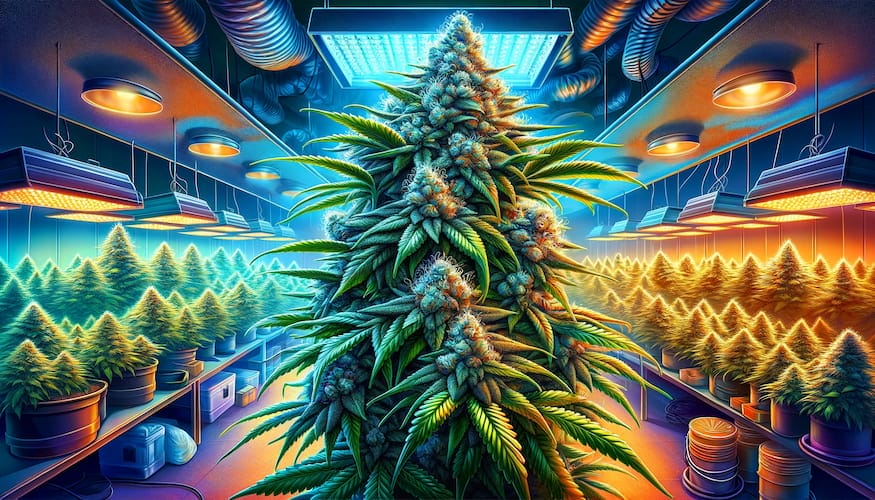
For medical growers and cultivators, understanding the ideal growing conditions for The White is crucial to maintain its therapeutic potency. The White is somewhat finicky, requiring controlled conditions to achieve optimal trichome development and terpene retention.
1. Climate and Environment
The White thrives in a warm, Mediterranean-like climate, though it can be grown indoors with careful climate control. Outdoor cultivation is possible in regions with low humidity and ample sunlight, as high moisture levels can lead to mold and mildew. Indoors, growers should maintain temperatures between 70-85°F (20-30°C) during the vegetative phase, slightly reducing it to 65-80°F (18-26°C) in the flowering phase to enhance trichome production.
2. Humidity Levels
Humidity control is essential when growing The White, as excessive moisture can compromise trichome integrity and increase the risk of mold. During the vegetative stage, humidity should be kept around 55-60%, but as the plant enters the flowering stage, this should be reduced to 40-45% to encourage resin production and prevent fungal issues. Proper ventilation and dehumidifiers can be used in indoor setups to achieve these levels.
3. Lighting
The White responds well to strong light exposure. Indoor cultivators should use high-intensity discharge (HID) lights, such as metal halide (MH) lights for the vegetative stage and high-pressure sodium (HPS) lights for the flowering stage. LED lighting is another option, offering efficiency while allowing precise control over light spectrums to enhance cannabinoid and terpene production. Growth and potency are maintained by a regular light schedule of 18 hours on and 6 hours off during the vegetative stage, which changes to 12 hours on and 12 hours off during blooming.
4. Nutrients
Like other high-THC strains, The White requires a nutrient-dense environment. Healthy leaf growth during the vegetative stage requires a diet high in nitrogen. In the flowering stage, however, phosphorus and potassium become more critical for bud development and trichome production. Supplements such as calcium, magnesium, and trace minerals are beneficial throughout the growth cycle. Organic fertilizers can support microbial health, promoting nutrient uptake and enhancing the plant’s overall resilience.
5. Soil and Medium
The White can be cultivated in soil or hydroponic setups. High-quality soil rich in organic matter can promote terpene profiles, which is ideal for medical applications. If using a hydroponic system, growers should ensure a balanced nutrient solution with pH levels around 5.8-6.5 for soil and 5.5-6.2 for hydroponics. Soil-grown plants often yield richer terpene profiles, which is advantageous in medical settings where terpene diversity contributes to therapeutic efficacy.
6. Harvesting and Curing
Proper harvesting and curing are essential to preserving The White’s medicinal properties. Peak THC and terpene levels are indicated by milky white trichomes with a hint of amber, which is when harvesting should take place. After harvest, drying should take place in a controlled environment with temperatures between 60-70°F (15-21°C) and humidity around 50-60%. The buds should then be cured in airtight containers to allow for cannabinoid and terpene stabilization, enhancing both potency and therapeutic benefits.
Therapeutic Potential and Research Perspectives
The White’s medicinal potential has inspired research into its specific applications and mechanisms. While high-THC strains are often associated with recreational use, The White demonstrates that THC-dominant strains can also offer substantial therapeutic benefits, especially when complemented by a well-rounded terpene profile.
Studies exploring THC’s role in pain modulation, neuroprotection, and mental health highlight The White as a candidate for medical use, particularly in managing conditions that do not respond well to conventional medications. The presence of myrcene and caryophyllene in The White supports the entourage effect theory, which posits that cannabinoids and terpenes work synergistically to enhance therapeutic outcomes.
As medical cannabis research continues to expand, The White’s unique profile could become a subject of specific studies on THC-terpene interactions in pain and inflammation management, neuroprotection, and mental health support. The strain’s subtle aromatic profile makes it ideal for patients who may be sensitive to strong-smelling strains, and its balanced sedative and uplifting effects make it versatile across various medical conditions.
Restricting Cannabis Use in the Medical Field: Ensuring Last-Resort and Controlled THC Levels
In recent years, the medical field has shown increased interest in cannabis-based therapies due to their potential to treat conditions that may not respond well to conventional treatments. However, many healthcare organizations and regulatory bodies emphasize that cannabis should be used cautiously, solely within the medical domain, and strictly as a last-resort treatment option. To safeguard patients from unintended psychoactive effects, there is a growing need to monitor THC (tetrahydrocannabinol) levels in cannabis-derived medications carefully. This approach aims to deliver the therapeutic benefits of cannabis without compromising patient safety or introducing unwanted psychoactivity, which is especially critical in medical contexts.
Medical Cannabis as a Last-Resort Therapy
In most healthcare settings, cannabis use is considered only after traditional treatment options have proven ineffective. This is due to the need for substantial research on cannabis’s long-term effects and variability in patient responses. Medical practitioners prioritize therapies with well-documented efficacy, standardized dosages, and lower risks of psychoactivity or dependency. Only when other treatments fail to provide adequate relief do healthcare providers consider cannabis as an option, often for conditions such as chronic pain, epilepsy, multiple sclerosis, and severe nausea associated with chemotherapy.
Limiting cannabis to last-resort cases also aligns with the ethical obligation to use minimally invasive or mind-altering interventions. Given that THC, the primary psychoactive compound in cannabis, can affect cognition, memory, and perception, it is crucial to weigh the potential benefits of cannabis against these risks. This cautious approach aims to protect vulnerable patients, such as those with cognitive impairments, children, and elderly individuals, from potential adverse effects.
Monitoring THC Levels to Minimize Psychoactivity
For cannabis to be medically effective while minimizing psychoactive side effects, strict control over THC levels in cannabis-derived medications is essential. THC, while beneficial for pain relief, muscle relaxation, and neuroprotection, can produce psychoactive effects at higher doses. These effects include altered perception, mood changes, and impaired cognitive functions, which are often undesirable in a medical setting where patient awareness and mental clarity are prioritized.
Cannabis-based medications are therefore formulated with carefully monitored THC content, often accompanied by higher levels of CBD (cannabidiol), a non-psychoactive cannabinoid known to mitigate THC’s psychoactive effects. CBD has a modulating impact on THC by reducing its binding affinity to CB1 receptors in the brain, which can help prevent intense psychoactivity. This balanced approach allows patients to benefit from THC’s therapeutic properties while maintaining a level of cognitive clarity and functionality.
In practice, low-THC or CBD-dominant formulations are frequently preferred in clinical settings. These medications may contain THC levels under 1%, which is generally below the threshold for noticeable psychoactive effects, ensuring that the patient can function without experiencing the “high” associated with recreational cannabis use. Standardizing THC levels in these formulations helps medical professionals prescribe cannabis confidently, knowing that the risks of psychoactivity are minimized.
Strict Regulations and Ongoing Monitoring
Implementing stringent regulations on medical cannabis prescriptions is essential to ensure that THC levels remain within safe, therapeutic ranges. Regulatory bodies, such as the FDA (U.S.) and EMA (Europe), are developing guidelines that standardize cannabis-based medications to ensure consistent dosages and prevent potential misuse. In addition, healthcare providers play a critical role in ongoing patient monitoring, adjusting dosages as needed to achieve symptom relief without psychoactive effects.
Medical professionals are trained to assess patient responses to cannabis treatment regularly. Patients receiving cannabis-based therapies are closely monitored for any signs of psychoactive effects, cognitive impairment, or unwanted side effects, particularly when THC is included in the treatment. By implementing these checks, practitioners ensure that cannabis remains a viable and controlled option for last-resort therapies only, upholding patient safety and ethical standards.
Conclusion
In conclusion, the responsible use of cannabis in the medical field requires a careful and controlled approach, emphasizing last-resort application, monitored THC levels, and strict regulatory oversight. Originating from a need for alternatives to traditional treatments, cannabis has shown promise in managing complex conditions like chronic pain, epilepsy, and neurodegenerative diseases. However, to protect patient safety and uphold medical ethics, cannabis should only be considered when conventional therapies have proven ineffective.
Understanding the origins, chemical profiles, and growing conditions of therapeutic strains like The White enables medical practitioners to tailor treatments to maximize benefits while minimizing adverse effects. The therapeutic compounds in cannabis, especially THC and CBD, provide valuable relief for many patients, yet THC’s psychoactive potential necessitates controlled dosages. Monitoring and limiting THC content allows practitioners to leverage its medical benefits, such as pain relief and neuroprotection, without compromising cognitive function.
Furthermore, the development of low-THC or CBD-dominant formulations, coupled with ongoing patient assessment, ensures cannabis-based therapies remain safe, effective, and free from unintended psychoactive effects. Regulatory guidelines and professional oversight are essential to maintaining consistent therapeutic outcomes and preventing misuse. By adhering to these principles, medical cannabis can be a powerful tool in patient care, offering relief and improving quality of life in cases where other treatments have failed, all while maintaining a high standard of patient safety and efficacy.
