
Medical Strain Analysis: Tangerine
-
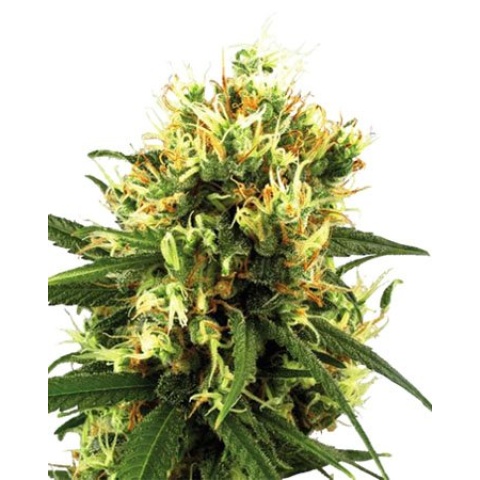 Tangerine Cannabis SeedsFrom: $24.99
The cannabis strain known as “Tangerine” has garnered attention in the medical cannabis community for its distinct therapeutic properties, pleasant citrus aroma, and well-rounded effects. A deeper understanding of this strain involves exploring its origins, chemical profile, medical benefits, and optimal growing conditions. In this comprehensive analysis, we will delve into each of these aspects, highlighting Tangerine’s potential for addressing various medical conditions while focusing solely on its medicinal applications.
Origins of Tangerine
Tangerine belongs to the sativa-dominant hybrid family of cannabis strains, a lineage often celebrated for uplifting and energizing effects. While the exact genetics of Tangerine can vary depending on the breeder, it is widely accepted that this strain descends from the Tangie strain. Tangie itself is a reworking of the classic Tangerine Dream, a strain that gained prominence in the 1990s.
Tangerine inherits its vibrant citrus profile from Tangie, which was originally created by crossing a hybrid of California Orange and Skunk #1. California Orange lends its zesty citrus characteristics and balanced effects, while Skunk #1 contributes a layer of robust potency and reliability in cultivation. This heritage ensures that Tangerine carries a rich genetic legacy marked by stability, consistency, and a terpene profile geared toward medical efficacy.
Chemical Profile of Tangerine
The therapeutic potential of Tangerine lies in its complex chemical profile, which includes cannabinoids, terpenes, and other bioactive compounds. Each of these elements plays a significant role in defining the strain’s medical benefits. Below, we break down the primary components of Tangerine’s chemical makeup:
Cannabinoid Profile
Tangerine is often characterized by a moderate-to-high tetrahydrocannabinol (THC) content, typically ranging from 16% to 22%. THC is the primary psychoactive compound in cannabis and contributes to its analgesic, anti-inflammatory, and neuroprotective properties. While its THC levels are notable, Tangerine also contains smaller quantities of cannabidiol (CBD), usually between 0.1% and 1%. CBD, a non-intoxicating compound, is known for its anxiolytic, anticonvulsant, and anti-inflammatory properties.
The synergy between THC and CBD, commonly referred to as the “entourage effect,” enhances Tangerine’s overall therapeutic efficacy. The balanced ratio of cannabinoids allows patients to experience relief without overwhelming psychoactivity, making this strain a versatile option for medical use.
Terpene Profile
The terpene profile of Tangerine is one of its most defining features, contributing to its citrus-forward aroma and its therapeutic potential. The dominant terpenes in Tangerine include:
- Limonene: This terpene with a citrus fragrance is well-known for elevating mood and reducing stress. Limonene has also been studied for its anti-inflammatory, antimicrobial, and antioxidant effects.
- Myrcene: Commonly found in hops and mangoes, myrcene provides a subtle earthy and musky undertone to Tangerine’s aroma. It is known for its sedative and analgesic properties, making it useful for pain management and promoting restful sleep.
- Beta-Caryophyllene: This spicy and peppery terpene binds directly to CB2 receptors in the body, contributing to anti-inflammatory and pain-relieving effects. Beta-caryophyllene’s unique ability to interact with the endocannabinoid system makes it particularly valuable for treating chronic inflammation.
- Pinene: This terpene adds a fresh pine scent to Tangerine and is associated with bronchodilatory and anti-inflammatory effects. Pinene may enhance respiratory function and improve focus, making it a valuable component for patients with breathing difficulties or cognitive concerns.
- Linalool: Known for its floral and lavender-like aroma, linalool contributes to Tangerine’s calming effects. It has been demonstrated to possess antidepressant, anti-inflammatory, and anxiolytic qualities.
Flavonoids and Minor Compounds
In addition to cannabinoids and terpenes, Tangerine contains flavonoids such as quercetin and kaempferol. These compounds possess antioxidant and anti-inflammatory properties, contributing to the strain’s overall medicinal value. The presence of minor cannabinoids like cannabigerol (CBG) and cannabinol (CBN) further enhances its therapeutic range, though these compounds are typically found in trace amounts.
Medical Benefits of Tangerine
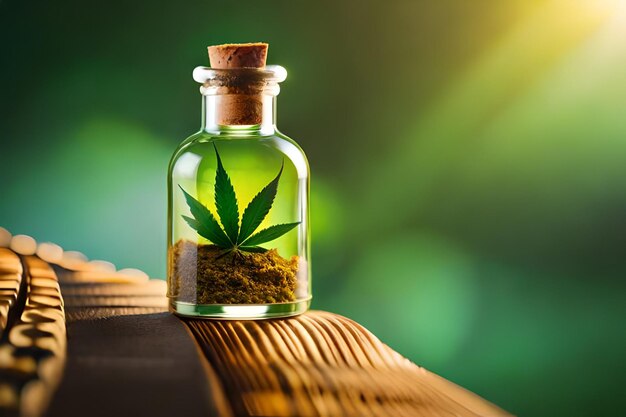
The medical applications of Tangerine are vast, owing to its well-rounded chemical composition. Patients suffering from various conditions may benefit from this strain, which offers a balance of physical and psychological relief without excessive sedation. Below, we explore the specific medical benefits of Tangerine in detail:
1. Management of Chronic Pain
Patients seek medical cannabis for a variety of reasons, including chronic pain. Tangerine’s THC content interacts with CB1 receptors in the brain and spinal cord, modulating the perception of pain. Meanwhile, the myrcene and beta-caryophyllene present in the strain enhance its analgesic properties by reducing inflammation and relaxing muscles.
Tangerine has shown promise in alleviating pain associated with conditions such as arthritis, fibromyalgia, migraines, and neuropathy. Its mild sedative effects can also aid in reducing discomfort during rest, allowing patients to achieve restorative sleep.
2. Relief from Anxiety and Depression
The limonene and linalool terpenes in Tangerine are particularly effective in combating anxiety and depression. Limonene elevates mood and reduces stress by modulating serotonin and dopamine levels, while linalool provides calming effects that can mitigate anxiety and tension.
Tangerine’s uplifting nature makes it an excellent option for patients experiencing mood disorders. Unlike heavily sedating strains, it offers a sense of euphoria and mental clarity, which can be beneficial for individuals dealing with situational or chronic stress.
3. Reduction of Inflammation
Inflammation is a root cause of many chronic conditions, including autoimmune disorders, irritable bowel syndrome (IBS), and cardiovascular disease. The combination of beta-caryophyllene, limonene, and pinene in Tangerine provides a robust anti-inflammatory effect.
Beta-caryophyllene’s interaction with CB2 receptors is particularly significant in reducing systemic inflammation without psychoactivity, making Tangerine a promising option for patients with conditions such as Crohn’s disease, lupus, and rheumatoid arthritis.
4. Improvement of Focus and Cognitive Function
Tangerine’s sativa-dominant genetics contribute to a clear-headed and focused experience, which can be beneficial for patients with attention deficit disorders or cognitive impairments. Pinene plays a key role here, as it is known to enhance memory retention and mental clarity.
Patients who struggle with fatigue-induced brain fog or difficulty concentrating may find Tangerine to be a valuable aid in improving productivity and cognitive performance.
5. Alleviation of Gastrointestinal Disorders
The anti-inflammatory and antispasmodic properties of Tangerine make it useful for patients suffering from gastrointestinal issues such as IBS, Crohn’s disease, and ulcerative colitis. Limonene’s ability to protect the stomach lining and reduce acid reflux further adds to its gastrointestinal benefits.
Tangerine may also help alleviate nausea, making it a potential option for patients undergoing chemotherapy or dealing with severe digestive disorders.
6. Support for Sleep Disorders
Although Tangerine is not as sedating as some indica strains, its myrcene and linalool content can help relax the body and mind, promoting restful sleep. This makes it suitable for patients with mild to moderate insomnia or those who experience difficulty sleeping due to chronic pain or anxiety.
Growing Conditions for Tangerine
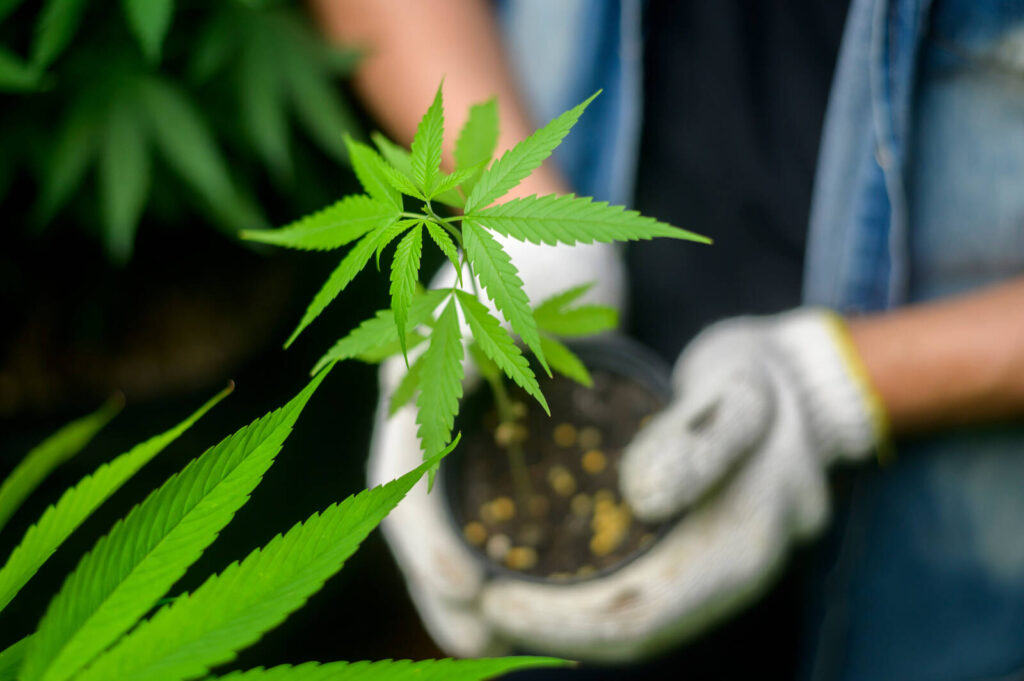
To maximize Tangerine’s medicinal potential, proper cultivation techniques are essential. Understanding its growing conditions can help ensure a consistent and high-quality yield.
Climate and Environment
Tangerine thrives in a Mediterranean-like climate, with temperatures ranging between 70°F and 85°F. It requires a balance of warm days and cool nights to develop its robust terpene profile and dense buds. Although both indoor and outdoor cultivation are possible, indoor cultivation offers greater control over environmental elements such light exposure, humidity, and temperature.
Soil and Nutrients
Tangerine performs best in well-draining, nutrient-rich soil. Organic amendments such as compost and worm castings can enhance soil fertility and contribute to healthier plants. The strain requires a balanced mix of macronutrients (nitrogen, phosphorus, and potassium) and micronutrients (calcium, magnesium, and sulfur) throughout its growth cycle.
Light Requirements
As a sativa-dominant hybrid, Tangerine has a relatively long flowering period, typically ranging from 8 to 10 weeks. During the vegetative stage, it requires 18 to 24 hours of light per day. During the flowering stage, reducing light exposure to 12 hours per day triggers bud development.
Humidity and Ventilation
Preventing mold and mildew requires maintaining appropriate humidity levels. During the vegetative stage, Tangerine thrives in a relative humidity of 50% to 70%. During flowering, lowering the humidity to 40% to 50% helps protect the buds and enhances resin production. Good ventilation is essential to ensure consistent airflow and prevent pest infestations.
Pruning and Training
Tangerine’s vigorous growth requires regular pruning to promote air circulation and light penetration. Low-stress training (LST) techniques, such as bending and tying down branches, can help maximize yields by encouraging an even canopy and preventing overcrowding.
Harvesting and Curing
Tangerine is ready for harvest when its buds are dense, resinous, and emit a strong citrus aroma. The trichomes should appear milky white with a slight amber tint. After harvesting, proper curing is essential to preserve the strain’s terpene profile and enhance its medicinal properties. Curing involves drying the buds slowly in a dark, temperature-controlled environment before storing them in airtight containers.
Restrictions on Using Tangerine Strain in the Medical Field

Cannabis strains like Tangerine offer notable therapeutic benefits, but their use in the medical field must be carefully regulated and limited to specific circumstances to ensure patient safety and efficacy. As Tangerine contains moderate-to-high levels of tetrahydrocannabinol (THC), a psychoactive compound, its application in medicine should be considered only under strict guidelines and as a last resort when other treatments have proven ineffective. Additionally, monitoring THC levels in medications is critical to preventing psychoactive side effects that could negatively impact patient health and safety. This article explores the key restrictions and considerations for using Tangerine in the medical field.
Restricted Use as a Last Resort
In medical practice, cannabis-based treatments are often recommended only when conventional therapies fail to provide relief. The Tangerine strain, despite its therapeutic potential, should be prescribed solely as a last resort for patients who have exhausted traditional medications or alternative therapies. This restriction is essential for several reasons:
- Medical Ethics and Evidence-Based Practice: Physicians and healthcare providers are obligated to follow evidence-based protocols when recommending treatments. While cannabis has shown promise in managing chronic pain, inflammation, and other conditions, it is not universally considered a first-line therapy due to limited large-scale clinical studies validating its efficacy.
- Complexity of Individual Responses: Patients may respond unpredictably to THC, the primary psychoactive compound in Tangerine. Factors such as age, weight, metabolism, and individual sensitivity to cannabinoids can influence therapeutic outcomes. These variables make it essential to limit Tangerine’s use to situations where other treatments have failed, and the potential benefits outweigh the risks.
- Avoidance of Dependency and Misuse: Though Tangerine is intended for medical purposes, overreliance on cannabis-based treatments may lead to psychological dependency or improper use. Restricting its prescription to last-resort scenarios helps minimize the risk of misuse and ensures that its medical application is reserved for the most pressing cases.
Monitoring THC Levels to Prevent Psychoactive Effects
THC, while beneficial for conditions like chronic pain, anxiety, and nausea, carries the risk of psychoactive effects such as euphoria, disorientation, and impaired cognition. In medical treatments derived from Tangerine, it is imperative to monitor and control THC levels to ensure that patients receive therapeutic benefits without experiencing undesired or disruptive psychoactivity.
1. THC Dosage Control
Strict regulations must be in place to control the dosage of THC in medications derived from Tangerine. This includes:
- Low-THC Formulations: Developing formulations with reduced THC concentrations to limit psychoactivity while retaining therapeutic effects. Combining low doses of THC with cannabidiol (CBD), a non-intoxicating compound, can enhance the medical benefits through the entourage effect while mitigating adverse reactions.
- Incremental Dosing: Starting with the lowest effective dose and gradually increasing as needed allows physicians to assess patient tolerance and minimize the risk of psychoactive side effects.
2. Standardized Testing and Quality Assurance
To ensure consistency and safety, all medical products derived from Tangerine must undergo rigorous testing for THC potency and cannabinoid composition. Standardized testing protocols ensure that patients receive medications with predictable and precise cannabinoid levels. Quality assurance measures also help prevent contamination or adulteration of cannabis-based products, safeguarding patient health.
3. Patient Monitoring and Follow-Up
Patients using Tangerine-based treatments must be closely monitored by healthcare providers to evaluate their response to THC. Regular follow-up appointments allow physicians to assess therapeutic progress, adjust dosages, and address any adverse effects. This ongoing oversight is particularly critical for patients with heightened sensitivity to THC or those with pre-existing conditions that could be exacerbated by psychoactivity.
Special Considerations for Vulnerable Populations
Certain populations require additional safeguards when using Tangerine as a medical treatment. These include:
- Pediatric Patients: Children are especially sensitive to THC’s psychoactive effects. For pediatric applications, such as managing severe epilepsy or chemotherapy-induced nausea, formulations must prioritize CBD over THC. Even minimal amounts of THC should be used only under strict medical supervision.
- Elderly Patients: Older adults may be more susceptible to cognitive impairment and dizziness caused by THC. Physicians must exercise caution when prescribing Tangerine-based medications to elderly patients, ensuring that dosages are carefully calibrated to minimize risks.
- Patients with Psychiatric Disorders: THC can exacerbate symptoms of psychosis, anxiety, or depression in individuals with pre-existing psychiatric conditions. In such cases, Tangerine’s use should be contraindicated or limited to formulations with minimal THC content.
Regulatory and Policy Measures
To ensure the responsible use of Tangerine in medical settings, regulatory agencies must establish clear policies governing its production, distribution, and prescription. Key measures include:
- Licensing and Oversight: Requiring manufacturers of Tangerine-based medications to obtain licenses and comply with stringent safety standards.
- Physician Training: Educating healthcare providers about the potential risks and benefits of cannabis-based treatments, including guidelines for prescribing and monitoring.
- Patient Education: Informing patients about the expected outcomes, risks, and proper use of Tangerine-derived medications helps ensure adherence and reduces the likelihood of misuse.
Ethical Implications
The use of Tangerine as a last-resort medical treatment aligns with ethical principles of beneficence (acting in the patient’s best interest) and non-maleficence (avoiding harm). By restricting its use to carefully monitored cases and minimizing psychoactive effects, healthcare providers can uphold their responsibility to deliver safe and effective care. Moreover, these restrictions help maintain public trust in medical cannabis by demonstrating that its application is grounded in scientific evidence and patient welfare.
Conclusion
The Tangerine cannabis strain exemplifies the therapeutic potential of medical cannabis when used responsibly and under appropriate conditions. From its origins as a sativa-dominant hybrid to its unique chemical profile rich in cannabinoids, terpenes, and flavonoids, Tangerine offers a versatile solution for managing a variety of medical conditions. Its benefits include alleviating chronic pain, reducing inflammation, improving mood, aiding gastrointestinal issues, and supporting cognitive function. However, its moderate-to-high THC content requires careful consideration, particularly in the medical field.
Medical Use and Restrictions
Tangerine’s application as a medical treatment is best reserved as a last resort for patients who have not found relief through conventional therapies. This restriction is critical to ensure that it is employed ethically and responsibly in line with evidence-based practices. Limiting its use to severe or treatment-resistant conditions aligns with the medical community’s commitment to beneficence and non-maleficence. Furthermore, strict oversight and patient monitoring help mitigate risks such as dependency, misuse, or adverse reactions.
THC Monitoring and Patient Safety
The psychoactive effects of THC necessitate precise dosage control and regular monitoring to protect patient safety. Low-THC formulations, incremental dosing strategies, and standardized quality testing ensure that patients can benefit from Tangerine’s therapeutic properties without experiencing undesirable cognitive effects. Special populations, such as pediatric and elderly patients or those with psychiatric conditions, require even greater caution in its use.
Growing and Regulation
Cultivating Tangerine under optimal conditions enhances its therapeutic value, ensuring a consistent chemical profile and potency. Regulatory frameworks, including licensing, quality control, and physician education, are essential to uphold safety and efficacy standards for Tangerine-derived medications. Transparent guidelines for cultivation, testing, and prescription reinforce the responsible use of this strain in the medical field.
Broader Implications
The integration of Tangerine into medical practice reflects the evolving landscape of cannabis-based therapies. By prioritizing patient education, ethical prescribing practices, and rigorous oversight, Tangerine can be harnessed as a valuable tool for addressing unmet medical needs. The balance between therapeutic benefits and potential risks underscores the importance of a cautious and scientific approach to its use.
In summary, Tangerine holds great promise for medical applications when used within a framework of strict regulation, patient monitoring, and ethical responsibility. Its therapeutic potential, coupled with the careful management of its psychoactive effects, positions it as an innovative yet controlled option for modern medicine. With ongoing research and responsible practices, Tangerine can continue to contribute to the advancement of cannabis-based healthcare while maintaining the highest standards of patient safety and care.
