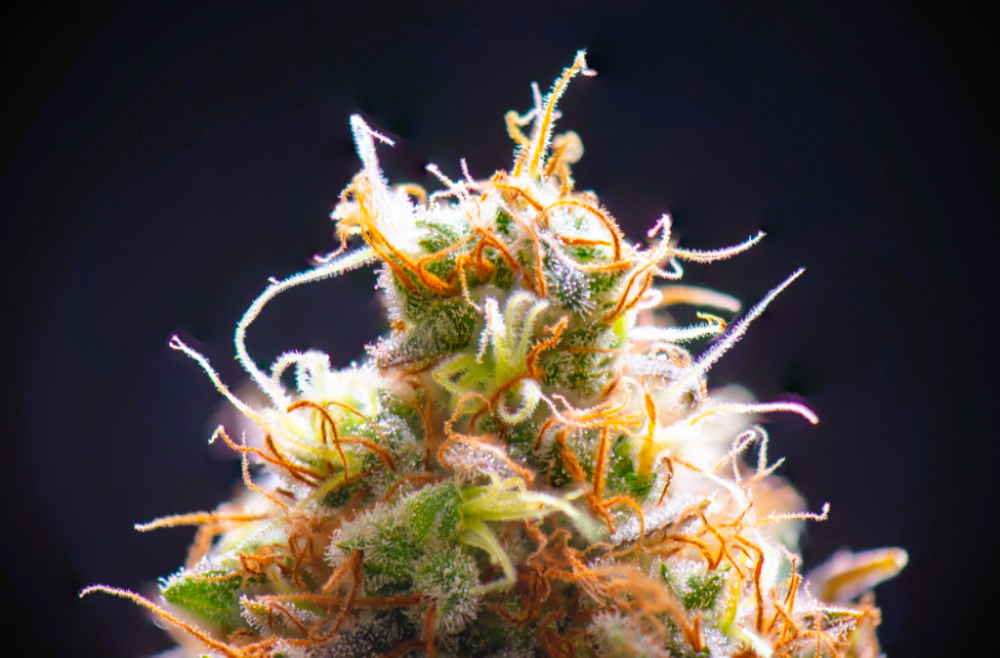
Medical Strain Analysis: Sweet CBD – Origins, Chemical Profile, Medical Benefits, and Growing Conditions
Sweet CBD is a strain that has gained considerable attention in the realm of medical cannabis. As researchers and healthcare professionals increasingly explore the therapeutic potential of cannabinoids, Sweet CBD stands out as a prominent strain specifically bred for medicinal applications. Its unique properties, high cannabidiol (CBD) content, minimal psychoactive effects, and a rich profile of therapeutic compounds make it an appealing choice for patients seeking relief from a myriad of ailments without the mind-altering effects commonly associated with cannabis. This detailed exploration will delve into the origins, chemical profile, medical benefits, and optimal growing conditions for Sweet CBD, painting a comprehensive picture of its potential as a valuable tool in modern medicine.
Origins of Sweet CBD
The origins of Sweet CBD lie in the ongoing quest to create cannabis strains with high medicinal value and minimal psychoactive impact. This strain is the product of carefully controlled hybridization efforts aimed at developing a plant with an elevated CBD concentration and negligible tetrahydrocannabinol (THC) content. THC is the compound responsible for the “high” traditionally associated with cannabis use, while CBD is non-intoxicating and has been widely recognized for its therapeutic effects.
Sweet CBD is thought to have been developed from genetic lines that prioritize CBD-rich traits, incorporating sativa-dominant strains to optimize its therapeutic profile. While the exact genetic lineage may vary depending on the specific breeder, many Sweet CBD plants can trace their heritage back to industrial hemp or CBD-dominant strains like Charlotte’s Web, Cannatonic, or ACDC. These strains are renowned for their medicinal qualities and served as the foundation for creating a plant that is highly stable, uniform in cannabinoid ratios, and easy to cultivate under diverse growing conditions.
This strain has been primarily developed for the medical cannabis market, with its creation reflecting a growing emphasis on addressing the needs of patients who require therapeutic relief without the risk of experiencing cognitive impairment. Sweet CBD’s development is emblematic of a broader movement in cannabis breeding: the pivot away from recreational strains high in THC and toward plants optimized for wellness and medical intervention.
Chemical Profile of Sweet CBD
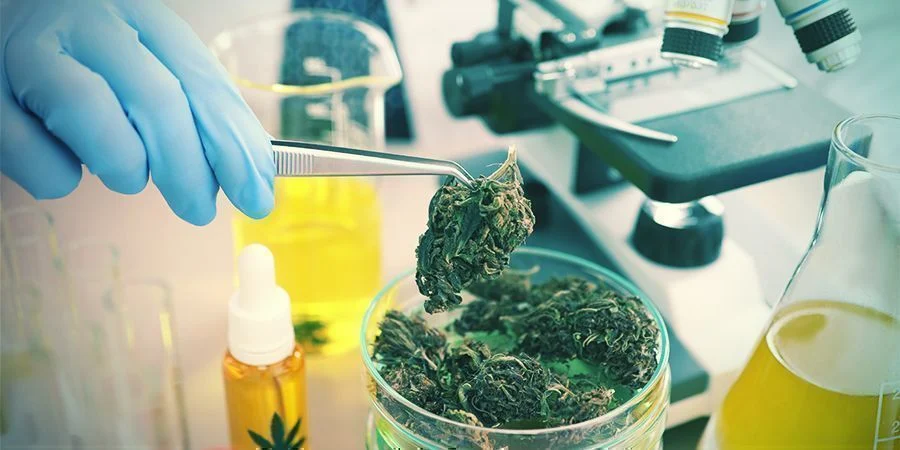
At the heart of Sweet CBD’s medicinal value lies its chemical composition, particularly its cannabinoid and terpene profiles. The strain is characterized by a CBD content that often ranges between 15% and 20%, with THC levels typically below 1%. This high CBD-to-THC ratio makes it a “CBD-dominant” strain and ensures that it delivers therapeutic benefits without psychoactivity.
Cannabinoid Profile
- CBD (Cannabidiol): CBD is the cornerstone of Sweet CBD’s therapeutic profile. It interacts with the endocannabinoid system (ECS) primarily by influencing CB1 and CB2 receptors indirectly. CBD has been shown to possess anti-inflammatory, analgesic, anxiolytic, antipsychotic, and neuroprotective properties. Its non-intoxicating nature allows patients to consume it throughout the day without affecting their mental clarity or daily routines.
- THC (Tetrahydrocannabinol): With THC levels typically below 1%, Sweet CBD avoids the psychoactive effects associated with traditional cannabis strains. The trace amounts of THC in this strain may contribute to the “entourage effect,” a synergistic interaction between cannabinoids and terpenes that enhances the therapeutic potential of the plant.
- Other Cannabinoids: Sweet CBD also contains minor cannabinoids such as CBG (cannabigerol), CBC (cannabichromene), and trace amounts of THCV (tetrahydrocannabivarin). These compounds contribute to the overall therapeutic effects of the strain. For instance, CBG has demonstrated anti-inflammatory and antibacterial properties, while CBC is known for its analgesic and anti-depressant effects.
Terpene Profile
Terpenes are fragrant substances that give cannabis its flavor, scent, and medicinal properties. Sweet CBD’s terpene profile is carefully balanced to enhance its medicinal benefits:
- Myrcene: Known for its sedative and muscle-relaxing properties, myrcene may amplify the pain-relieving effects of CBD.
- Limonene: Limonene, which smells like citrus, has anti-anxiety and mood-boosting properties. It also has potential as an anti-inflammatory and antifungal agent.
- Caryophyllene: This terpene interacts directly with CB2 receptors and provides anti-inflammatory, analgesic, and neuroprotective effects.
- Pinene: Found in many plants, pinene has anti-inflammatory and bronchodilatory properties, making it beneficial for patients with respiratory conditions.
- Linalool: Known for its calming and anti-anxiety properties, linalool can help patients with stress-related conditions or insomnia.
Medical Benefits of Sweet CBD
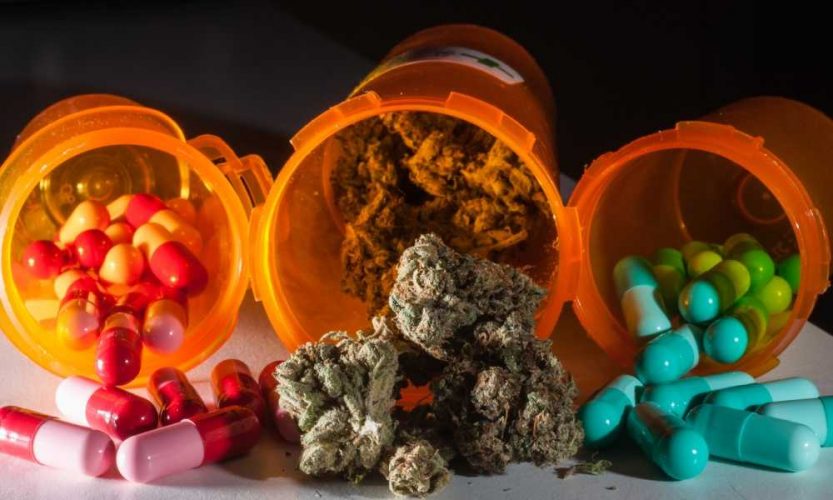
Sweet CBD is widely recognized for its versatility in addressing a range of medical conditions. Thanks to its high CBD content, the strain has emerged as a non-intoxicating alternative for patients seeking natural remedies for physical and psychological ailments. Below, we explore its therapeutic potential in detail.
1. Pain Management
Sweet CBD’s most prominent application is in the management of chronic pain. CBD has been extensively studied for its ability to modulate pain signals by interacting with the ECS. By indirectly influencing CB1 and CB2 receptors, CBD reduces inflammation and desensitizes pain receptors. Sweet CBD is particularly beneficial for individuals suffering from:
- Neuropathic Pain: Common in conditions like diabetes and multiple sclerosis, neuropathic pain can be challenging to manage with conventional pharmaceuticals. Sweet CBD provides relief by calming overactive nerve endings and reducing inflammation.
- Arthritis: The anti-inflammatory properties of CBD make Sweet CBD effective in alleviating joint pain and swelling, improving mobility and quality of life for patients with rheumatoid arthritis and osteoarthritis.
- Fibromyalgia: Sweet CBD offers a holistic approach to managing fibromyalgia, which is characterized by widespread pain, fatigue, and sleep disturbances.
2. Inflammatory Conditions
Inflammation is a root cause of many chronic diseases, and Sweet CBD’s potent anti-inflammatory properties make it a valuable tool for addressing conditions such as:
- Crohn’s Disease and Ulcerative Colitis: Sweet CBD can reduce inflammation in the gastrointestinal tract, providing relief from abdominal pain, cramping, and diarrhea.
- Autoimmune Disorders: Conditions like lupus and psoriasis, which involve excessive immune system activity, can benefit from the immunomodulatory effects of CBD.
3. Anxiety and Stress Disorders
Sweet CBD’s calming effects on the nervous system make it a popular choice for managing anxiety, stress, and related conditions. CBD’s ability to regulate serotonin receptors contributes to its anxiolytic properties. Patients with generalized anxiety disorder, post-traumatic stress disorder (PTSD), or social anxiety may find significant relief with Sweet CBD. Furthermore, its non-intoxicating nature ensures that it can be used during daily activities without impairing cognitive function.
4. Epilepsy and Seizure Disorders
One of the most well-documented medical applications of CBD is in the treatment of epilepsy. Sweet CBD’s high CBD content makes it particularly effective in reducing seizure frequency and severity in conditions such as Dravet syndrome and Lennox-Gastaut syndrome. Epidiolex, a CBD-based medication, has received FDA approval for these conditions, further validating the therapeutic potential of CBD-rich strains like Sweet CBD.
5. Neurodegenerative Diseases
CBD’s neuroprotective properties are a focal point of ongoing research into conditions such as Alzheimer’s disease, Parkinson’s disease, and multiple sclerosis. Sweet CBD’s ability to reduce oxidative stress and inflammation in the brain may slow disease progression and alleviate symptoms such as tremors, memory loss, and cognitive decline.
6. Sleep Disorders
For patients struggling with insomnia or disrupted sleep patterns, Sweet CBD can provide a natural alternative to sedatives. Its ability to promote relaxation and reduce anxiety makes it easier for patients to fall asleep and stay asleep, improving overall sleep quality.
7. Cancer-Related Symptoms
Cancer patients often face debilitating side effects from chemotherapy and radiation, including nausea, vomiting, pain, and appetite loss. Sweet CBD has shown promise in alleviating these symptoms, enhancing patient comfort and quality of life. Additionally, early research suggests that CBD may have anti-tumor properties, though further studies are needed to confirm these findings.
Growing Conditions for Sweet CBD
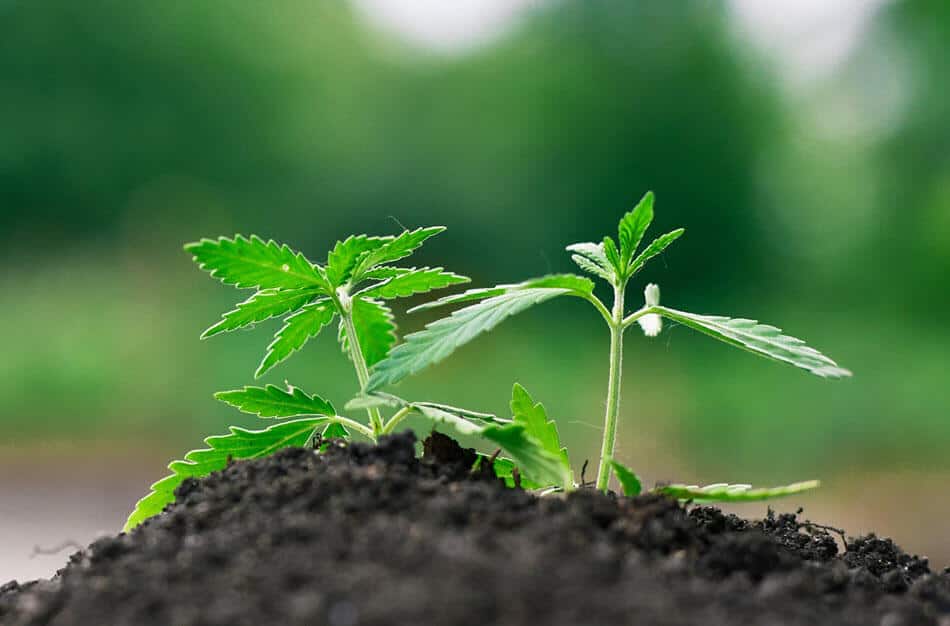
The cultivation of Sweet CBD requires careful attention to ensure that its therapeutic potential is fully realized. While the strain is relatively hardy and adaptable, optimal growing conditions will maximize CBD content and overall yield.
Climate and Environment
Sweet CBD thrives in both indoor and outdoor environments, though indoor cultivation provides greater control over growing conditions. The strain prefers a temperate climate with daytime temperatures ranging between 70°F and 85°F (21°C to 29°C). Consistent humidity levels of 40% to 50% are ideal during the vegetative stage, decreasing slightly during flowering to prevent mold and mildew.
Soil and Nutrients
Sweet CBD performs well in organic, nutrient-rich soil that supports healthy root development and cannabinoid production. Adding compost, worm castings, or other organic amendments can enhance soil quality. During the vegetative stage, the plant requires a nitrogen-rich fertilizer, while a phosphorus-heavy formula is recommended during flowering to support bud development.
Light and Photoperiod
As a sativa-dominant strain, Sweet CBD benefits from ample light exposure. Indoor growers should provide 18 to 24 hours of light during the vegetative stage and switch to a 12-hour light cycle during flowering. High-intensity LED or full-spectrum grow lights are ideal for promoting vigorous growth and resin production.
Watering and pH
Consistent watering is crucial for Sweet CBD, though overwatering should be avoided to prevent root rot. The strain prefers slightly acidic to neutral soil with a pH range of 6.0 to 7.0. Regular pH testing ensures that nutrients are properly absorbed by the plant.
Harvesting and Curing
Sweet CBD typically has a flowering period of 8 to 10 weeks. The plant is ready for harvest when the trichomes (tiny resin glands) turn milky white, indicating peak cannabinoid levels. Proper curing of the buds is essential to preserve their terpene profile and medicinal potency. This involves drying the buds slowly in a dark, well-ventilated space and then storing them in airtight containers.
Restrictions on Using Sweet CBD in the Medical Field and as a Last Resort
While Sweet CBD is recognized for its therapeutic benefits, its use in the medical field is often subject to strict regulations and guidelines. These restrictions aim to ensure patient safety, limit unintended consequences, and prevent any potential misuse. As a cannabis strain, Sweet CBD’s inclusion in medical treatment plans is typically approached with caution, and it is often recommended as a last-resort option when conventional therapies prove ineffective. Furthermore, strict monitoring of THC levels in medications derived from this strain is crucial to prevent psychoactive effects on patients. Below, we examine the rationale and framework for these restrictions in the medical field.
Sweet CBD as a Last Resort: Why the Caution?
The cautious use of Sweet CBD in medical applications stems from the fact that cannabis-based treatments, while promising, remain under scrutiny due to the need for more extensive clinical research. Regulatory bodies and healthcare providers generally recommend the use of CBD-dominant strains like Sweet CBD only after other approved medications and treatments have failed to yield satisfactory results. This approach aligns with the principle of medical conservatism, which prioritizes well-established therapies over newer or less-researched alternatives.
Situations Where Sweet CBD is Considered a Last Resort
- Chronic Pain Conditions: Patients with conditions like fibromyalgia or neuropathic pain may be prescribed Sweet CBD only after standard pain relievers, such as NSAIDs, opioids, or physical therapies, have failed to provide adequate relief.
- Epilepsy: While CBD has demonstrated efficacy in reducing seizures, Sweet CBD or CBD-derived products are typically considered only when conventional anti-epileptic drugs fail to control the condition.
- Anxiety and PTSD: Sweet CBD may be offered to patients with severe anxiety disorders or PTSD when first-line treatments, such as selective serotonin reuptake inhibitors (SSRIs) or cognitive-behavioral therapy (CBT), have limited or no effect.
- Inflammatory Disorders: Conditions such as Crohn’s disease or rheumatoid arthritis may warrant the use of Sweet CBD only when traditional anti-inflammatory medications, such as corticosteroids or biologics, are insufficient.
The “last resort” designation for Sweet CBD ensures that its use is carefully evaluated on a case-by-case basis, with consideration given to the potential benefits and risks for each individual patient. This minimizes unnecessary exposure to cannabis-based products and aligns with evidence-based medical practices.
Monitoring THC Levels to Prevent Psychoactive Effects
One of the key considerations in the medical use of Sweet CBD is its low THC content, typically less than 1%. However, even trace amounts of THC can have psychoactive effects in sensitive individuals or if consumed in high doses over time. To prevent unintended psychoactivity, strict monitoring and regulation of THC levels in medications derived from Sweet CBD are essential.
Importance of THC Regulation in Medical Treatments
- Maintaining Cognitive Clarity: Patients using Sweet CBD for medical purposes often need to perform daily tasks or maintain cognitive function. Ensuring minimal THC content eliminates the risk of impairment.
- Preventing Dependency: THC, even in small quantities, has the potential to cause dependency in some patients. Monitoring its levels in Sweet CBD-derived products helps mitigate this risk.
- Ensuring Consistency in Treatment: Precise regulation of THC levels ensures that patients receive consistent therapeutic effects from their medication without fluctuations that could lead to side effects or diminished efficacy.
Methods of THC Monitoring
- Rigorous Lab Testing: All Sweet CBD-derived products should undergo third-party laboratory testing to verify cannabinoid content. These tests confirm that THC levels remain below the permissible threshold and ensure compliance with regulatory standards.
- Standardized Extraction Processes: The methods used to extract CBD from Sweet CBD plants must prioritize the removal of THC. Advanced techniques, such as CO2 extraction, are often employed to achieve this level of precision.
- Labeling and Dosage Transparency: Clear labeling on Sweet CBD medications ensures that patients and healthcare providers are fully informed about THC content, enabling safer use.
By prioritizing THC monitoring, healthcare providers can maximize the medical benefits of Sweet CBD while minimizing risks associated with its psychoactive properties.
Ethical and Legal Considerations
The use of Sweet CBD in the medical field is tightly regulated to address ethical and legal concerns. In many jurisdictions, cannabis-based treatments require special approval, often under compassionate use programs, to ensure they are reserved for patients in genuine need. Physicians prescribing Sweet CBD must adhere to legal guidelines and maintain meticulous records of its use, demonstrating that it is being employed solely for medical purposes and as a last resort.
Ethical Oversight
Healthcare professionals are obligated to weigh the potential benefits of Sweet CBD against possible risks, such as side effects or long-term impacts. This careful consideration ensures that the treatment aligns with ethical principles, such as patient autonomy, beneficence, and non-maleficence.
Preventing Misuse and Diversion
Strict controls around the cultivation, distribution, and prescription of Sweet CBD help prevent its misuse or diversion for non-medical purposes. This includes limiting access to licensed dispensaries and requiring a physician’s authorization for its use.
Conclusion
Sweet CBD stands as a remarkable advancement in the medical application of cannabis, offering significant therapeutic benefits without the psychoactive effects typically associated with THC-rich strains. Its origins, rooted in careful breeding for high CBD content and minimal THC, make it a standout choice for patients seeking relief from chronic pain, inflammation, anxiety, seizures, and other conditions. The strain’s rich chemical profile, including CBD, minor cannabinoids, and therapeutic terpenes, underpins its ability to address a wide range of medical issues while remaining non-intoxicating.
However, Sweet CBD’s use in the medical field must be approached with caution. Its designation as a “last resort” treatment ensures it is prescribed only when conventional therapies fail to deliver satisfactory results. This approach prioritizes patient safety, limiting unnecessary exposure to cannabis-based treatments and aligning with evidence-based medical practices. Sweet CBD’s application is carefully tailored to specific cases, such as chronic pain conditions, epilepsy, or severe anxiety, where its unique properties can provide meaningful relief.
To safeguard patients from any potential psychoactive effects, strict monitoring of THC levels in Sweet CBD-derived medications is essential. Advanced extraction methods, rigorous lab testing, and clear labeling ensure that THC content remains negligible, preserving cognitive clarity and preventing dependency. Regulatory oversight also ensures ethical and legal compliance, reserving Sweet CBD’s use exclusively for genuine medical needs and preventing misuse.
Lastly, the cultivation of Sweet CBD under optimal conditions—focusing on soil quality, controlled lighting, and proper harvesting techniques—further enhances its medicinal potency. Together, these factors contribute to Sweet CBD’s growing reputation as a trusted therapeutic option in modern medicine.
By combining scientific rigor, ethical considerations, and patient-centered care, Sweet CBD exemplifies the potential of cannabis in the medical field, offering hope to patients while adhering to strict safety standards.
