
Medical Strain Analysis: Sweet and Sour Widow
-
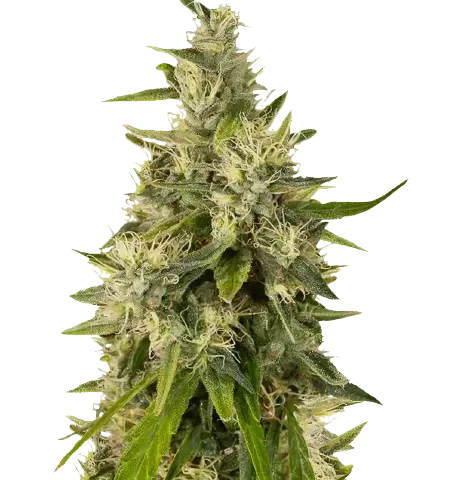 Sweet and Sour Widow CBD Cannabis SeedsFrom: $24.99
Sweet and Sour Widow is a unique cannabis strain celebrated for its balanced profile and therapeutic properties. As one of the strains that effectively combines cannabidiol (CBD) and tetrahydrocannabinol (THC), it has garnered a strong reputation in medical cannabis circles for its potential in managing a wide range of symptoms. With a lineage rooted in the famous White Widow, Sweet and Sour Widow inherits both resilience and potency. However, what sets this strain apart is its composition, which emphasizes a more moderate THC level balanced with high CBD content, providing therapeutic relief without excessive psychoactivity.
Origins of Sweet and Sour Widow
Sweet and Sour Widow is a product of a careful breeding process designed to produce a medicinally balanced strain with a more approachable THC content for patients seeking relief without intense psychoactive effects. It’s a hybrid strain, with White Widow as one of its genetic parents. White Widow is itself a highly acclaimed strain, known for its strong THC content, powerful effects, and robust growth profile. Originating from the Netherlands in the 1990s, White Widow has become a staple in the cannabis world, with various hybrids emerging from its lineage. Breeders aimed to harness White Widow’s resilience and medicinal potential by tempering its high THC profile with a significant CBD boost.
Sweet and Sour Widow is the product of breeding this classic strain with a high-CBD cultivar. The exact specifics of the second parent strain vary depending on the source, but the aim remains consistent: balancing the THC content with CBD. This balance makes Sweet and Sour Widow particularly appealing to medical users who may be sensitive to high THC levels but still wish to benefit from the synergy of cannabinoids known as the “entourage effect.” The name itself reflects its dual nature—“Sweet and Sour” represents both the balanced profile and the distinctively mild and earthy flavors this strain is known for.
Chemical Profile of Sweet and Sour Widow

The chemical composition of Sweet and Sour Widow is distinguished by its relatively balanced levels of THC and CBD, often in a 1:1 or slightly higher CBD-to-THC ratio. This combination is central to its medicinal profile, providing the therapeutic benefits of both cannabinoids with a more manageable psychoactive experience. Below is a summary of some of Sweet and Sour Widow’s main chemical constituents:
- THC (Tetrahydrocannabinol): Typically, Sweet and Sour Widow contains around 5-8% THC. While this is lower than many recreational strains, it is ideal for medical users who need relief without a pronounced “high.” THC is known to interact with the CB1 receptors in the brain, which can contribute to pain relief, reduction in muscle spasticity, and anti-inflammatory effects.
- CBD (Cannabidiol): With a comparable level of CBD—often between 5-10%—Sweet and Sour Widow is well-suited for medical applications. CBD interacts primarily with CB2 receptors in the body, which are associated with the immune system. This cannabinoid is known for its potential to reduce inflammation, alleviate anxiety, and manage chronic pain without intoxicating effects.
- Terpenes: Terpenes are the aromatic compounds that contribute to the distinctive smell and therapeutic properties of cannabis strains. In Sweet and Sour Widow, the primary terpenes typically include:
- Myrcene: Known for its earthy aroma and sedative properties, myrcene enhances the calming effects of CBD and THC.
- Caryophyllene: This peppery-scented terpene is unique as it interacts with CB2 receptors, adding an anti-inflammatory component to the strain.
- Limonene: The medicinal nature of Sweet and Sour Widow is further enhanced by this citrus-scented terpene, which is linked to stress reduction and mood enhancement.
The combination of these cannabinoids and terpenes creates a strain that offers a full spectrum of effects while minimizing the risk of overwhelming psychoactivity. The entourage effect, in which terpenes and cannabinoids cooperate to provide a full-bodied therapeutic experience, is made possible by the balanced ratios of THC and CBD.
Medical Benefits of Sweet and Sour Widow

Sweet and Sour Widow is especially valued in the medical cannabis community due to its broad therapeutic potential, enhanced by the balanced THC-CBD ratio. The strain’s composition allows it to serve a variety of medical conditions, providing symptom relief without the intense psychoactive effects that may be present in high-THC strains. The following are a some of the main health advantages of Sweet and Sour Widow:
- Pain Management: One of the most prominent uses of Sweet and Sour Widow is for managing chronic pain. The combination of THC and CBD has been shown to offer effective pain relief, targeting both nociceptive (physical) and neuropathic (nerve) pain. THC can provide an analgesic effect by binding to CB1 receptors in the brain and nervous system, while CBD contributes through anti-inflammatory pathways and interaction with serotonin receptors. Patients with arthritis, fibromyalgia, and other chronic pain conditions often find Sweet and Sour Widow helpful, as it offers relief without the intense psychoactive effects that can be challenging for some.
- Anxiety and Stress Relief: CBD is well-regarded for its anxiolytic properties, and Sweet and Sour Widow’s CBD levels make it an ideal choice for patients with anxiety disorders or high-stress levels. The moderate THC content provides a mild mood-enhancing effect without provoking anxiety, which can sometimes be an issue with high-THC strains. The limonene terpene further enhances these calming properties, making Sweet and Sour Widow a strain that can gently alleviate stress without sedation or impairment.
- Anti-Inflammatory Benefits: The presence of both CBD and THC in Sweet and Sour Widow gives it robust anti-inflammatory properties, which can be beneficial for conditions involving inflammation, such as arthritis, Crohn’s disease, and other autoimmune disorders. Caryophyllene, one of the strain’s primary terpenes, binds directly with CB2 receptors to aid in reducing inflammation, which, combined with CBD, provides a powerful anti-inflammatory profile.
- Sleep Aid for Insomnia: While Sweet and Sour Widow is not inherently sedative, it can be beneficial for sleep in cases where anxiety or pain is the root cause of insomnia. Myrcene, a terpene with mild sedative properties, works with the cannabinoids to help users relax, promoting restful sleep. This strain can be particularly advantageous for patients who need sleep support without strong sedative effects, making it easier for users to wake up without feeling groggy.
- Neuroprotective Effects: Emerging research on CBD and THC has highlighted their potential neuroprotective properties, which may help slow the progression of neurodegenerative diseases like Alzheimer’s and Parkinson’s. Sweet and Sour Widow’s balanced profile makes it a candidate for long-term use in patients looking to protect cognitive health while managing other symptoms associated with these conditions, such as anxiety or mild pain.
- Muscle Spasms and Spasticity: Conditions like multiple sclerosis and certain types of spinal cord injuries often involve painful muscle spasms. Sweet and Sour Widow’s THC content is sufficient to help relax muscles and reduce spasticity while the CBD component contributes to overall relief and relaxation. This combination can offer significant improvements in quality of life for patients experiencing involuntary muscle contractions.
- Epilepsy and Seizure Disorders: CBD has gained significant recognition for its anticonvulsant properties, which has led to its use in treating epilepsy and seizure disorders. Sweet and Sour Widow, with its high CBD content, has shown promise in this area, providing seizure control without the intoxicating effects of high-THC strains. This is especially crucial for sensitive and young patients who need seizure control without the impairment that THC causes.
Growing Conditions for Sweet and Sour Widow

Growing Sweet and Sour Widow is relatively straightforward, though it benefits from some specific conditions to reach its full potential. Its genetic lineage from White Widow grants it resilience, allowing it to be cultivated indoors and outdoors with moderate effort. However, to optimize the medicinal qualities and ensure a balanced cannabinoid profile, growers need to pay attention to several factors:
- Climate and Temperature: Sweet and Sour Widow prefers a Mediterranean climate when grown outdoors, thriving in warm temperatures with consistent sunlight. Ideal daytime temperatures range from 70 to 85°F (21 to 29°C), with nighttime temperatures not dipping too far below 60°F (15°C). While it is a hardy strain that can withstand minor fluctuations, extreme cold or excessive heat may affect both yield and cannabinoid content.
- Lighting Requirements: If grown indoors, Sweet and Sour Widow responds well to a balanced light cycle. During the vegetative phase, a 18/6 light schedule (18 hours of light, 6 hours of darkness) is recommended, shifting to 12/12 during the flowering phase to stimulate bud production. Full-spectrum LED lights or HPS (High-Pressure Sodium) lamps are ideal, as they provide the intensity and range necessary for robust growth and optimal terpene production.
- Nutrients and Soil: Rich, organic soil that drains well and has adequate airflow is ideal for Sweet and Sour Widow’s growth. High-quality soil with added perlite or vermiculite ensures good root health and nutrient uptake. During the vegetative stage, the plant requires a higher nitrogen concentration, while during the flowering stage, phosphorus and potassium levels should be increased to support bud growth. Organic fertilizers rich in micronutrients like calcium, magnesium, and sulfur can enhance both yield and potency.
- Humidity and Air Circulation: To prevent mold and mildew, humidity should be kept around 40-50% during the flowering stage, with good air circulation. The use of oscillating fans and proper ventilation can help regulate humidity and reduce the risk of fungal infections, which is especially important when growing indoors.
- Flowering Time and Harvesting: When cultivated indoors, Sweet and Sour Widow takes about 8 to 9 weeks to blossom. In the Northern Hemisphere, harvest is usually available for outdoor cultivation by late September or early October. Timely harvesting is crucial, as cannabinoid levels can change rapidly in the final stages of flowering. To maximize CBD and maintain a balanced THC level, many growers recommend harvesting just as the trichomes turn milky white, which indicates peak cannabinoid potency.
- Yield and Plant Structure: The plant structure of Sweet and Sour Widow is relatively compact, with bushy branches that may benefit from occasional pruning and training techniques like topping or LST (Low-Stress Training) to ensure even light distribution and airflow. Yields are generally moderate but rewarding, with indoor yields averaging around 12-16 ounces per square meter and outdoor yields ranging from 16-20 ounces per plant under optimal conditions.
- Post-Harvest Curing: Proper curing is essential to preserve the medicinal properties of Sweet and Sour Widow, as it allows for terpene preservation and enhances the flavor profile. After harvesting, buds should be dried in a dark, well-ventilated room with a temperature of 65-75°F (18-24°C) and humidity levels between 45-55%. Once dried, the buds should be placed in airtight containers for curing, opening them periodically for the first two weeks to release excess moisture. This process allows for a smoother, more stable chemical profile, which is important for medicinal use.
Restrictions on Using Sweet and Sour Widow in the Medical Field and Its Designation as a Last Resort Option
Sweet and Sour Widow, with its balanced THC and CBD profile, holds therapeutic potential for patients with various chronic conditions. However, due to the presence of THC, a psychoactive cannabinoid, medical use of this strain is often subject to regulatory restrictions, careful patient selection, and is frequently designated as a last-resort option. For medical practitioners, guidelines emphasize caution and patient monitoring to ensure that the benefits outweigh any potential psychoactive side effects, particularly in vulnerable populations like children, the elderly, and those with mental health concerns.
Regulatory Restrictions and Conditions of Use
In many regions, cannabis-based treatments containing THC, including those derived from Sweet and Sour Widow, are highly regulated, especially in medical contexts. Regulatory bodies often mandate that cannabis with any psychoactive component be considered only after standard treatment options have been exhausted. Sweet and Sour Widow’s moderate THC content—typically around 5-8%—demands that its administration be carefully considered and restricted to patients who have not responded to conventional therapies. This “last-resort” designation helps prioritize non-psychoactive treatments initially and limits exposure to THC until necessary.
Furthermore, legal restrictions vary significantly depending on jurisdiction. In some countries or states, any cannabis product with THC is classified as a controlled substance, with stringent criteria for its prescription and distribution. Medical cannabis with THC content is generally available only through authorized healthcare providers who follow specific protocols for dosing and monitoring, especially if the THC levels could produce mild psychoactive effects. These regulatory safeguards are in place to prevent misuse and to ensure that only patients with legitimate medical need and tolerance for THC receive these treatments.
Monitoring THC Levels to Minimize Psychoactive Effects
One of the key considerations for healthcare providers prescribing Sweet and Sour Widow for medical purposes is the careful monitoring of THC levels to prevent unintended psychoactivity in patients. Despite its moderate THC content, this strain can still produce psychoactive effects, albeit milder than high-THC strains. Monitoring these levels becomes crucial, particularly when treating conditions that require frequent dosing, as cumulative THC intake can increase the risk of psychoactive side effects.
To address this, many medical protocols include guidelines on dose titration, starting with the lowest effective dose and gradually increasing only if needed. This approach helps manage symptoms while minimizing the chance of psychoactivity, especially in patients who may be sensitive to THC. For instance, patients with anxiety may experience exacerbated symptoms from THC’s effects, necessitating close supervision and possibly even microdosing, where the dosage is kept minimal enough to avoid noticeable psychoactivity.
In addition, CBD’s presence in Sweet and Sour Widow is advantageous, as it may counteract some of THC’s psychoactive properties by modulating its effects on the endocannabinoid system. This characteristic makes the strain more manageable for medical use, as the balanced profile can provide therapeutic benefits without overwhelming psychoactivity. Still, healthcare providers are advised to monitor patients closely for any signs of adverse effects, including changes in mood, cognition, or coordination, particularly in the initial phases of treatment.
Patient Selection and Monitoring Protocols
Another safeguard in the medical use of Sweet and Sour Widow involves strict patient selection criteria. Patients are generally assessed on a case-by-case basis to determine their suitability for a THC-containing treatment. Those with histories of mental health conditions, particularly those prone to psychosis or bipolar disorder, are often excluded due to the potential risk THC poses for these groups. In pediatric cases, THC-based treatments are typically avoided unless absolutely necessary, as young patients are more susceptible to THC’s psychoactive and developmental effects.
Regular follow-ups are an integral part of treatment with THC-containing strains. During these check-ins, healthcare providers assess the efficacy of the treatment and watch for signs of psychoactive influence. Laboratory tests, such as blood cannabinoid level monitoring, may also be employed to ensure THC levels remain within a therapeutic range and do not exceed safe thresholds.
In Summary
Sweet and Sour Widow offers notable therapeutic potential, particularly for patients needing relief from chronic pain, inflammation, anxiety, and other persistent medical conditions. Its balanced chemical profile, containing both THC and CBD in moderate amounts, allows for the beneficial synergy of cannabinoids known as the entourage effect, offering symptom relief without excessive psychoactivity. However, due to its THC content, the strain is often designated as a last-resort option in medical treatment plans, used only when conventional therapies prove inadequate.
Regulatory restrictions in many regions underscore the importance of careful dosing and strict patient selection to avoid any adverse psychoactive effects. Close monitoring protocols, including regular follow-ups and THC level assessments, are essential in ensuring patient safety, particularly for vulnerable groups like children and individuals with mental health conditions. Medical professionals are advised to use conservative titration techniques, starting with minimal dosages to evaluate each patient’s tolerance.
Overall, Sweet and Sour Widow exemplifies a medically valuable strain when handled with proper oversight, offering a balanced approach to cannabis therapy that supports symptom management while prioritizing patient well-being and safety.
