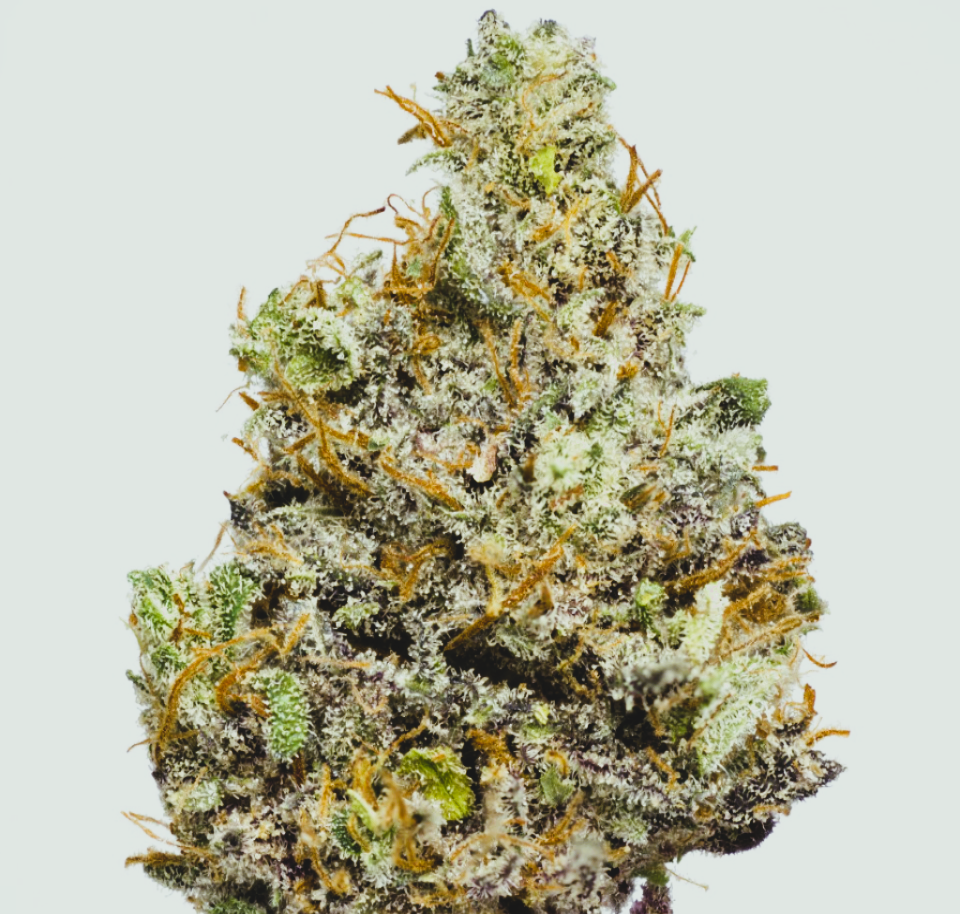
Medical Strain Analysis: Stormy CBD
Stormy CBD is a therapeutic hemp strain that has gained prominence for its distinctive chemical profile and substantial medical applications. Characterized by its high cannabidiol (CBD) content and negligible tetrahydrocannabinol (THC) levels, this strain has become a beacon of hope in the medical community, particularly for patients seeking the benefits of cannabis without the psychoactive effects associated with traditional marijuana. By examining its origins, chemical composition, medicinal applications, and ideal growing conditions, we can understand why Stormy CBD has emerged as a frontrunner in the field of medicinal cannabis.
Origins and Development of Stormy CBD
The origins of Stormy CBD trace back to the efforts of breeders dedicated to the cultivation of cannabis plants with therapeutic potential but without the intoxicating effects of THC. The strain was developed during the recent wave of demand for CBD-rich cultivars. Breeders focused on genetic selection, crossing hemp varieties with specific high-CBD phenotypes while stabilizing the plant’s THC levels to below the federally regulated threshold of 0.3%. The goal was to create a strain that would comply with legal standards, remain accessible to a wide array of patients, and provide consistent therapeutic effects.
The name “Stormy CBD” evokes imagery of calming relief amidst the “storm” of symptoms associated with chronic illnesses. The strain is thought to have descended from a hybridization of European and North American hemp genetics, incorporating resilience, adaptability, and a potent cannabinoid profile. Through successive generations of selective breeding, the strain achieved uniformity in its CBD concentrations, terpene content, and overall performance in cultivation. It was created specifically for medical applications, which is reflected in its consistent chemical makeup and predictable therapeutic effects.
Chemical Profile of Stormy CBD
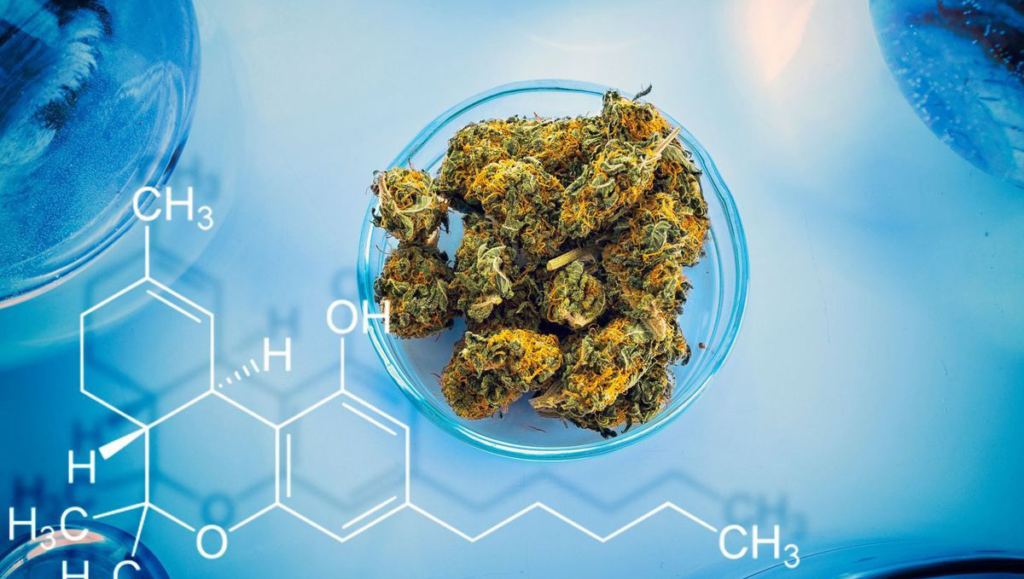
At the heart of Stormy CBD’s effectiveness lies its intricate and powerful chemical profile. Its primary component, cannabidiol (CBD), constitutes the majority of its cannabinoid content. Depending on the batch and growing conditions, CBD levels in Stormy CBD range between 16% and 22%. By contrast, the THC content remains well below the legal limit of 0.3%, ensuring it does not induce any psychoactive effects or intoxication. This low THC level also makes Stormy CBD an ideal strain for medical patients who may need to remain fully functional while reaping the therapeutic benefits of cannabis.
Beyond CBD, Stormy CBD contains a host of other minor cannabinoids that contribute to its medicinal efficacy. Cannabigerol (CBG), a non-intoxicating cannabinoid known for its anti-inflammatory and neuroprotective properties, is often present in concentrations of 1% to 2%. Cannabinol (CBN) and cannabichromene (CBC), which are increasingly studied for their roles in pain management and immune system modulation, are also detectable in trace amounts. The presence of these minor cannabinoids supports the “entourage effect,” a phenomenon wherein the combined actions of cannabinoids and terpenes produce greater therapeutic effects than any single compound in isolation.
Stormy CBD’s terpene profile is another critical aspect of its chemical makeup. The terpenes not only shape the strain’s aroma and flavor but also amplify its medicinal benefits. Myrcene, one of the most abundant terpenes in Stormy CBD, is known for its sedative, muscle-relaxing, and analgesic properties. Pinene, another dominant terpene, exhibits anti-inflammatory and bronchodilator effects, which make it particularly beneficial for patients with respiratory conditions. Limonene, a terpene with a citrus aroma, offers stress-relief and mood-enhancing properties, while linalool contributes its calming effects, making it useful for patients dealing with anxiety or sleep disorders. Other terpenes present in smaller amounts, such as caryophyllene and humulene, provide anti-inflammatory and pain-relief benefits, complementing the strain’s overall therapeutic profile.
Another aspect of Stormy CBD’s chemical composition worth mentioning is its lack of intoxicating compounds, which makes it especially appealing for children, the elderly, and individuals with sensitivity to THC. Its consistency across different harvests also ensures that patients can rely on the strain for predictable dosing, an essential factor for effective long-term treatment.
Medical Benefits of Stormy CBD
Stormy CBD is celebrated for its wide range of medical benefits. Thanks to its high CBD content and synergistic cannabinoid-terpene interactions, the strain addresses numerous conditions with minimal side effects. Below are some of the most notable therapeutic applications of this strain:
1. Pain Management
One of the primary medical uses of Stormy CBD is the management of chronic pain. CBD interacts with the body’s endocannabinoid system (ECS) to modulate pain perception and reduce inflammation. By targeting CB1 and CB2 receptors indirectly, CBD reduces the overactive pain signals in the nervous system without causing dependency or tolerance issues. The presence of myrcene and caryophyllene in Stormy CBD enhances its analgesic effects, offering relief for patients with conditions such as arthritis, fibromyalgia, and neuropathy.
2. Anti-Inflammatory Properties
Inflammation is a common underlying factor in many chronic diseases, including autoimmune disorders, gastrointestinal conditions, and neurodegenerative diseases. Stormy CBD’s potent anti-inflammatory properties stem from its ability to inhibit the production of pro-inflammatory cytokines while promoting the activity of regulatory cells in the immune system. Patients with conditions like Crohn’s disease, multiple sclerosis, and rheumatoid arthritis have reported significant symptom relief with regular use of Stormy CBD.
3. Anxiety and Stress Reduction
Stormy CBD is highly effective in treating anxiety and stress-related disorders, owing to its interaction with serotonin receptors in the brain. CBD has been shown to increase serotonin availability, creating a calming effect and reducing the physiological responses associated with anxiety, such as elevated heart rate and hyperactivity. Limonene and linalool further contribute to this effect by enhancing relaxation and promoting a sense of well-being. As a result, patients with generalized anxiety disorder (GAD), social anxiety, and post-traumatic stress disorder (PTSD) often turn to Stormy CBD for relief.
4. Epilepsy and Seizure Disorders
The use of CBD in the treatment of epilepsy has been extensively studied, and Stormy CBD is no exception. Because of its high CBD content, it helps people with disorders like Dravet syndrome and Lennox-Gastaut syndrome experience fewer and milder seizures. CBD modulates the excitability of neurons, preventing the overfiring that leads to seizures. This has made Stormy CBD a valuable adjunct or alternative to traditional anti-epileptic medications.
5. Neuroprotective Properties
Emerging research highlights the neuroprotective effects of CBD, particularly in conditions such as Alzheimer’s disease, Parkinson’s disease, and multiple sclerosis. Stormy CBD’s ability to reduce oxidative stress and inflammation in neural tissues can slow disease progression and alleviate symptoms like tremors, rigidity, and cognitive decline. The inclusion of terpenes like pinene also helps improve memory and focus, which is particularly beneficial for patients in the early stages of neurodegenerative diseases.
6. Insomnia and Sleep Disorders
For patients struggling with insomnia or disrupted sleep patterns, Stormy CBD offers a natural alternative to prescription sleep aids. CBD has been shown to regulate sleep-wake cycles by interacting with receptors that govern circadian rhythms. Myrcene, known for its sedative properties, plays a pivotal role in enhancing the strain’s sleep-inducing effects. Regular use of Stormy CBD can improve sleep quality and duration without causing morning grogginess or dependency.
7. Support for Cancer Patients
Cancer patients undergoing chemotherapy often face debilitating side effects, including nausea, loss of appetite, and neuropathic pain. Stormy CBD’s anti-nausea and appetite-stimulating effects, likely mediated through interactions with the serotonin system, make it an invaluable tool for improving quality of life during cancer treatment. Additionally, preliminary research suggests that CBD may inhibit the growth of certain cancer cells, although more studies are needed to confirm these effects.
8. Skin Conditions
Topical applications of Stormy CBD extracts have proven effective for various dermatological conditions, including eczema, psoriasis, and acne. CBD’s anti-inflammatory and sebum-regulating properties help reduce redness, swelling, and clogged pores. When paired with terpenes like caryophyllene, the strain also soothes irritation and promotes skin healing.
Ideal Growing Conditions for Stormy CBD
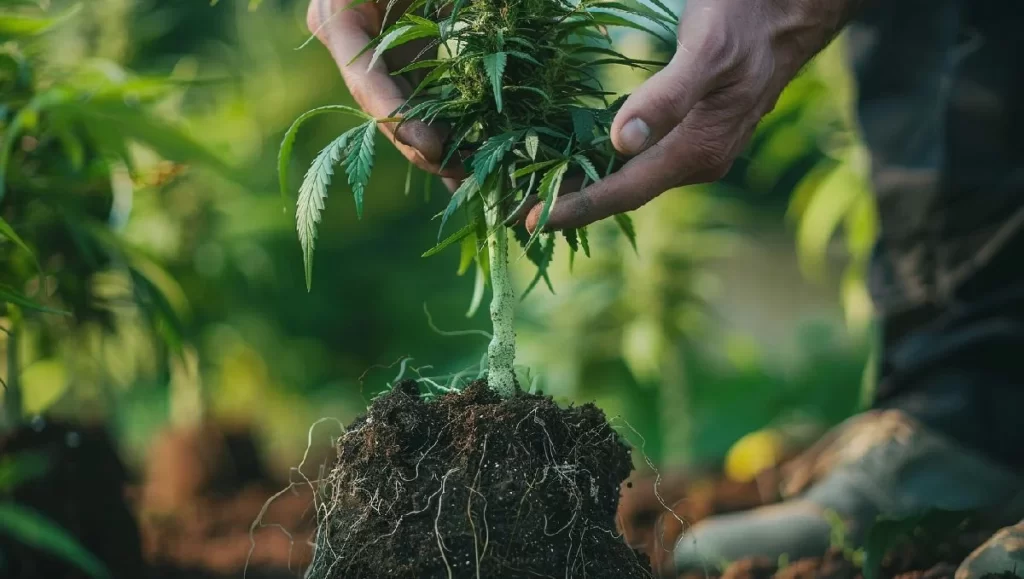
The cultivation of Stormy CBD requires careful attention to environmental factors to ensure the development of its full therapeutic potential. As a hemp strain, it is relatively hardy and adaptable but thrives best under specific conditions tailored to optimize its cannabinoid and terpene profiles.
Climate and Temperature
Stormy CBD is well-suited to temperate climates with consistent sunlight and moderate humidity levels. It performs best in temperatures ranging from 68°F to 78°F during the vegetative phase, with slightly cooler temperatures (65°F to 75°F) during the flowering phase. Excessive heat or cold can stress the plants and negatively impact their CBD yield and terpene production. Indoor cultivation allows growers to maintain precise temperature control, but outdoor growers can achieve excellent results in regions with mild, sunny weather.
Soil and Nutrients
This strain thrives in well-draining, nutrient-rich soil with a pH range of 6.0 to 7.0. Organic cultivation practices are often preferred to preserve the medicinal integrity of the plant and avoid contamination with synthetic chemicals. Compost, bat guano, and kelp meal are commonly used to provide essential nutrients. During the vegetative phase, nitrogen-rich fertilizers support healthy growth, while phosphorus and potassium are crucial during the flowering phase to maximize bud development and resin production.
Light and Photoperiod
Stormy CBD is photoperiod-sensitive, meaning its flowering stage is triggered by changes in light exposure. Indoor growers can manipulate light cycles to induce flowering, typically providing 18 hours of light during the vegetative stage and reducing it to 12 hours during the flowering stage. Full-spectrum LED grow lights are often preferred for indoor cultivation, as they provide the ideal wavelengths for cannabinoid and terpene synthesis.
Watering and Humidity
Consistent watering is essential for optimal growth, but overwatering should be avoided, as it can lead to root rot and other issues. During the vegetative stage, the plant requires more frequent watering, while the flowering stage calls for a slightly reduced watering schedule to encourage resin production. Humidity levels should be maintained between 40% and 60% during vegetative growth and lowered to 30%–40% during flowering to prevent mold and mildew.
Pest and Disease Management
As a medical strain, Stormy CBD must be cultivated under strict pest and disease management protocols to ensure a clean and safe product. Organic pest management techniques are frequently used, such as applying neem oil or introducing beneficial insects like ladybugs. Regular monitoring for signs of mold, mildew, or pests is essential, particularly in humid climates or densely packed grow rooms.
Harvesting and Curing
The timing of the harvest is critical for maximizing Stormy CBD’s therapeutic properties. Most growers harvest the plant when the trichomes (resin glands) turn milky white, indicating peak CBD levels. After harvest, the buds must be carefully dried and cured in a controlled environment to preserve their cannabinoids and terpenes. The curing process involves storing the buds in airtight containers at 60%–65% humidity for several weeks, allowing the chemical profile to stabilize and develop its full potential.
Restrictions on Using Stormy CBD in the Medical Field and as a Last Resort
The use of Stormy CBD, like any cannabis-based therapy, comes with certain restrictions and guidelines in the medical field to ensure patient safety and compliance with regulatory standards. While this strain boasts a high cannabidiol (CBD) content and negligible tetrahydrocannabinol (THC) levels, its implementation in medical treatment is strictly controlled, often reserved as a last-resort option for patients who have not responded to conventional treatments. Additionally, the monitoring of THC levels in medications derived from Stormy CBD is critical to preventing any psychoactive effects, thereby maintaining the safety and efficacy of these therapies.
Use as a Last-Resort Option
Stormy CBD is generally recommended as a treatment of last resort for several reasons. Firstly, its use is often restricted to cases where traditional medical interventions have failed or caused adverse effects. For example, patients with treatment-resistant epilepsy, chronic pain, or autoimmune disorders may turn to Stormy CBD after exhausting standard pharmacological options. This prioritization of conventional treatments ensures that cannabis-based therapies are used judiciously and only when absolutely necessary, thereby avoiding over-reliance on alternative medicine.
Secondly, the classification of Stormy CBD as a last-resort option reflects the cautious approach of medical institutions and regulatory bodies. Despite its therapeutic potential, cannabis-based treatments still carry a degree of stigma and uncertainty due to the lack of long-term clinical studies in some areas. By restricting its use to cases of medical necessity, healthcare providers can mitigate concerns about overuse and misuse while ensuring that patients receive treatments supported by robust evidence.
Monitoring THC Levels to Prevent Psychoactive Effects
The stringent control of THC levels in derived drugs is one of the main barriers to the use of stormy CBD in the medicinal industry. Although Stormy CBD naturally contains less than 0.3% THC, even trace amounts of this psychoactive compound can accumulate in some formulations if not properly regulated. THC can produce undesirable side effects such as dizziness, confusion, or euphoria, which are counterproductive to the goal of providing safe and controlled medical relief.
To address this concern, healthcare providers and manufacturers are required to conduct rigorous testing during every stage of production, from cultivation to final product formulation. This ensures that the THC content remains well below the psychoactive threshold and complies with legal standards. Advanced laboratory techniques, such as high-performance liquid chromatography (HPLC), are commonly used to measure cannabinoid levels with precision, ensuring the consistency and safety of the medication.
Additionally, patient use of Stormy CBD-based medications is closely monitored by healthcare providers. Dosing regimens are carefully calibrated to minimize the risk of THC-related side effects, and patients are frequently assessed for any adverse reactions. By combining meticulous testing with ongoing patient monitoring, the risk of psychoactive effects is virtually eliminated, making Stormy CBD a safe option for vulnerable populations such as children and the elderly.
Conclusion: The Significance of Stormy CBD in Medical Applications
Stormy CBD represents a transformative development in the medical cannabis field, distinguished by its high cannabidiol (CBD) content and low tetrahydrocannabinol (THC) levels, which make it a powerful yet safe option for addressing various health conditions. Its origins are rooted in meticulous breeding programs aimed at optimizing therapeutic benefits while adhering to strict legal and medical guidelines. With its unique chemical profile, including robust CBD concentrations, minor cannabinoids like CBG, and an array of beneficial terpenes, Stormy CBD exemplifies the potential of cannabis-based medicine to provide relief without inducing psychoactive effects.
The strain’s diverse medical benefits are noteworthy, ranging from pain management, anti-inflammatory effects, and neuroprotection to alleviating anxiety, epilepsy, and sleep disorders. It has also shown promise in improving quality of life for cancer patients and managing skin conditions. By leveraging the synergy between cannabinoids and terpenes, Stormy CBD exemplifies the “entourage effect,” amplifying its therapeutic impact in a variety of medical contexts. Despite these benefits, its use is appropriately restricted to medical purposes, ensuring it remains a targeted intervention rather than a casual remedy.
Stormy CBD is not a first-line treatment but a last-resort option for patients who have not responded to traditional therapies. This reflects the cautious approach adopted by the medical field, prioritizing patient safety and adherence to evidence-based practices. Regulatory guidelines ensure its use is strictly controlled, reinforcing the importance of maintaining its role as a medical resource. Stringent monitoring of THC levels further safeguards against the risk of psychoactive effects, making it accessible and safe for vulnerable populations, including children, the elderly, and those with THC sensitivities.
Cultivating Stormy CBD also requires a detailed understanding of its optimal growing conditions, such as temperate climates, nutrient-rich soil, precise photoperiod management, and organic farming practices. These cultivation methods are essential for preserving the strain’s chemical integrity, which is crucial for ensuring consistent therapeutic outcomes. Careful harvesting and curing processes further contribute to the strain’s reliability as a medical treatment.
Stormy CBD exemplifies the potential of cannabis-based medicine to address complex medical conditions safely and effectively, while adhering to regulatory standards. Its unique origins, chemical profile, medical uses, and cultivation requirements establish it as a highly significant medical strain. Strict restrictions, including its use as a last-resort treatment and rigorous THC monitoring, ensure patient safety and compliance. As research progresses, Stormy CBD stands as a testament to the advancements in botanical science for modern medicine.
