
Medical Strain Analysis: Stephen Hawking Kush
-
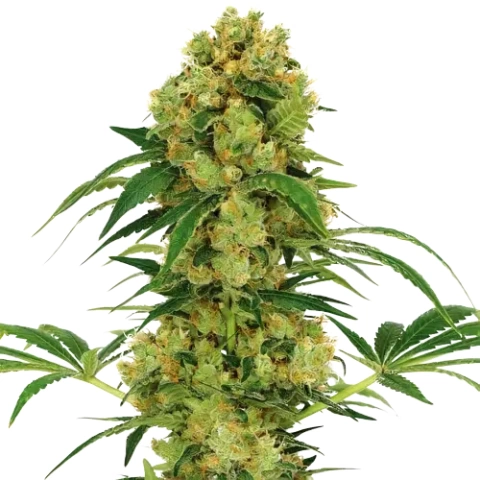 Stephen Hawking Kush CBD Cannabis SeedsFrom: $24.99
Stephen Hawking Kush (SHK) is a cannabis strain renowned for its potential therapeutic applications. This strain is part of the High CBD (cannabidiol) cannabis varieties, specifically bred to maximize medical benefits while minimizing psychoactive effects. As medical cannabis continues to gain acceptance in the scientific community and among patients, strains like Stephen Hawking Kush represent a key development in creating targeted treatments for various medical conditions. Below is a comprehensive analysis of SHK, covering its origins, chemical profile, medical benefits, and cultivation considerations, with an emphasis on its medical applications.
Origins of Stephen Hawking Kush
Stephen Hawking Kush is named in homage to the late theoretical physicist Stephen Hawking, reflecting its cerebral yet non-psychoactive therapeutic potential. It was developed by Alphakronik Genes, a cannabis breeding company recognized for its focus on medical strains.
Parent Strains
SHK is a hybrid strain, the product of crossbreeding Harle-Tsu and Sin City Kush:
- Harle-Tsu: A high-CBD strain resulting from crossing Harlequin and Sour Tsunami. Harle-Tsu is known for its minimal THC content and robust CBD levels, making it ideal for medical use.
- Sin City Kush: A hybrid strain with a balanced cannabinoid profile, offering mild psychoactivity and a rich terpene profile, contributing to SHK’s flavor and aroma.
The combination of these two strains resulted in SHK, a strain with varying phenotypes offering different ratios of CBD to THC, typically favoring higher CBD levels.
Chemical Profile
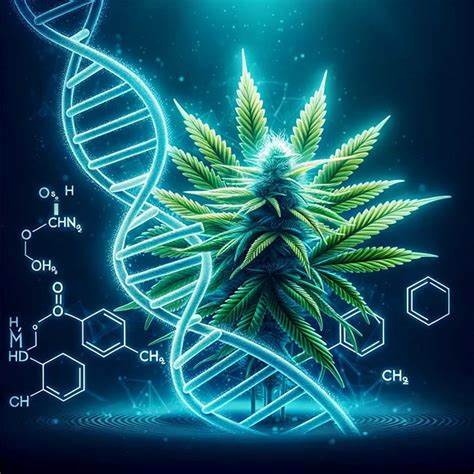
The chemical composition of Stephen Hawking Kush sets it apart from recreational strains, focusing on therapeutic compounds. Its cannabinoid and terpene profiles are responsible for its medical efficacy.
Cannabinoid Profile
Stephen Hawking Kush is distinguished by its high CBD-to-THC ratio. Cannabinoid content varies depending on the phenotype, but typical ranges are:
- CBD: 5-15%
- THC: 1-5%
The low THC content ensures minimal psychoactive effects, making SHK suitable for patients seeking relief without the “high” associated with cannabis use.
Terpene Profile
The terpene composition of SHK enhances its therapeutic effects and contributes to its unique aroma. Prominent terpenes include:
- Myrcene: Known for its sedative and anti-inflammatory properties.
- Pinene: Provides anti-inflammatory and bronchodilator benefits, potentially aiding respiratory conditions.
- Limonene: Offers anti-anxiety and mood-lifting effects.
- Caryophyllene: An anti-inflammatory compound with potential analgesic properties.
The synergy between cannabinoids and terpenes, often referred to as the “entourage effect,” amplifies SHK’s therapeutic potential.
Medical Benefits
The primary appeal of Stephen Hawking Kush lies in its diverse medical applications, supported by its chemical composition. Below is an in-depth examination of the conditions SHK may help manage and the mechanisms behind its effects.
1. Neurological Conditions
SHK’s high CBD content makes it particularly effective for neurological disorders, including:
- Epilepsy: In patients with treatment-resistant epilepsy, CBD has been demonstrated to lessen seizure frequency and intensity. Strains like SHK provide a non-intoxicating option for patients.
- Multiple Sclerosis (MS): By reducing MS-related pain, inflammation, and stiffness, SHK may enhance quality of life.
- Amyotrophic Lateral Sclerosis (ALS): In homage to Stephen Hawking’s legacy, SHK is often explored for managing ALS symptoms such as muscle stiffness, spasms, and pain.
2. Chronic Pain Management
The analgesic and anti-inflammatory effects of CBD are well known. SHK offers targeted relief for conditions such as:
- Arthritis: Its anti-inflammatory effects may reduce joint pain and swelling.
- Neuropathic Pain: SHK may soothe nerve-related pain, often seen in conditions like diabetic neuropathy and fibromyalgia.
- Post-Surgical Pain: With minimal psychoactivity, SHK is a suitable alternative for patients seeking non-opioid pain management.
3. Anxiety and Mood Disorders
The anxiolytic properties of CBD make SHK an excellent choice for managing mental health conditions, including:
- Generalized Anxiety Disorder (GAD): Limonene and CBD work together to reduce anxiety and promote calmness.
- Post-Traumatic Stress Disorder (PTSD): SHK may help alleviate hyperarousal and intrusive thoughts associated with PTSD.
- Depression: Its uplifting terpene profile, particularly limonene, can complement traditional treatments for depressive disorders.
4. Inflammatory Diseases
SHK’s anti-inflammatory properties make it effective for conditions such as:
- Inflammatory Bowel Disease (IBD): Patients with Crohn’s disease or ulcerative colitis may benefit from SHK’s ability to reduce intestinal inflammation.
- Autoimmune Disorders: Its immunomodulatory effects could aid in conditions like lupus and rheumatoid arthritis.
5. Sleep Disorders
The sedative effects of myrcene, combined with CBD’s anxiolytic properties, make SHK beneficial for:
- Insomnia: Patients report improved sleep quality and duration.
- Sleep Apnea: Pinene’s bronchodilator effects may alleviate airway obstruction, improving breathing during sleep.
6. Cancer Symptom Management
Although not a cure for cancer, SHK can help manage symptoms and treatment side effects:
- Nausea and Vomiting: Its anti-emetic properties are useful for chemotherapy-induced nausea.
- Appetite Stimulation: While primarily a CBD strain, SHK’s low THC content can still provide mild appetite stimulation.
- Pain Relief: Its analgesic properties are invaluable for cancer-related pain.
7. Cardiovascular Health
Emerging research suggests that CBD can support cardiovascular health by reducing:
- Hypertension: SHK’s relaxing effects may lower blood pressure in stressed patients.
- Inflammation: Anti-inflammatory properties contribute to overall heart health.
Growing Conditions
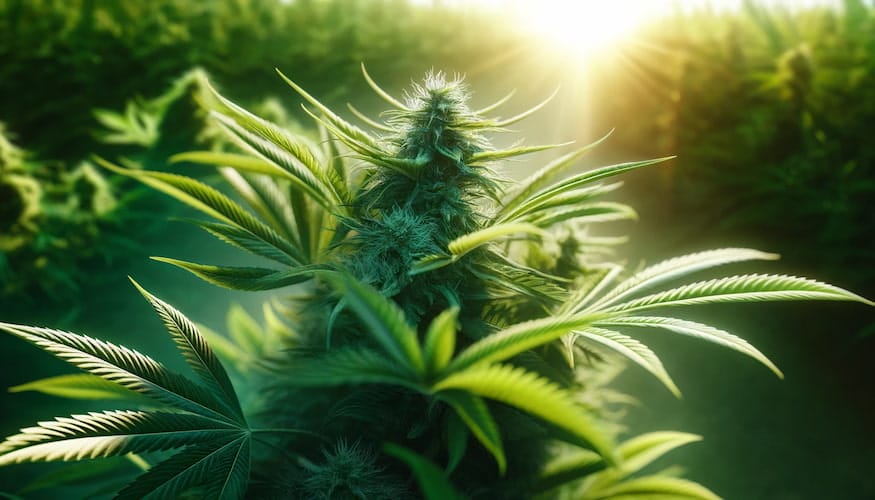
To maximize the therapeutic potential of Stephen Hawking Kush, cultivating the strain under optimal conditions is essential. SHK is known for its resilience and adaptability, making it suitable for various growing environments.
1. Growing Environment
SHK thrives in both indoor and outdoor setups:
- Indoor Cultivation: Controlled conditions allow growers to optimize temperature, humidity, and light cycles, ensuring high CBD yields.
- Outdoor Cultivation: SHK prefers a Mediterranean climate with plenty of sunlight. Adequate spacing is necessary to prevent mold and mildew in humid conditions.
2. Climate Requirements
- Temperature: Ideal temperatures range between 70-85°F (21-29°C) during the day and 65-75°F (18-24°C) at night.
- Humidity: Moderate humidity levels (40-50%) prevent mold and support healthy plant growth.
- Light: SHK responds well to a balanced light spectrum during vegetative and flowering stages.
3. Soil and Nutrients
- Soil: Loamy soil with good drainage and nutrient retention is ideal for SHK.
- Nutrients: The strain requires a balanced mix of nitrogen, phosphorus, and potassium (NPK) during different growth stages. Organic fertilizers can enhance cannabinoid and terpene profiles.
4. Cultivation Challenges
- Phenotype Variability: SHK exhibits different phenotypes, which may result in varying CBD and THC levels. Selecting the right phenotype is critical for medical applications.
- Pest and Disease Management: Preventive measures, such as neem oil or companion planting, help mitigate common pests and diseases.
5. Flowering Time and Yield
- Flowering Time: SHK has a flowering period of 9-10 weeks indoors. Outdoor plants typically reach maturity in late September to early October.
- Yield: Indoor yields average 12-16 ounces per square meter, while outdoor plants can produce up to 16 ounces per plant under optimal conditions.
Research and Future Potential
Stephen Hawking Kush exemplifies the ongoing advancements in cannabis science, particularly in developing strains tailored for medical use. Research topics for the present and the future include:
- Pharmacological Studies: Investigating the specific mechanisms of CBD and terpene interactions in SHK.
- Clinical Trials: Expanding clinical trials to evaluate SHK’s efficacy for various conditions.
- Genetic Optimization: Refining breeding techniques to produce consistent cannabinoid and terpene profiles.
Restrictions on Using Stephen Hawking Kush in the Medical Field
Stephen Hawking Kush (SHK) has been heralded for its therapeutic benefits, particularly for its high CBD and low THC composition. However, its application in the medical field is not without constraints. Due to the potential risks associated with even trace amounts of THC and the ethical considerations of using cannabis-derived therapies, SHK must adhere to strict usage guidelines. Below is a detailed analysis of the restrictions, the rationale for using SHK as a last resort, and the necessity of monitoring THC levels in patient medications.
1. Regulatory Constraints on Cannabis Use in Medicine
Medical cannabis, including SHK, is subject to varying regulations across jurisdictions. The use of SHK in the medical field faces the following restrictions:
- Approval Processes:
- In many regions, cannabis-derived medications must be approved by governing health bodies like the FDA or EMA before they can be legally prescribed. This guarantees efficacy, safety, and quality assurance.
- Indication-Specific Authorization:
- SHK’s use is often restricted to specific medical conditions, such as epilepsy, multiple sclerosis, or treatment-resistant chronic pain. Off-label use may require further clinical justification.
- Age and Vulnerable Populations:
- Strains containing THC, even at low levels, are typically prohibited for use in pediatric or adolescent populations due to concerns about developmental impacts on the brain. Similarly, SHK is restricted in elderly or cognitively impaired individuals unless under close medical supervision.
2. SHK as a Last-Resort Medical Option
One of the primary restrictions on SHK’s use is its designation as a last-resort treatment option, meaning it is only prescribed after conventional treatments have failed. This guideline is based on several factors:
- Limited Long-Term Data:
- While studies on CBD’s efficacy have shown promise, there is still limited longitudinal research on cannabis-derived treatments. Medical professionals prioritize proven first-line treatments before resorting to cannabis-based options.
- Risk of Dependency:
- Even with minimal THC, there is a theoretical risk of psychological dependency or misuse. Medical protocols often favor treatments with no abuse potential before considering SHK.
- Cost and Accessibility:
- Specialized strains like SHK may not be widely available or affordable, making it impractical as a first-line treatment for many patients.
- Ethical Concerns:
- The stigma surrounding cannabis use remains prevalent in certain regions and medical institutions. Physicians may hesitate to recommend SHK unless all other avenues have been exhausted.
3. Monitoring THC Levels to Prevent Psychoactive Effects
The potential psychoactive effects of THC, even at low concentrations, necessitate stringent monitoring of SHK-derived medications. This is essential to protect patients and prevent unexpected consequences, particularly in vulnerable groups.
Why THC Monitoring is Critical
- Minimizing Cognitive Impairment:
- THC, even at levels as low as 1%, can interact with the brain’s endocannabinoid system and potentially cause mild euphoria or altered perception in some patients. Such effects are undesirable in medical contexts.
- Ensuring Functional Safety:
- Patients using SHK-derived medications may need to perform daily tasks, including driving or operating machinery. Psychoactive effects, however mild, could impair their abilities and increase risks.
- Avoiding Stigma and Misuse:
- THC monitoring ensures that SHK remains a therapeutic agent and not perceived as a gateway to recreational use. This helps maintain its integrity and acceptance in medical contexts.
Implementation of THC Monitoring
- Standardized Testing in Medications:
- Cannabis-derived medications must undergo rigorous lab testing to ensure precise THC levels are within permissible limits (e.g., less than 0.3% in many jurisdictions).
- Dosage Regulation:
- Physicians must prescribe the lowest effective dose of SHK-derived medications, balancing therapeutic effects while minimizing the potential for psychoactivity.
- Patient Monitoring:
- Regular follow-ups and blood tests to measure THC levels can ensure that patients remain within safe thresholds and do not experience side effects.
- Combination Therapies:
- SHK’s high-CBD profile can counteract THC’s psychoactive effects. Formulations are often designed to maximize this balance to further reduce the risk of psychoactivity.
4. Ethical and Medical Oversight in SHK Use
Due to the complexity of cannabis-based treatments, SHK requires careful oversight to ensure ethical and safe application in the medical field:
- Specialist Prescription:
- SHK should only be prescribed by specialists trained in medical cannabis, ensuring an understanding of its effects and appropriate use.
- Patient Consent:
- Before beginning SHK, patients must be made aware of all the dangers, advantages, and available alternatives. This transparency ensures informed consent and builds trust in the therapeutic process.
- Interdisciplinary Review:
- Multidisciplinary teams, including pain specialists, neurologists, and psychologists, should collaborate to determine if SHK is appropriate for a given patient.
5. Future Perspectives
As research into medical cannabis progresses, the constraints surrounding SHK use may evolve. However, until robust, long-term evidence supports its broader application, restrictions will likely remain in place to ensure patient safety and public confidence in medical cannabis therapies.
Research Priorities:
- Studies on optimal CBD-to-THC ratios for specific conditions.
- Development of advanced formulations to eliminate psychoactive effects entirely.
- Exploration of SHK’s efficacy in novel indications, such as neurodegenerative diseases or cardiovascular conditions.
Conclusion
Stephen Hawking Kush (SHK) represents a significant advancement in the realm of medical cannabis. Designed with high CBD content and minimal THC levels, this strain embodies the potential of cannabis-based medicine to provide relief for a variety of challenging medical conditions. However, its application comes with inherent responsibilities and restrictions, ensuring that its use is ethical, safe, and strictly therapeutic. The topics discussed—SHK’s origins, chemical profile, medical benefits, cultivation requirements, restrictions on its use, and the critical need for THC monitoring—underscore its importance as a last-resort treatment option in modern medicine.
Origins and Genetic Development
SHK’s development was a deliberate response to the growing need for cannabis strains that prioritize medical efficacy over recreational use. By crossing Harle-Tsu and Sin City Kush, breeders created a strain that maximizes therapeutic properties while minimizing psychoactive effects. Its name pays homage to the late physicist Stephen Hawking, symbolizing the strain’s potential to address conditions like ALS and other neurological disorders. The strain’s genetic lineage highlights a growing emphasis in cannabis research on achieving the right balance between cannabinoids and terpenes for targeted medical applications.
Chemical Profile and Therapeutic Potential
Stephen Hawking Kush’s chemical composition is its defining feature. Its high CBD levels (5-15%) make it a cornerstone in treating conditions such as epilepsy, chronic pain, inflammation, and anxiety. The trace THC content (1-5%) ensures minimal psychoactive effects, making it suitable for patients who cannot tolerate THC’s intoxicating properties. Furthermore, the entourage effect of SHK’s rich terpene profile—which includes myrcene, pinene, limonene, and caryophyllene—improves its therapeutic efficiency. These compounds work synergistically to provide anti-inflammatory, analgesic, anxiolytic, and neuroprotective benefits, offering a versatile treatment option for various medical conditions.
Medical Applications
Stephen Hawking Kush’s potential to address a wide array of conditions underscores its importance in the medical field. Through the neuroprotective and anti-inflammatory qualities of CBD, SHK provides non-intoxicating treatment for neurological conditions like epilepsy, multiple sclerosis, and ALS. The analgesic effects of SHK are beneficial for chronic pain diseases such as cancer-related discomfort, arthritis, and neuropathy. The strain’s ability to manage inflammation also makes it valuable for autoimmune disorders and gastrointestinal issues like inflammatory bowel disease. Furthermore, mental health issues like anxiety, depression, and PTSD are supported by SHK’s relaxing and mood-enhancing qualities.
Despite its wide-ranging applications, SHK is often reserved as a last-resort treatment. This reflects both the limitations of current cannabis research and the ethical considerations surrounding its use. Conventional treatments remain the first line of defense, with SHK being introduced only when these fail to provide relief. This ensures that patients benefit from well-studied and widely accepted therapies before exploring cannabis-based options.
Cultivation and Challenges
The cultivation of Stephen Hawking Kush plays a critical role in its therapeutic potential. Its resilience and adaptability make it suitable for both indoor and outdoor growth, but achieving consistent chemical profiles requires meticulous care. Growers must monitor temperature, humidity, and nutrient levels to ensure high CBD yields and maintain minimal THC content. Phenotype variability presents a challenge, as different plants may produce slightly different cannabinoid ratios. Rigorous testing and quality control are therefore essential to guarantee consistent therapeutic outcomes.
Restrictions and THC Monitoring
The medical application of SHK comes with strict restrictions, including its designation as a last-resort treatment. Regulatory bodies often mandate that cannabis-derived medications undergo thorough testing to ensure safety and efficacy. Additionally, vulnerable populations—such as children, adolescents, and the elderly—require special consideration, as even low THC levels could pose risks. THC monitoring is a critical component of SHK’s medical use. By limiting THC to trace amounts, physicians can avoid unintended psychoactive effects, ensuring that SHK remains a purely therapeutic option.
Future Perspectives
The future of Stephen Hawking Kush and similar strains lies in continued research and refinement. As cannabis science evolves, SHK’s role may expand to include new medical indications and more precise applications. Innovations in formulation, such as nanoencapsulation and enhanced delivery systems, could further improve its efficacy and bioavailability. Ethical oversight and rigorous clinical trials will be essential to establish SHK as a standard component of medical treatment for complex conditions.
Final Thoughts
Stephen Hawking Kush exemplifies the promise and complexity of medical cannabis. Its carefully balanced chemical composition and diverse therapeutic applications make it a valuable tool for managing challenging conditions. However, its use must be guided by caution, regulation, and a commitment to patient safety. By adhering to strict restrictions, monitoring THC levels, and reserving SHK for cases where traditional treatments fail, the medical community can harness its benefits while mitigating risks. In doing so, SHK serves as a testament to the transformative potential of cannabis in modern medicine, offering hope and relief to patients who have exhausted conventional options.
