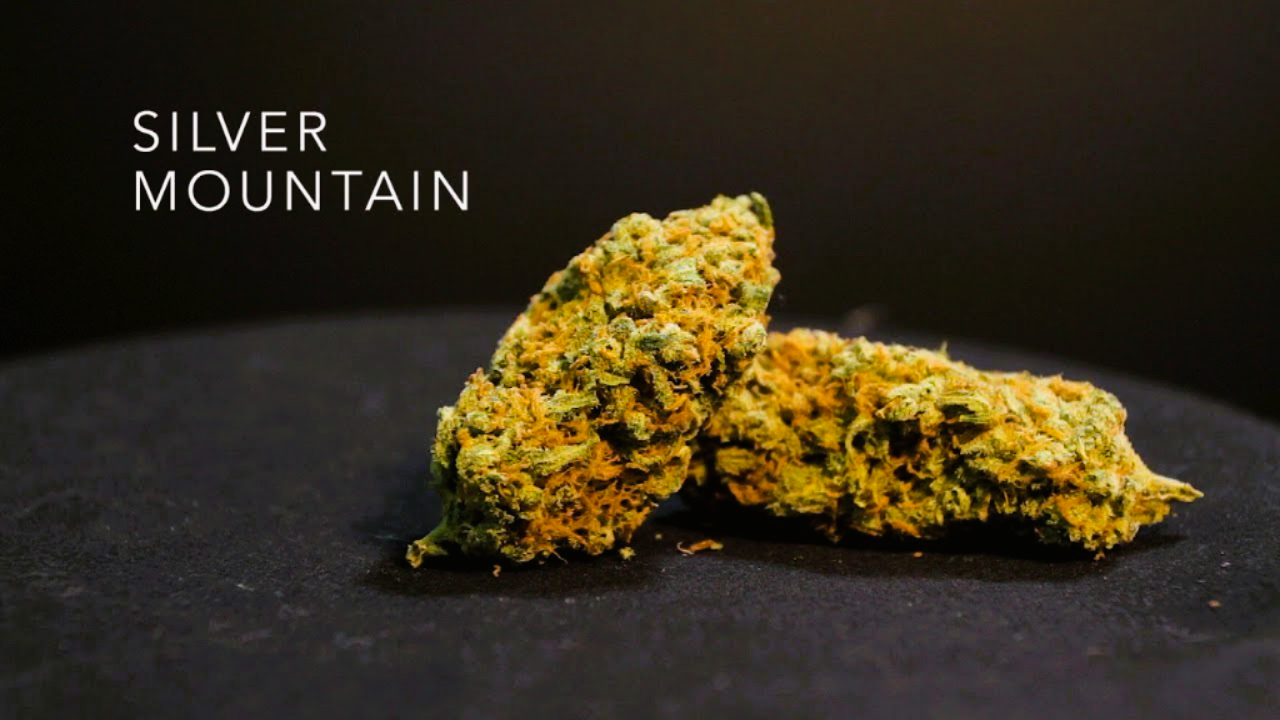
Medical Strain Analysis: Silver Mountain
Origins and Genetic Lineage
Silver Mountain is a hybrid cannabis strain that has gained attention within the medical cannabis community for its potential therapeutic benefits. It is derived from a combination of two renowned parent strains—Super Silver Haze and Appalachia. Each of these genetic precursors contributes unique characteristics, resulting in a balanced strain that is appreciated for its medical properties.
Super Silver Haze, a Sativa-dominant strain, originated in the late 1990s and has consistently earned accolades for its potent yet balanced effects. It was the product of meticulous crossbreeding between Skunk #1, Northern Lights, and Haze. Its robust lineage endowed it with uplifting, mood-stabilizing attributes, combined with physical relaxation that makes it particularly suitable for managing stress, depression, and fatigue.
On the other hand, Appalachia is a hybrid strain known for its calming, clear-headed properties. Created through a cross between Green Crack and Tres Dawg, Appalachia introduces a distinct set of chemical and genetic characteristics that are more balanced in their psychoactive intensity, often utilized for treating pain, inflammation, and mental discomfort. When these two powerhouses—Super Silver Haze and Appalachia—were paired, Silver Mountain was born.
Bred by Bodhi Seeds, a company revered for producing medical-grade cannabis strains with a commitment to genetic stability and therapeutic potential, Silver Mountain is the outcome of a breeder’s vision to create a hybrid that offers both mental clarity and physiological relief. This careful selection of genetics ensures that it possesses a wide therapeutic range, appealing to patients suffering from diverse medical ailments.
Chemical Profile
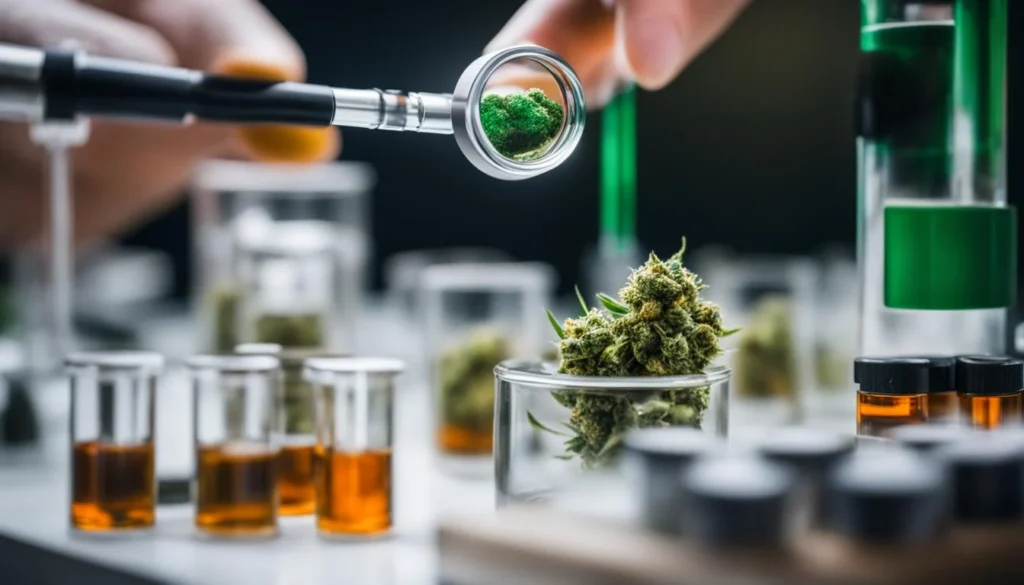
To understand Silver Mountain’s medical benefits, it is essential to analyze its chemical composition. This strain’s effects can be attributed to its rich cannabinoid and terpene profiles, which interact with the body’s endocannabinoid system to deliver therapeutic outcomes.
Cannabinoid Content
Silver Mountain is notable for its moderate to high THC content, typically ranging between 18-24%. While THC (tetrahydrocannabinol) is often associated with psychoactive effects, it also offers significant therapeutic potential, particularly in managing pain, nausea, and neurological symptoms. The balanced nature of Silver Mountain ensures that THC delivers symptom relief without overwhelming psychoactivity, particularly in patients with tolerance to cannabinoids.
The strain also contains notable levels of CBD (cannabidiol), which enhances its medical profile. Though present in smaller quantities (often between 0.5% to 1%), CBD provides anti-inflammatory, anti-seizure, and neuroprotective benefits that complement the effects of THC. The synergistic interaction between THC and CBD, known as the “entourage effect,” ensures that Silver Mountain maximizes its medicinal potential while mitigating side effects like anxiety or paranoia that sometimes accompany high THC strains.
Other cannabinoids like CBG (cannabigerol) and CBC (cannabichromene) may also be present in trace amounts, contributing to the overall therapeutic benefits. CBG is emerging as a promising cannabinoid for reducing inflammation and supporting neurogenesis, while CBC is being studied for its antidepressant and pain-relieving properties.
Terpene Profile
The terpene profile of Silver Mountain adds another layer of medical value. Terpenes are aromatic compounds found in cannabis that influence its effects, flavors, and therapeutic properties. The dominant terpenes in Silver Mountain include:
- Myrcene: Known for its sedative, anti-inflammatory, and muscle-relaxing properties, myrcene can help patients struggling with chronic pain, muscle spasms, and insomnia. It works synergistically with THC to produce calming effects while providing physical relief.
- Limonene: This citrus-scented terpene is revered for its mood-elevating and stress-relieving qualities. Limonene has proven benefits for patients suffering from anxiety, depression, and gastrointestinal issues, thanks to its ability to improve digestion and reduce inflammation in the gut lining.
- Pinene: As one of the most common terpenes in nature, pinene delivers anti-inflammatory and bronchodilator effects. It can benefit patients with respiratory conditions such as asthma or COPD by improving airflow and reducing inflammation in airways. Pinene also promotes mental clarity, which balances the sedative effects of other terpenes like myrcene.
- Caryophyllene: A unique terpene that acts as a cannabinoid by interacting with CB2 receptors, caryophyllene offers potent anti-inflammatory and analgesic properties. This makes it especially useful for conditions like arthritis, nerve pain, and fibromyalgia. It also contributes to stress and anxiety relief.
- Linalool: Known for its calming lavender aroma, linalool has strong anxiolytic and anti-convulsant properties. It provides therapeutic benefits for individuals experiencing seizures, chronic anxiety, and stress-related symptoms.
The combined presence of these terpenes makes Silver Mountain a multi-faceted strain that addresses both physical and mental health challenges. Its aromatic and chemical complexity ensures that patients can experience symptom-specific relief without the need for additional medications.
Medical Benefits of Silver Mountain

The therapeutic potential of Silver Mountain is broad, given its balanced genetics, rich cannabinoid content, and well-rounded terpene profile. Below are the key medical conditions and symptoms for which Silver Mountain offers significant relief:
- Chronic Pain
Back pain, fibromyalgia, multiple sclerosis, and arthritis are among the chronic pain problems that Silver Mountain is useful for treating due to its analgesic and anti-inflammatory qualities. THC modifies the feeling of pain via interacting with CB1 receptors in the central nervous system, whereas caryophyllene and CBD directly lower inflammation. Patients report noticeable reductions in both acute and chronic discomfort after incorporating Silver Mountain into their therapeutic regimen. - Anxiety and Depression
Silver Mountain’s terpene-rich profile, particularly the presence of limonene and linalool, makes it highly effective for addressing mood disorders. Limonene’s mood-enhancing properties help alleviate feelings of hopelessness, while linalool works to calm the nervous system and reduce tension. Additionally, THC’s ability to increase dopamine production further contributes to a more balanced and positive mental state. Patients experiencing generalized anxiety disorder (GAD), post-traumatic stress disorder (PTSD), or depression may benefit from its stabilizing effects. - Inflammation
Inflammatory conditions such as Crohn’s disease, ulcerative colitis, and rheumatoid arthritis can be debilitating for patients. Silver Mountain’s cannabinoids, especially CBD and caryophyllene, offer targeted anti-inflammatory effects that can help reduce swelling, pain, and systemic inflammation. Its capacity to calm the immune response may also provide relief for autoimmune disorders that result in chronic inflammation. - Neurological Disorders
Because cannabinoids like THC, CBD, and CBG have neuroprotective qualities, Silver Mountain is especially well-suited to treating neurological conditions including Parkinson’s disease, multiple sclerosis, and epilepsy. By regulating neuronal activity and reducing excitotoxicity, Silver Mountain may prevent seizures, alleviate muscle spasms, and improve motor coordination. - Fatigue and Cognitive Clarity
Despite its therapeutic effects on pain and inflammation, Silver Mountain maintains uplifting and energizing qualities that combat fatigue and mental fog. Patients with chronic fatigue syndrome or depression-related lethargy may experience improved energy levels and enhanced focus due to the presence of limonene and pinene. Unlike sedative strains, Silver Mountain strikes a balance, allowing patients to experience relief without feeling overly drowsy. - Appetite Regulation and Nausea
Silver Mountain has demonstrated anti-nausea properties, making it beneficial for patients undergoing treatments like chemotherapy, which often causes severe nausea and appetite loss. THC’s ability to interact with the endocannabinoid system helps stimulate appetite, while terpenes like limonene provide gastrointestinal relief. Patients with conditions like anorexia nervosa or cachexia may find Silver Mountain particularly helpful in restoring a healthy appetite. - Insomnia
Although not a heavily sedative strain, Silver Mountain can aid sleep regulation in patients suffering from insomnia, particularly when caused by stress, anxiety, or chronic pain. The relaxing effects of myrcene, combined with the calming qualities of linalool, can help facilitate restful sleep without causing excessive grogginess the following day.
Growing Conditions for Silver Mountain
For medical growers, cultivating Silver Mountain successfully is crucial to preserving its therapeutic qualities. Silver Mountain is moderately challenging to grow and requires attention to detail, but the effort pays off in high-yielding plants with robust chemical compositions.
- Climate and Environment
Silver Mountain thrives in warm, semi-humid climates with consistent temperatures ranging between 70-80°F (21-27°C). It can be grown both indoors and outdoors; however, indoor cultivation allows greater control over temperature, humidity, and light cycles, ensuring optimal cannabinoid and terpene production. - Lighting
As a Sativa-dominant hybrid, Silver Mountain requires ample light exposure. When grown indoors, it responds well to high-intensity discharge (HID) lights or full-spectrum LED systems. Vigorous growth is encouraged during the vegetative stage with a lighting schedule of 18 hours on and 6 hours off. In the flowering stage, transitioning to a 12/12 light cycle encourages dense bud development. - Nutrient Requirements
Silver Mountain benefits from a balanced nutrient regimen rich in nitrogen during the vegetative phase and phosphorus and potassium during the flowering phase. Supplementing with calcium, magnesium, and micronutrients ensures healthy growth and prevents nutrient deficiencies that could affect cannabinoid potency. - Humidity and Ventilation
Proper humidity control is essential to prevent mold and mildew, especially during flowering when dense buds are susceptible to moisture buildup. Maintaining relative humidity between 40-50% during the flowering stage ensures optimal conditions. Good airflow, achieved through ventilation systems and oscillating fans, further prevents fungal issues and strengthens plant structure. - Flowering Time and Yield
Silver Mountain has a flowering time of approximately 9-11 weeks. While this is slightly longer than some hybrids, the extended flowering period allows it to develop its characteristic terpene profile and potent cannabinoid content. Harvests for outdoor farmers are anticipated in mid-October. Yields are generous, with indoor plants producing around 1.5 to 2 ounces per square foot, while outdoor plants can yield up to 18 ounces per plant under optimal conditions. - Pruning and Training
To maximize yield and light penetration, growers should employ pruning and training techniques like the Screen of Green (SCROG) or Low-Stress Training (LST). These methods encourage even canopy development, resulting in uniform bud growth and higher yields. - Organic Cultivation
Given its medicinal use, organic cultivation is recommended to avoid contaminants like pesticides, heavy metals, or chemical fertilizers. Organic soil enriched with compost, earthworm castings, and natural amendments promotes the development of clean, high-quality buds with optimal therapeutic potential.
Restrictions on Using Silver Mountain in the Medical Field and THC Monitoring

While Silver Mountain offers significant therapeutic benefits, its medical use requires clear restrictions to ensure patient safety and minimize unwanted psychoactive effects. As a high-THC strain, the medical community must exercise caution by limiting its use to a last-resort treatment and implementing stringent monitoring protocols for its THC content in medical formulations. This approach aligns with ethical medical practices and safeguards patient well-being.
Medical Use as a Last Resort
Silver Mountain’s high THC content, often ranging between 18-24%, makes it a potent strain that must be prescribed only when other treatments or lower-THC options have proven ineffective. This restriction ensures that medical professionals prioritize conventional therapies and less psychoactive cannabis alternatives before resorting to high-THC strains like Silver Mountain. For patients with chronic conditions such as refractory pain, treatment-resistant neurological disorders, or severe inflammation, this strain may offer considerable relief when all other options fail.
Conditions like chemotherapy-induced nausea, multiple sclerosis-related spasticity, or severe anxiety unresponsive to standard treatments may warrant the use of Silver Mountain under strict medical supervision. By enforcing a “last-resort” policy, healthcare providers can avoid unnecessary exposure to psychoactive cannabinoids while preserving the therapeutic intent of cannabis-based treatments.
For safety and compliance, medical protocols should require detailed patient history reviews, symptom tracking, and documentation of prior treatments. Physicians must confirm that non-THC options, such as CBD-dominant strains, have been exhausted before recommending Silver Mountain as a therapeutic alternative. This process ensures the decision to administer high-THC medical cannabis is evidence-based and medically justified.
Monitoring and Regulating THC Levels in Medications
THC’s psychoactive effects, while beneficial for some medical conditions, can be counterproductive if not carefully monitored. In medical practice, regulating THC levels is critical to prevent unwanted cognitive or psychological effects in vulnerable patients. The aim is to strike a balance between therapeutic relief and functional well-being, particularly for patients who require symptom relief without experiencing intoxication, disorientation, or anxiety.
To ensure patient safety, healthcare institutions must enforce stringent quality control and laboratory testing for any medication derived from Silver Mountain. Standardized testing protocols should measure cannabinoid concentrations—particularly THC—to confirm compliance with recommended medical dosages. Pharmaceutical-grade formulations derived from this strain should be processed to isolate and stabilize cannabinoid ratios, allowing precise dosing while reducing the psychoactive risks.
For example, microdosing strategies or low-THC formulations can provide medical benefits without inducing psychoactive effects. Patients with low THC tolerance, elderly individuals, or those with pre-existing mental health concerns should receive medications where THC levels are carefully capped, often below 5-10 mg per dose. Furthermore, combining THC with higher CBD concentrations (which can counteract THC’s psychoactivity) can enhance safety and minimize cognitive impairment.
Routine monitoring must also extend to patient responses during treatment. Physicians should evaluate physical and psychological effects regularly, adjusting THC dosages as necessary to maintain therapeutic efficacy without exceeding tolerable limits. This dynamic approach enables medical professionals to tailor treatment plans for individual needs, enhancing patient outcomes while avoiding adverse effects.
Conclusion
Silver Mountain stands out as a unique medical cannabis strain with exceptional therapeutic potential, derived from its robust genetic lineage of Super Silver Haze and Appalachia. Its chemical profile, characterized by a high THC concentration (18-24%) alongside notable levels of CBD and a diverse terpene composition, makes it particularly effective in addressing a wide range of medical conditions. Chronic pain, inflammation, neurological disorders, fatigue, nausea, and mood-related ailments are among the primary health challenges where Silver Mountain can deliver significant relief. However, its potent psychoactive nature necessitates careful and responsible application in medical settings.
The strain’s efficacy lies in the synergy between its cannabinoids and terpenes, often referred to as the “entourage effect.” Terpenes such as myrcene, limonene, pinene, caryophyllene, and linalool contribute anti-inflammatory, analgesic, and anxiolytic properties that work alongside THC and CBD to target physical and mental symptoms. These therapeutic effects make Silver Mountain a powerful tool for patients whose conditions have proven unresponsive to conventional treatments. However, its high THC levels also present challenges that must be addressed to ensure safe and effective use in clinical practice.
To mitigate risks, it is critical to implement restrictions on Silver Mountain’s use in the medical field, limiting it to a last-resort treatment for severe or treatment-resistant conditions. By prioritizing non-psychoactive alternatives like CBD-dominant strains or other conventional therapies, healthcare providers can ensure that high-THC strains like Silver Mountain are only introduced when all other options fail. Such restrictions help prevent unnecessary exposure to THC while maintaining the strain’s role as a viable treatment for complex medical cases.
Equally important is the rigorous monitoring and regulation of THC levels in medical formulations derived from Silver Mountain. Standardized testing protocols must ensure that cannabinoid concentrations, particularly THC, fall within medically acceptable ranges to minimize psychoactive side effects. Dosing strategies—such as microdosing, capped THC formulations, and balanced THC-to-CBD ratios—enable physicians to optimize therapeutic benefits while safeguarding patient functionality and mental clarity. Regular patient monitoring and tailored treatment adjustments further enhance the safety and efficacy of Silver Mountain-based therapies.
Growing conditions also play a pivotal role in preserving the strain’s therapeutic value. Cultivators must adhere to precise environmental controls, nutrient schedules, and organic cultivation practices to produce clean, high-quality cannabis free of contaminants. This ensures that Silver Mountain maintains its chemical integrity and therapeutic potential, aligning with medical-grade standards.
In summary, Silver Mountain holds great promise for patients suffering from debilitating conditions, offering relief where conventional treatments may fall short. However, its use must be approached with caution, ensuring it is reserved as a last-resort option and accompanied by stringent monitoring of THC levels. By striking this balance, healthcare professionals can unlock the strain’s healing potential while prioritizing patient safety and well-being. This responsible approach solidifies Silver Mountain’s place as an effective and ethical tool in the evolving landscape of medical cannabis.
