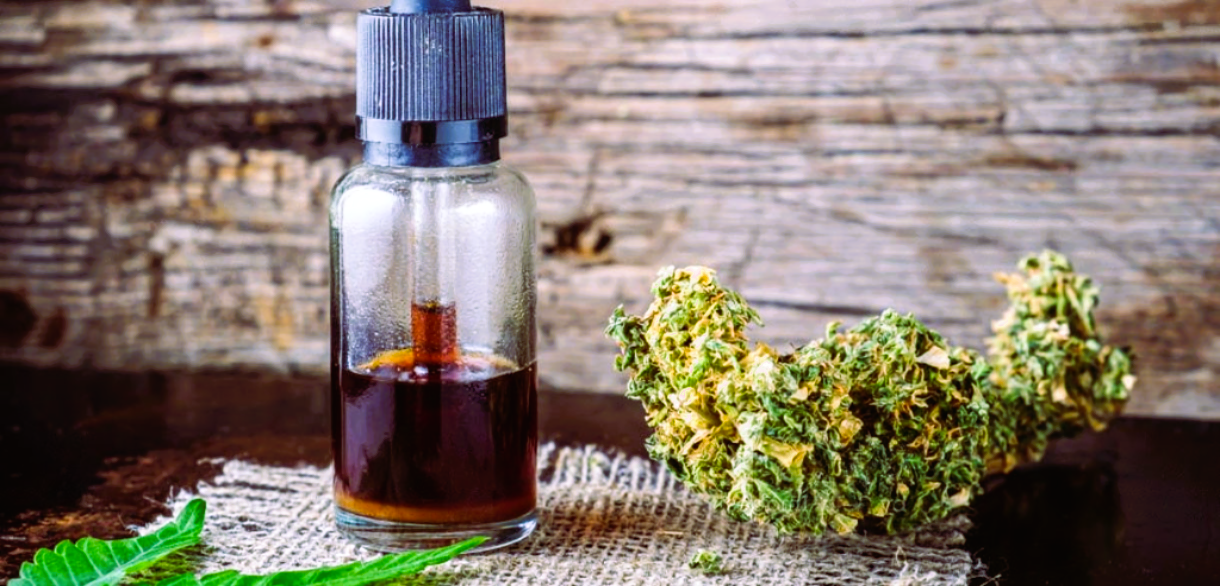
Medical Strain Analysis: Royal Mint CBD
Royal Mint CBD is a unique strain of medical cannabis that has garnered attention in recent years due to its exceptional therapeutic benefits. A highly refined CBD-dominant strain, it is specifically bred for its medicinal properties, focusing on delivering the healing attributes of cannabidiol (CBD) while minimizing the psychoactive effects associated with tetrahydrocannabinol (THC). This strain has become an essential option for patients seeking natural remedies to manage a wide variety of medical conditions. Its soothing profile, therapeutic chemical composition, and adaptability in various medical applications make it a staple for clinicians and patients alike.
The purpose of this comprehensive analysis is to provide an in-depth understanding of Royal Mint CBD, detailing its origins, chemical profile, medical benefits, and optimal growing conditions. As such, the focus will remain entirely on its medical properties, excluding any recreational uses or consumption methods. Through this examination, we aim to shed light on its importance in the field of therapeutic cannabis and its growing role as a plant-based solution in modern medicine.
Origins of Royal Mint CBD

Royal Mint CBD is the product of meticulous breeding practices that combine advanced agricultural techniques with an in-depth understanding of cannabis genetics. It originates from a lineage of high-CBD strains selectively cultivated to maximize therapeutic benefits while maintaining negligible levels of THC. This strain is believed to have emerged through crossbreeding between multiple CBD-rich cannabis varieties, often involving industrial hemp strains known for their naturally low THC content and high concentrations of cannabidiol.
The name “Royal Mint CBD” stems from its distinctive aromatic and flavor profile, which is characterized by cool, minty undertones complemented by herbal and earthy notes. The “royal” aspect refers to its premium status among medical strains, signifying its refined genetic heritage and superior medicinal efficacy. The development of this strain involved multiple generations of stabilization to ensure consistent cannabinoid levels, terpene profiles, and growth characteristics. Today, Royal Mint CBD is a testament to the advancements in cannabis cultivation, particularly in the medicinal sector, where precision and consistency are of utmost importance.
Breeders sought to create a strain that could address various medical needs without introducing the psychoactive effects of THC, making Royal Mint CBD an ideal option for patients who require symptom relief without any impairment in daily functioning. It is now widely used by individuals dealing with chronic illnesses, inflammation, neurological conditions, and other health issues, further solidifying its place as a cornerstone in the medical cannabis community.
Chemical Profile
The hallmark of Royal Mint CBD lies in its meticulously balanced chemical composition, which prioritizes therapeutic cannabinoids and terpenes. Its cannabinoid profile is dominated by cannabidiol (CBD), with average concentrations ranging from 15% to 20%, depending on cultivation practices and environmental factors. Notably, the THC content is consistently kept below 0.3%, ensuring that it adheres to legal requirements for medical cannabis and eliminating the psychoactive effects that could interfere with its medicinal applications.
Cannabinoids
- CBD (Cannabidiol): CBD is the cornerstone of Royal Mint CBD’s therapeutic potential. Known for its anti-inflammatory, analgesic, anti-anxiety, and neuroprotective properties, CBD interacts with the endocannabinoid system (ECS) to restore balance and promote overall health. Unlike THC, CBD does not bind directly to CB1 or CB2 receptors; instead, it modulates the ECS to enhance the body’s natural ability to manage pain, inflammation, and other conditions.
- THC (Tetrahydrocannabinol): Royal Mint CBD does not have intoxicating effects because its THC level is very low (often less than 0.3%). This low THC concentration is crucial for medical use, particularly for patients who want to avoid cognitive impairment or legal complications associated with higher-THC strains.
- CBG (Cannabigerol): Though present in smaller quantities, cannabigerol (CBG) plays a vital role in enhancing the overall therapeutic synergy of the strain. CBG is a precursor to other cannabinoids and is known for its antibacterial and anti-inflammatory properties, which can further support Royal Mint CBD’s medical efficacy.
- CBC (Cannabichromene): Another minor cannabinoid in the strain’s profile, CBC contributes to pain relief and mood stabilization, often working in conjunction with CBD to amplify the strain’s medicinal effects.
Terpenes
The terpene profile of Royal Mint CBD is as significant as its cannabinoid content. Cannabis contains fragrant molecules called terpenes, which give the strain its distinct aroma as well as its medicinal qualities through a process called the “entourage effect.” Among the main terpenes in Royal Mint CBD are:
- Limonene: Known for its citrusy aroma, limonene imparts anti-anxiety and mood-enhancing effects. It also has anti-inflammatory properties that complement CBD’s primary actions.
- Myrcene: Myrcene is responsible for the strain’s earthy undertones and is widely recognized for its sedative and muscle-relaxant properties, making it particularly effective for patients dealing with insomnia or chronic pain.
- Pinene: With its refreshing minty and pine-like aroma, pinene enhances respiratory function and serves as an anti-inflammatory agent.
- Beta-Caryophyllene: This terpene interacts directly with CB2 receptors, offering potent anti-inflammatory and analgesic benefits. It also contributes to the strain’s overall calming effects.
- Menthol-like Terpenes: Unique to Royal Mint CBD, the strain’s terpene profile includes compounds that create a cool, minty sensation, which not only defines its flavor but also provides soothing, topical benefits for those using CBD-infused creams or oils.
Flavonoids
In addition to cannabinoids and terpenes, Royal Mint CBD contains flavonoids, which are compounds responsible for the plant’s color and additional health benefits. These include quercetin and kaempferol, which possess antioxidant and anti-inflammatory properties.
Medical Benefits

Royal Mint CBD has been celebrated for its ability to address a wide range of medical conditions effectively and naturally. Its therapeutic benefits are rooted in its high CBD concentration and supportive terpene profile, making it a versatile option for patients of all ages.
1. Chronic Pain Management
One of the primary medical applications of Royal Mint CBD is pain relief. CBD’s ability to modulate the ECS allows it to reduce pain perception, while its anti-inflammatory properties address the underlying causes of chronic pain. Patients with arthritis, fibromyalgia, neuropathy, and back pain have reported significant improvements when using this strain. The presence of beta-caryophyllene further enhances these effects by targeting CB2 receptors, which play a critical role in inflammation and immune response.
2. Inflammation Reduction
Inflammation is a common factor in many chronic conditions, including autoimmune diseases, Crohn’s disease, and cardiovascular disorders. Royal Mint CBD’s high CBD content, combined with anti-inflammatory terpenes like myrcene and pinene, helps to reduce systemic inflammation, providing relief for patients with both acute and chronic inflammatory conditions.
3. Anxiety and Stress Relief
Anxiety disorders, ranging from generalized anxiety disorder (GAD) to post-traumatic stress disorder (PTSD), can severely impact quality of life. Royal Mint CBD is particularly effective for managing anxiety due to its calming effects, which are mediated by the interaction of CBD with serotonin receptors. The inclusion of limonene in its terpene profile further enhances its mood-stabilizing properties, making it a safe and natural alternative to prescription anxiolytics.
4. Neuroprotection
Royal mint CBD has the potential to treat neurodegenerative disorders like multiple sclerosis, Parkinson’s, and Alzheimer’s since it has demonstrated promise in preserving and mending neuronal networks. CBD’s antioxidant properties combat oxidative stress, which is a major contributor to neural degeneration. Additionally, the strain’s menthol-like terpenes may improve circulation and reduce the progression of neuroinflammatory conditions.
5. Sleep Disorders
Patients with insomnia or disrupted sleep patterns often find relief in Royal Mint CBD. While it does not induce drowsiness like THC-dominant strains, its calming effects help patients relax and maintain a healthy sleep cycle. Myrcene, in particular, contributes to these benefits by promoting relaxation at the muscular and neurological levels.
6. Epilepsy and Seizure Disorders
The anti-seizure properties of CBD are well-documented, with FDA-approved drugs like Epidiolex highlighting its effectiveness. Royal Mint CBD, with its high CBD concentration, is a natural choice for patients suffering from epilepsy or other seizure-related conditions. It works by stabilizing neural activity and reducing the likelihood of seizure episodes.
7. Cardiovascular Health
Emerging research suggests that CBD can lower blood pressure and improve cardiovascular health by reducing stress and inflammation. Royal Mint CBD’s blend of therapeutic compounds supports vascular health, making it beneficial for individuals with hypertension or other heart-related issues.
8. Skin Conditions
Topical applications of CBD derived from Royal Mint CBD have shown promise in treating skin conditions such as eczema, psoriasis, and acne. The strain’s menthol-like terpenes provide a soothing sensation, while its anti-inflammatory properties reduce redness and irritation.
Growing Conditions

The cultivation of Royal Mint CBD requires a precise balance of environmental factors to achieve its optimal chemical profile and therapeutic benefits. While it can be grown both indoors and outdoors, controlled indoor cultivation is often preferred to ensure consistency.
1. Climate Requirements
Royal Mint CBD thrives in a mild climate with moderate humidity levels. It requires temperatures between 70°F and 85°F during the vegetative phase and slightly cooler temperatures during the flowering stage to enhance terpene production. Excess humidity should be avoided to prevent mold and mildew growth.
2. Lighting
Lighting plays a crucial role in the plant’s development. Royal Mint CBD benefits from a full-spectrum lighting system, which mimics natural sunlight. During the vegetative phase, 18 to 24 hours of light per day are ideal, while the flowering phase requires a 12/12 light-dark cycle to stimulate bud production.
3. Soil and Nutrients
A well-draining, nutrient-rich soil is essential for the growth of Royal Mint CBD. Organic fertilizers, including compost and worm castings, provide the necessary macronutrients (nitrogen, phosphorus, and potassium) and micronutrients to support healthy plant development. Adjusting the pH to a range of 6.0 to 6.5 ensures optimal nutrient uptake.
4. Watering and Irrigation
Watering plants on a regular basis is essential to their health. Overwatering or underwatering can lead to stress, which may impact the strain’s CBD content. Drip irrigation systems are recommended for precision and efficiency.
5. Harvesting and Curing
Royal Mint CBD is typically ready for harvest within 8 to 10 weeks of flowering. Proper timing is essential to maximize CBD content while maintaining terpene integrity. Post-harvest curing enhances the strain’s flavor and potency by allowing chlorophyll to break down and terpenes to stabilize.
Restrictions on Using Royal Mint CBD in the Medical Field as a Last Resort
The use of Royal Mint CBD in the medical field, while promising for a variety of conditions, is subject to significant restrictions to ensure patient safety and responsible application. These restrictions are in place to maintain ethical standards, prevent misuse, and ensure that the strain is only employed when other conventional treatment options have proven inadequate. Additionally, strict monitoring of THC levels in medications derived from Royal Mint CBD is vital to avoid any psychoactive effects that may compromise patient well-being.
1. Medical Use as a Last Resort
Royal Mint CBD is typically recommended as a last resort in the treatment of medical conditions where standard pharmaceutical treatments have failed to deliver adequate results. This restriction ensures that patients have exhausted conventional, evidence-based options before turning to cannabis-based therapies. Medical practitioners are encouraged to first explore established treatments for chronic pain, inflammation, neurological disorders, or mental health conditions before prescribing cannabis derivatives.
The rationale behind this guideline lies in the need to avoid over-reliance on cannabis-based therapies, ensuring that Royal Mint CBD is reserved for cases where its unique therapeutic benefits can provide meaningful improvements. Moreover, this prioritization ensures that patients are not unnecessarily exposed to the risks of cannabinoid-based treatments if other medications or therapies can achieve the same outcomes without the regulatory challenges associated with cannabis.
2. Monitoring THC Levels in Medications
A critical component of ensuring safe medical use of Royal Mint CBD is the continuous monitoring of THC levels in all derived medications. Royal Mint CBD is a high-CBD, low-THC strain with THC concentrations typically below 0.3%. This low level is essential for preventing psychoactive effects, which could hinder cognitive function, impair judgment, or cause unintended side effects in patients. However, even with such negligible THC levels, careful oversight is necessary to maintain consistency and ensure patient safety.
Medical-grade cannabis products derived from Royal Mint CBD must undergo rigorous third-party testing to confirm their cannabinoid profiles before being approved for use. This includes analyzing THC levels to guarantee compliance with medical guidelines and legal regulations. Such monitoring ensures that patients, especially vulnerable populations like children or the elderly, are not inadvertently exposed to psychoactive doses of THC.
3. Patient Monitoring and Reporting
When prescribed, Royal Mint CBD-based medications require close patient monitoring. Healthcare providers must evaluate the effectiveness of the treatment and monitor for potential side effects. This includes tracking symptoms, observing for any unintended cognitive or behavioral changes, and ensuring that the therapy remains targeted to the patient’s medical needs. Physicians are also encouraged to report findings to contribute to the growing body of research on cannabis-based medicines, fostering a better understanding of their long-term safety and efficacy.
In summary, Royal Mint CBD must be restricted to cases where conventional treatments have failed, with strict THC level monitoring to eliminate psychoactive risks. These safeguards uphold its responsible use in the medical field, ensuring that patient care remains safe, ethical, and effective.
Conclusion
Royal Mint CBD is a remarkable strain of cannabis with unparalleled potential in the medical field. Its development as a high-CBD, low-THC strain has positioned it as an invaluable tool for patients suffering from a variety of chronic and debilitating conditions. With origins rooted in advanced breeding techniques, Royal Mint CBD boasts a carefully curated chemical profile that prioritizes therapeutic cannabinoids like CBD and minor cannabinoids such as CBG and CBC, supported by a complementary terpene profile rich in anti-inflammatory, anxiolytic, and neuroprotective properties. Its unique combination of cannabinoids and terpenes, alongside its negligible THC content, ensures that it delivers robust medicinal benefits without inducing psychoactive effects.
The medical benefits of Royal Mint CBD are both wide-ranging and well-documented, encompassing pain relief, inflammation reduction, anxiety management, neuroprotection, improved sleep quality, and even seizure control. Its versatility has made it an attractive option for treating conditions such as arthritis, fibromyalgia, epilepsy, PTSD, and neurodegenerative disorders. However, its use is carefully regulated to ensure it is employed as a treatment of last resort, reserved for cases where conventional therapies have proven insufficient. This cautious approach underscores the medical community’s commitment to prioritizing patient safety and evidence-based practices.
In addition to its medical applications, strict guidelines for cultivation and production ensure the strain’s therapeutic consistency. Optimal growing conditions, including controlled climates, precise lighting, nutrient-dense soils, and advanced irrigation systems, help preserve its chemical integrity and maximize its effectiveness. Furthermore, the post-harvest curing process enhances its therapeutic properties, maintaining the high-quality standards expected of medical-grade cannabis.
Given its immense potential, the use of Royal Mint CBD in the medical field is subject to essential restrictions. These restrictions include its application as a last resort after conventional treatments have been exhausted and stringent monitoring of THC levels to eliminate psychoactive effects. Continuous third-party testing and rigorous quality control ensure that medications derived from this strain meet the highest medical standards. Additionally, patient monitoring during treatment remains a cornerstone of its responsible use, allowing healthcare providers to assess its efficacy and safety on an individual basis.
In conclusion, Royal Mint CBD represents a groundbreaking advancement in plant-based medicine, offering hope to patients with limited options while adhering to strict medical and ethical guidelines. Its rich chemical profile, proven therapeutic benefits, and cultivation precision highlight its potential as a cornerstone in the future of cannabis-based medicine. However, its responsible use as a last resort, paired with diligent oversight of THC levels and patient outcomes, is essential to ensure its continued success in the medical field. As research and understanding of cannabis therapeutics continue to evolve, Royal Mint CBD stands as a symbol of the delicate balance between innovation, safety, and patient-centered care.
