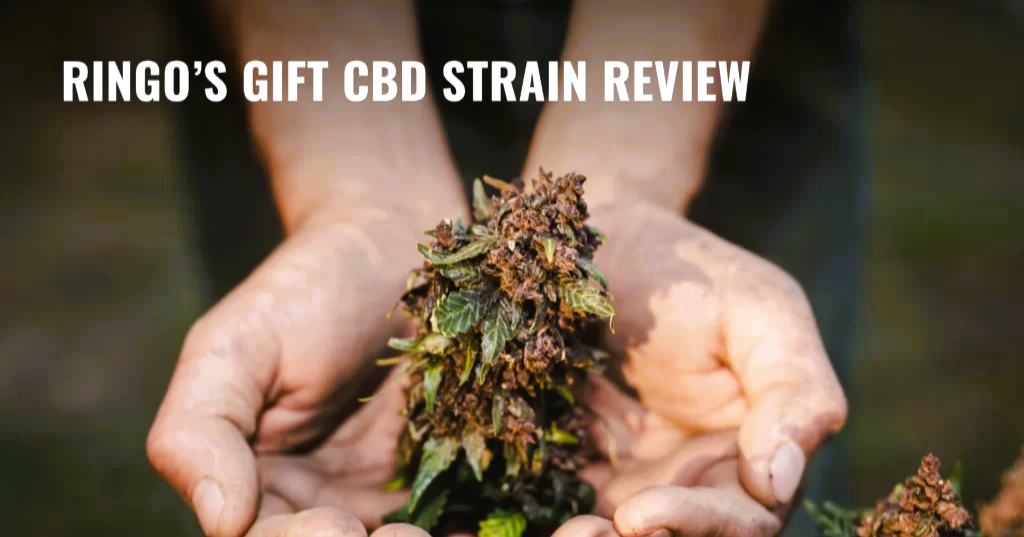
Medical Strain Analysis: Ringo’s Gift
Ringo’s Gift has cemented its place in the medical cannabis landscape as a premier strain for therapeutic applications. This hybrid, named after cannabis activist and breeder Lawrence Ringo, is celebrated for its high CBD content and minimal psychoactivity, offering patients a versatile solution for numerous health conditions. This expanded exploration delves into the strain’s origins, intricate chemical profile, wide-ranging medical benefits, and precise growing conditions. By emphasizing its medical potential, Ringo’s Gift emerges as an indispensable tool in the therapeutic arsenal for modern medicine.
Origins of Ringo’s Gift
Ringo’s Gift is a carefully crafted hybrid derived from two exceptional parent strains: Harle-Tsu and ACDC. These strains were selected not only for their potency but also for their high CBD content, a crucial factor in developing Ringo’s Gift as a medical strain.
Harle-Tsu is itself a hybrid, born from Harlequin and Sour Tsunami. Harlequin is known for its consistent CBD production and low THC content, which provides calming effects without significant intoxication. Sour Tsunami, another high-CBD strain bred for its therapeutic qualities, lends robust pain-relieving and anti-inflammatory properties to its offspring. Harle-Tsu inherits the best of both parents, contributing to the foundation of Ringo’s Gift’s therapeutic effects.
ACDC, the other parent strain, is a phenotype of Cannatonic, celebrated for its extraordinarily high CBD content and minimal THC presence. This strain is widely used for treating epilepsy, chronic pain, and anxiety, making it a perfect complement to Harle-Tsu in creating Ringo’s Gift.
Through deliberate breeding and genetic refinement, Ringo’s Gift was designed to offer a high CBD-to-THC ratio, ranging from 1:1 to 24:1. This ratio ensures powerful therapeutic effects while minimizing psychoactive side effects, making it ideal for patients seeking relief without intoxication. The strain’s name honors Lawrence Ringo’s lifelong advocacy for CBD-rich cannabis and his contributions to the cannabis community.
Chemical Profile of Ringo’s Gift

The chemical composition of Ringo’s Gift is a defining feature that underpins its medical applications. The strain is distinguished by its cannabinoids, terpenes, and the synergistic “entourage effect” they produce. Every element is essential to providing the medicinal effects of the strain.
1. Cannabinoids Ringo’s Gift is renowned for its high levels of cannabidiol (CBD) and low tetrahydrocannabinol (THC) content. Depending on the phenotype and cultivation conditions, the CBD content can range from 10% to 20%, while THC levels are typically between 0.5% and 7%.
- CBD (Cannabidiol): CBD is a non-intoxicating cannabinoid with a wide range of medical applications, including anti-inflammatory, anxiolytic, anticonvulsant, and neuroprotective effects. Its presence in high concentrations makes Ringo’s Gift ideal for treating conditions such as chronic pain, anxiety, and epilepsy.
- THC (Tetrahydrocannabinol): While THC levels are low, the small amount present can enhance the therapeutic effects of CBD through the entourage effect without causing significant psychoactivity.
- CBG (Cannabigerol): Ringo’s Gift may also contain small amounts of cannabigerol, a minor cannabinoid with antibacterial, anti-inflammatory, and neuroprotective properties.
2. Terpene Profile Ringo’s Gift’s therapeutic effects are further enhanced by its diverse range of terpenes. These aromatic compounds not only contribute to the strain’s flavor and aroma but also interact synergistically with cannabinoids to amplify its medical benefits.
- Myrcene: Known for its earthy aroma, myrcene is a potent anti-inflammatory and sedative terpene, making it beneficial for patients with chronic pain and insomnia.
- Pinene: This terpene has a fresh, pine-like aroma and is associated with improved cognitive function, memory retention, and respiratory health.
- Limonene: With its citrusy scent, limonene offers mood-elevating and stress-relieving effects, helping to combat anxiety and depression.
- Caryophyllene: With its direct binding to the body’s CB2 receptors, this peppery, spicy terpene has analgesic and anti-inflammatory properties.
- Humulene: Known for its earthy, woody aroma, humulene has anti-inflammatory properties and may help regulate appetite.
3. The Entourage Effect The interaction between cannabinoids and terpenes in Ringo’s Gift produces a phenomenon known as the entourage effect, where the combined compounds create greater therapeutic benefits than the sum of their parts. This effect enhances the strain’s ability to address complex medical conditions by targeting multiple pathways simultaneously.
Medical Benefits of Ringo’s Gift

The unique chemical composition of Ringo’s Gift makes it a versatile and effective option for managing a wide array of medical conditions. Its high CBD content ensures potent therapeutic effects, while its low THC levels minimize the risk of intoxication. Here, we explore the detailed medical applications of this exceptional strain.
1. Chronic Pain Management Chronic pain conditions such as arthritis, fibromyalgia, neuropathy, and migraines can severely impact quality of life. By interacting with the body’s endocannabinoid system, which controls inflammation and pain perception, Ringo’s Gift provides substantial alleviation. CBD’s ability to modulate pain signals at the neurological level provides long-lasting relief without the side effects of traditional pain medications.
2. Anxiety and Mood Disorders Anxiety and depression are among the most common conditions treated with Ringo’s Gift. Unlike THC-dominant strains, which can sometimes exacerbate anxiety, Ringo’s Gift provides a calming effect that reduces stress and promotes relaxation. Its interaction with serotonin receptors enhances mood and alleviates symptoms of generalized anxiety disorder (GAD), social anxiety, and post-traumatic stress disorder (PTSD).
3. Epilepsy and Seizures One of the most well-documented uses of high-CBD strains like Ringo’s Gift is in treating epilepsy and other seizure disorders. Patients with refractory epilepsy, who do not respond to conventional treatments, have reported dramatic reductions in seizure frequency and intensity after using CBD-rich strains.
4. Inflammation and Autoimmune Diseases The anti-inflammatory properties of Ringo’s Gift make it particularly effective for managing autoimmune diseases such as rheumatoid arthritis, lupus, and Crohn’s disease. The strain aids in easing pain, swelling, and other symptoms linked to these illnesses by lowering systemic inflammation.
5. Neuroprotective Benefits Ringo’s Gift has shown promise in protecting the brain and nervous system, making it a valuable tool for managing neurological disorders such as multiple sclerosis (MS), Parkinson’s disease, and Alzheimer’s disease. CBD’s neuroprotective effects may slow the progression of these diseases and improve symptoms like tremors, spasticity, and cognitive decline.
6. Sleep Disorders For patients struggling with insomnia or other sleep disturbances, Ringo’s Gift provides a natural alternative to sedatives. Its sedative properties, driven by high myrcene content, promote restful sleep without the risk of dependency or grogginess.
7. Cancer Symptom Relief Cancer patients undergoing chemotherapy often experience nausea, vomiting, and loss of appetite. Ringo’s Gift has been reported to alleviate these symptoms, improving the overall quality of life during treatment. Its anti-inflammatory and analgesic properties further contribute to its utility in managing cancer-related pain.
8. Cardiovascular Support Emerging research suggests that CBD may lower high blood pressure and reduce stress-induced cardiovascular strain. By promoting vasodilation and reducing inflammation, Ringo’s Gift may support cardiovascular health in patients with hypertension or heart disease.
Growing Conditions and Cultivation Requirements

Growing Ringo’s Gift requires a moderate level of expertise and attention to detail. The strain can be cultivated indoors or outdoors, but specific environmental conditions must be met to achieve optimal results.
1. Climate Ringo’s Gift thrives in a Mediterranean-like climate with plenty of sunlight, moderate humidity, and temperatures between 70°F and 80°F (21°C to 27°C). In outdoor settings, growers must ensure good air circulation to prevent mold and mildew.
2. Soil Requirements The strain performs best in nutrient-rich, well-draining soil with a slightly acidic to neutral pH level of 6.0 to 7.0. Using organic fertilizers rich in nitrogen, phosphorus, and potassium will promote healthy growth, while supplements like calcium and magnesium support robust root development.
3. Lighting Indoor growers should provide full-spectrum lighting, with 18 hours of light per day during the vegetative stage and 12 hours of light and 12 hours of darkness during flowering. Proper lighting ensures healthy cannabinoid and terpene development.
4. Flowering Time and Yields Ringo’s Gift has a flowering period of 9 to 10 weeks indoors. Outdoor plants are typically ready for harvest by late October. Under optimal circumstances, outdoor plants can yield up to 16 ounces or more per plant, although indoor plants typically give 10 to 16 ounces per square meter.
5. Pest and Disease Prevention Like many cannabis strains, Ringo’s Gift is susceptible to pests such as spider mites and aphids. Regular inspections and organic pest control measures like neem oil are essential. Maintaining proper humidity and airflow prevents fungal infections like powdery mildew.
6. Harvesting and Curing Harvesting should occur when trichomes appear milky white under magnification, signaling peak cannabinoid levels. The terpene profile and potency of the strain must be maintained by proper drying and curing, which takes many weeks.
Restrictions on Using Ringo’s Gift in the Medical Field: A Controlled Approach
While Ringo’s Gift offers significant therapeutic potential, its use in the medical field should be approached with caution and under strict regulation. As with any cannabis-based therapy, it is essential to balance its benefits against potential risks, particularly concerning its THC content and the possibility of unintended psychoactive effects. This section explores the restrictions and guidelines for utilizing Ringo’s Gift in medical applications, emphasizing its role as a last resort and the importance of THC monitoring to ensure patient safety.
Medical Use as a Last Resort
Despite its growing popularity in medical cannabis programs, Ringo’s Gift should be considered a last-resort treatment option, primarily for patients who have exhausted conventional therapies. This restriction is essential to uphold the principle of evidence-based medicine, ensuring that patients receive treatments with the most robust clinical support before exploring alternatives like medical cannabis.
- For Severe or Refractory Conditions: Ringo’s Gift is particularly suitable for conditions such as treatment-resistant epilepsy, chronic pain syndromes unresponsive to opioids or NSAIDs, and severe anxiety or PTSD where first-line therapies have proven ineffective.
- Ethical Considerations: Restricting the use of Ringo’s Gift to last-resort scenarios ensures that cannabis-based treatments are prescribed responsibly. This approach minimizes the risk of over-reliance on cannabis and helps establish clear boundaries for its use in medical practice.
- Legal and Institutional Guidelines: In many regions, cannabis-derived medications are only permitted when other treatment options fail. Medical professionals must adhere to these guidelines to ensure compliance with local laws and maintain trust in cannabis-based therapies.
Monitoring THC Levels to Prevent Psychoactive Effects
One of the critical concerns when using cannabis-based medications is the potential for psychoactive effects caused by tetrahydrocannabinol (THC). While Ringo’s Gift typically contains low THC levels, variations between phenotypes and cultivation practices can result in THC concentrations that may affect patients.
1. Importance of Low THC Content
- Minimizing Psychoactivity: Patients seeking medical cannabis often prioritize relief without intoxication. Ringo’s Gift, with its CBD-to-THC ratio as high as 24:1, is generally well-suited to meet this need. However, strict monitoring is essential to ensure that THC levels remain below the psychoactive threshold, typically considered to be less than 1%.
- Target Patient Populations: Vulnerable groups, such as pediatric patients, elderly individuals, and those with a history of substance use disorders, are particularly susceptible to the adverse effects of THC. For these populations, maintaining ultra-low THC levels is crucial.
2. Quality Control in Cultivation and Manufacturing
- Standardized Cultivation Practices: To ensure consistent THC and CBD levels, growers must adhere to strict cultivation protocols. Controlling environmental elements like light, temperature, and soil composition is part of this, as these can all affect the cannabinoid profile.
- Laboratory Testing: Comprehensive testing of cannabis products is essential to verify their chemical composition. Reputable manufacturers should conduct third-party lab testing to confirm that THC levels are within permissible limits and provide detailed certificates of analysis (COAs) for healthcare providers and patients.
3. Pharmaceutical Formulations
- CBD-Dominant Products: By isolating CBD or producing formulations with a high CBD-to-THC ratio, pharmaceutical-grade products can deliver the benefits of Ringo’s Gift without significant psychoactive effects. These products may include capsules, tinctures, and topicals tailored to medical use.
- Dose Control: Medical cannabis products derived from Ringo’s Gift should include clear dosing instructions to prevent overconsumption, which could inadvertently increase THC exposure. Microdosing strategies may also be employed to maintain therapeutic efficacy while minimizing risks.
Comprehensive Patient Monitoring
To safely integrate Ringo’s Gift into medical treatment plans, continuous monitoring of patient outcomes and potential side effects is imperative. Healthcare providers must adopt a proactive approach to ensure the strain’s benefits outweigh any risks.
1. Pre-Treatment Assessment
- Patient History: A comprehensive review of the patient’s medical history is necessary prior to starting Ringo’s Gift treatment. This includes assessing previous responses to other therapies, potential contraindications, and any history of mental health issues or substance misuse.
- Risk-Benefit Analysis: Providers should conduct a detailed analysis to determine whether the potential benefits of Ringo’s Gift justify its use as a treatment option.
2. Ongoing Monitoring
- THC-Related Side Effects: Symptoms such as dizziness, confusion, or mild euphoria should be promptly addressed. If psychoactive effects are observed, adjustments to the medication’s composition or dosage may be necessary.
- Treatment Outcomes: Regular evaluations of symptom improvement and quality of life are crucial to assess the efficacy of Ringo’s Gift. If the desired outcomes are not achieved, alternative therapies should be considered.
3. Patient Education
- Informed Consent: The possible hazards and advantages of adopting Ringo’s Gift must be thoroughly explained to patients. This includes a discussion of possible side effects, the importance of adhering to prescribed dosages, and the legal status of cannabis-based medications in their jurisdiction.
- Empowering Patients: Educating patients about the need for THC monitoring and the role of CBD in their treatment helps build trust and promotes adherence to medical guidelines.
Regulatory Compliance and Ethical Considerations
The medical use of Ringo’s Gift is subject to strict regulatory oversight, and healthcare providers must navigate a complex legal landscape to ensure compliance.
1. Legal Restrictions
- Controlled Use: In many countries, cannabis-based therapies are regulated as controlled substances, requiring special licensing for prescribing and dispensing. Providers must familiarize themselves with local regulations to avoid legal repercussions.
- Documentation and Reporting: Accurate documentation of all cannabis-based treatments, including the patient’s condition, dosage, and outcomes, is critical for regulatory compliance and research purposes.
2. Ethical Responsibility
- Prioritizing Patient Safety: By adhering to strict guidelines for THC monitoring and limiting Ringo’s Gift to last-resort scenarios, healthcare providers can uphold the highest ethical standards in patient care.
- Advocacy for Research: Supporting clinical research on Ringo’s Gift and other CBD-rich strains will help build a stronger evidence base, ultimately improving access to safe and effective cannabis-based medications.
Comprehensive Conclusion on Ringo’s Gift and Its Medical Applications
Ringo’s Gift stands as a shining example of the potential of cannabis to revolutionize medical treatments. Its origins, rooted in the careful crossing of high-CBD strains Harle-Tsu and ACDC, highlight the dedication of breeders like Lawrence Ringo to creating cannabis varieties with strong therapeutic benefits. The resulting strain offers an unparalleled CBD-to-THC ratio, making it a leader among cannabis strains tailored for medical use. Its composition balances powerful cannabinoids and terpenes, working synergistically to address an extensive range of medical conditions.
The chemical profile of Ringo’s Gift is its defining characteristic, with high levels of CBD and a negligible presence of THC. This unique combination ensures potent therapeutic effects, including anti-inflammatory, anxiolytic, neuroprotective, and anticonvulsant benefits, while minimizing the psychoactive risks commonly associated with cannabis use. Its diverse terpene profile enhances these effects, providing additional relief from pain, anxiety, and inflammation through the entourage effect.
Ringo’s Gift’s medical applications are vast, offering relief for chronic pain, anxiety, depression, epilepsy, and autoimmune and neurological disorders. Its ability to alleviate symptoms without causing intoxication makes it especially suitable for vulnerable patient populations such as children, the elderly, and those with conditions requiring clear cognitive function. For cancer patients, the strain provides a critical solution for managing chemotherapy-induced side effects such as nausea and appetite loss, further expanding its therapeutic utility.
However, the responsible use of Ringo’s Gift is paramount. Restrictions on its application, such as reserving it for last-resort cases, ensure that it is prescribed only to patients who have exhausted conventional therapies. This approach aligns with evidence-based medical practices and upholds ethical standards, prioritizing patient safety and the judicious use of cannabis-based treatments. Additionally, comprehensive monitoring of THC levels in all formulations derived from Ringo’s Gift is vital to prevent unintended psychoactive effects, particularly for sensitive or high-risk patients.
From a cultivation perspective, Ringo’s Gift requires precise environmental controls and diligent care to maintain its therapeutic potential. Standardized growing practices, rigorous laboratory testing, and adherence to legal regulations are critical to ensuring the safety, consistency, and efficacy of this strain in medical settings.
As a therapeutic option, Ringo’s Gift exemplifies the potential of cannabis to address some of the most challenging medical conditions. However, its integration into modern medicine must be carefully managed. Rigorous patient monitoring, informed consent, and education are essential components of a responsible treatment plan. By adhering to these principles, healthcare providers can effectively utilize Ringo’s Gift as a powerful medical tool.
In conclusion, Ringo’s Gift offers immense promise in the medical field, provided its use is carefully controlled and reserved for appropriate scenarios. Its high CBD content, minimal psychoactivity, and diverse therapeutic applications make it a cornerstone for patients seeking relief from complex health issues. With proper monitoring, ethical oversight, and a commitment to patient-centered care, Ringo’s Gift can continue to improve lives while paving the way for greater acceptance and understanding of cannabis-based medicine in healthcare.
