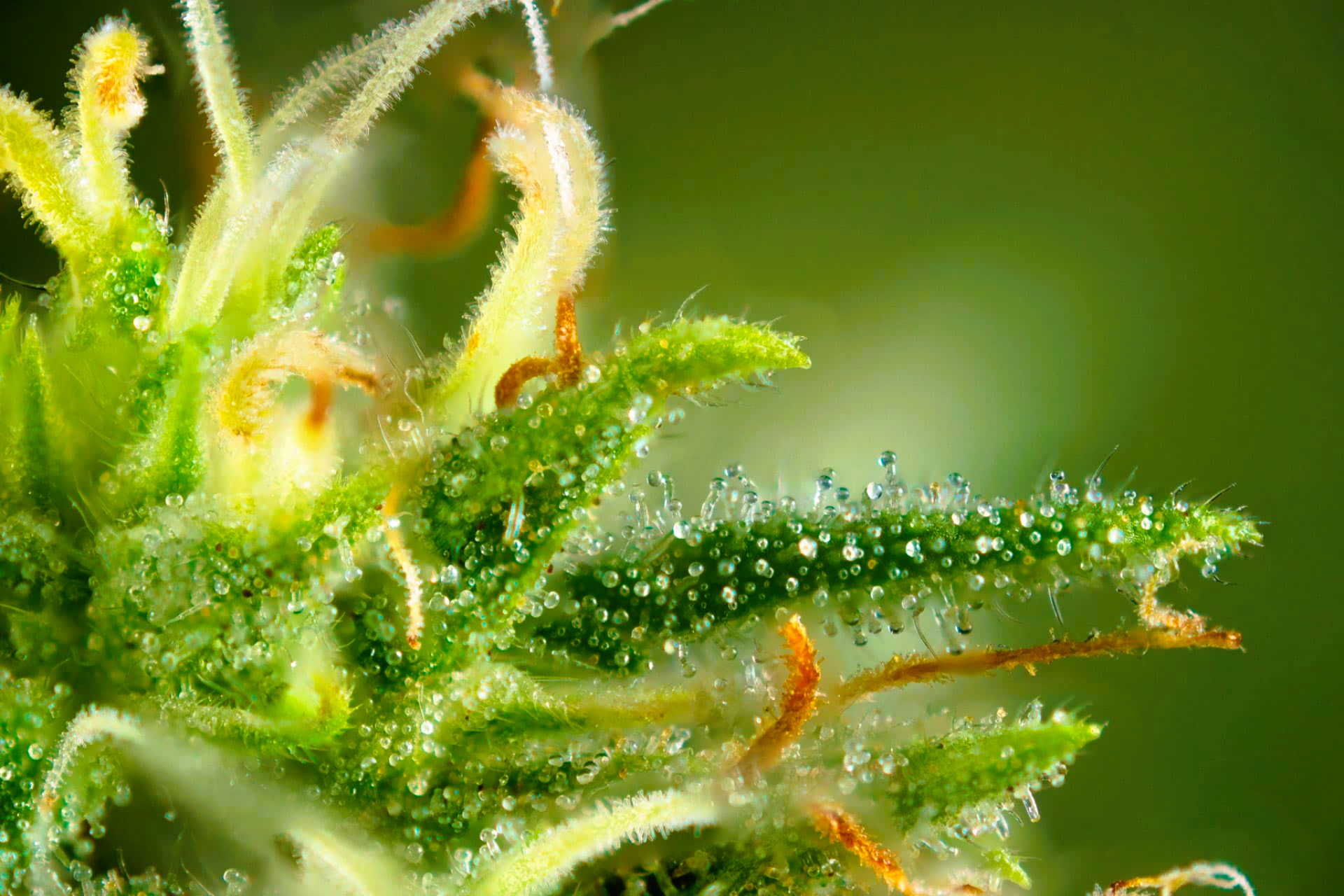
Medical Strain Analysis: Relief XL – Origins, Chemical Profile, Medical Benefits, and Growing Conditions
Relief XL is a highly regarded medical cannabis strain known for its exceptional therapeutic potential. Over the years, it has gained prominence within the medical community for its ability to address a wide range of chronic conditions, thanks to its unique chemical composition, balanced cannabinoid profile, and synergistic terpenes. Relief XL exemplifies the progress made in the field of medicinal cannabis, with a focus on targeted symptom management and patient wellness. Below is a comprehensive exploration of Relief XL, covering its origins, chemical profile, therapeutic benefits, and cultivation requirements.
Origins of Relief XL
Relief XL is the result of meticulous crossbreeding efforts carried out by a team of dedicated botanists and cannabis geneticists. Developed with a focus on medical applications, Relief XL emerged as part of a growing need to create strains that deliver consistent, reliable effects with minimal psychoactivity. The strain was bred from two parent cultivars chosen for their medical properties: an indica-dominant strain renowned for pain relief and anti-inflammatory properties, and a CBD-rich sativa strain with neuroprotective effects.
The original breeding program that resulted in Relief XL is believed to have originated in the Pacific Northwest, where medical cannabis programs prioritized developing strains with a high therapeutic index. Relief XL’s development aimed to provide patients with a robust strain that would minimize intoxication while delivering maximum medicinal value.
Breeders also worked to ensure that the strain would be highly resistant to pests and molds, making it suitable for both indoor and outdoor cultivation under controlled conditions. Over several generations of selective breeding, the strain achieved the desired balance of cannabinoids and terpenes, culminating in a plant that became a staple in medical dispensaries worldwide.
Chemical Profile of Relief XL
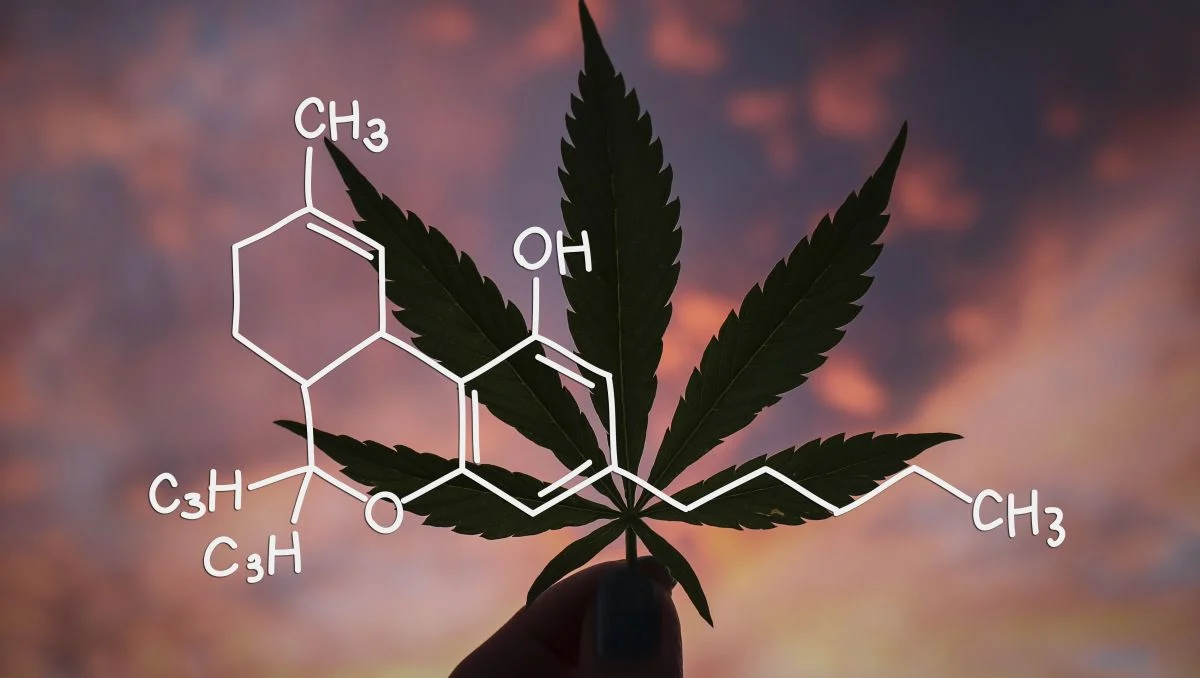
The effectiveness of Relief XL lies in its carefully balanced chemical profile, which features a harmonious interplay of cannabinoids and terpenes. Understanding its chemical composition is key to appreciating its medical benefits.
Cannabinoid Content
- CBD (Cannabidiol): Relief XL is a CBD-dominant strain, with CBD levels ranging from 15% to 20%. CBD serves as the cornerstone of this strain’s therapeutic value due to its non-intoxicating properties and wide range of medical effects, including anti-inflammatory, anxiolytic, and anticonvulsant actions.
- THC (Tetrahydrocannabinol): Relief XL contains a modest amount of THC, typically between 3% and 5%. While THC is the primary psychoactive compound in cannabis, the low concentration in Relief XL ensures minimal intoxication, allowing patients to remain clear-headed and functional while reaping the synergistic benefits of the entourage effect.
- CBG (Cannabigerol): Present in trace amounts (1-2%), CBG contributes to the strain’s anti-inflammatory and neuroprotective properties.
- CBC (Cannabichromene): Another minor cannabinoid found in Relief XL, CBC has shown promise as an anti-depressant and anti-inflammatory agent.
Terpene Profile
The terpene profile of Relief XL is equally important, as terpenes work in conjunction with cannabinoids to enhance the therapeutic potential of the strain. The dominant terpenes in Relief XL include:
- Myrcene: Known for its sedative and muscle-relaxing properties, myrcene is the most prevalent terpene in Relief XL. Its presence enhances the strain’s effectiveness in treating pain and inflammation.
- Limonene: This citrus-scented terpene contributes to the strain’s anxiolytic effects, making it useful for managing anxiety and stress-related conditions.
- Beta-Caryophyllene: Acting as a selective CB2 receptor agonist, beta-caryophyllene is particularly valuable for reducing inflammation without central nervous system involvement.
- Linalool: With its floral aroma, linalool offers calming, anti-anxiety benefits, and contributes to the strain’s overall soothing effect.
- Humulene: Found in smaller quantities, humulene is an anti-inflammatory and appetite-suppressing terpene that complements the medical profile of Relief XL.
Entourage Effect
The synergy between the cannabinoids and terpenes in Relief XL amplifies its therapeutic benefits. This phenomenon, known as the entourage effect, ensures that the strain delivers well-rounded medical effects, making it more effective than isolated compounds.
Medical Benefits of Relief XL
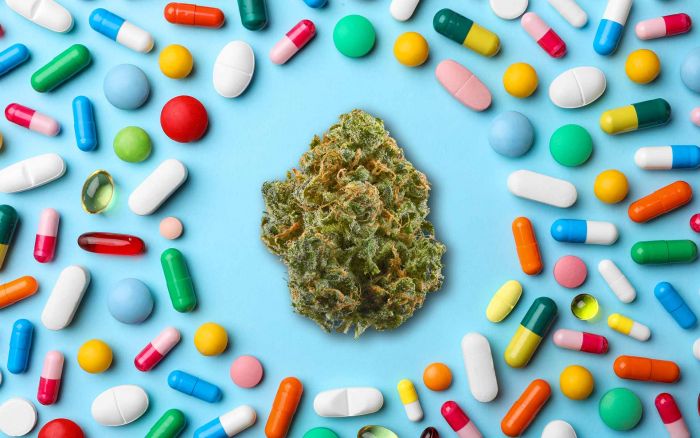
The primary reason for Relief XL’s widespread use in medical settings is its diverse range of therapeutic applications. Patients now have a safe and efficient substitute for traditional treatments because to its well-balanced chemical makeup, which allows it to treat a variety of ailments with few adverse effects.
Pain Management
Relief XL is widely used for its potent analgesic properties. The combination of CBD, THC, and beta-caryophyllene targets both nociceptive and neuropathic pain, making it suitable for conditions such as arthritis, fibromyalgia, and chronic back pain. CBD acts as an anti-inflammatory agent, reducing the root cause of pain, while THC provides localized relief through CB1 receptor activation. Myrcene enhances these effects by relaxing muscles and reducing tension.
Patients with conditions like multiple sclerosis or peripheral neuropathy have reported significant relief from chronic pain symptoms when using Relief XL. Additionally, the strain’s anti-inflammatory properties make it particularly effective in reducing swelling and discomfort associated with rheumatoid arthritis and other autoimmune disorders.
Anxiety and Stress
Relief XL has gained attention as a natural remedy for anxiety and stress. The high CBD content works to modulate the activity of serotonin receptors, providing a calming effect without the risk of dependency or side effects associated with pharmaceutical anxiolytics. Limonene and linalool further enhance these effects by reducing cortisol levels and promoting a sense of well-being. Relief XL is frequently recommended for patients with generalized anxiety disorder (GAD), post-traumatic stress disorder (PTSD), and panic disorders.
Sleep Disorders
Insomnia and other sleep disturbances are commonly treated with Relief XL due to its relaxing and sedative properties. Myrcene plays a central role in promoting deep, restorative sleep by increasing the activity of GABA (gamma-aminobutyric acid) in the brain. For patients with conditions like sleep apnea, restless leg syndrome, or chronic pain that disrupts sleep, Relief XL offers a natural way to improve sleep quality and duration.
Inflammation and Autoimmune Disorders
The anti-inflammatory properties of Relief XL make it a valuable tool for managing chronic inflammatory conditions such as Crohn’s disease, ulcerative colitis, and lupus. CBD and beta-caryophyllene work together to suppress pro-inflammatory cytokines, while humulene enhances these effects by reducing tissue swelling. Relief XL’s ability to modulate the immune system also makes it a potential treatment for autoimmune disorders, as it can help restore balance without suppressing the immune response entirely.
Neurological Disorders
Relief XL has shown promise in managing neurological conditions such as epilepsy, Parkinson’s disease, and Alzheimer’s disease. The high CBD content provides anticonvulsant effects, reducing the frequency and severity of seizures in epilepsy patients. Additionally, CBD’s neuroprotective properties help slow the progression of neurodegenerative diseases by reducing oxidative stress and inflammation in the brain.
In Parkinson’s disease, Relief XL can alleviate symptoms such as muscle rigidity, tremors, and bradykinesia. Its calming effects also help reduce the anxiety and depression that often accompany neurological disorders.
Gastrointestinal Issues
For patients with gastrointestinal conditions like irritable bowel syndrome (IBS) or gastritis, Relief XL offers significant relief. The strain’s anti-inflammatory properties help reduce gut inflammation, while CBD’s ability to interact with serotonin receptors may alleviate nausea and promote gut motility. Patients undergoing chemotherapy or experiencing appetite loss from chronic illnesses have also reported benefits from Relief XL’s ability to reduce nausea and stimulate appetite.
Cancer Symptom Management
Relief XL has become an integral part of palliative care for cancer patients. Its ability to manage pain, reduce nausea, and improve appetite makes it an invaluable tool for enhancing quality of life during chemotherapy and radiation treatments. The strain’s anti-inflammatory properties may also provide ancillary benefits by reducing tumor-associated inflammation, although further research is needed to confirm these effects.
Growing Conditions for Relief XL
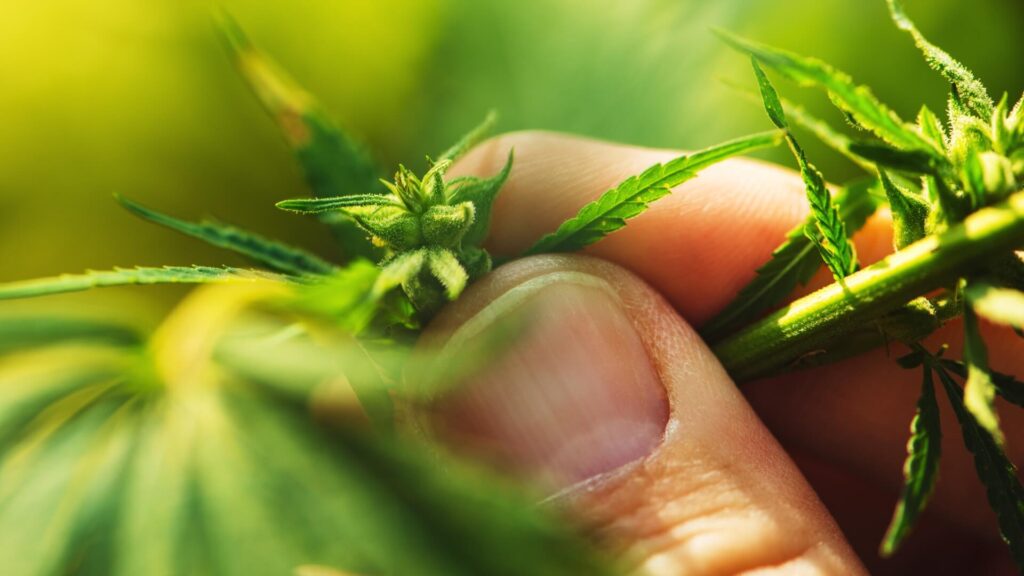
Cultivating Relief XL requires careful attention to environmental factors to maximize its yield and therapeutic potency. The strain is known for its resilience and adaptability, but achieving its full medical potential necessitates a controlled growing environment.
Climate and Environment
Relief XL thrives in a temperate climate with consistent temperatures between 70°F and 85°F (21°C to 29°C). Both indoor and outdoor growing are possible, but for medical-grade output, indoor culture is advised to guarantee exact control over environmental elements including light, humidity, and temperature.
Light Requirements
As a photoperiod strain, Relief XL requires a specific light cycle to transition from vegetative growth to flowering. It is ideal to have a light cycle of 18 hours of light and 6 hours of darkness during the vegetative stage. During flowering, the light cycle should be adjusted to 12 hours of light and 12 hours of darkness.
LED grow lights are ideal for indoor cultivation, as they provide the full spectrum of light needed for healthy plant growth while minimizing heat production. Proper lighting ensures the development of dense, resin-rich buds that contain the high concentrations of cannabinoids and terpenes required for medical use.
Soil and Nutrients
Relief XL thrives in well-aerated, nutrient-rich soil with a slightly acidic pH of 6.0 to 6.5. Organic soil blends enriched with compost, perlite, and coco coir are recommended to provide the necessary nutrients and drainage. During the vegetative stage, the plant requires nitrogen-rich fertilizers to support robust foliage growth. Phosphorus and potassium levels should be raised during the flowering stage to encourage the formation of buds and the production of resin.
To maintain the strain’s therapeutic potency, it is essential to avoid synthetic pesticides and fertilizers. Organic pest control methods, such as introducing beneficial insects and using neem oil, are preferred to ensure the final product is free of harmful residues.
Humidity and Ventilation
Maintaining proper humidity levels is crucial for the healthy growth of Relief XL. During the vegetative stage, a relative humidity of 50% to 70% is ideal, while the flowering stage requires lower humidity levels (40% to 50%) to prevent mold and mildew. Adequate ventilation and airflow are also necessary to prevent fungal growth and ensure the even distribution of carbon dioxide.
Harvesting and Curing
The flowering period for Relief XL typically lasts 8 to 10 weeks. Harvesting at the right time is critical for preserving the strain’s cannabinoid and terpene profile. The optimal time to harvest is when the trichomes on the buds transition from clear to milky white, with some turning amber. After harvesting, the buds should be dried in a dark, well-ventilated space at 60°F to 70°F (15°C to 21°C) with a humidity level of 50% to 60%.
The curing process involves storing the dried buds in airtight containers, such as glass jars, for 2 to 4 weeks. This step allows the cannabinoids and terpenes to reach their peak potency and ensures a smooth, therapeutic effect for medical patients.
Restrictions on Using Relief XL in the Medical Field and Ensuring It Is a Last Resort
The use of cannabis-based strains like Relief XL in the medical field comes with significant restrictions and guidelines to ensure patient safety and limit any unintended psychoactive effects. While Relief XL is specifically bred to minimize THC levels and maximize therapeutic benefits, regulatory frameworks often necessitate that medical cannabis be used only as a last resort, and its psychoactive components be strictly monitored. These restrictions are essential to uphold clinical standards and maintain patient trust in medical cannabis as a legitimate treatment option.
Relief XL as a Last Resort in Medical Treatment
In many jurisdictions, medical cannabis is permitted only after patients have exhausted conventional treatment options. Relief XL, despite its high CBD-to-THC ratio and low psychoactivity, is no exception to this rule. Physicians are required to explore other therapies, such as pharmaceutical drugs or physical treatments, before recommending cannabis-based solutions.
For example, conditions like chronic pain, anxiety disorders, or epilepsy are first treated with standard medications such as non-steroidal anti-inflammatory drugs (NSAIDs), selective serotonin reuptake inhibitors (SSRIs), or anticonvulsants. Only when these treatments fail to provide adequate relief or result in severe side effects can a strain like Relief XL be prescribed. This ensures that the use of cannabis remains a controlled, evidence-based approach and prevents its overprescription or misuse.
The “last resort” restriction also necessitates thorough documentation and justification by healthcare providers. Physicians must demonstrate that all other treatment avenues have been explored and that the use of Relief XL is medically necessary for managing a patient’s symptoms. Such protocols ensure that the strain is employed for legitimate therapeutic purposes, rather than as a first-line or casual treatment option.
Monitoring THC Levels in Medications
Despite its medical focus, Relief XL contains THC, albeit in minimal amounts (3–5%). As THC is the primary psychoactive compound in cannabis, its presence—even in trace amounts—can lead to mild intoxicating effects in sensitive patients or when dosages are not carefully managed. To prevent these outcomes, stringent monitoring of THC levels in medications derived from Relief XL is critical.
Pharmaceutical-grade products made from Relief XL are typically formulated to isolate or concentrate its non-intoxicating compounds, such as CBD, while minimizing or entirely removing THC. Many regulatory agencies mandate that THC levels in medical cannabis products remain below specific thresholds, often below 0.3% in CBD-dominant formulations, to ensure patients do not experience psychoactive effects. Laboratory testing of every batch is a legal requirement in most regions, ensuring consistency in cannabinoid content and patient safety.
Physician Oversight and Patient Monitoring
Healthcare providers prescribing Relief XL must closely monitor patient outcomes. Physicians often start with the lowest effective dose, gradually adjusting it based on the patient’s response. Monitoring includes tracking improvements in symptoms, as well as any adverse effects, such as dizziness or cognitive impairment, that could arise from THC exposure.
Through these restrictions—ensuring its use as a last resort and monitoring THC levels—Relief XL can be integrated into the medical field as a safe and effective option, while protecting patients from unintended psychoactive effects.
Conclusion
Relief XL is a meticulously developed medical cannabis strain that exemplifies the advancements in plant science aimed at addressing chronic and debilitating health conditions. Its origins as a carefully bred hybrid strain, combining the best traits of indica and CBD-rich sativa varieties, underscore its design as a therapeutic tool rather than a recreational product. The strain’s balanced chemical profile, marked by high levels of CBD, trace amounts of THC, and a diverse terpene composition, enables it to deliver significant medical benefits while minimizing psychoactive effects. These benefits range from pain relief and anti-inflammatory effects to managing anxiety, neurological disorders, and sleep disturbances, making Relief XL a versatile solution for patients with complex medical needs.
However, as a medical tool, Relief XL is subject to stringent restrictions to ensure its safe and responsible use. Regulatory frameworks often mandate that medical cannabis, including Relief XL, be considered only as a last resort after conventional treatments have failed. This precaution not only reinforces its role as a targeted therapeutic option but also prevents overuse or misuse of cannabis-based therapies. Additionally, monitoring the THC levels in medications derived from Relief XL is essential to avoid even minimal psychoactive effects in patients. Ensuring consistent cannabinoid and terpene content through rigorous lab testing further upholds its reliability and safety.
Cultivation of Relief XL is equally important to its medical efficacy. Controlled growing conditions, including precise temperature, light, humidity, and organic cultivation methods, ensure that the strain develops its full therapeutic potential. Proper harvesting and curing processes further preserve its cannabinoid and terpene profile, ensuring that medical patients receive consistent and high-quality treatments.
While Relief XL offers hope for many patients, its integration into medical practice comes with the responsibility of adhering to ethical, clinical, and regulatory guidelines. Physicians must carefully evaluate its necessity for each patient, ensuring that its use aligns with evidence-based medicine and that all other options have been exhausted. Similarly, ongoing patient monitoring is vital to ensure symptom relief without adverse effects, particularly those associated with THC.
In summary, Relief XL stands as a beacon of progress in the medical cannabis field, offering tailored symptom relief for various chronic and severe conditions. Its low THC levels, high CBD content, and robust therapeutic potential make it a valuable asset in the medical community. However, its responsible use as a last resort, coupled with strict oversight of THC levels and cultivation standards, is crucial to maintain its credibility and ensure patient safety. Relief XL is not merely a product of advanced breeding techniques but a testament to the evolving intersection of science, medicine, and compassionate care for those in need.
