Medical Strain Analysis: Purple Snow CBD
Purple Snow CBD is a cannabis strain that has garnered significant attention in recent years due to its rich cannabinoid profile, therapeutic potential, and adaptability to medical applications. As interest in CBD-dominant strains continues to rise in the medical cannabis community, Purple Snow CBD has emerged as a notable cultivar for patients seeking relief from a range of conditions without the psychoactive effects commonly associated with THC-dominant cannabis. This in-depth exploration of Purple Snow CBD will cover its origins, chemical composition, potential medical benefits, and optimal growing conditions, emphasizing its suitability for medical use.
Origins of Purple Snow CBD
The origins of Purple Snow CBD are rooted in meticulous breeding efforts to create a CBD-rich strain that delivers consistent therapeutic results while maintaining genetic stability. While the exact lineage of Purple Snow CBD remains closely guarded by its original breeders, it is generally believed to be a cross between high-CBD landrace strains and selectively bred indica-dominant hybrids. These parent strains were carefully chosen for their ability to express high levels of cannabidiol (CBD) alongside minimal amounts of tetrahydrocannabinol (THC).
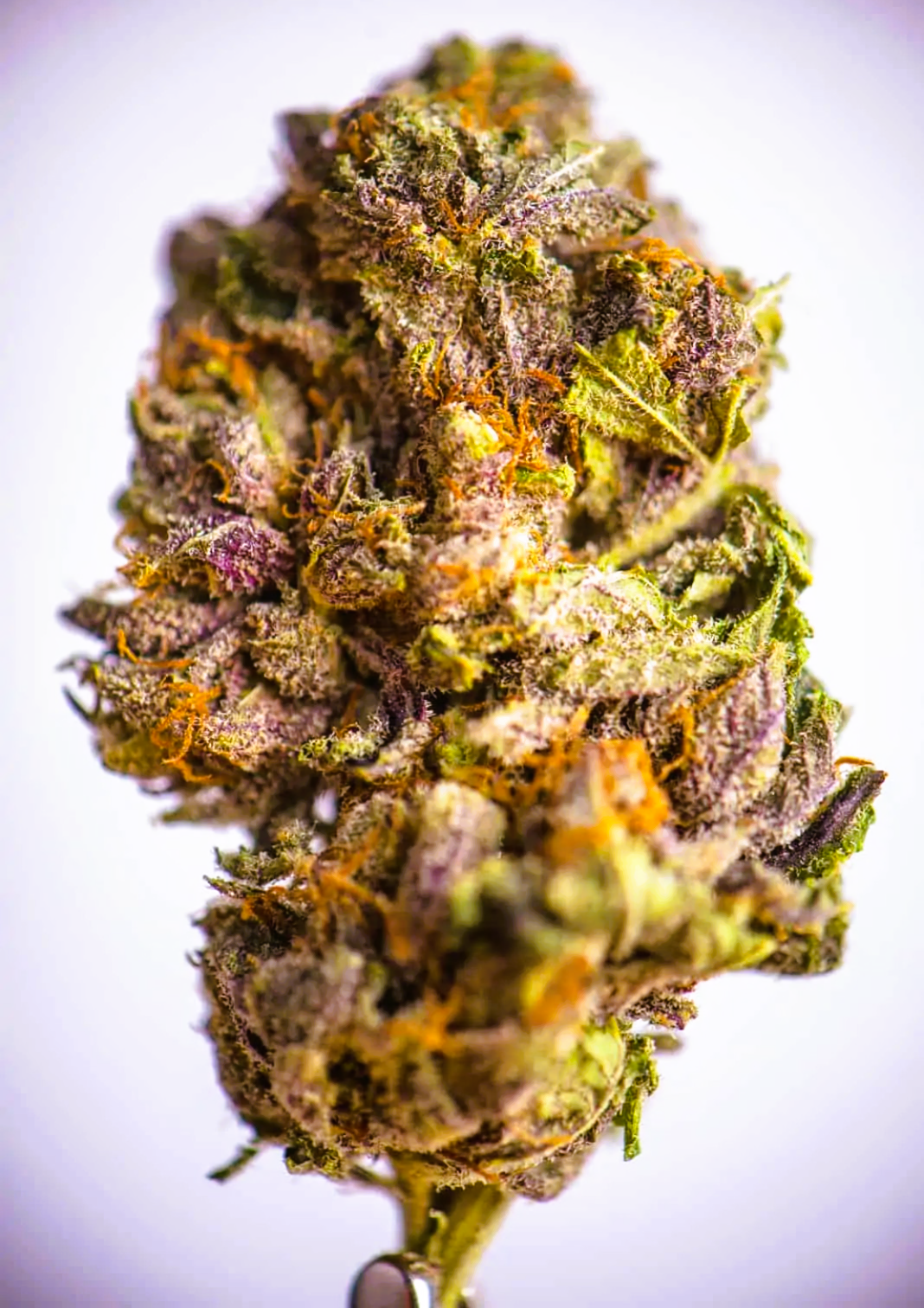
The name “Purple Snow” reflects the physical characteristics of the strain. The deep purple hues of the plant’s buds, accented by a dense layer of frosty trichomes, resemble snow-covered flowers. This striking appearance is largely due to the presence of anthocyanins, a type of flavonoid that gives certain plants their red, blue, and purple pigmentation. Anthocyanins are not only aesthetically pleasing but also possess antioxidant properties, adding to the strain’s overall therapeutic profile.
Purple Snow CBD was initially cultivated by breeders looking to capitalize on the increasing demand for high-CBD strains that provided the medicinal benefits of cannabis without the intoxicating effects of THC. The strain quickly gained popularity in medical cannabis circles due to its consistent cannabinoid ratio, unique terpene profile, and broad-spectrum therapeutic potential.
Chemical Profile of Purple Snow CBD
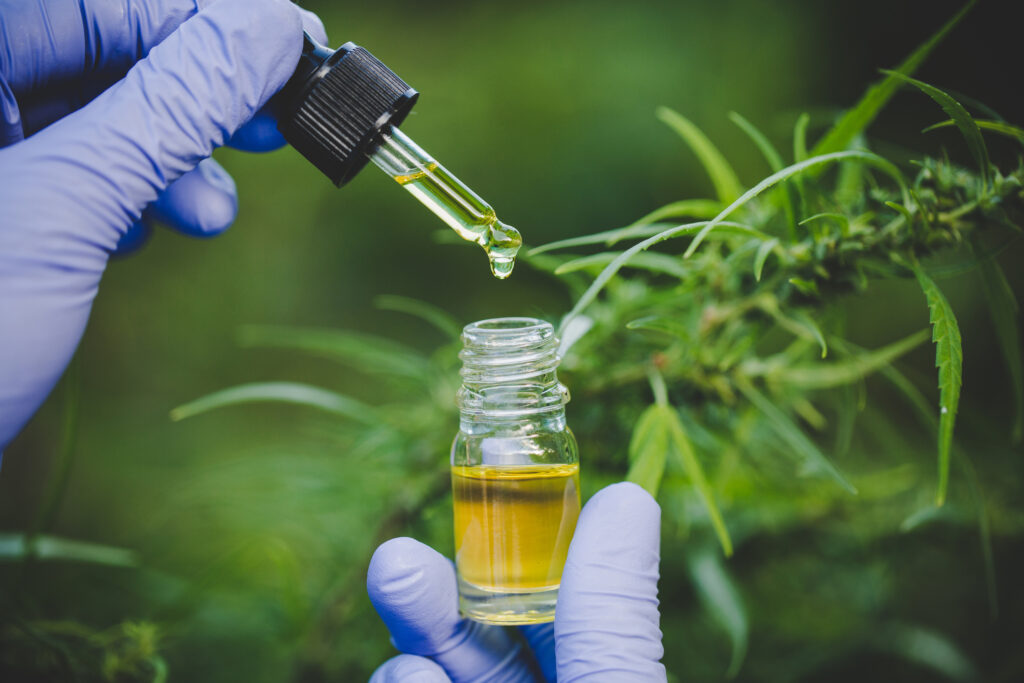
One of the defining features of Purple Snow CBD is its chemical composition, which is dominated by cannabidiol (CBD). On average, this strain contains 15–20% CBD, making it highly effective for medical purposes. THC levels in Purple Snow CBD are typically below 1%, ensuring that it remains non-intoxicating and compliant with medical cannabis regulations in many jurisdictions.
Cannabinoids:
- CBD (Cannabidiol): The primary active compound in Purple Snow CBD, cannabidiol, is renowned for its wide-ranging therapeutic effects. CBD interacts with the endocannabinoid system (ECS) in the human body, primarily by modulating CB1 and CB2 receptors. These interactions have been shown to regulate inflammation, pain perception, mood, and neurological function.
- THC (Tetrahydrocannabinol): THC, which is present in trace amounts in Purple Snow CBD, helps create the “entourage effect,” a phenomena in which terpenes and cannabinoids cooperate to increase the medicinal benefits of cannabis. However, the low THC concentration ensures that psychoactivity is negligible.
- CBG (Cannabigerol): Although present in smaller quantities, CBG plays a supporting role in the strain’s therapeutic profile. Known as the “mother of all cannabinoids,” CBG is a precursor to both THC and CBD and is believed to have anti-inflammatory, antibacterial, and neuroprotective properties.
- CBC (Cannabichromene): Another minor cannabinoid in Purple Snow CBD, CBC has demonstrated potential in reducing pain and inflammation and may contribute to the strain’s overall effectiveness.
Terpenes: The unique terpene profile of Purple Snow CBD enhances its medical benefits and gives the strain its distinctive aroma. The strain’s most prevalent terpenes are as follows:
- Myrcene: Known for its sedative and muscle-relaxant properties, myrcene is helpful for patients managing chronic pain, insomnia, or anxiety.
- Limonene: A citrus-scented terpene, limonene is thought to have mood-enhancing and stress-relieving effects, making it beneficial for patients with depression or anxiety-related conditions.
- Pinene: With its anti-inflammatory and bronchodilatory effects, pinene supports respiratory health and may improve focus and memory.
- Caryophyllene: Caryophyllene is a special terpene that also functions as a cannabinoid. It has analgesic and anti-inflammatory effects and binds to CB2 receptors.
- Linalool: Known for its calming and anxiolytic effects, linalool is a common terpene in strains used to treat stress and sleep disorders.
This rich combination of cannabinoids and terpenes creates a strain that is not only potent in its effects but also versatile in its applications. Importantly, the strain’s low THC content ensures that it can be used safely by a wide range of patients, including those who may be sensitive to THC or require clear-headed functionality during treatment.
Medical Benefits of Purple Snow CBD

Purple Snow CBD has become a staple in medical cannabis programs due to its impressive range of therapeutic applications. The strain’s high CBD content and diverse terpene profile make it effective in managing symptoms across numerous medical conditions. Below are some of the most notable medical benefits associated with Purple Snow CBD:
1. Chronic Pain Management: CBD is well-documented for its ability to modulate pain pathways in the body, making Purple Snow CBD an excellent choice for patients suffering from chronic pain conditions such as fibromyalgia, arthritis, and neuropathy. The presence of caryophyllene and myrcene enhances its analgesic properties, providing additional relief for patients experiencing musculoskeletal discomfort or inflammatory pain.
2. Inflammation Reduction: Inflammation is a common underlying factor in many chronic illnesses, including autoimmune diseases and gastrointestinal disorders. Purple Snow CBD’s combination of CBD, CBG, and anti-inflammatory terpenes like pinene and caryophyllene makes it a powerful tool for reducing inflammation and promoting overall wellness.
3. Anxiety and Stress Relief: Mental health conditions such as anxiety, post-traumatic stress disorder (PTSD), and generalized stress disorders can significantly impair quality of life. Purple Snow CBD offers anxiolytic benefits without the risk of dependency or sedation often associated with pharmaceutical treatments. Limonene and linalool work in harmony with CBD to provide a calming effect, helping patients maintain emotional balance.
4. Sleep Support: Patients with insomnia or other sleep disorders often turn to cannabis for its sedative properties. Purple Snow CBD, with its high levels of myrcene and linalool, promotes relaxation and deeper sleep cycles, making it a preferred choice for individuals who struggle with sleep quality.
5. Neurological Disorders: One of the most promising areas of research for CBD is its neuroprotective potential. Purple Snow CBD has shown effectiveness in managing conditions like epilepsy, multiple sclerosis, and Parkinson’s disease. Its ability to reduce seizure frequency and improve motor function has made it particularly valuable for patients with treatment-resistant epilepsy.
6. Cancer Symptom Management: Although Purple Snow CBD is not a cure for cancer, it plays a supportive role in alleviating symptoms associated with cancer and its treatments. By reducing nausea, improving appetite, and alleviating pain, this strain can enhance the quality of life for patients undergoing chemotherapy or radiation therapy.
7. Cardiovascular Health: Preliminary studies suggest that CBD may have cardioprotective effects, such as reducing high blood pressure and minimizing oxidative stress. Purple Snow CBD’s anti-inflammatory properties further contribute to cardiovascular health, potentially lowering the risk of heart disease.
8. Gastrointestinal Disorders: Patients with conditions such as Crohn’s disease, irritable bowel syndrome (IBS), and ulcerative colitis may benefit from the anti-inflammatory and gut-modulating effects of Purple Snow CBD. The strain’s soothing properties can help alleviate symptoms like abdominal pain, cramping, and bloating.
9. Skin Health: The antioxidant and anti-inflammatory properties of Purple Snow CBD extend to dermatological applications. CBD has been found to regulate sebum production and reduce inflammation in conditions like acne, eczema, and psoriasis. Topical formulations derived from Purple Snow CBD may offer targeted relief for these skin conditions.
10. Addiction Recovery: Emerging research indicates that CBD may have a role in addiction treatment by modulating the reward pathways in the brain and reducing cravings. Purple Snow CBD, with its non-intoxicating profile, is a safe option for patients in recovery who wish to manage withdrawal symptoms or reduce dependency on addictive substances.
Growing Conditions for Purple Snow CBD
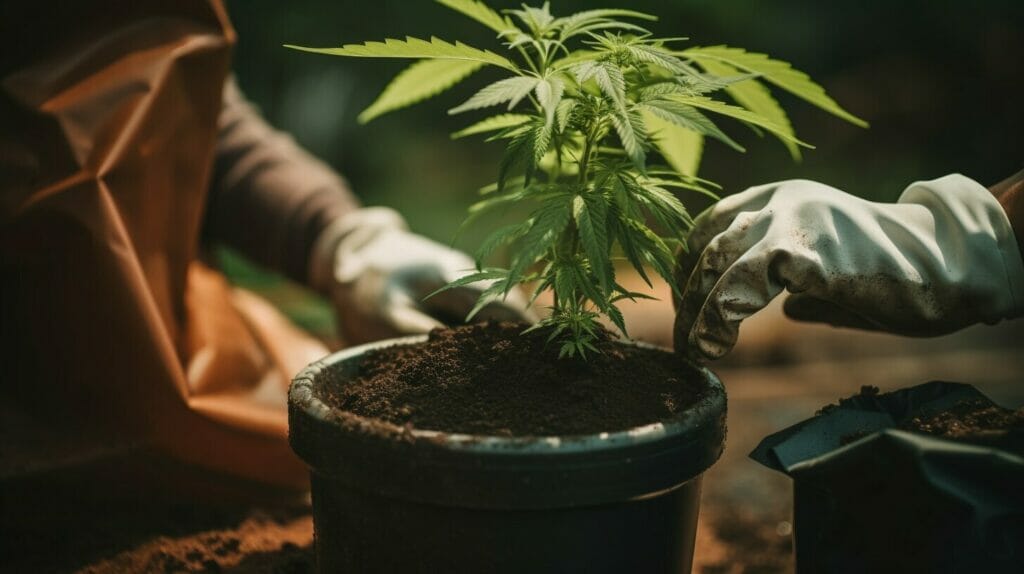
The cultivation of Purple Snow CBD requires careful attention to environmental factors to ensure the production of high-quality, therapeutically potent flowers. Because of its reputation for adaptability and resilience, the strain may be grown both indoors and outdoors. Below is an overview of the ideal conditions for cultivating Purple Snow CBD.
1. Climate: Purple Snow CBD thrives in a Mediterranean climate with warm days and cool nights. The temperature range of 70–80°F (21–27°C) during the day and slightly cooler temperatures at night promotes optimal growth and encourages the development of its signature purple coloration.
2. Light Exposure: As with most cannabis strains, Purple Snow CBD benefits from abundant light exposure during its vegetative stage to maximize growth. Indoor growers should use full-spectrum LED lights to replicate the intensity and spectrum of natural sunlight. During the flowering stage, a 12-hour light cycle is recommended to stimulate bud development.
3. Humidity Levels: Maintaining proper humidity levels is crucial to prevent mold and mildew, which can compromise the plant’s quality. During the vegetative stage, a humidity range of 50–60% is ideal. In the flowering stage, this should be reduced to 40–50% to protect the dense buds from moisture-related issues.
4. Soil and Nutrients: Purple Snow CBD performs well in nutrient-rich, well-draining soil with a slightly acidic pH of 6.0–6.5. Organic fertilizers and compost are recommended to support healthy root development and robust plant growth. During the flowering phase, phosphorus and potassium levels should be increased to enhance bud production and cannabinoid synthesis.
5. Pruning and Training: To maximize yield and ensure adequate air circulation, growers should regularly prune excess foliage and train the plants using techniques like low-stress training (LST) or the Screen of Green (SCROG) method. These practices encourage even light distribution and reduce the risk of mold.
6. Harvest Timing: The flowering period for Purple Snow CBD typically lasts 8–10 weeks. To choose the best time to harvest, growers should keep an eye on the trichomes on the buds. When the trichomes appear milky with a few amber hues, the plant has reached its peak cannabinoid and terpene content.
7. Post-Harvest Handling: Proper drying and curing are essential to preserve the strain’s chemical profile and enhance its therapeutic potential. The drying process should be carried out in a controlled environment with a temperature of 60–70°F (15–21°C) and a humidity level of 45–55%. Curing in airtight jars for 2–4 weeks further enhances the strain’s flavor and potency.
Restrictions on Using Purple Snow CBD in the Medical Field and Ensuring Safe Application
Despite its extensive therapeutic potential, the use of Purple Snow CBD in the medical field comes with certain restrictions to ensure it is applied safely and responsibly. These restrictions stem from a need to prioritize patient well-being, minimize potential risks, and adhere to strict medical and legal guidelines. One of the key principles in utilizing Purple Snow CBD is to reserve its use for medical applications only and as a last-resort option when conventional treatments have proven insufficient. Additionally, maintaining low THC levels in medications derived from this strain is essential to prevent any psychoactive effects on patients, especially those with heightened sensitivity to THC.
Reserved for Medical Use and Last-Resort Applications
Purple Snow CBD is widely regarded as a non-intoxicating, CBD-dominant strain, making it an appealing option for medical cannabis programs. However, its use is typically restricted to patients with specific medical conditions who have not responded adequately to traditional treatments. This ensures that cannabis-based therapies are employed judiciously and only when other pharmacological options have failed to provide relief.
Doctors and healthcare providers are often required to exhaust all evidence-based conventional treatments before prescribing Purple Snow CBD. For example:
- Neurological Disorders: In cases of treatment-resistant epilepsy, such as Dravet syndrome or Lennox-Gastaut syndrome, Purple Snow CBD may be considered as a last-resort therapy after antiepileptic drugs have been ineffective.
- Chronic Pain: For patients with debilitating chronic pain who cannot tolerate or have not benefited from opioids or nonsteroidal anti-inflammatory drugs (NSAIDs), Purple Snow CBD can serve as an alternative therapy.
- Mental Health Disorders: Patients with severe anxiety, PTSD, or sleep disorders who do not respond to standard therapies, including selective serotonin reuptake inhibitors (SSRIs) or benzodiazepines, may benefit from CBD-dominant strains under medical supervision.
Restricting Purple Snow CBD to these circumstances ensures that it is not overprescribed or used as a first-line treatment, thereby reducing the risk of inappropriate or excessive reliance on cannabis-based therapies in the medical field.
Monitoring THC Levels to Prevent Psychoactive Effects
A critical restriction in the use of Purple Snow CBD, especially in medications, is the strict regulation of THC levels. By definition, Purple Snow CBD contains less than 1% THC, which is significantly lower than the psychoactive threshold that could produce intoxication. Nonetheless, even trace amounts of THC can accumulate in sensitive individuals or patients with specific medical conditions, potentially leading to unintended side effects such as drowsiness, impaired cognitive function, or heightened anxiety.
To address this concern, healthcare providers and pharmaceutical manufacturers must carefully monitor THC levels in all formulations derived from Purple Snow CBD. The following actions are frequently taken:
- Standardized Testing: Routine testing of cannabinoid concentrations during production ensures that medications remain within legally approved THC limits.
- Precise Dosing: Medications are formulated to deliver specific doses of CBD while minimizing THC content, providing therapeutic effects without psychoactivity.
- Patient Monitoring: Regular follow-ups with patients help detect any adverse reactions to THC, allowing adjustments to be made to their treatment plan.
- Labeling Requirements: Products derived from Purple Snow CBD must display accurate THC and CBD ratios, enabling both healthcare providers and patients to make informed decisions.
For vulnerable populations, such as children, the elderly, or those with mental health disorders, ensuring low or negligible THC levels is especially important to avoid any psychoactive effects that could worsen their condition.
Conclusion
Purple Snow CBD represents a significant advancement in the field of medical cannabis, offering patients a non-intoxicating option with a diverse range of therapeutic applications. Its high CBD content, low THC levels, and unique terpene profile make it particularly effective for managing chronic pain, inflammation, neurological disorders, mental health conditions, and other ailments without inducing psychoactive effects. This strain’s origins, rooted in meticulous breeding practices, ensure its consistency, safety, and suitability for medical purposes. The presence of complementary cannabinoids and terpenes further enhances its therapeutic efficacy through the entourage effect, allowing patients to experience holistic relief.
However, the use of Purple Snow CBD in the medical field must be approached with care and responsibility. Its application is best reserved as a last resort for patients who have exhausted conventional treatment options. This ensures that it is used only when medically necessary and not as a first-line therapy. Restricting its use in this way reinforces its role as a supplemental, rather than primary, medical tool.
Additionally, maintaining strict control over THC levels in Purple Snow CBD products is essential to prevent unintended psychoactive effects. Rigorous testing, precise dosing, accurate labeling, and patient monitoring ensure the safety and reliability of medications derived from this strain. These measures are especially critical for vulnerable populations, such as children, the elderly, or individuals with THC sensitivity.
In cultivation, Purple Snow CBD requires specific environmental conditions and careful post-harvest handling to maximize its cannabinoid and terpene content. When grown under optimal conditions, it produces a high-quality product suitable for medical use.
Ultimately, Purple Snow CBD embodies the potential of cannabis as a legitimate medical treatment. By adhering to ethical restrictions, scientific standards, and patient-focused practices, this strain can serve as a valuable tool in advancing healthcare while safeguarding patient well-being.
