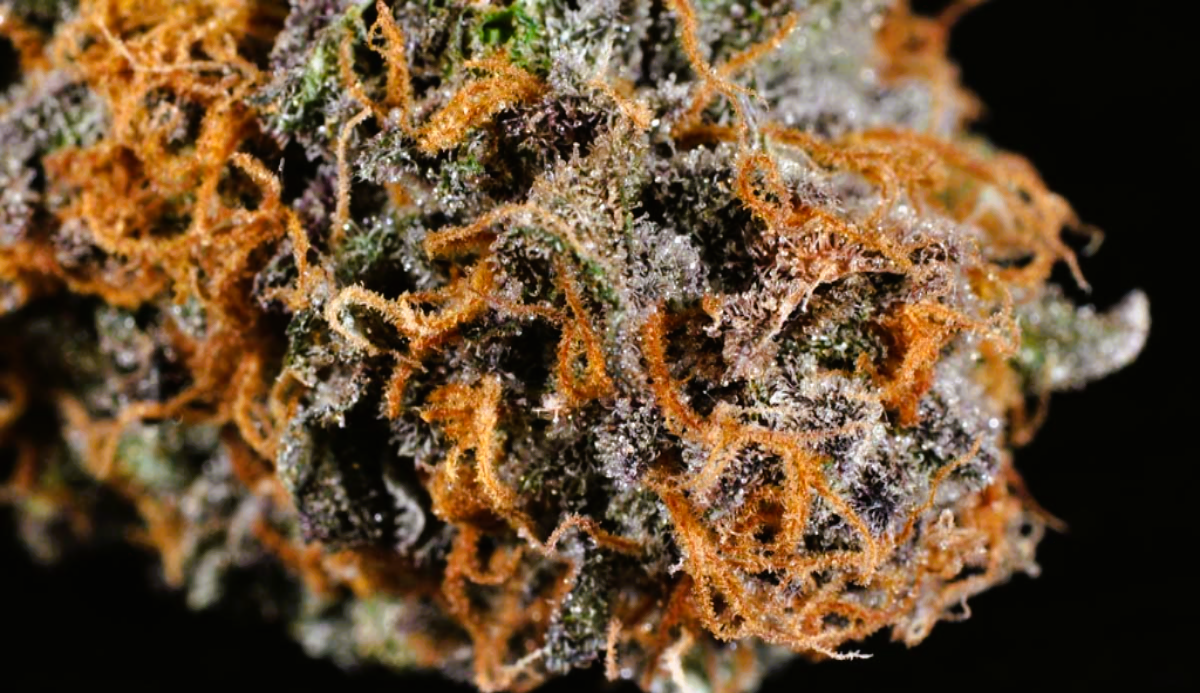
Medical Strain Analysis: Purple Dragon
-
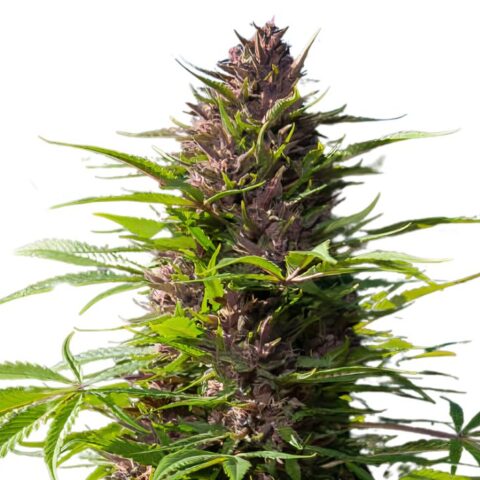 Purple Dragon Cannabis SeedsFrom: $24.99
Purple Dragon is a highly sought-after hybrid cannabis strain celebrated for its medical properties. Its balanced effects, striking physical appearance, and rich chemical profile make it a valuable option for patients seeking natural, plant-based treatments. The strain is a product of expert crossbreeding, yielding a combination of indica and sativa traits that contribute to its versatility in treating a wide range of medical conditions. This comprehensive analysis delves into Purple Dragon’s origins, chemical composition, medical benefits, and cultivation requirements, highlighting its significant role in medical cannabis applications.
Origins of Purple Dragon
The genetic origins of Purple Dragon trace back to the hybridization of two prominent strains, Purple Urkle and Blue Dragon, both of which are highly regarded for their medical uses and unique attributes.
- Purple Urkle is an indica-dominant strain with a storied reputation in the medical community. Known for its deeply relaxing and sedative effects, Purple Urkle has been a reliable option for treating chronic pain, insomnia, and stress. Its signature traits, such as vibrant purple hues and a rich, earthy aroma, strongly influence Purple Dragon’s visual and aromatic profile.
- Blue Dragon, the other parent strain, is a balanced hybrid resulting from the union of Blueberry and Sour Diesel. This strain is renowned for its ability to alleviate pain and inflammation while promoting mental clarity. Its genetic contribution lends Purple Dragon a well-rounded set of effects, ensuring it addresses both physical and psychological symptoms.
Together, these genetic influences have culminated in Purple Dragon, a strain that embodies a 50/50 balance between indica and sativa. While individual phenotypes may lean toward either end of the spectrum, the hybrid maintains a reputation for its consistently balanced therapeutic effects.
Chemical Profile
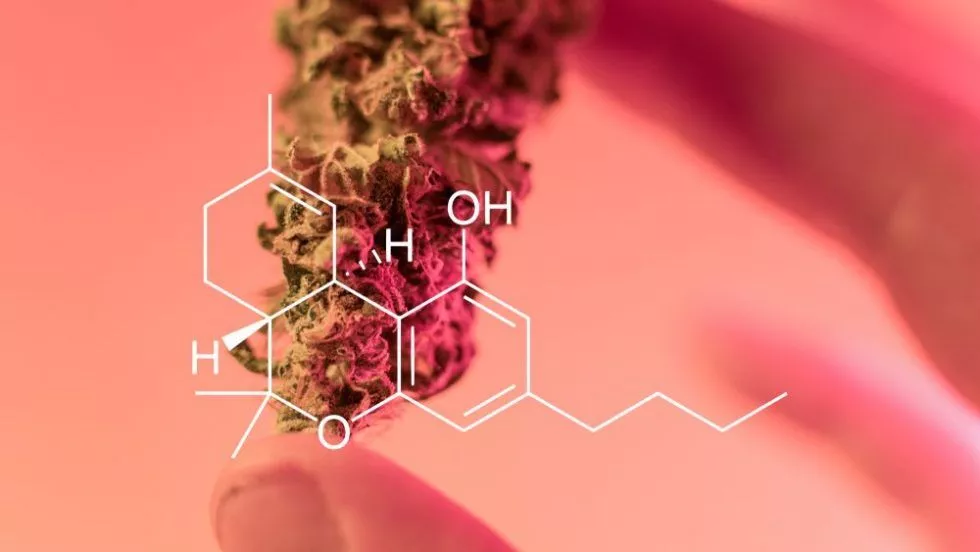
The efficacy of Purple Dragon as a medical strain is deeply rooted in its intricate chemical composition, including a robust cannabinoid content and a nuanced terpene profile.
Cannabinoid Content
Cannabinoids are the primary compounds responsible for the therapeutic effects of cannabis, and Purple Dragon offers a potent combination of these molecules:
- THC (Tetrahydrocannabinol):
- The THC content in Purple Dragon typically ranges between 15% and 20%, striking a balance that offers therapeutic effects without overwhelming psychoactivity. This makes it an accessible option for patients new to cannabis-based treatments.
- THC primarily interacts with CB1 receptors in the brain, playing a critical role in modulating pain perception, reducing nausea, and stimulating appetite.
- CBD (Cannabidiol):
- While CBD levels in Purple Dragon are generally lower (under 1%), the presence of this cannabinoid enhances its medical value. CBD is well-known for its anti-inflammatory, anxiolytic, and neuroprotective properties, complementing THC’s effects and mitigating its psychoactive intensity.
- CBN (Cannabinol):
- Found in trace amounts, CBN is a derivative of THC that exhibits sedative properties, contributing to Purple Dragon’s efficacy as a sleep aid.
- Minor Cannabinoids:
- Compounds such as CBC (Cannabichromene) and CBG (Cannabigerol), while present in smaller concentrations, enhance Purple Dragon’s therapeutic benefits through the entourage effect, where cannabinoids and terpenes work synergistically.
Terpene Profile
Terpenes are aromatic compounds that contribute not only to the flavor and aroma of cannabis but also to its therapeutic effects. The terpene profile of Purple Dragon is diverse and robust, with the following terpenes standing out in particular:
- Myrcene:
- Myrcene is often the dominant terpene in Purple Dragon. It provides powerful sedative and muscle-relaxing effects, making it ideal for conditions like insomnia, chronic pain, and muscle spasms.
- Limonene:
- This citrus-scented terpene adds an uplifting element to Purple Dragon, offering mood-enhancing and anti-anxiety effects. Limonene’s presence makes the strain suitable for addressing depression and stress.
- Caryophyllene:
- Caryophyllene is notable for its ability to interact with CB2 receptors, contributing to its potent anti-inflammatory and analgesic properties. This makes Purple Dragon particularly effective for conditions involving systemic inflammation.
- Pinene:
- Pinene, though less dominant, has respiratory benefits and can improve focus. It complements the strain’s therapeutic effects by enhancing alertness and reducing mental fatigue.
- Linalool:
- This floral terpene has calming and anti-anxiety properties, further supporting Purple Dragon’s use in treating stress and tension.
Medical Benefits of Purple Dragon
Purple Dragon’s balanced chemical composition translates into an impressive array of therapeutic benefits. Its ability to address both physical and psychological conditions makes it a versatile option for medical cannabis patients.
Chronic Pain Management
One of the most widely reported uses of Purple Dragon is for the treatment of chronic pain. The combination of THC, CBD, and caryophyllene provides multifaceted relief:
- Arthritis:
- Purple Dragon’s anti-inflammatory properties help reduce joint inflammation, while its analgesic effects alleviate pain.
- Fibromyalgia:
- Patients with fibromyalgia benefit from the strain’s muscle-relaxing properties, which ease widespread pain and improve mobility.
- Neuropathy:
- Purple Dragon modulates nerve signals, reducing the intensity of neuropathic pain, which is often resistant to traditional painkillers.
Mental Health Applications
Purple Dragon is increasingly being recognized for its potential in managing mental health disorders. The interplay of cannabinoids and terpenes offers targeted relief for a variety of psychological conditions:
- Anxiety:
- The presence of limonene and linalool provides calming effects, reducing feelings of anxiety and promoting a sense of well-being.
- Depression:
- Patients struggling with depression may find relief in Purple Dragon’s uplifting effects, which enhance mood without causing excessive sedation.
- Post-Traumatic Stress Disorder (PTSD):
- Purple Dragon’s ability to promote relaxation and reduce hypervigilance makes it an effective option for managing PTSD symptoms.
- Stress Management:
- Linalool and myrcene work synergistically to alleviate stress, making Purple Dragon a suitable choice for patients experiencing high levels of tension.
Sleep Disorders
Purple Dragon’s sedative effects make it particularly effective for patients with sleep disorders, including:
- Insomnia:
- The strain induces deep relaxation, helping patients fall asleep faster and enjoy restorative sleep.
- Restless Leg Syndrome:
- Its muscle-relaxing properties alleviate nighttime discomfort, improving sleep quality.
Anti-Inflammatory Properties
Inflammatory conditions respond well to Purple Dragon’s combination of cannabinoids and caryophyllene. Common applications include:
- Irritable Bowel Syndrome (IBS):
- The strain’s anti-inflammatory effects reduce gut irritation, providing relief from cramps and bloating.
- Crohn’s Disease:
- By modulating inflammation in the gastrointestinal tract, Purple Dragon helps manage the symptoms of Crohn’s disease.
- Autoimmune Disorders:
- Conditions like lupus and rheumatoid arthritis benefit from the strain’s ability to regulate immune responses.
Neurological Conditions
Purple Dragon’s neuroprotective properties make it a promising option for managing neurological disorders:
- Multiple Sclerosis (MS):
- The strain reduces spasticity and pain associated with MS, improving mobility and quality of life.
- Epilepsy:
- While its CBD content is modest, the strain may complement other treatments in reducing seizure frequency.
- Parkinson’s Disease:
- Patients with Parkinson’s report reduced tremors and muscle rigidity, enhancing their daily functioning.
Appetite Stimulation and Nausea Relief
Purple Dragon is particularly valuable for patients undergoing treatments like chemotherapy, which often cause nausea and appetite loss. Its THC content stimulates appetite and reduces nausea, enabling patients to maintain better nutrition and overall health.
Other Medical Applications
- Headaches and Migraines:
- Purple Dragon provides relief from tension headaches and migraines, often within minutes of use.
- Glaucoma:
- THC’s ability to reduce intraocular pressure makes this strain a potential option for managing glaucoma symptoms.
Growing Conditions for Purple Dragon
To maximize its therapeutic potential, Purple Dragon requires specific growing conditions. While moderately resilient, the strain benefits from careful attention to its environment and nutritional needs.
Climate and Environmental Requirements
Purple Dragon thrives in controlled environments that replicate its ideal conditions:
- Temperature:
- Optimal daytime temperatures range between 70°F and 85°F (21°C to 29°C). Cooler nighttime temperatures can enhance the strain’s purple pigmentation, improving its visual appeal.
- Humidity:
- The strain prefers moderate humidity levels during the vegetative phase (50%-60%) but requires lower humidity (40%-50%) during flowering to prevent mold and mildew.
- Lighting:
- Both natural sunlight and artificial grow lights are effective. A light schedule of 18 hours of light and 6 hours of darkness is ideal for the vegetative stage, transitioning to a 12/12 cycle during flowering.
Soil and Nutrient Needs
- Soil:
- Purple Dragon performs best in well-draining, nutrient-rich soil with a pH of 6.0 to 6.5. Organic amendments like compost and worm castings can improve soil quality.
- Nutrients:
- During the vegetative phase, the plant requires higher nitrogen levels to support growth. In the flowering phase, a boost in phosphorus and potassium promotes bud development.
Growth Characteristics
- Height:
- Purple Dragon reaches a moderate height of 3-5 feet indoors. Outdoor plants can grow taller, depending on space and environmental conditions.
- Flowering Time:
- The flowering period typically lasts 8-10 weeks. Harvesting outside plants typically occurs between late September and early October.
- Yield:
- Indoor cultivation yields approximately 400-500 grams per square meter, while outdoor plants can produce up to 700 grams per plant.
Potential Challenges
- Temperature Sensitivity:
- Fluctuations in temperature can stress the plant, reducing bud quality and yield.
- Pest Management:
- While relatively resilient, the strain benefits from proactive pest control measures to prevent infestations by mites and aphids.
- Nutrient Overload:
- Over-fertilizing can lead to nutrient burn, characterized by leaf discoloration and stunted growth.
Restrictions on Using Purple Dragon in the Medical Field: Ensuring Safe and Responsible Application

Purple Dragon, while celebrated for its medical benefits, must be used with caution in the medical field. Its psychoactive component, THC, necessitates restrictions to ensure patient safety and the appropriateness of its application. This analysis outlines the restrictions on using Purple Dragon in medical contexts, emphasizing its role as a last-resort treatment and the importance of monitoring THC levels to prevent psychoactive side effects.
Limiting Use to Medical Contexts Only
Purple Dragon’s use in the medical field is justified by its potential to alleviate chronic pain, inflammation, neurological disorders, and other conditions. However, it is essential to strictly limit its use to medical purposes to avoid misuse or recreational consumption. This restriction ensures that the strain remains a viable option for patients who genuinely need its therapeutic benefits.
- Regulated Prescription: Physicians should prescribe Purple Dragon only when traditional medications have proven ineffective or unsuitable. This approach ensures that the strain is reserved for cases where its specific therapeutic effects are indispensable.
- Medical Oversight: All usage must occur under the supervision of a licensed healthcare provider. Regular monitoring and follow-ups are crucial to evaluate the strain’s effectiveness and detect any adverse effects.
- Patient Education: Patients should be informed about the intended medical purpose of Purple Dragon and the importance of adhering to prescribed dosages to prevent misuse.
Designating Purple Dragon as a Last-Resort Treatment
Purple Dragon is a potent strain with significant therapeutic potential, but its psychoactive properties require cautious application. As such, it should be designated as a last-resort treatment, reserved for patients who have not responded adequately to conventional treatments.
Conditions Warranting Use as a Last Resort
- Chronic Pain:
- When opioids, NSAIDs, and other pain management strategies fail or cause severe side effects, Purple Dragon may be considered for its balanced analgesic and anti-inflammatory properties.
- Neurological Disorders:
- In cases such as multiple sclerosis or Parkinson’s disease, where traditional medications fail to manage symptoms like muscle spasms or tremors, Purple Dragon can provide relief.
- Mental Health Disorders:
- For conditions like PTSD or severe anxiety resistant to conventional therapy, Purple Dragon can offer targeted therapeutic effects while being closely monitored.
Restricting Overuse or Early Intervention
By prioritizing conventional treatments first, healthcare providers ensure that Purple Dragon is reserved for cases where its benefits outweigh potential risks. This approach prevents overreliance on cannabis-based treatments and maintains the integrity of medical protocols.
Monitoring THC Levels in Medications
The psychoactive effects of THC are a significant concern in medical applications of Purple Dragon. To mitigate these effects, rigorous monitoring and standardization of THC levels in medications are essential.
Establishing Safe THC Thresholds
- Low-THC Formulations: Medical formulations derived from Purple Dragon should limit THC levels to minimize psychoactive effects while retaining therapeutic efficacy.
- Standardized Testing: Laboratory testing of cannabis-derived medications is critical to ensure consistency in cannabinoid levels, particularly THC. Standardized testing helps healthcare providers prescribe the strain with confidence.
- CBD-to-THC Ratios: Increasing the CBD-to-THC ratio in medications can counteract the psychoactive effects of THC. This balance allows patients to benefit from the strain’s medical properties without experiencing unwanted side effects.
Reducing Psychoactive Risks
- Microdosing: Administering smaller doses of THC in conjunction with higher CBD concentrations can provide therapeutic effects without significant psychoactivity.
- Personalized Dosing: Individualized treatment plans based on a patient’s tolerance and medical condition can help minimize risks. Patients with low THC tolerance should receive formulations with the lowest possible THC content.
- Monitoring Patient Response: Healthcare providers must closely observe patient responses to Purple Dragon-based treatments. Monitoring can help detect early signs of psychoactive side effects, allowing for adjustments to dosage or formulation.
Controlled Access and Regulatory Oversight
To maintain Purple Dragon’s status as a strictly medical treatment, comprehensive regulatory oversight is essential:
- Strict Licensing for Cultivation and Distribution:
- Only licensed growers and distributors should handle Purple Dragon to prevent unauthorized access and recreational use.
- Pharmaceutical-Grade Standards:
- Medications derived from Purple Dragon should adhere to stringent pharmaceutical-grade standards to ensure safety, consistency, and efficacy.
- Documentation and Reporting:
- Healthcare providers should maintain detailed records of prescriptions, dosages, and patient outcomes. This data supports transparency and accountability while enabling ongoing research into the strain’s medical applications.
Ethical Considerations
The ethical application of Purple Dragon in the medical field hinges on its responsible use and the prioritization of patient safety:
- Avoiding Dependency: Patients must not become dependent on cannabis-based treatments. Limiting long-term use and exploring complementary therapies are critical for ethical practice.
- Patient Consent: Patients should provide informed consent, understanding both the potential benefits and risks of using Purple Dragon in their treatment.
- Public Perception: Ensuring responsible use of Purple Dragon in the medical field helps maintain its credibility and public acceptance as a legitimate treatment option.
Conclusion: Comprehensive Insights on Purple Dragon
Purple Dragon stands out as a medical cannabis strain with a well-balanced profile of cannabinoids and terpenes, offering significant therapeutic potential for managing various health conditions. Its genetic lineage, derived from Purple Urkle and Blue Dragon, has created a hybrid strain celebrated for its effectiveness in alleviating chronic pain, inflammation, neurological disorders, and mental health issues. However, the responsible and restricted use of this strain is paramount to ensuring its integrity and safety in medical applications.
The following key points summarize the comprehensive analysis of Purple Dragon:
- Origins and Chemical Composition:
- Purple Dragon’s lineage highlights a thoughtful hybridization process aimed at optimizing both indica and sativa traits. Its balanced cannabinoid profile, with moderate THC levels and a complementary terpene spectrum, makes it versatile in addressing physical and psychological conditions.
- Medical Benefits:
- Purple Dragon excels as a therapeutic agent for chronic pain, sleep disorders, inflammation, and neurological challenges. Its ability to address mental health conditions like anxiety and PTSD further enhances its value in the medical field. Nonetheless, its psychoactive potential calls for cautious administration under medical supervision.
- Cultivation Requirements:
- To maximize its medicinal potential, Purple Dragon requires specific environmental conditions and careful nutrient management. Growers must adhere to stringent cultivation practices to produce high-quality cannabis suitable for medical use.
- Restrictions and Ethical Use:
- Limiting Purple Dragon’s application to strictly medical contexts is essential to prevent misuse. Designating it as a last-resort treatment ensures it is used only when traditional therapies prove ineffective. Monitoring THC levels in medical formulations mitigates psychoactive risks, maintaining the strain’s suitability for patient populations, particularly those with low THC tolerance.
- Regulatory Oversight and Patient Safety:
- Controlled access, licensing, and adherence to pharmaceutical-grade standards are crucial to preserving the medical integrity of Purple Dragon. Detailed record-keeping, patient education, and informed consent further contribute to its ethical use and public trust.
In conclusion, Purple Dragon represents a promising option for patients seeking alternative treatments for challenging medical conditions. Its thoughtful application within the framework of medical regulations, ethical oversight, and personalized patient care ensures that its potential is maximized while minimizing risks. By maintaining these principles, Purple Dragon can remain a trusted and effective resource in the evolving landscape of medical cannabis.
