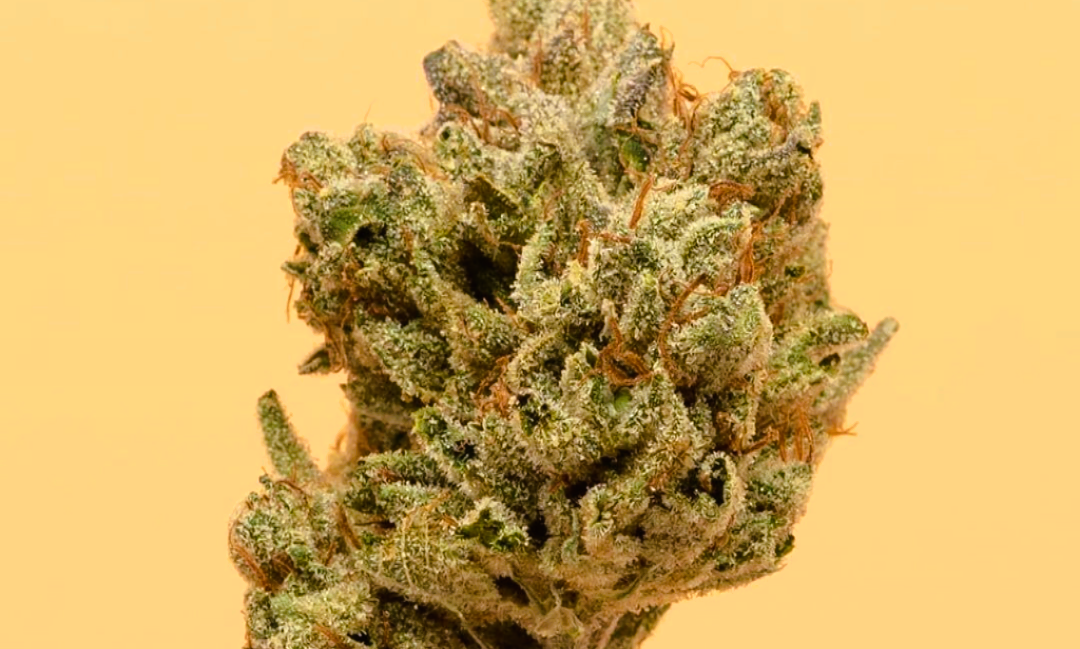
Medical Strain Analysis: Pine Walker
Medical cannabis continues to redefine approaches to chronic illness management and symptom relief, offering an innovative path to holistic healing. Among the diverse strains cultivated for therapeutic applications, Pine Walker stands out as a prime example of precision breeding designed to maximize medical efficacy. This strain’s origins, chemical makeup, medical applications, and optimal growing conditions make it a compelling choice for patients and growers alike, particularly those committed to the responsible cultivation and use of cannabis for health purposes. This expanded analysis aims to provide a comprehensive exploration of Pine Walker, emphasizing its role in addressing a wide array of medical challenges.
Origins of Pine Walker

The story of Pine Walker begins with a dedicated pursuit of balance—a strain that could offer effective symptom relief while minimizing psychoactive effects that may not suit all patients. Breeders sought to combine the desirable characteristics of indica and sativa varieties to create a hybrid with wide-ranging therapeutic applications.
The genetic lineage of Pine Walker is a carefully guarded secret among its developers, but its parent strains are believed to include a landrace indica with roots in the Himalayan region and a sativa-dominant hybrid from the tropics. The indica heritage contributes to its grounding and pain-relieving properties, while the sativa side imparts uplifting and mood-enhancing effects, creating a synergistic profile ideal for medical use. Its name, Pine Walker, was inspired by its crisp pine aroma and the strain’s ability to “walk” alongside patients as a versatile tool in managing their health conditions.
Beyond its genetic roots, Pine Walker has become a symbol of innovation in medical cannabis breeding, where the primary focus lies in cannabinoid and terpene optimization. The strain has been rigorously developed to ensure consistency, making it a reliable choice for patients who need predictable results. This consistency has also earned it a reputation in clinical settings, where physicians often recommend it as part of a broader treatment plan.
Chemical Profile of Pine Walker
Understanding the chemical composition of Pine Walker is critical to appreciating its medical potential. This strain exemplifies how cannabinoids and terpenes interact to produce a powerful entourage effect, amplifying the therapeutic benefits of individual compounds through synergistic interactions.
Cannabinoid Content
- Tetrahydrocannabinol (THC): 8-12%
- The moderate THC levels in Pine Walker strike a perfect balance for medical applications. While THC is primarily known for its psychoactive effects, at this concentration it plays a vital role in pain relief, appetite stimulation, and muscle relaxation without causing significant mental impairment. This makes it suitable for patients who need to remain functional throughout the day.
- Cannabidiol (CBD): 10-15%
- The robust CBD content in Pine Walker is central to its therapeutic appeal. CBD is non-psychoactive and offers a range of medical benefits, from reducing inflammation and anxiety to protecting neural health. In Pine Walker, the CBD acts as a counterbalance to THC, mitigating its psychoactive effects and enhancing its pain-relieving and anti-inflammatory properties.
- Cannabigerol (CBG): 1-2%
- Although present in smaller amounts, CBG is a key component of Pine Walker’s therapeutic profile. Often referred to as the “mother cannabinoid” because it is a precursor to other cannabinoids, CBG is noted for its potential in reducing intraocular pressure (beneficial for glaucoma patients), fighting inflammation, and promoting antibacterial effects.
- Minor Cannabinoids: CBC and THCV
- Trace amounts of CBC and THCV contribute additional layers of therapeutic benefit. CBC has demonstrated potential in reducing pain and inflammation, while THCV offers appetite-regulating effects that can benefit patients managing weight-related issues or metabolic disorders.
Terpene Profile
Terpenes are aromatic compounds that contribute not only to the sensory experience of cannabis but also to its therapeutic effects. The terpene profile of Pine Walker is uniquely suited to enhance its medical applications.
- Pinene
- The dominant terpene in Pine Walker, pinene is renowned for its anti-inflammatory and bronchodilatory properties. It supports respiratory health and may help patients with asthma, chronic obstructive pulmonary disease (COPD), or seasonal allergies. Additionally, pinene’s ability to improve focus and memory makes it valuable for patients with cognitive impairments or ADHD.
- Myrcene
- Myrcene enhances Pine Walker’s pain-relieving properties, making it an effective option for managing conditions like arthritis, fibromyalgia, or chronic pain. Its mildly sedative qualities also contribute to improved sleep for those struggling with insomnia or restless nights.
- Caryophyllene
- Unique among terpenes for its direct interaction with the endocannabinoid system, caryophyllene acts as a natural anti-inflammatory and analgesic. This makes Pine Walker especially effective for autoimmune conditions and localized pain, such as joint inflammation.
- Limonene
- Limonene’s bright, citrusy aroma is associated with stress relief and mood enhancement. It adds an anxiolytic dimension to Pine Walker, helping patients manage stress-related disorders without the risk of heavy sedation.
- Linalool
- This terpene provides calming and anti-seizure properties, complementing the strain’s high CBD content. It is particularly useful for patients with anxiety, epilepsy, or PTSD, promoting both physical and emotional relaxation.
Medical Benefits of Pine Walker

The therapeutic applications of Pine Walker make it a versatile choice for patients seeking natural and effective alternatives to traditional pharmaceuticals. Its balanced chemical profile ensures that it can be tailored to a variety of medical conditions.
Chronic Pain Relief
Chronic pain conditions such as neuropathy, arthritis, and post-surgical pain can be debilitating and resistant to conventional treatments. Pine Walker addresses pain through multiple pathways: THC modulates pain signals in the nervous system, while CBD and caryophyllene reduce inflammation at the source. This dual-action approach provides both immediate and long-term relief, allowing patients to regain mobility and quality of life.
Mental Health and Emotional Resilience
Pine Walker’s ability to modulate mood and anxiety levels is one of its standout features. Patients with anxiety disorders, PTSD, or depression often experience a reduction in symptoms after using this strain. Its limonene and CBD content fosters a sense of calm without inducing lethargy, enabling patients to remain engaged and productive.
Neurological Disorders
The neuroprotective properties of Pine Walker make it an excellent choice for conditions like epilepsy, Parkinson’s disease, and Alzheimer’s disease. CBD and CBG work together to reduce oxidative stress and inflammation in the brain, potentially slowing the progression of neurodegenerative disorders. Additionally, its anti-convulsant properties are effective in reducing seizure frequency and severity.
Sleep Regulation
For patients with insomnia or sleep disruptions caused by chronic pain, anxiety, or other medical conditions, Pine Walker provides a natural solution. Its myrcene and linalool content induces relaxation, while its moderate THC level promotes a restful state without causing grogginess upon waking.
Gastrointestinal Health
Pine Walker has shown promise in managing gastrointestinal disorders like Crohn’s disease, IBS, and ulcerative colitis. Its anti-inflammatory properties, coupled with its ability to reduce nausea and stimulate appetite, make it a valuable tool for patients struggling with these conditions. It also offers relief from chemotherapy-induced nausea and appetite loss.
Autoimmune Conditions
Autoimmune diseases such as lupus, multiple sclerosis, and rheumatoid arthritis often involve chronic inflammation and immune system dysregulation. Pine Walker supports immune modulation through the actions of CBD and caryophyllene, helping to reduce the severity of flare-ups and improve overall symptom management.
Respiratory Health
Patients with respiratory conditions benefit from the high pinene content in Pine Walker. As a natural bronchodilator, pinene eases breathing difficulties and reduces airway inflammation, offering relief for asthma and COPD sufferers.
Optimal Growing Conditions for Pine Walker

Cultivating Pine Walker requires attention to detail, as its therapeutic potency is closely tied to the conditions under which it is grown. Ensuring the right environment and care is essential for maximizing its medical benefits.
Climate and Environment
Pine Walker thrives in temperate climates with daytime temperatures ranging from 70°F to 80°F (21°C to 27°C). While it can adapt to outdoor cultivation in regions with mild weather, indoor growing is recommended for greater control over environmental variables. Humidity levels should be maintained at 50-60% during the vegetative stage and lowered to 40-50% during flowering to enhance resin production.
Light and Photoperiod
As a hybrid strain, Pine Walker responds well to controlled lighting schedules. During the vegetative stage, a 16:8 light-to-dark ratio promotes vigorous growth. During flowering, a 12:12 schedule triggers the production of cannabinoids and terpenes, ensuring the strain reaches its full medicinal potential.
Soil and Nutrients
Rich, well-draining soil with a slightly acidic pH of 6.0-6.5 is ideal for Pine Walker. Organic soil amendments such as bat guano, kelp meal, and compost improve nutrient availability. During the flowering stage, phosphorus and potassium should be prioritized to encourage dense, resin-rich buds.
Pest and Disease Management
While Pine Walker is relatively hardy, it is not immune to pests and diseases. Natural pest control methods, including neem oil and beneficial insects like ladybugs, help protect the plants without introducing harmful chemicals. Proper ventilation and pruning are crucial to prevent mold and mildew.
Harvesting and Curing
The timing of harvest plays a critical role in determining the strain’s chemical composition. Growers should monitor trichome development closely, harvesting when trichomes turn milky white. After harvesting, the buds should be dried and cured in a controlled environment to preserve their potency and terpene profile.
Restrictions on Using Pine Walker in the Medical Field
The therapeutic potential of Pine Walker has positioned it as a valuable resource in the medical cannabis industry. However, the use of this strain in the medical field is subject to significant restrictions to ensure patient safety, prevent misuse, and maintain a focus on its intended purpose: treating chronic and otherwise refractory medical conditions. This discussion outlines the necessity of reserving Pine Walker for medical use as a last resort and highlights the importance of monitoring THC levels to minimize psychoactive effects on patients.
Limiting Use to Medical Applications
Medical-Only Classification
The primary restriction on Pine Walker is its exclusive classification for medical use. Unlike recreational strains, Pine Walker is specifically bred for therapeutic outcomes, with its cannabinoid and terpene profiles optimized to address medical conditions such as chronic pain, anxiety, and neurological disorders. Regulatory frameworks emphasize its use solely within a clinical or prescription context to prevent potential misuse or diversion into recreational markets.
Restricting its application to medical use ensures that Pine Walker is utilized responsibly, aligning with its development goals. Physicians prescribing this strain are required to document medical necessity, providing evidence that other treatment options have been explored before resorting to cannabis-based interventions.
Use as a Last Resort
Exploring Alternative Treatments
Pine Walker is typically recommended as a last-resort option for patients who have not responded to conventional therapies. The need for prudence in the medicinal cannabis space, where long-term effects and combinations with other drugs are still being studied, is reflected in this restriction.
For instance, a patient suffering from chronic pain might first undergo treatment with nonsteroidal anti-inflammatory drugs (NSAIDs), opioids, or physical therapy. Only when these interventions fail or cause intolerable side effects should Pine Walker be considered. This approach ensures that medical cannabis is integrated into treatment plans responsibly, reducing unnecessary exposure and preserving its efficacy for those who truly need it.
Strict Qualification Processes
Patients seeking medical cannabis, including Pine Walker, are often required to undergo a rigorous qualification process. This process may include:
- Detailed medical history reviews.
- Documentation of previous treatment attempts.
- Evaluation of cannabis’s potential risks versus benefits for the patient’s specific condition.
These restrictions prioritize patient safety and ensure that cannabis is not used prematurely in cases where less controversial treatments may suffice.
Monitoring THC Levels to Minimize Psychoactive Effects
THC Restrictions in Medical Preparations
One of the most significant concerns with cannabis-based medications is the psychoactive effects associated with tetrahydrocannabinol (THC). In Pine Walker, THC levels are moderate (8-12%), which can still pose a risk of psychoactivity, particularly in patients sensitive to cannabinoids or those with little prior exposure.
To mitigate this risk, medical regulations often require precise monitoring and control of THC content in medications derived from Pine Walker. Products are typically formulated to ensure that THC concentrations remain within safe, therapeutic ranges. In some cases, THC may be entirely excluded, leaving non-psychoactive cannabinoids like cannabidiol (CBD) as the primary active ingredients.
Role of Ratios and Dosage
Another key method of reducing psychoactive effects is adjusting the ratio of THC to CBD in Pine Walker-based treatments. CBD counteracts many of THC’s psychoactive properties by modulating its interaction with CB1 receptors in the brain. As such, formulations with higher CBD concentrations and lower THC levels are preferred in medical applications, particularly for pediatric or elderly patients.
Dosing protocols also play a crucial role. Physicians prescribe Pine Walker in minimal effective doses, allowing patients to benefit from its therapeutic properties while avoiding excessive THC exposure. Dosage recommendations are carefully personalized based on factors such as the patient’s age, weight, and medical condition.
Monitoring and Patient Supervision
Clinical Supervision and Follow-Up
When Pine Walker is prescribed, it is often done under close clinical supervision. Patients are monitored for any adverse effects, such as dizziness, confusion, or potential dependency. Regular follow-ups allow healthcare providers to adjust dosages or discontinue use if negative outcomes outweigh the benefits.
Additionally, patients are educated on the strain’s effects and potential risks. This education empowers them to use Pine Walker responsibly and to recognize any early signs of unwanted psychoactive effects.
Prevention of Off-Label Use
To prevent misuse, Pine Walker-based medications are often distributed through controlled channels such as licensed dispensaries or pharmacies. These establishments operate under strict oversight, ensuring that the strain is accessible only to patients with valid medical prescriptions. Digital tracking systems are also employed to prevent diversion or illegal distribution.
Ethical and Regulatory Implications
Restricting Pine Walker for medical use and as a last resort reflects broader ethical and regulatory principles in medicine. The aim is to balance innovation with caution, ensuring that patients receive the best possible care while minimizing risks. Regulatory bodies, healthcare professionals, and researchers must collaborate to refine guidelines, improve patient safety, and ensure that medical cannabis remains a viable and responsibly utilized treatment option.
Conclusion
The analysis of Pine Walker as a medical strain highlights its critical role in advancing patient care through natural and effective therapeutic options. From its carefully developed origins to its distinct chemical profile, Pine Walker has been tailored to meet the unique demands of medical cannabis applications. Its rich cannabinoid and terpene composition underscores its versatility in addressing a range of conditions, from chronic pain and neurological disorders to anxiety, autoimmune diseases, and respiratory issues.
Balancing Accessibility and Caution
The intentional restriction of Pine Walker to medical use and its designation as a last-resort treatment emphasize the importance of a measured approach to cannabis in healthcare. These limitations protect patients by ensuring that Pine Walker is used only when necessary, after other conventional therapies have been exhausted. The requirement for rigorous patient qualification and documentation ensures that this strain is applied ethically and responsibly.
Monitoring THC Levels for Patient Safety
One of the most critical aspects of Pine Walker’s medical application is the control and monitoring of THC levels to minimize psychoactive effects. With THC concentrations maintained within moderate ranges, this strain offers therapeutic benefits without compromising patients’ cognitive clarity or comfort. The addition of CBD, alongside the careful formulation of THC-to-CBD ratios, further enhances its safety profile, making it suitable for a wide variety of patient demographics, including vulnerable populations like children and the elderly.
Optimal Cultivation for Maximum Therapeutic Potential
The ability to cultivate Pine Walker under ideal conditions is essential for maximizing its medicinal properties. From climate control and soil quality to proper pest management and harvesting techniques, the cultivation process plays a vital role in ensuring consistency and potency. These efforts ensure that the therapeutic compounds in Pine Walker—its cannabinoids and terpenes—are produced at levels optimal for medical efficacy.
A Holistic Approach to Cannabis in Medicine
The restrictions, monitoring, and careful cultivation of Pine Walker reflect a broader effort to integrate cannabis responsibly into medical practice. This strain exemplifies the balance between innovation and caution, serving as a model for how medical cannabis can be leveraged for patient care while maintaining safety and regulatory compliance.
Ultimately, Pine Walker represents not only a tool for symptom management but also a step forward in destigmatizing and legitimizing cannabis as a viable medical treatment. Its targeted application ensures that it fulfills its purpose—improving quality of life for patients with chronic and otherwise refractory conditions—while upholding the highest standards of medical integrity.
