Medical Strain Analysis: Pine Frost CBD – Origins, Chemical Profile, Medical Benefits, and Growing Conditions
Pine Frost CBD has emerged as a compelling subject of interest in the world of medical cannabis research, known for its impressive therapeutic potential and unique phytochemical profile. As an overwheelmingly CBD-dominant strain, Pine Frost CBD is highly sought after in the medical cannabis community for its non-intoxicating properties, offering a range of potential medical benefits without the psychoactive effects associated with THC-rich strains. This analysis provides an exhaustive exploration of Pine Frost CBD’s origins, chemical composition, therapeutic properties, and the specific cultivation practices required to maximize its medical efficacy.
Origins of Pine Frost CBD

A purposeful and careful breeding procedure that intended to maximize cannabidiol (CBD) content while lowering tetrahydrocannabinol (THC) levels is where Pine Frost CBD got its start. As the demand for high-CBD, low-THC strains has grown among patients and medical practitioners, breeders have worked tirelessly to create strains that provide the medicinal benefits of cannabis without the “high” associated with recreational use. Pine Frost CBD is a hybrid strain resulting from crossing high-CBD hemp cultivars with indica and sativa strains, selectively bred to produce a robust cannabinoid profile and a rich terpene content.
The genetic lineage of Pine Frost CBD reflects the traits of both its hemp ancestors and cannabis strains traditionally known for their therapeutic applications. Breeders prioritized creating a plant with a stable genetic structure that could consistently produce high levels of CBD—ranging from 15% to 20%—while keeping THC concentrations well below the legal limit of 0.3% in hemp strains. This rigorous genetic engineering also enhanced its resilience to pests, diseases, and environmental stressors, making it particularly suited to both indoor and outdoor cultivation.
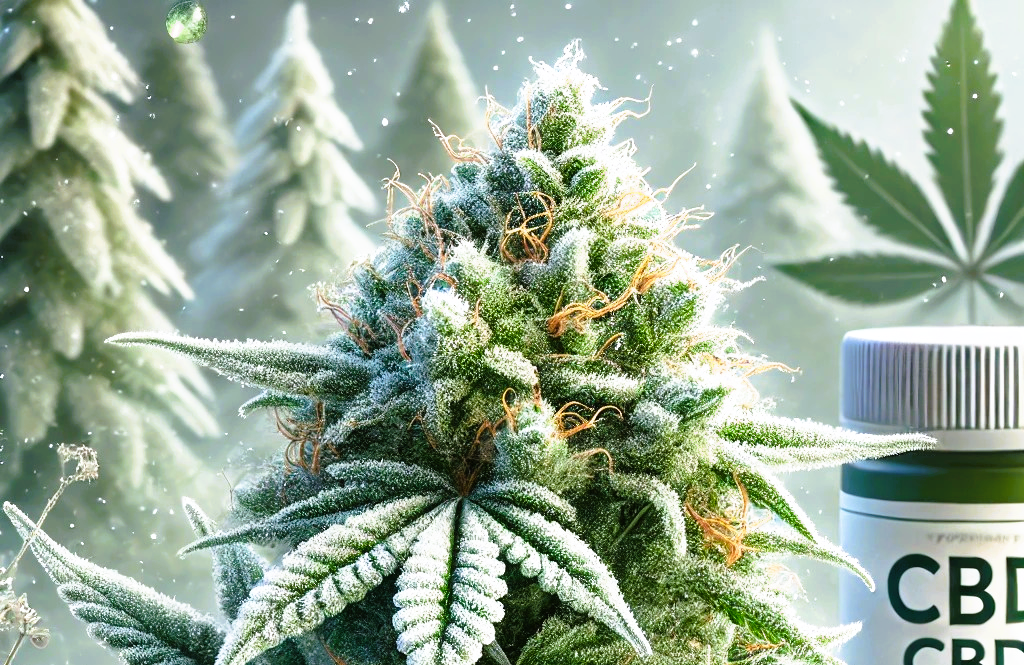
The strain’s name, “Pine Frost CBD,” is a tribute to its aromatic profile and its appearance. Its frosty trichome-laden buds shimmer in the light, giving the impression of a snow-covered pine tree, and its scent is reminiscent of fresh pine needles, evoking a sense of calm and connection to nature. The name encapsulates not only the strain’s physical characteristics but also the serenity and relief it provides to medical patients.
Chemical Profile of Pine Frost CBD
Pine Frost CBD’s chemical profile is one of its most compelling features, offering a complex interplay of cannabinoids, terpenes, and flavonoids. Its primary cannabinoid is cannabidiol (CBD), which constitutes between 15% and 20% of the strain’s phytochemical composition. CBD is well-documented for its wide range of medicinal properties, including anti-inflammatory, analgesic, anxiolytic, anti-seizure, and neuroprotective effects. Importantly, Pine Frost CBD contains less than 0.3% THC, ensuring that it adheres to federal regulations for industrial hemp while also eliminating the intoxicating effects associated with THC.
Apart from CBD, trace levels of other minor cannabinoids, including cannabichromene (CBC), cannabigerol (CBG), and cannabinol (CBN), are also present in Pine Frost CBD. These cannabinoids work synergistically with CBD in what is known as the “entourage effect,” amplifying the therapeutic potential of the strain. While these minor cannabinoids are present in smaller concentrations, they contribute specific medicinal properties, such as CBG’s role in promoting antibacterial and anti-inflammatory activity or CBC’s potential to enhance mood and alleviate pain.
The terpene profile of Pine Frost CBD is equally remarkable. Terpenes are aromatic compounds that play a crucial role in modulating the effects of cannabinoids while also providing additional therapeutic benefits. The dominant terpenes in Pine Frost CBD include:
- Pinene: As the name suggests, Pine Frost CBD is rich in alpha-pinene and beta-pinene, terpenes known for their anti-inflammatory, bronchodilator, and memory-enhancing properties. Pinene contributes to the strain’s signature piney aroma and has been studied for its potential to improve respiratory function, making Pine Frost CBD particularly beneficial for patients with asthma or other respiratory conditions.
- Limonene: This citrus-scented terpene provides uplifting and stress-relieving effects, complementing CBD’s anxiolytic properties. Limonene also exhibits antimicrobial and anticancer properties, which have been the subject of numerous medical studies.
- Myrcene: Known for its sedative and muscle-relaxant properties, myrcene enhances the strain’s potential to alleviate chronic pain and promote restful sleep. Additionally, myrcene is thought to increase cell membrane permeability, which could raise cannabinoid bioavailability.
- Caryophyllene: This spicy, peppery terpene is unique in its ability to bind directly to CB2 receptors in the body, providing potent anti-inflammatory and analgesic effects. Caryophyllene also contributes to the strain’s ability to reduce anxiety and promote emotional balance.
- Humulene: With its earthy, woody aroma, humulene adds anti-inflammatory and appetite-suppressant properties to the strain’s therapeutic profile, making it a valuable option for patients managing obesity or metabolic disorders.
The flavonoid content of Pine Frost CBD, though less studied, further enhances its medical potential. With their well-known anti-inflammatory and antioxidant qualities, flavonoids like kaempferol and quercetin offer further health advantages.
Medical Benefits of Pine Frost CBD

The medical benefits of Pine Frost CBD are vast and well-supported by emerging scientific evidence. Its high CBD content, combined with its unique terpene and flavonoid profile, makes it a versatile option for managing a wide range of medical conditions. The following sections detail some of the key therapeutic applications of this strain.
1. Pain Management
One of the most frequent causes of medical cannabis use is chronic pain, and Pine Frost CBD has been a successful treatment for many. CBD’s ability to modulate pain pathways in the endocannabinoid system (ECS) is well-documented, and the presence of terpenes such as myrcene and caryophyllene enhances its analgesic effects. Pine Frost CBD may be particularly beneficial for patients suffering from neuropathic pain, arthritis, fibromyalgia, and migraines, providing relief without the risk of addiction or tolerance associated with opioids.
2. Inflammation and Autoimmune Disorders
CBD’s potent anti-inflammatory properties make Pine Frost CBD an excellent choice for managing conditions characterized by chronic inflammation, such as rheumatoid arthritis, Crohn’s disease, ulcerative colitis, and multiple sclerosis. The strain’s terpene profile further contributes to its anti-inflammatory effects, with pinene, caryophyllene, and humulene working synergistically to reduce inflammation and promote immune system balance.
3. Anxiety and Depression
Mental health conditions such as anxiety and depression affect millions of people worldwide, and Pine Frost CBD offers a promising alternative to conventional pharmaceuticals, which often come with undesirable side effects. By interacting with the brain’s serotonin receptors, CBD enhances emotional stability and serenity. Terpenes like limonene and caryophyllene enhance these effects, providing additional mood-lifting and stress-relieving benefits. Pine Frost CBD’s non-intoxicating nature makes it particularly suitable for patients who require daytime relief without impairment.
4. Epilepsy and Seizure Disorders
The FDA’s approval of Epidiolex, a CBD-based medication for epilepsy, underscores CBD’s efficacy in treating seizure disorders. Pine Frost CBD’s high CBD content makes it an excellent choice for patients with epilepsy, particularly those with treatment-resistant conditions such as Dravet syndrome or Lennox-Gastaut syndrome. The strain’s ability to modulate neuronal excitability and reduce seizure frequency has been life-changing for many patients.
5. Neuroprotection and Cognitive Health
CBD’s neuroprotective properties have been the subject of extensive research, with studies suggesting its potential to slow the progression of neurodegenerative diseases such as Alzheimer’s, Parkinson’s, and Huntington’s disease. Pine Frost CBD’s terpene profile, particularly its high pinene content, may also support cognitive health by enhancing memory and focus. This makes the strain a valuable tool for patients seeking to preserve cognitive function or manage age-related cognitive decline.
6. Sleep Disorders
Sleep disorders such as insomnia and sleep apnea can significantly impact quality of life, and Pine Frost CBD offers a natural solution. The strain’s high myrcene content contributes to its sedative effects, promoting restful sleep without the grogginess associated with conventional sleep aids. Pine Frost CBD’s ability to reduce anxiety and pain also makes it easier for patients to fall asleep and stay asleep.
7. Respiratory Health
The presence of pinene in Pine Frost CBD may benefit patients with respiratory conditions such as asthma or chronic obstructive pulmonary disease (COPD). Pinene’s bronchodilator properties help open airways, improving breathing and reducing inflammation in the respiratory system.
8. Cancer Symptom Management
Pine Frost CBD has potential in treating cancer-related symptoms, such as pain, nausea, vomiting, and appetite loss, but further research is required. The strain’s anti-inflammatory and antioxidant properties may also support overall health and well-being during cancer treatment.
Growing Conditions for Pine Frost CBD

Cultivating Pine Frost CBD requires a nuanced understanding of its specific needs to maximize its therapeutic potential. The strain’s resilience and adaptability make it suitable for a variety of growing environments, but achieving optimal cannabinoid and terpene profiles demands careful attention to environmental conditions, nutrient management, and post-harvest processing.
1. Climate and Temperature
Pine Frost CBD thrives in a temperate climate with moderate humidity levels. Ideal daytime temperatures range from 70°F to 85°F (21°C to 29°C), while nighttime temperatures should not drop below 60°F (15°C). Excessive heat or cold can stress the plant, potentially reducing CBD production and terpene content.
2. Light Requirements
As a photoperiod-sensitive strain, Pine Frost CBD requires a specific light cycle to transition from vegetative growth to flowering. During the vegetative stage, the plant benefits from 18-24 hours of light per day, while the flowering stage requires a 12/12 light cycle. For indoor production, growers should utilize full-spectrum LED lights to replicate natural sunshine and encourage robust development.
3. Soil and Nutrients
Pine Frost CBD performs well in organic, well-aerated soil with a pH range of 6.0 to 6.5. The soil should be rich in nutrients such as nitrogen, phosphorus, and potassium, along with trace elements like magnesium and calcium. Organic compost and microbial inoculants can further enhance soil health and plant vitality.
4. Watering and Humidity
Proper watering practices are crucial for preventing overwatering or underwatering, both of which can negatively impact plant health. Pine Frost CBD requires moderate watering, with careful attention to drainage and soil moisture levels. Humidity should be maintained at 40-60% during the vegetative stage and reduced to 30-40% during flowering to prevent mold and mildew.
5. Pest and Disease Management
Pine Frost CBD’s genetic resilience makes it relatively resistant to common pests and diseases, but growers should remain vigilant. Integrated pest management (IPM) strategies, such as introducing beneficial insects and using organic fungicides, can help protect plants without compromising their therapeutic quality.
6. Harvesting and Curing
Harvest timing is critical for preserving Pine Frost CBD’s cannabinoid and terpene profile. Trichomes should appear milky with a few amber-colored heads, indicating peak maturity. After harvesting, buds should be dried in a dark, well-ventilated space at 60°F to 70°F (15°C to 21°C) with 50-60% humidity. Curing the buds in airtight containers for several weeks enhances their flavor, aroma, and potency.
Restrictions on Using Pine Frost CBD in the Medical Field and its Role as a Last Resort
While Pine Frost CBD is celebrated for its therapeutic benefits and non-intoxicating nature, its use in the medical field is accompanied by important restrictions and ethical considerations. These guidelines are essential to ensure patient safety, appropriate treatment protocols, and the responsible integration of cannabinoid-based therapies into mainstream medicine. The following section explores these restrictions, particularly focusing on its use as a last resort treatment and the importance of monitoring THC levels in medications to prevent psychoactive effects.
A Treatment of Last Resort
The application of Pine Frost CBD in medical settings is typically reserved for situations where traditional therapies have failed or caused significant adverse effects. This approach aligns with the principle of using alternative or experimental treatments only when conventional options have been exhausted. Conditions such as treatment-resistant epilepsy, chronic pain, or severe anxiety are often cited as cases where Pine Frost CBD might be considered a viable alternative.
This restriction ensures that medical cannabis, including CBD-dominant strains like Pine Frost CBD, does not replace first-line therapies with established clinical efficacy. Instead, it serves as a complementary or secondary option for patients who have not found relief through conventional pharmaceuticals. By limiting its use to these scenarios, healthcare providers can maintain the integrity of evidence-based medicine while offering hope to patients who may benefit from this innovative treatment.
Additionally, rigorous documentation and oversight are critical when prescribing Pine Frost CBD as a last resort. Physicians must thoroughly evaluate the patient’s medical history, the efficacy of prior treatments, and the specific symptoms being targeted by CBD therapy. This cautious approach minimizes the risk of overprescribing and ensures that the treatment is applied in a controlled and justified manner.
Monitoring THC Levels to Prevent Psychoactive Effects
The stringent monitoring of THC levels in derived pharmaceuticals is one of the main barriers to the use of Pine Frost CBD in the medical profession. While Pine Frost CBD is renowned for its high CBD content and low THC levels—typically below the 0.3% threshold required for hemp classification—vigilance is necessary to ensure that no psychoactive effects are introduced into patient care.
Even trace amounts of THC can potentially affect sensitive patients, particularly children, the elderly, or those with mental health conditions. Therefore, pharmaceutical preparations of Pine Frost CBD must undergo rigorous laboratory testing to confirm that THC levels remain well below the psychoactive threshold. This ensures that patients experience only the therapeutic benefits of CBD without the cognitive or psychological impairment associated with THC.
Healthcare providers must also educate patients about the importance of using verified, high-quality CBD products derived from strains like Pine Frost CBD. Patients should be discouraged from sourcing unregulated products, as these may contain inconsistent cannabinoid profiles or higher-than-advertised THC levels, jeopardizing their safety.
Ethical Responsibility in Medical Use
Restricting Pine Frost CBD to last-resort scenarios and rigorously monitoring THC levels underscores the ethical responsibility of integrating cannabinoid-based therapies into medicine. By adhering to these principles, healthcare providers can offer innovative treatments without compromising patient safety or the integrity of clinical care.
Conclusion: Pine Frost CBD – A Medical Innovation with Guardrails
Pine Frost CBD is a significant advancement in the medical cannabis landscape, offering non-intoxicating, CBD-dominant properties that present a wealth of therapeutic potential. From its carefully engineered origins to its intricate chemical profile, this strain has emerged as a beacon of hope for patients suffering from chronic pain, inflammation, anxiety, neurodegenerative disorders, and treatment-resistant epilepsy. Its ability to alleviate symptoms without the psychoactive effects of THC sets it apart as a unique medical tool in cannabinoid-based therapies.
However, with this promise comes the necessity for responsible use and adherence to strict restrictions, ensuring that Pine Frost CBD is applied ethically and safely in medical settings. Its classification as a last-resort treatment reflects a commitment to using it only when conventional methods have proven ineffective or have caused unacceptable side effects. This approach respects the integrity of evidence-based medicine while allowing patients access to innovative solutions for challenging medical conditions.
A cornerstone of ensuring the safety and efficacy of Pine Frost CBD is the rigorous monitoring of THC levels in all derived medications. By maintaining THC concentrations well below the psychoactive threshold, Pine Frost CBD provides therapeutic benefits without compromising cognitive or psychological function. This strict oversight not only protects vulnerable patient populations but also upholds the ethical standards of medical practice.
Furthermore, cultivating Pine Frost CBD under optimal growing conditions ensures the consistent production of its high CBD content and robust terpene profile, which are critical for its medicinal efficacy. The meticulous care in cultivation—from soil preparation to harvest timing and curing—underscores the importance of quality control in maximizing its therapeutic potential.
As research on CBD and medical cannabis continues to expand, Pine Frost CBD represents a compelling model of how cannabinoid-based therapies can be integrated into the healthcare system responsibly. Its versatility in addressing a wide range of medical conditions, combined with its non-intoxicating properties, makes it a valuable addition to the arsenal of treatments available to healthcare providers.
Nonetheless, its use must remain highly regulated and grounded in rigorous scientific evidence. By positioning Pine Frost CBD as a supplemental or last-resort option, and by maintaining vigilance over its THC levels and patient outcomes, the medical community can harness its potential while minimizing risks. In doing so, Pine Frost CBD can continue to provide relief and improve the quality of life for patients in need, embodying the promise of medical cannabis as a transformative force in modern medicine.
