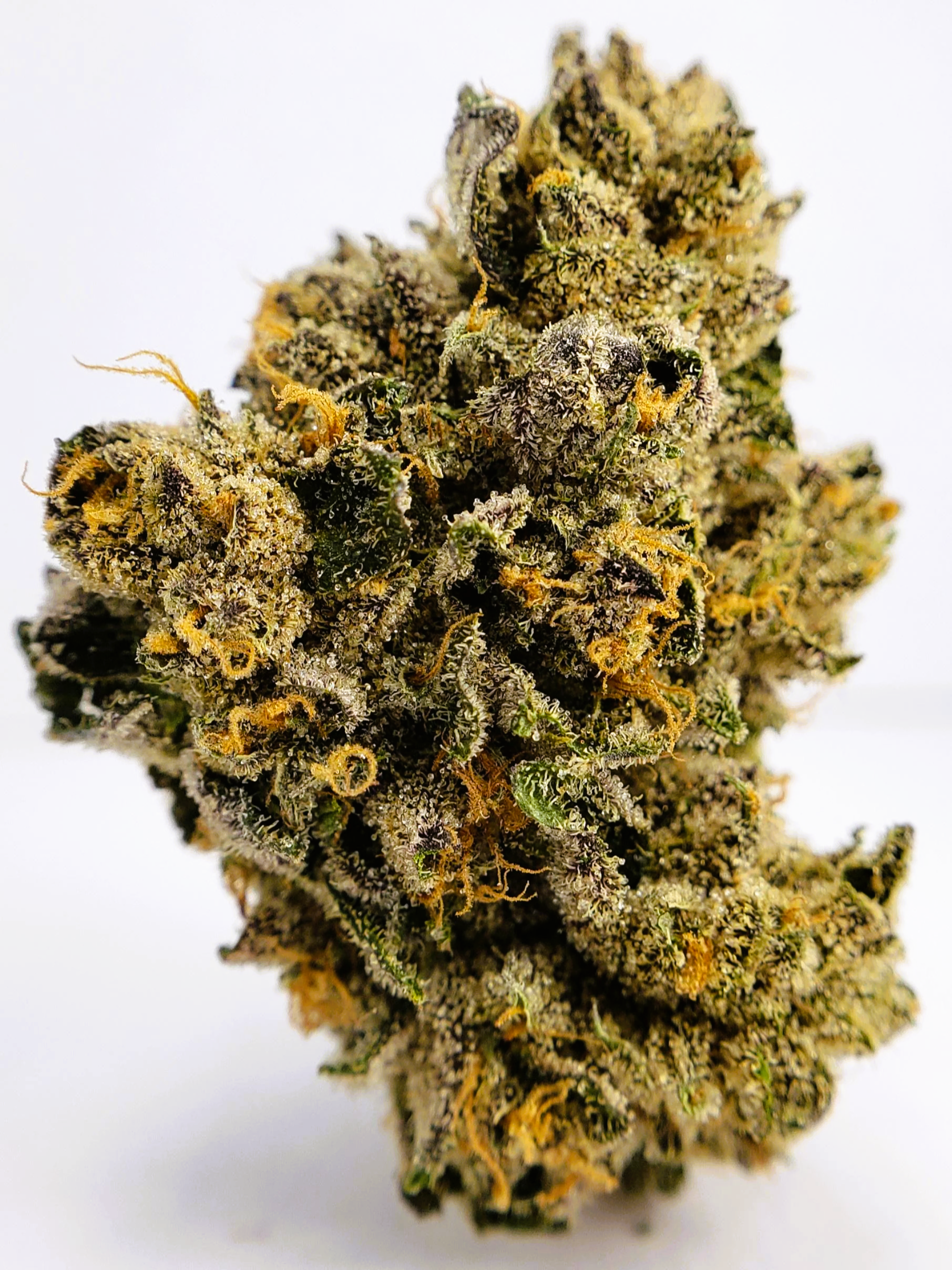
Medical Strain Analysis: Panama Red CBD
Panama Red CBD is a medicinal strain that stands out among the pantheon of cannabis strains due to its historical significance, unique chemical profile, and the specific therapeutic benefits it offers. The legacy of the iconic Panama Red, a landrace variety that rose to fame in the 1960s and 1970s, is carried forward by this strain. However, the modern version of Panama Red CBD has been cultivated and refined to prioritize medical use, minimizing its psychoactive properties while optimizing its therapeutic potential. Its natural qualities, medicinal attributes, and the agricultural practices required for its cultivation make it an exceptional choice for addressing various health conditions.
Origins of Panama Red CBD
The original Panama Red strain is a pure sativa landrace originating from the tropical regions of Panama in Central America. Known for its vibrant red-hued flowers, this strain was prized for its potency, euphoric effects, and distinct flavor profile. During the counterculture era of the 20th century, Panama Red was renowned for its energetic and cerebral effects, but it often contained high levels of tetrahydrocannabinol (THC), the psychoactive compound in cannabis. While these characteristics made it popular recreationally, they were not ideal for medical users who sought therapeutic benefits without impairment.
Modern breeders, recognizing the strain’s potential for medicinal use, selectively crossbred and modified it to create Panama Red CBD. This new iteration retains much of the plant’s original essence, such as its tropical origins and aromatic profile, but it is specifically cultivated to yield high levels of cannabidiol (CBD) and minimal THC. This careful genetic refinement ensures that patients can benefit from its therapeutic properties without experiencing psychoactive effects. Panama Red CBD is now a cornerstone in the portfolio of medical cannabis strains, particularly for those seeking natural remedies for chronic conditions, inflammation, anxiety, and neurological disorders.
Chemical Profile of Panama Red CBD
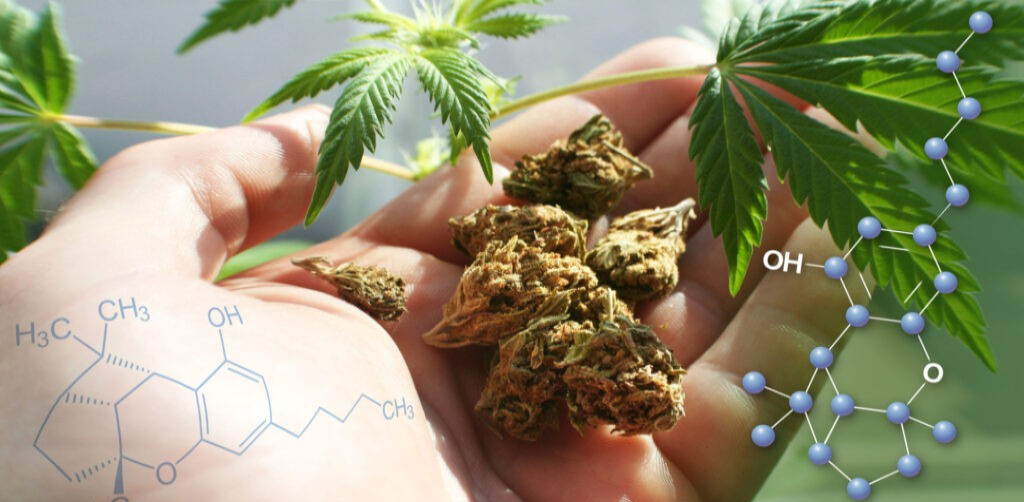
The defining feature of Panama Red CBD is its unique cannabinoid and terpene profile. It is characterized by a high CBD-to-THC ratio, which is the hallmark of medical strains. On average, the strain contains approximately 10-15% CBD, with THC levels generally remaining below 1%. This balance minimizes psychoactive effects, allowing users to experience relief without intoxication or cognitive impairment.
CBD, or cannabidiol, is the primary therapeutic compound in this strain. It interacts with the endocannabinoid system (ECS) in the body to promote homeostasis and modulate various physiological processes such as inflammation, pain perception, and mood regulation. CBD lacks psychoactivity because, in contrast to THC, it does not bind to the brain’s CB1 receptors very strongly. Instead, CBD influences other receptors and enzymes, including TRPV1 (vanilloid receptors) and GPR55, contributing to its broad therapeutic profile.
Panama Red CBD also contains a robust terpene profile that enhances its medicinal effects. The primary terpenes in the strain include:
- Myrcene: Known for its sedative and anti-inflammatory properties, myrcene helps alleviate pain and promote relaxation. It is particularly effective for patients dealing with insomnia or chronic pain conditions.
- Limonene: This terpene with a citrus fragrance is linked to stress reduction and mood enhancement. Limonene has anxiolytic and anti-inflammatory properties, making it beneficial for individuals with anxiety disorders or inflammatory diseases.
- Pinene: A terpene that provides anti-inflammatory, bronchodilatory, and cognitive-enhancing effects. Pinene is valuable for patients with respiratory conditions such as asthma or chronic obstructive pulmonary disease (COPD).
- Caryophyllene: A unique terpene with dual cannabinoid activity, caryophyllene binds to CB2 receptors, contributing to its anti-inflammatory and analgesic effects. It is particularly effective for autoimmune conditions and gastrointestinal disorders.
- Humulene: Known for its appetite-suppressing and anti-inflammatory properties, humulene complements the strain’s overall therapeutic profile.
Together, these terpenes create an “entourage effect,” a phenomenon in which cannabinoids and terpenes synergize to enhance their individual effects. This makes Panama Red CBD a well-rounded medicinal strain that addresses a variety of health concerns.
Medical Benefits of Panama Red CBD
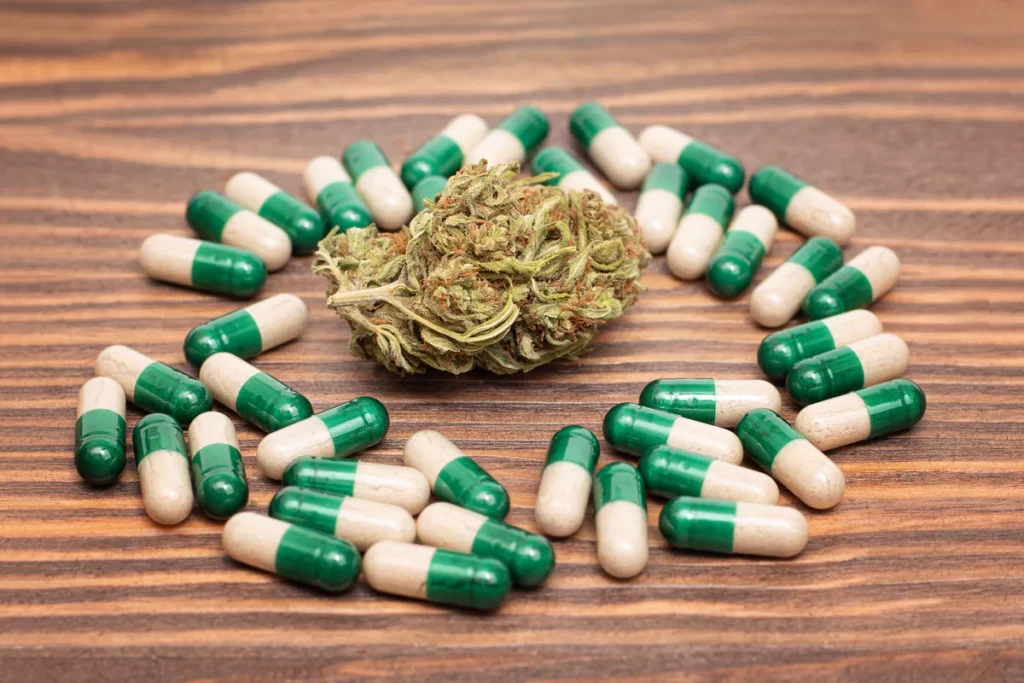
Panama Red CBD is renowned for its versatility in treating a wide range of medical conditions. Its high CBD content, combined with its diverse terpene profile, allows it to address physical, emotional, and neurological ailments. Below are some of the most notable medical benefits associated with this strain:
1. Chronic Pain Management
Panama Red CBD is highly effective for managing chronic pain due to its anti-inflammatory and analgesic properties. The interaction between CBD and the ECS reduces the production of pro-inflammatory cytokines and modulates pain perception. Patients with conditions such as arthritis, fibromyalgia, or neuropathy often report significant relief from using this strain. The presence of terpenes like myrcene and caryophyllene further enhances its pain-relieving effects.
2. Anxiety and Stress Reduction
One of the most common uses for Panama Red CBD is the treatment of anxiety and stress disorders. CBD’s anxiolytic effects stem from its ability to regulate serotonin receptors (specifically 5-HT1A) and modulate the hypothalamic-pituitary-adrenal (HPA) axis. Patients with generalized anxiety disorder (GAD), social anxiety, or post-traumatic stress disorder (PTSD) may benefit from the calming effects of this strain. The addition of limonene amplifies its stress-relieving properties, making it an excellent choice for those seeking emotional stability.
3. Neurological and Neurodegenerative Conditions
Panama Red CBD has shown promise in managing neurological disorders such as epilepsy, multiple sclerosis (MS), and Parkinson’s disease. CBD’s anticonvulsant properties, as demonstrated in numerous clinical studies, make it effective in reducing the frequency and severity of seizures. Additionally, its neuroprotective effects help slow the progression of neurodegenerative conditions by reducing oxidative stress and inflammation in the brain.
4. Inflammatory Disorders
The anti-inflammatory properties of Panama Red CBD make it a valuable tool for treating autoimmune and inflammatory conditions. Patients with diseases such as Crohn’s disease, ulcerative colitis, or rheumatoid arthritis often find relief from the strain’s ability to modulate immune responses and reduce inflammation. Caryophyllene’s CB2 receptor activity plays a significant role in these therapeutic effects.
5. Sleep Disorders
For individuals struggling with insomnia or disrupted sleep patterns, Panama Red CBD provides a natural alternative to pharmaceutical sedatives. Myrcene’s sedative properties, combined with CBD’s ability to promote relaxation, help patients fall asleep more easily and enjoy restorative rest. Unlike traditional sleep aids, Panama Red CBD does not cause grogginess or dependency.
6. Cancer-Related Symptoms
Patients undergoing cancer treatments often turn to Panama Red CBD to manage symptoms such as nausea, pain, and loss of appetite. While the strain itself is not a cure for cancer, its ability to alleviate chemotherapy-induced nausea and neuropathic pain improves the quality of life for many patients. Furthermore, new study indicates that CBD might stop some cancer cells from growing, though additional research is required to validate these results.
7. Cardiovascular Health
Panama Red CBD may contribute to cardiovascular health by reducing blood pressure, decreasing oxidative stress, and promoting vasodilation. Its anti-inflammatory and antioxidative properties help protect blood vessels and improve circulation, making it a potential option for patients with hypertension or atherosclerosis.
8. Skin Conditions
Topical applications of Panama Red CBD extracts can help manage skin conditions such as psoriasis, eczema, and acne. CBD’s anti-inflammatory and sebostatic effects regulate sebum production and reduce redness and irritation, promoting healthier skin.
Growing Conditions for Panama Red CBD
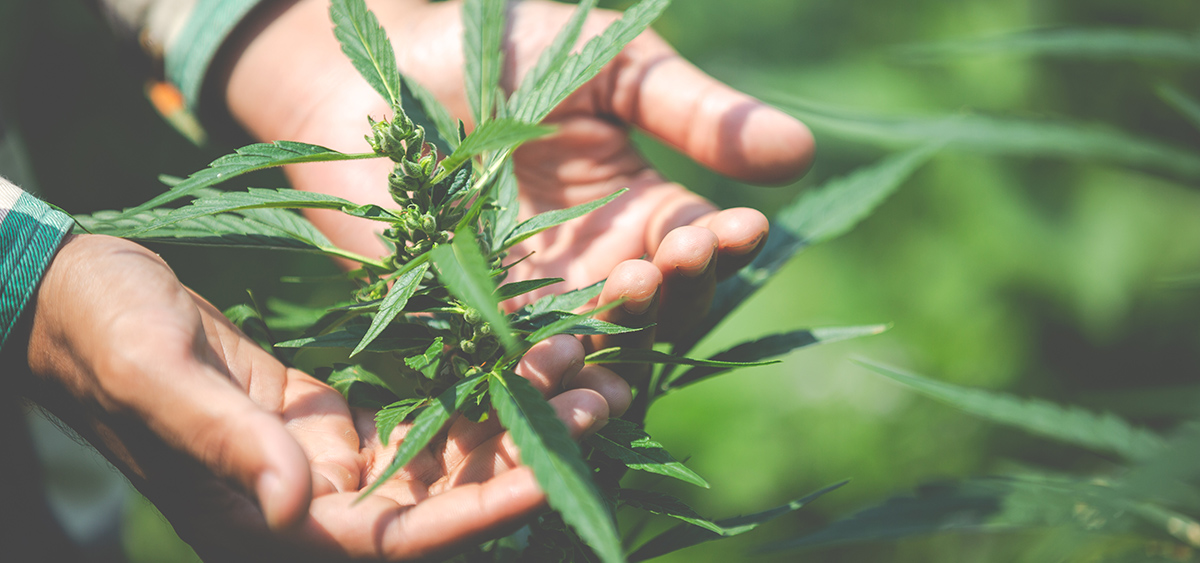
The cultivation of Panama Red CBD requires a specific set of conditions to achieve its optimal chemical profile and maintain its therapeutic properties. As a descendant of the original Panama Red landrace, this strain thrives in tropical and subtropical climates. However, advances in agricultural techniques have allowed growers to replicate these conditions in controlled environments, ensuring consistent quality and potency.
Climate and Environment
Panama Red CBD prefers warm, humid climates with plenty of sunlight. Temperatures between 75°F and 85°F (24°C to 29°C) are ideal, as the plant’s tropical lineage makes it sensitive to colder temperatures. While it is advantageous to have high humidity levels (50–70%) during the vegetative stage, gardeners must drop humidity to 40–50% during the flowering stage in order to avoid mold and mildew.
Soil and Nutrients
The strain thrives in nutrient-rich, well-draining soil with a slightly acidic pH (6.0 to 6.5). Organic amendments such as compost, bat guano, and worm castings provide the nutrients needed for robust growth. A balanced feeding strategy that incorporates nitrogen during the vegetative stage and higher phosphorus and potassium levels during flowering is highly effective for Panama Red CBD.
Light Requirements
As a sativa-dominant strain, Panama Red CBD requires abundant light to reach its full potential. Outdoors, it flourishes in regions with long sunny days. Indoors, growers should provide 18-24 hours of light during the vegetative stage and 12 hours during the flowering stage. High-intensity discharge (HID) lamps or full-spectrum LED lights are commonly used in indoor setups.
Flowering Time and Yield
Panama Red CBD has a relatively long flowering period of 10-12 weeks, a characteristic inherited from its landrace lineage. While this extended growth cycle may deter some growers, the strain’s medicinal value makes it worth the wait. When grown under optimal conditions, Panama Red CBD can produce moderate to high yields, ranging from 400 to 600 grams per square meter indoors or up to 700 grams per plant outdoors.
Pest and Disease Management
The strain’s tropical origin makes it naturally resistant to certain pests and diseases, but growers must still exercise caution. Aphids, powdery mildew, and spider mites are frequent dangers. Utilizing organic pesticides and introducing beneficial insects are two examples of integrated pest management (IPM) strategies that can assist safeguard the plants. Maintaining proper airflow and hygiene in the grow area further reduces the risk of infestations.
Restrictions on Using Panama Red CBD in the Medical Field and Its Role as a Last Resort
While Panama Red CBD offers significant therapeutic potential, its use in the medical field comes with several restrictions to ensure patient safety and maintain the focus on clinical applications. Due to its cannabis origins, this strain must be carefully managed in medical settings to avoid misuse, ensure its proper application as a last-resort treatment, and mitigate the risk of unintended psychoactive effects from trace amounts of THC. Below, we explore the restrictions surrounding Panama Red CBD in the medical field, including its regulation, monitoring, and positioning as a treatment of last resort.
1. Use as a Last-Resort Treatment in Clinical Practice
One of the primary restrictions on Panama Red CBD is its designation as a last-resort treatment for medical conditions that have not responded to conventional therapies. This is largely due to its association with cannabis, which continues to be stigmatized in some regions, as well as the need for thorough evidence of efficacy and safety in individual cases.
Medical professionals are often required to exhaust first-line treatments, such as pharmaceutical drugs or physical therapies, before prescribing Panama Red CBD. Conditions such as chronic pain, treatment-resistant epilepsy, multiple sclerosis, or severe anxiety disorders may warrant its use only after patients fail to respond to other interventions. This restriction ensures that Panama Red CBD is not used indiscriminately and remains reserved for patients who truly stand to benefit from its unique therapeutic properties.
For example:
- Epilepsy: While CBD has been proven effective for treatment-resistant seizures, like those in Dravet syndrome or Lennox-Gastaut syndrome, it is typically only prescribed when anticonvulsant medications fail.
- Chronic Pain: Patients with conditions such as neuropathy or arthritis are first directed toward anti-inflammatory drugs, opioids (with caution), or physical therapy before CBD-based options are considered.
By positioning Panama Red CBD as a last resort, healthcare providers are better able to assess its benefits against potential risks, ensuring that only patients who need it most receive it as part of their treatment regimen.
2. Monitoring THC Levels to Prevent Psychoactive Effects
A critical concern in the use of Panama Red CBD for medical purposes is the presence of trace amounts of tetrahydrocannabinol (THC), the psychoactive compound in cannabis. Although Panama Red CBD is bred to have minimal THC levels—typically below 1%—rigorous monitoring is necessary to ensure that even these low concentrations do not negatively impact patients, particularly those who are vulnerable to psychoactive effects.
Legal and Clinical Thresholds for THC Levels
In many jurisdictions, medical cannabis products are legally required to contain less than 0.3% THC to be classified as non-psychoactive. However, because Panama Red CBD’s chemical profile can naturally vary depending on cultivation and processing methods, healthcare providers and regulatory agencies must enforce strict quality control measures to ensure compliance with these limits.
Patient Monitoring for THC Sensitivity
Certain populations, such as children, the elderly, or individuals with mental health disorders, may be more sensitive to even small amounts of THC. Monitoring patients for adverse effects, such as dizziness, confusion, or mood alterations, is crucial. Physicians must carefully assess each patient’s tolerance and adjust dosages or formulations as necessary to avoid any psychoactive impact.
Regular Testing of Medical Products
Medical formulations derived from Panama Red CBD should undergo rigorous laboratory testing to verify cannabinoid concentrations, including THC. This ensures consistency and safety across all batches of medication. Patients receiving Panama Red CBD-derived products can then have confidence in their treatment’s purity and therapeutic intent.
3. Restrictions to Avoid Recreational Misuse
In the medical field, it is essential to draw a clear line between therapeutic applications and recreational use. Despite Panama Red CBD’s low THC levels, its association with cannabis may raise concerns about misuse or diversion into recreational markets. To address this, strict access controls and documentation protocols are typically implemented.
Prescription Requirements
Access to Panama Red CBD-based treatments should be restricted to patients with valid prescriptions from licensed healthcare professionals. These prescriptions must be backed by medical records documenting the patient’s condition and the failure of other treatments. This restriction minimizes the risk of misuse and ensures that the strain is used solely for legitimate medical purposes.
Regulation of Distribution Channels
Medical Panama Red CBD products are typically distributed through tightly regulated channels, such as licensed dispensaries or pharmacies. These facilities must adhere to strict reporting and tracking requirements to prevent diversion or unauthorized sales. In some cases, healthcare providers may be required to report patient outcomes to regulatory agencies, further ensuring accountability.
4. Ethical and Legal Considerations in Medical Use
The use of Panama Red CBD in medicine is also subject to ethical and legal considerations. Cannabis-based treatments remain a controversial topic in many regions, and healthcare providers must navigate these complexities with caution. In jurisdictions where cannabis remains heavily regulated or stigmatized, medical professionals must provide clear justification for prescribing Panama Red CBD and ensure that all legal requirements are met.
Patients, too, must be fully informed about the potential benefits and risks of using Panama Red CBD. Informed consent is a critical component of ethical medical practice, particularly when dealing with treatments that involve cannabis-derived compounds.
Conclusion
In conclusion, Panama Red CBD represents a powerful medical strain with significant therapeutic potential, but its use is governed by important restrictions to ensure safety, efficacy, and proper application in clinical settings. Its origins as a modified version of the classic Panama Red, optimized for high CBD and low THC, make it a standout option for treating a range of conditions, including chronic pain, anxiety, neurological disorders, and inflammation, without causing psychoactive effects. The strain’s chemical profile, particularly its high CBD content and diverse terpene blend, provides unique benefits through synergistic interactions.
Despite its benefits, Panama Red CBD is appropriately restricted for use as a last-resort treatment, reserved for patients who have not responded to conventional therapies. This approach ensures its targeted application while preventing overuse or reliance. Rigorous monitoring of THC levels in medical products is crucial to avoid psychoactive side effects, especially for vulnerable populations. Additionally, strict prescription protocols and distribution controls minimize the risk of misuse or diversion, maintaining the strain’s focus on medical purposes.
These regulations ensure that Panama Red CBD remains a safe and effective option for those in need, upholding ethical medical practices while offering relief to patients with chronic or treatment-resistant conditions. Its responsible use exemplifies the potential of cannabis in modern medicine.
