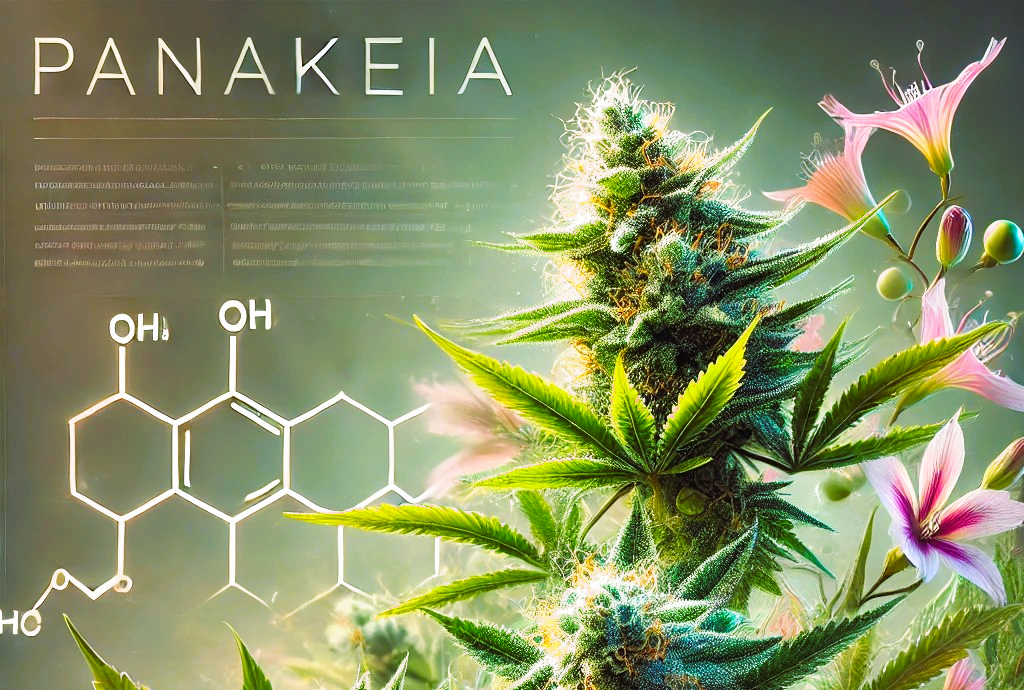
Medical Strain Analysis: Panakeia
Panakeia is a revolutionary cannabis strain that has garnered significant attention in the medical cannabis community for its unique properties, chemical profile, and potential health benefits. Unlike traditional cannabis strains that balance varying levels of tetrahydrocannabinol (THC) and cannabidiol (CBD), Panakeia has been specifically bred to be THC-free while maintaining an exceptional CBD content. This distinctive characteristic makes it particularly appealing for patients seeking therapeutic relief without the psychoactive effects associated with THC. This document delves into the origins, chemical profile, medical applications, and cultivation techniques of Panakeia, emphasizing its transformative role in medical cannabis.
Origins of Panakeia
The development of Panakeia represents a milestone in cannabis breeding. It was created through meticulous genetic selection and breeding programs aimed at eliminating THC entirely while optimizing the plant’s CBD concentration. Panakeia traces its origins to Spain, where researchers and geneticists at the Polytechnic University of Valencia embarked on a project to address the needs of patients who wanted the therapeutic benefits of cannabis without the psychotropic effects of THC.
Through extensive crossbreeding and genetic analysis, the team identified specific traits that allowed them to suppress THC biosynthesis. The strain owes its name to Panakeia, the Greek goddess of healing, symbolizing its purpose as a source of therapeutic potential. Its development was informed by decades of research into cannabis genetics, leveraging advanced technologies such as genomic sequencing to pinpoint and suppress THC-producing pathways.
Panakeia is recognized as a trailblazer in cannabis genetics, providing a solution to regulatory and social concerns surrounding THC while offering the medical benefits of cannabis. The strain’s production is tightly regulated to maintain its THC-free status, ensuring consistency and reliability for patients and medical professionals alike.
Chemical Profile of Panakeia
Panakeia’s defining feature is its unique chemical composition. It contains no detectable THC (0.00%), distinguishing it from the vast majority of cannabis strains, which typically contain varying levels of this psychoactive compound. Instead, Panakeia boasts a robust CBD profile, often exceeding 18-20% in properly cultivated specimens.
The elimination of THC from Panakeia is achieved by inhibiting the expression of tetrahydrocannabinolic acid synthase (THCAS), the enzyme responsible for converting cannabigerolic acid (CBGA) into tetrahydrocannabinolic acid (THCA), the precursor to THC. In Panakeia, CBGA is instead converted into cannabidiolic acid (CBDA), which decarboxylates into CBD upon exposure to heat.
In addition to its high CBD content, Panakeia contains a rich array of terpenes and minor cannabinoids. These include:
- Terpenes: The strain features notable levels of myrcene, pinene, and limonene. These terpenes are known for their anti-inflammatory, analgesic, and anxiolytic properties, contributing to the strain’s therapeutic profile.
- Cannabinoids: While THC is absent, Panakeia may contain small amounts of other non-psychoactive cannabinoids such as cannabigerol (CBG) and cannabichromene (CBC). These compounds have demonstrated potential in neuroprotection, pain relief, and inflammation management.
- Flavonoids: Panakeia also contains bioactive flavonoids, which are known for their antioxidant and anti-inflammatory effects. These compounds enhance the overall therapeutic potential of the strain.
This balanced chemical composition facilitates what researchers refer to as the “entourage effect,” wherein the combined action of cannabinoids, terpenes, and flavonoids enhances the strain’s efficacy in treating various medical conditions.
Medical Benefits of Panakeia

The medical benefits of Panakeia are primarily attributed to its high CBD content and the synergistic effects of its terpenes and minor cannabinoids. For individuals who are sensitive to THC or who do not want to experience its high effects, this strain provides a safe and efficient substitute because it is THC-free. Here are some of the key medical applications of Panakeia:
- Anxiety and Stress Disorders
- CBD has been extensively studied for its anxiolytic properties, making Panakeia a valuable tool for managing anxiety disorders such as generalized anxiety disorder (GAD), social anxiety disorder, and post-traumatic stress disorder (PTSD). The absence of THC eliminates the risk of anxiety exacerbation or paranoia, which can sometimes occur with high-THC strains.
- Chronic Pain Management
- Panakeia’s CBD content interacts with the endocannabinoid system (ECS) to modulate pain signaling pathways. This makes it effective for conditions like neuropathic pain, arthritis, and fibromyalgia. Additionally, its anti-inflammatory terpenes, such as myrcene and pinene, enhance its analgesic effects.
- Epilepsy and Seizure Disorders
- CBD has been recognized as a breakthrough treatment for epilepsy, particularly in refractory cases such as Dravet syndrome and Lennox-Gastaut syndrome. Panakeia provides a consistent and reliable source of CBD for these patients.
- Neurodegenerative Diseases
- Preliminary research suggests that CBD may have neuroprotective properties, making Panakeia a potential therapeutic option for conditions like Alzheimer’s disease, Parkinson’s disease, and multiple sclerosis. Its anti-inflammatory and antioxidant compounds further support neural health.
- Inflammatory Disorders
- The anti-inflammatory properties of Panakeia make it effective for autoimmune conditions such as Crohn’s disease, ulcerative colitis, and rheumatoid arthritis. Its terpenes and flavonoids work in concert with CBD to reduce inflammation and promote tissue repair.
- Skin Conditions
- Topical applications of Panakeia-derived products have shown promise in treating dermatological conditions such as eczema, psoriasis, and acne. CBD’s ability to regulate sebum production and reduce inflammation contributes to its effectiveness.
- Sleep Disorders
- Patients suffering from insomnia or disrupted sleep cycles can benefit from Panakeia’s calming effects. Without the grogginess that some prescription sleep aids cause, its high CBD concentration helps to encourage relaxation and enhance the quality of sleep.
- Cancer-Related Symptoms
- Panakeia has potential applications in oncology, particularly for managing cancer-related symptoms such as pain, nausea, and appetite loss. While it does not contain THC, its CBD and terpene profile can provide significant relief in palliative care settings.
- Cardiovascular Health
- Research indicates that CBD can help regulate blood pressure and reduce the risk of cardiovascular diseases. Panakeia’s anti-inflammatory and antioxidant properties further support heart health.
Growing Conditions for Panakeia
The cultivation of Panakeia requires careful attention to environmental factors to ensure optimal cannabinoid and terpene production. Since it is a THC-free strain, maintaining genetic integrity and preventing cross-pollination with THC-producing plants are critical considerations.
- Climate and Environment
- Panakeia thrives in a Mediterranean climate with warm, sunny days and low humidity. However, it can also be grown indoors in controlled environments, where factors such as temperature, humidity, and light intensity can be precisely managed.
- Soil Requirements
- The strain prefers well-draining, nutrient-rich soil with a balanced pH between 6.0 and 7.0. Organic compost and amendments can enhance soil quality and support healthy plant growth.
- Lighting
- In indoor setups, Panakeia benefits from full-spectrum LED lights that mimic natural sunlight. A photoperiod of 18 hours of light and 6 hours of darkness during the vegetative stage, followed by 12 hours of light and 12 hours of darkness during flowering, is recommended.
- Watering and Nutrients
- While regular watering is necessary, excessive watering should be avoided in order to avoid root rot. Fertilizers rich in nitrogen, phosphorus, and potassium are beneficial during different growth stages. Micronutrients such as calcium and magnesium are also important for optimal development.
- Pest and Disease Management
- Panakeia is susceptible to common cannabis pests such as spider mites, aphids, and whiteflies, as well as fungal infections like powdery mildew. Integrated pest management (IPM) strategies, including biological controls and organic pesticides, can help protect the plants.
- Harvesting and Curing
- The timing of harvest is critical to ensure maximum CBD content. Trichome development is a reliable indicator of maturity. After harvest, the buds are dried and cured under controlled conditions to preserve their cannabinoid and terpene profiles.
- Regulatory Considerations
- Cultivating Panakeia requires compliance with local regulations governing cannabis production. Ensuring that the THC content remains at 0.00% is essential to meet legal standards and maintain its medical designation.
Restrictions on Using Panakeia in the Medical Field and as a Last Resort
Panakeia, as a revolutionary THC-free cannabis strain, has opened new possibilities in medical treatment. However, its use in the medical field is subject to several restrictions and considerations to ensure its safety, efficacy, and ethical application. One of the key principles guiding its use is to reserve it as a last resort treatment, particularly in cases where conventional therapies have failed or are not suitable for the patient. Additionally, rigorous monitoring of THC levels in related medications is paramount to prevent unintended psychoactive effects on patients.
Use as a Last Resort in Medical Treatment
The application of Panakeia in medical settings is typically positioned as a last resort, following the exhaustion of traditional treatment options. This restriction is rooted in the need to maintain a measured and evidence-based approach to cannabis-based medicine. While Panakeia’s therapeutic potential is significant, its introduction into a patient’s treatment plan is carefully considered to ensure that other, more established therapies have been adequately explored.
- Prioritizing Established Treatments:
- Medical practitioners prioritize treatments with a long-standing record of safety and efficacy before considering Panakeia. For instance, pharmaceutical drugs or non-invasive therapies with established clinical guidelines often take precedence.
- Panakeia may be introduced when patients do not respond to these therapies, experience intolerable side effects, or have conditions for which traditional treatments are unavailable or contraindicated.
- Regulatory and Ethical Considerations:
- The use of cannabis-derived treatments like Panakeia often requires compliance with stringent regulatory frameworks, which may restrict their use to specific conditions or as part of a clinical trial.
- Ethical considerations, including informed consent and a clear communication of risks and benefits, are emphasized to ensure that patients and their families understand the rationale behind choosing Panakeia.
- Patient-Centered Decision Making:
- The decision to use Panakeia is made collaboratively between the healthcare provider and the patient, ensuring that the treatment aligns with the patient’s goals, values, and medical needs.
- Physicians often consider Panakeia for conditions like refractory epilepsy, chronic pain, or severe anxiety disorders, where other treatments have proven insufficient.
Monitoring THC Levels to Prevent Psychoactive Effects
Although Panakeia is specifically bred to be THC-free, the potential for contamination or mislabeling in cannabis-based products necessitates rigorous monitoring to prevent psychoactive effects. Maintaining the integrity of Panakeia’s THC-free profile is critical to its safety and reliability as a medical treatment.
- Quality Control in Production:
- The cultivation and processing of Panakeia are subject to stringent quality control measures to ensure that THC levels remain at 0.00%. This involves regular testing of the plants during various stages of growth and processing.
- Laboratories use advanced analytical techniques such as high-performance liquid chromatography (HPLC) to detect even trace amounts of THC, ensuring that the final product meets medical-grade standards.
- Regulatory Oversight:
- Governments and regulatory agencies impose strict guidelines for the production and distribution of cannabis-based medications. These guidelines mandate regular testing, clear labeling, and traceability of products.
- Medical professionals are required to verify the THC-free status of Panakeia-based medications before prescribing them to patients, especially those who are sensitive to THC or at risk of adverse effects.
- Clinical Monitoring of Patients:
- Patients using Panakeia are closely monitored for any unexpected side effects, including signs of psychoactivity, which could indicate contamination or misuse of the product.
- Regular follow-up appointments and blood tests may be conducted to ensure that patients are not exposed to THC inadvertently.
- Education for Healthcare Providers:
- Medical professionals prescribing Panakeia are educated on the importance of monitoring THC levels and how to interpret laboratory results to verify product safety.
- They are also trained to recognize potential psychoactive effects and take appropriate steps to address them if they occur.
The Role of Panakeia in Responsible Cannabis Medicine
Panakeia represents a significant advancement in the field of cannabis medicine, particularly for patients who need the therapeutic benefits of CBD without the psychoactive effects of THC. However, its use must be guided by a framework of responsibility, transparency, and patient safety.
- Ensuring Patient Safety:
- The absence of THC in Panakeia eliminates the risk of psychoactivity, making it suitable for sensitive populations such as children, the elderly, and individuals with psychiatric conditions.
- Its THC-free status also minimizes the potential for addiction or misuse, which is a concern with some other cannabis-based treatments.
- Promoting Evidence-Based Use:
- Research and clinical trials continue to provide evidence supporting Panakeia’s efficacy for specific medical conditions. This evidence helps establish clear guidelines for its use and restricts its application to scenarios where it is most effective.
- The focus on evidence-based practice ensures that Panakeia is not misused or overprescribed, maintaining its credibility as a medical treatment.
- Balancing Accessibility with Regulation:
- While Panakeia offers hope for patients with unmet medical needs, its accessibility is balanced with regulations that prevent misuse or diversion into non-medical contexts.
- Medical practitioners and policymakers work together to ensure that patients who genuinely need Panakeia can access it while maintaining the integrity of its medical application.
Conclusion
Panakeia stands as a groundbreaking innovation in the medical cannabis landscape, offering a THC-free solution that maximizes therapeutic benefits while minimizing risks. Its origins, marked by meticulous breeding and genetic refinement, demonstrate the power of modern cannabis research and its potential to meet specific medical needs. By eliminating THC entirely, Panakeia provides a safe and effective alternative for patients who seek the medicinal properties of cannabis without the psychoactive effects often associated with THC. This innovation has not only expanded the potential applications of cannabis in medicine but also addressed longstanding concerns about its safety and psychoactivity.
The chemical profile of Panakeia is its most defining feature, showcasing a high concentration of cannabidiol (CBD) alongside a rich assortment of terpenes, minor cannabinoids, and flavonoids. This unique composition facilitates the “entourage effect,” wherein these compounds work synergistically to amplify their individual therapeutic properties. As a result, Panakeia is particularly effective in treating a wide array of medical conditions, including chronic pain, anxiety disorders, epilepsy, neurodegenerative diseases, and inflammatory conditions. Its ability to provide these benefits without THC makes it especially suitable for sensitive populations such as children, the elderly, and individuals with a heightened risk of adverse reactions to psychoactive substances.
The medical applications of Panakeia are profound, yet its use is governed by strict guidelines and ethical considerations. Positioned as a last-resort treatment, Panakeia is reserved for patients who have exhausted traditional therapies or for whom such therapies are contraindicated. This approach ensures that the strain is used judiciously and only when its unique properties are most likely to provide meaningful relief. This restriction not only upholds the ethical use of cannabis-based medicine but also reinforces its role as a complementary and integrative component of modern healthcare.
Equally critical is the rigorous monitoring of THC levels in Panakeia-derived medications. Despite its THC-free designation, comprehensive quality control measures are essential to maintain the integrity of its chemical profile and ensure patient safety. Advanced analytical methods, stringent regulatory oversight, and clinical monitoring are all employed to prevent any inadvertent exposure to THC. This commitment to precision and safety underscores Panakeia’s credibility as a medical treatment and alleviates concerns about potential misuse or psychoactive side effects.
From a cultivation standpoint, Panakeia requires careful attention to growing conditions to optimize its therapeutic properties. By prioritizing genetic stability and preventing cross-pollination with THC-producing plants, cultivators ensure that the strain maintains its unique profile. Environmental factors such as light, temperature, soil quality, and pest control are meticulously managed to produce consistent, high-quality crops that meet medical-grade standards. These cultivation practices, combined with strict adherence to regulatory requirements, guarantee that Panakeia remains a reliable option for medical professionals and patients alike.
In conclusion, Panakeia exemplifies the potential of cannabis to evolve into a precise, science-driven therapeutic tool. Its ability to deliver the benefits of CBD without the complications of THC has redefined the boundaries of medical cannabis, offering new hope to patients with complex or refractory conditions. The restrictions surrounding its use—as a last-resort treatment and under strict THC monitoring—ensure that Panakeia is applied responsibly and ethically, preserving its value as a transformative medical solution. Through ongoing research, careful cultivation, and regulatory vigilance, Panakeia continues to set a high standard in the medical cannabis field, bridging the gap between traditional medicine and innovative cannabis-based therapies.
