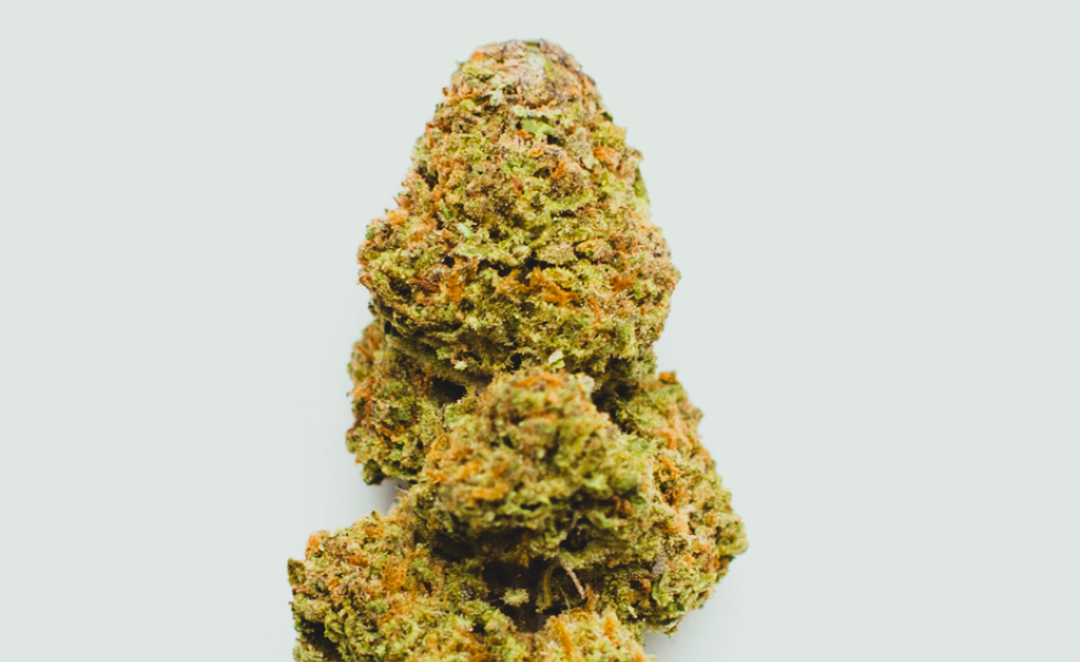
Medical Strain Analysis: Nordle – Origins, Chemical Profile, Medical Benefits, and Growing Conditions
Nordle is a cannabis strain that has gained significant attention within the medical community due to its balanced cannabinoid profile, therapeutic potential, and specific properties tailored for medicinal use. The strain’s unique composition and historical lineage have made it a key player in the development of cannabis as a legitimate therapeutic option for patients with a variety of health conditions. To fully appreciate the medical utility of Nordle, one must explore its origins, chemical composition, potential benefits for patients, and the growing conditions that ensure its optimal potency and efficacy. This comprehensive analysis delves into the unique aspects of Nordle with a focus on its applications for health and wellness.
Origins of Nordle
Nordle is a hybrid cannabis strain developed by the renowned breeder Mr. Nice Seedbank, co-founded by Howard Marks and Shantibaba. Its name, “Nordle,” is a nod to Howard Marks’ past life as a cannabis smuggler, during which “Nordle” was a code word for high-quality hashish. The name pays homage to the plant’s role in medicinal and cultural traditions, while distancing it from recreational connotations. This nomenclature embodies the transition of cannabis from illicit activity to legitimate medicine.
The lineage of Nordle traces back to two legendary cannabis strains: an Afghani indica and a Skunk #1 hybrid. The Afghani indica contributes to Nordle’s sedative, calming qualities, while Skunk #1 adds a subtle cerebral clarity and a balance of cannabinoids and terpenes. This genetic pairing results in a plant with a harmonious cannabinoid profile that is particularly suited for medical applications. The selective breeding process ensured that Nordle’s chemical profile was designed with therapeutic efficacy in mind.
Chemical Profile of Nordle
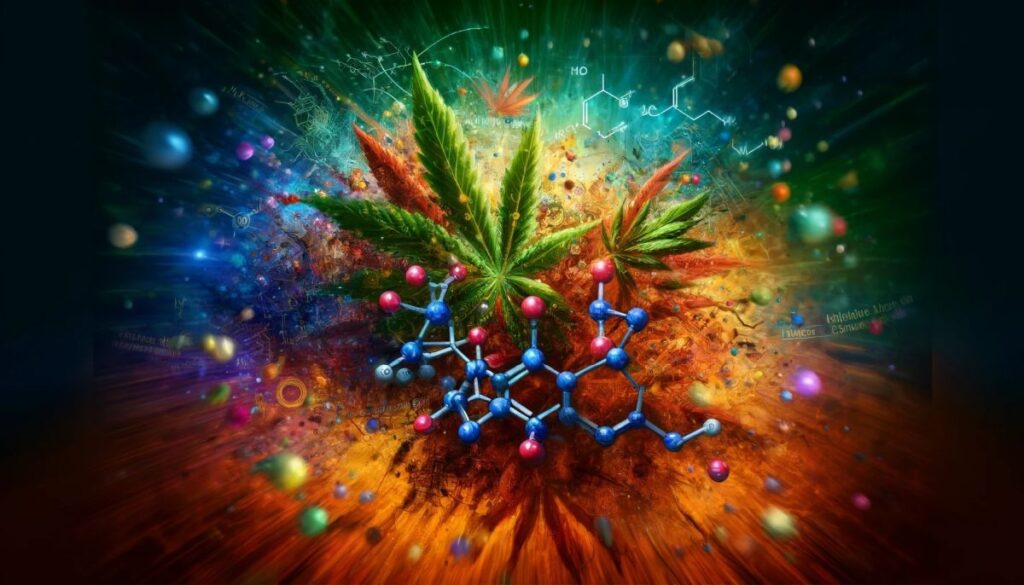
A critical aspect of Nordle’s appeal as a medicinal strain is its balanced cannabinoid profile. Unlike strains that are either predominantly THC- or CBD-rich, Nordle contains a near-equal ratio of these two primary cannabinoids, with THC levels typically ranging between 5-9% and CBD levels averaging between 8-12%. This balance is crucial for its medical effectiveness, as both THC and CBD offer unique therapeutic properties while complementing one another to enhance the overall benefits of the strain.
Cannabinoids
- Tetrahydrocannabinol (THC): Though Nordle’s THC levels are moderate compared to recreational strains, they are high enough to deliver significant therapeutic effects. THC’s primary mechanisms of action include binding to CB1 receptors in the endocannabinoid system, which helps modulate pain perception, mood, and appetite. Nordle’s relatively low THC concentration reduces the risk of psychoactive side effects, making it a safer option for patients seeking relief from chronic symptoms without mental impairment.
- Cannabidiol (CBD): Nordle’s higher CBD content plays a pivotal role in its medical utility. CBD is a non-intoxicating cannabinoid that interacts with CB2 receptors and other pathways in the body, offering anti-inflammatory, anxiolytic, antiepileptic, and neuroprotective properties. CBD is also known to counteract some of the psychoactive effects of THC, creating a more stable and manageable experience for medical users.
- Minor Cannabinoids: Apart from THC and CBD, trace levels of additional cannabinoids like tetrahydrocannabivarin (THCV), cannabigerol (CBG), and cannabichromene (CBC) are also present in Nordle. While these cannabinoids are present in small quantities, they contribute synergistically to the strain’s therapeutic potential via the entourage effect, wherein the various components of cannabis work together to enhance their overall efficacy.
Terpene Profile
Terpenes are aromatic compounds that not only determine the scent and flavor of cannabis but also play a role in its therapeutic properties. Nordle’s terpene profile is rich and diverse, with a dominance of myrcene, limonene, and beta-caryophyllene.
- Myrcene: This terpene is responsible for the strain’s earthy and musky aroma. Myrcene has sedative and muscle-relaxant properties, which contribute to Nordle’s ability to alleviate pain and tension.
- Limonene: Known for its citrusy scent, limonene is associated with stress relief and mood enhancement. Its anxiolytic properties complement CBD’s calming effects.
- Beta-Caryophyllene: This terpene is unique because it interacts directly with CB2 receptors, offering anti-inflammatory and analgesic benefits. Its presence in Nordle makes it particularly effective for treating conditions associated with inflammation and chronic pain.
Medical Benefits of Nordle
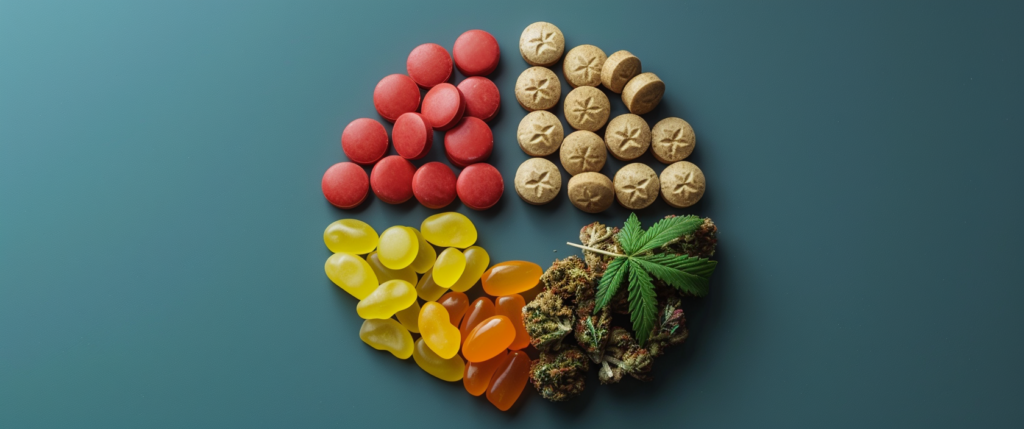
Nordle has established itself as a reliable therapeutic option for a wide range of medical conditions. The strain’s balanced cannabinoid ratio and terpene profile make it suitable for patients seeking targeted relief from specific symptoms while minimizing adverse effects. Below are some of the primary medical benefits associated with Nordle:
1. Chronic Pain Management
One of the most common reasons patients turn to cannabis is to manage chronic pain, and Nordle is particularly effective in this regard. The combination of THC and CBD works synergistically to reduce pain intensity, while beta-caryophyllene enhances this effect by targeting inflammation at the source. Nordle’s analgesic properties make it suitable for conditions such as arthritis, fibromyalgia, and neuropathic pain.
The strain’s moderate THC content ensures that patients can experience pain relief without the cognitive impairment or euphoria associated with higher-THC strains. Additionally, the anti-inflammatory effects of CBD and myrcene provide a dual approach to addressing both the symptoms and underlying causes of chronic pain.
2. Anxiety and Stress Relief
Nordle’s CBD content is highly effective in managing anxiety and stress. The potential of CBD to lessen the symptoms of social anxiety, PTSD, and generalized anxiety disorder (GAD) has been well investigated. By modulating serotonin receptors and interacting with the endocannabinoid system, CBD helps stabilize mood and reduce feelings of stress.
The presence of limonene further enhances Nordle’s anxiolytic properties, creating a calming and uplifting effect that does not overwhelm the patient. This makes Nordle a suitable option for individuals who need to manage anxiety without the sedative effects of benzodiazepines or other pharmaceuticals.
3. Anti-Inflammatory Benefits
Inflammation is a common underlying factor in many chronic illnesses, including autoimmune diseases, cardiovascular conditions, and neurodegenerative disorders. Nordle’s CBD and beta-caryophyllene content provide potent anti-inflammatory effects, making it a valuable therapeutic option for conditions such as Crohn’s disease, ulcerative colitis, and multiple sclerosis.
CBD’s ability to modulate the immune response and reduce cytokine production helps alleviate inflammation without compromising the body’s natural defenses. Nordle’s balanced profile ensures that patients can address inflammatory symptoms without the side effects associated with corticosteroids or NSAIDs.
4. Muscle Spasms and Spasticity
Patients suffering from conditions such as multiple sclerosis, cerebral palsy, or spinal cord injuries often experience muscle spasms and spasticity that are difficult to manage with conventional medications. Nordle’s combination of THC, CBD, and myrcene offers significant relief by relaxing muscles and reducing the frequency and severity of spasms.
The sedative effects of myrcene and THC complement CBD’s ability to reduce hyperexcitability in the central nervous system, providing a multifaceted approach to symptom management. Nordle’s efficacy in this area has made it a popular choice for patients with neuromuscular disorders.
5. Sleep Disorders
Nordle’s calming properties extend to its ability to promote restful sleep. Insomnia and other sleep disturbances are often linked to anxiety, chronic pain, or other underlying health issues. By addressing these root causes, Nordle helps patients achieve a state of relaxation conducive to sleep.
The sedative effects of myrcene and the mild psychoactivity of THC make Nordle particularly effective in improving sleep latency and quality without causing grogginess or dependence. For patients seeking a natural alternative to pharmaceutical sleep aids, Nordle offers a promising solution.
6. Epilepsy and Seizure Management
CBD-rich strains like Nordle have been shown to reduce the frequency and severity of seizures in patients with epilepsy, particularly those with treatment-resistant forms such as Dravet syndrome or Lennox-Gastaut syndrome. CBD’s anticonvulsant properties are well-documented, and its presence in Nordle makes the strain a viable option for patients looking to manage seizures without the side effects of traditional antiepileptic drugs.
While Nordle is not as CBD-dominant as some other strains specifically bred for epilepsy, its balanced profile allows for broader therapeutic applications, including the treatment of coexisting symptoms such as anxiety and chronic pain.
7. Appetite Stimulation
Loss of appetite and nausea are common symptoms of chronic illnesses such as cancer, HIV/AIDS, and gastrointestinal disorders. Nordle’s moderate THC content can stimulate appetite without causing overwhelming psychoactive effects. By interacting with CB1 receptors in the brain, THC triggers the release of hunger-inducing hormones, making Nordle an effective option for patients experiencing appetite loss due to medical treatments like chemotherapy.
Growing Conditions for Optimal Medical Potency
Cultivating Nordle requires careful attention to environmental factors to ensure that its cannabinoid and terpene profiles are optimized for medicinal use. The strain is moderately easy to grow, making it accessible to both novice and experienced cultivators, but achieving maximum therapeutic potency requires adherence to best practices in cannabis cultivation.
Environmental Requirements
- Temperature: Nordle thrives in a controlled environment with temperatures ranging between 70-85°F (21-29°C) during the day and slightly cooler temperatures at night. Maintaining a stable temperature range helps prevent stress on the plants, which can affect their chemical composition.
- Humidity: Nordle needs higher humidity levels (50–70%) during the vegetative stage. To avoid mold and mildew, these levels can be progressively lowered to 40–50% during flowering. Proper humidity control ensures healthy growth and maximizes resin production.
- Lighting: Like most cannabis strains, Nordle responds well to a light cycle of 18 hours on and 6 hours off during the vegetative stage, transitioning to 12 hours on and 12 hours off during flowering. Full-spectrum LED lights or high-pressure sodium (HPS) lights are recommended for indoor cultivation.
Nutrient Requirements
- Nitrogen: During the vegetative stage, Nordle benefits from nitrogen-rich fertilizers to support leaf and stem development.
- Phosphorus and Potassium: During flowering, the plant requires increased levels of phosphorus and potassium to promote bud formation and resin production.
- Micronutrients: Secondary nutrients like calcium, magnesium, and sulfur are essential for overall plant health and the synthesis of cannabinoids and terpenes.
Growing Medium
Nordle can be grown in soil, hydroponic systems, or coco coir. Organic soil is often preferred for medical strains, as it enhances terpene profiles and ensures a cleaner final product. Hydroponic systems offer precise control over nutrient levels, which can be beneficial for maximizing CBD and THC content.
Pest and Disease Management
To maintain the medicinal quality of Nordle, it is essential to avoid the use of synthetic pesticides and fungicides. Integrated pest management (IPM) techniques, such as introducing beneficial insects and maintaining proper airflow, can help prevent infestations. Organic treatments like neem oil can be used sparingly to address any issues without compromising the safety of the final product.
Harvesting and Post-Harvest Processing
The timing of harvest is critical for preserving Nordle’s balanced cannabinoid profile. Harvesting too early can result in lower CBD and THC levels, while harvesting too late can degrade terpenes and cannabinoids. The ideal harvest window is when trichomes are milky-white with a slight amber hue.
After harvest, the buds must be dried and cured in a controlled environment to preserve their potency and prevent mold. Proper curing enhances the terpene profile, ensuring that the medicinal properties of Nordle are fully realized.
Restrictions on Using Nordle in the Medical Field and as a Last Resort
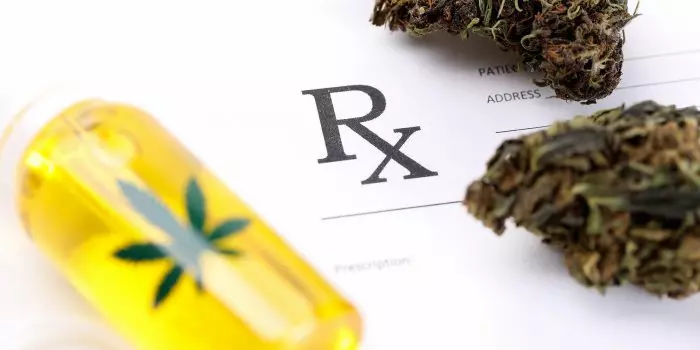
While Nordle offers significant therapeutic benefits for a variety of medical conditions, its use in the medical field is often restricted and regulated to ensure patient safety. As a strain containing both THC and CBD, Nordle must be carefully prescribed and monitored to prevent unintended psychoactive effects and to comply with strict medical guidelines. Its use is typically reserved for cases where conventional treatments have failed or are unsuitable, making it a “last-resort” option in many clinical scenarios.
Medical Use as a Last Resort
In the medical field, cannabis-derived treatments, including those using Nordle, are often prescribed only after other first-line therapies have proven ineffective. This cautious approach is based on the principle of minimizing potential risks associated with THC-containing treatments. For conditions such as chronic pain, epilepsy, muscle spasticity, or severe anxiety, patients are usually required to exhaust traditional pharmaceutical options—such as opioids, anticonvulsants, or anti-inflammatory drugs—before turning to cannabis-based alternatives.
This restriction ensures that Nordle is used primarily in cases where its unique therapeutic profile offers significant advantages over existing treatments. It also helps mitigate concerns regarding the long-term use of cannabis-derived medicines, particularly in vulnerable populations such as children, the elderly, or individuals with pre-existing mental health conditions.
Monitoring THC Levels to Prevent Psychoactive Effects
One of the most critical aspects of using Nordle as a medical treatment is the careful monitoring of its THC content. Although Nordle’s THC levels are moderate, ranging between 5-9%, they still carry the potential to produce psychoactive effects if not carefully managed. To prevent this, medical formulations derived from Nordle must undergo stringent testing to ensure accurate cannabinoid ratios and consistent dosing.
For medical patients, particularly those who may be sensitive to THC, formulations are often designed to prioritize CBD while minimizing THC content. This is achieved through selective extraction processes that isolate and enhance CBD while reducing THC concentrations to levels that are therapeutically effective without inducing euphoria or impairing cognition.
Additionally, healthcare providers prescribing Nordle-based treatments must closely monitor patients for any signs of adverse effects, such as dizziness, confusion, or mood changes, which could indicate an excessive dose of THC. Regular follow-ups and detailed documentation are essential to ensure that the medication remains safe and effective.
Conclusion
Nordle stands as a remarkable example of how cannabis strains can be cultivated and utilized for targeted medical applications. Its origins, derived from the careful breeding of an Afghani indica and Skunk #1, have resulted in a strain uniquely suited for medical use, with a balanced cannabinoid profile and a rich terpene composition that delivers broad-spectrum therapeutic effects. Nordle’s moderate THC levels, coupled with its relatively high CBD content, create a synergistic effect that addresses chronic pain, inflammation, anxiety, muscle spasms, epilepsy, and more, while minimizing the psychoactive effects typically associated with THC-heavy strains.
The strain’s chemical profile, particularly its near-equal THC-to-CBD ratio, ensures therapeutic efficacy across a variety of medical conditions. The presence of key terpenes such as myrcene, limonene, and beta-caryophyllene further enhances its medical benefits, providing anti-inflammatory, anxiolytic, and sedative properties that make it particularly valuable for patients suffering from complex, treatment-resistant conditions. Its versatility allows it to address multiple symptoms simultaneously, from pain and inflammation to anxiety and appetite stimulation.
However, the use of Nordle in the medical field must be approached with caution. Regulations often require its use to be limited to cases where conventional treatments have failed, ensuring it is reserved as a last-resort therapy. This restrictive approach helps protect patients and addresses concerns about its potential psychoactive effects. Strict monitoring of THC levels is critical, especially for formulations intended for vulnerable populations or for use over extended periods. Healthcare providers play a vital role in managing doses and monitoring patient outcomes to ensure safety and efficacy.
Cultivating Nordle for medical purposes also requires strict adherence to best practices, including precise environmental controls and organic growing methods. These practices not only maximize the strain’s potency and therapeutic value but also ensure a clean and safe product for patients.
In summary, Nordle is a highly effective medical strain that bridges the gap between cannabis science and patient care. Its balanced cannabinoid profile, therapeutic versatility, and regulated use make it a valuable tool for addressing chronic and complex conditions, offering patients relief and improved quality of life while minimizing risks. When used responsibly, Nordle represents the future of cannabis in the medical field.
