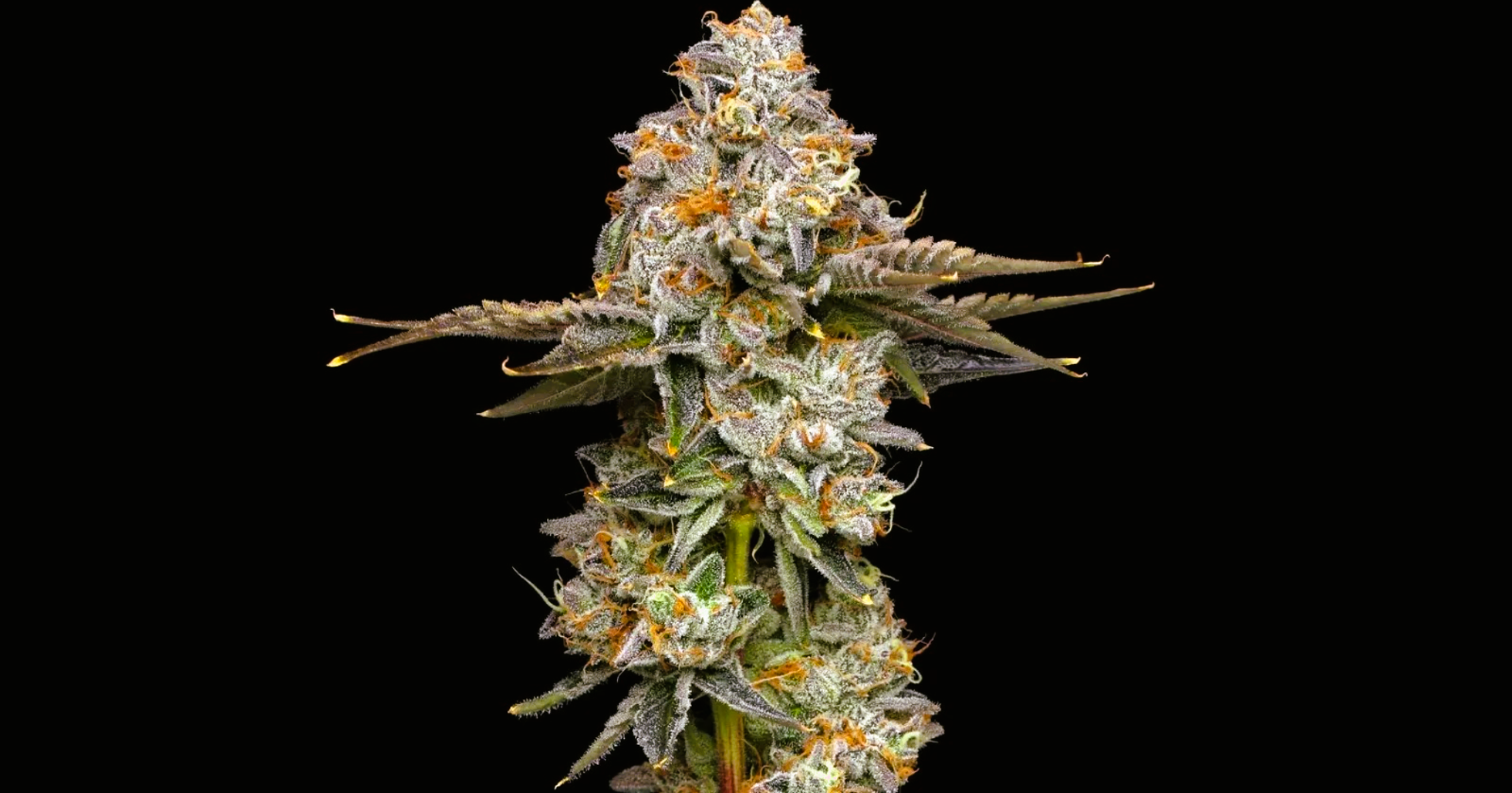
Medical Strain Analysis: Moon Drops
Moon Drops is a captivating and relatively rare cannabis strain that has garnered significant attention within the medical community due to its unique chemical profile and therapeutic potential. Its alluring name, derived from its rich purple hues and mysterious origins, hints at the depth of benefits it offers to patients seeking relief from various medical conditions. This strain has earned its place in the realm of medicinal cannabis through its potent properties, nuanced cannabinoid and terpene composition, and its ability to address a wide array of health concerns. In this comprehensive analysis, we will explore the origins of Moon Drops, its detailed chemical profile, its wide-ranging medical benefits, and the specific growing conditions required to produce its therapeutic potency.
Origins of Moon Drops

Moon Drops is an indica-dominant hybrid with genetics steeped in mystery and refinement. While it is widely believed to have been bred from a lineage involving highly potent indica strains, the exact parent strains are often debated. Some accounts suggest that Moon Drops owes its lineage to well-known purple strains, such as Grape Ape or Purple Urkle, both of which are renowned for their rich anthocyanin production and soothing, therapeutic effects. These traits seem to have been carried over and enhanced in Moon Drops, making it a cultivar uniquely suited for medical use.
One of the most defining features of Moon Drops is its rich purple and almost black coloration, which not only serves as a visual hallmark but also indicates the presence of anthocyanins—plant pigments with strong antioxidant properties. This visual trait suggests its breeding program was deliberate in targeting both aesthetics and bioactive compounds, a hallmark of modern cannabis genetics focused on therapeutic application.
Moon Drops was reportedly first cultivated by boutique growers specializing in craft cannabis. Its popularity quickly grew as medical cannabis patients and providers discovered its unique ability to relieve chronic symptoms while maintaining clarity of mind. Although not as widely available as other strains, Moon Drops remains a sought-after strain in the medical cannabis space, prized for its balanced effects and versatility.
Chemical Profile of Moon Drops
The therapeutic benefits of Moon Drops can be directly attributed to its chemical composition, including its cannabinoid content and terpene profile. Cannabis’ medical effects largely depend on the interaction between cannabinoids, terpenes, and the body’s endocannabinoid system. Moon Drops excels in this regard, offering a sophisticated interplay of compounds that make it uniquely effective for medical use.
Cannabinoid Profile
Moon Drops contains a robust concentration of cannabinoids, with tetrahydrocannabinol (THC) and cannabidiol (CBD) being the primary constituents. Typical lab tests reveal the following approximate breakdown:
- THC: 18–23%
- CBD: 1–2%
- CBG (Cannabigerol): ~1%
- CBN (Cannabinol): Trace amounts
- THCV (Tetrahydrocannabivarin): Trace amounts
The moderately high THC content of Moon Drops provides a potent foundation for addressing conditions such as chronic pain, insomnia, and muscle spasms. Unlike strains with extremely high THC levels, Moon Drops offers a more balanced experience, reducing the likelihood of adverse effects like anxiety or paranoia—something that can be particularly important for patients who are sensitive to THC.
The presence of CBD, although lower compared to THC, enhances its medical efficacy. CBD is well-known for its anti-inflammatory, neuroprotective, and anti-anxiety properties. It helps create the “entourage effect,” in which terpenes and cannabinoids cooperate to provide more potent medicinal effects, when paired with THC.
Terpene Profile
The terpene profile of Moon Drops is equally vital in understanding its medical efficacy. Lab analyses have consistently shown high levels of the following terpenes:
- Myrcene: This terpene is often associated with sedation and relaxation. It contributes to Moon Drops’ ability to alleviate pain and promote restful sleep.
- Limonene: Known for its uplifting and stress-relieving properties, limonene provides mood-enhancing effects, making Moon Drops a suitable option for patients with anxiety or depression.
- Beta-Caryophyllene: Unlike other terpenes, beta-caryophyllene directly interacts with the endocannabinoid system’s CB2 receptors. Because of its well-known analgesic and anti-inflammatory qualities, this terpene can help those with autoimmune diseases and chronic pain.
- Linalool: Found in lavender, linalool imparts calming and anti-anxiety effects. It may also contribute to Moon Drops’ efficacy in reducing muscle spasms.
- Humulene: This terpene offers anti-inflammatory benefits and may also help patients manage appetite, a feature that could benefit those dealing with specific metabolic or appetite-related conditions.
The interplay of these terpenes amplifies the strain’s effectiveness in treating conditions such as chronic pain, inflammation, and anxiety.
Anthocyanins and Other Phytochemicals
In addition to cannabinoids and terpenes, Moon Drops is rich in anthocyanins, the flavonoids responsible for its deep purple coloration. Anthocyanins have been studied for their antioxidant and anti-inflammatory properties, which contribute to the strain’s potential in managing oxidative stress and supporting overall cellular health.
Medical Benefits of Moon Drops

Moon Drops offers a broad spectrum of medical benefits, making it a versatile option for patients dealing with various health conditions. Its unique chemical profile ensures that it can address both physical and mental health challenges while minimizing side effects.
1. Pain Management
Moon Drops is very useful for treating chronic pain, which is one of the most popular reasons people use medicinal cannabis. The combination of THC, CBD, and beta-caryophyllene provides potent analgesic properties, targeting both neuropathic and inflammatory pain. Moon Drops have provided notable comfort for those suffering from fibromyalgia, multiple sclerosis, and arthritis. Myrcene’s sedative qualities also aid in reducing muscle tension and spasms, providing comprehensive pain relief.
2. Sleep Disorders
Insomnia and other sleep-related disorders can severely impact quality of life, and Moon Drops has emerged as a reliable solution for patients struggling to achieve restful sleep. Its indica-dominant nature, combined with high levels of myrcene and linalool, creates a sedative effect that helps patients fall asleep faster and stay asleep longer. Importantly, Moon Drops does not induce grogginess the next morning, making it an ideal choice for improving sleep hygiene.
3. Anxiety and Depression
Anxiety and depression are complex conditions that require careful management. Moon Drops’ balanced THC and CBD levels, along with its limonene and linalool content, provide a calming and mood-enhancing effect. Many patients report a sense of emotional balance and relief from excessive worry after using Moon Drops, making it a promising option for those with generalized anxiety disorder, social anxiety, or mild to moderate depression.
4. Inflammation and Autoimmune Disorders
Inflammation underpins a variety of medical conditions, from arthritis to Crohn’s disease. Moon Drops’ anti-inflammatory properties, largely attributed to beta-caryophyllene and CBD, make it an effective tool for managing inflammation. By interacting with the CB2 receptors in the immune system, Moon Drops may help modulate immune responses, potentially benefiting patients with autoimmune disorders like lupus or rheumatoid arthritis.
5. Neuroprotective Effects
The combination of cannabinoids and terpenes in Moon Drops offers neuroprotective properties that may benefit patients with neurological disorders. Preliminary research suggests that THC and CBD can protect nerve cells from damage, which could be valuable for conditions like Parkinson’s disease, Alzheimer’s disease, and epilepsy. The presence of linalool and anthocyanins further enhances its potential in supporting brain health.
6. Stress Relief
Numerous stressors in modern life can have a negative impact on one’s physical and emotional well-being. Moon Drops’ calming effects help mitigate the physiological impacts of stress, such as elevated cortisol levels and increased heart rate. By promoting relaxation and emotional well-being, this strain can be a valuable part of a stress-management regimen.
7. Appetite Stimulation and Digestive Support
While Moon Drops is not as appetite-stimulating as some other strains, its ability to ease nausea and improve appetite can benefit patients undergoing chemotherapy or dealing with conditions like irritable bowel syndrome (IBS). Humulene’s presence may also help patients balance their metabolic health by managing cravings.
Growing Conditions for Moon Drops

Cultivating Moon Drops requires attention to detail and a controlled environment to ensure its therapeutic potency. This strain thrives in environments that replicate its natural habitat, with specific requirements for temperature, humidity, and nutrient levels.
Climate Requirements
Moon Drops prefers a temperate to warm climate with daytime temperatures ranging between 70°F and 80°F. This range helps preserve the strain’s terpene profile while promoting healthy plant growth. Nighttime temperatures can be slightly cooler, but it is essential to avoid sudden drops, as this can stress the plant.
Humidity Levels
During the vegetative stage, Moon Drops requires moderate humidity levels of around 50–60%. As the plant transitions into the flowering stage, humidity should be reduced to 40–50% to prevent mold and mildew. This is particularly important due to the dense, resinous buds characteristic of Moon Drops.
Soil and Nutrients
Moon Drops flourishes in nutrient-rich, well-draining soil. Organic fertilizers that provide a balance of nitrogen, phosphorus, and potassium are ideal. During the flowering stage, phosphorus and potassium levels should be increased to enhance bud development and resin production. Micronutrients such as calcium and magnesium also play a crucial role in the plant’s health.
Lighting
As an indica-dominant strain, Moon Drops has a relatively short flowering time of 8–9 weeks. Growers often use high-intensity lighting, such as HPS (high-pressure sodium) or LED lights, to replicate optimal sunlight conditions. Light cycles of 18 hours on and 6 hours off during the vegetative stage, followed by 12 hours on and 12 hours off during flowering, are standard.
Anthocyanin Development
To bring out the strain’s signature purple coloration, growers can lower nighttime temperatures slightly during the late flowering stage. However, this must be done cautiously to avoid stressing the plant. The deep purple hues not only enhance aesthetic appeal but may also indicate higher levels of beneficial anthocyanins.
Pest and Disease Management
Moon Drops is moderately resistant to pests and diseases, but vigilance is necessary. Aphids, powdery mildew, and spider mites are frequent dangers. Using organic pesticides or introducing helpful insects are examples of integrated pest management (IPM) techniques that can assist preserve plant health without sacrificing the quality of medical products.
Restrictions on Using Moon Drops in the Medical Field and Its Role as a Last Resort
Moon Drops has great potential as a medicinal cannabis strain, but in order to protect patients, its use in the medical area must follow stringent rules and restrictions. As a strain with a relatively high THC content (18–23%), Moon Drops carries psychoactive potential that requires careful consideration and monitoring in medical settings. The implementation of restrictions, such as its use only as a last resort and ensuring precise control of THC levels in medications, is essential to minimize unwanted side effects while optimizing therapeutic outcomes.
Medical Use as a Last Resort
Moon Drops is best positioned as a treatment option when conventional therapies or lower-THC cannabis-based medicines fail to provide adequate relief. This “last resort” designation ensures that its use is reserved for cases where the benefits outweigh potential risks, particularly the psychoactive effects of THC. For example, patients with chronic pain, severe anxiety, or treatment-resistant insomnia may turn to Moon Drops after exploring other non-psychoactive alternatives, such as CBD-dominant cannabis products or pharmaceutical interventions.
Regulating Moon Drops as a last-resort option also limits its accessibility to patients who truly need its therapeutic properties. Physicians prescribing Moon Drops must carefully evaluate the patient’s medical history, symptoms, and previous treatment outcomes to determine if the strain is appropriate. This ensures its use remains focused on cases where its potency and unique cannabinoid-terpene synergy can address unmet medical needs.
Monitoring THC Levels to Prevent Psychoactive Effects
The THC level in Moon Drops, which gives them their psychoactive effects, is one of the main issues when using them for medical purposes. In medical applications, achieving therapeutic efficacy without impairing cognitive function or inducing intoxication is a top priority. This necessitates rigorous monitoring of THC levels in Moon Drops-derived medications. By carefully controlling dosages and formulations, healthcare providers can mitigate the risk of psychoactivity while preserving the strain’s therapeutic benefits.
For example, standardized extracts or tinctures derived from Moon Drops can be engineered to include lower THC concentrations while maintaining the therapeutic properties of its other cannabinoids and terpenes. Combining Moon Drops with CBD in specific ratios can further reduce psychoactive effects, as CBD is known to counteract THC’s mind-altering properties. Additionally, microdosing—a practice of administering very small amounts of THC—may provide symptom relief while avoiding intoxication.
The Importance of Patient Monitoring and Education
Patients prescribed Moon Drops must be closely monitored for any adverse effects, particularly those related to THC’s psychoactivity. Healthcare providers should educate patients about potential risks, including drowsiness, dizziness, or altered perception, and provide clear instructions on safe usage. Ongoing assessments can help determine the minimum effective dose, further minimizing the likelihood of cognitive or psychoactive side effects.
By enforcing these restrictions, using Moon Drops exclusively as a last resort, and carefully controlling THC levels, this strain can be safely integrated into the medical field. Such practices ensure its powerful therapeutic properties are harnessed responsibly, preserving patient well-being while minimizing risks.
Conclusion: A Comprehensive Analysis of Moon Drops and Its Medical Application
Moon Drops stands as a shining example of the therapeutic potential of cannabis, offering an effective alternative for patients with a variety of medical conditions. From its mysterious origins and meticulous genetic refinement to its robust chemical profile and growing requirements, Moon Drops is a strain crafted for precision and potency in medical use. Its high levels of cannabinoids like THC and CBD, complemented by a rich terpene and anthocyanin profile, give it a uniquely tailored ability to address a wide range of physical and mental health conditions.
As explored, Moon Drops is particularly effective in managing chronic pain, inflammation, sleep disorders, anxiety, depression, and even neuroprotective conditions. Its multi-faceted therapeutic properties stem from the interplay between its cannabinoids and terpenes, as well as its potent antioxidant capabilities due to the presence of anthocyanins. The strain’s versatility and depth of action make it a valuable tool in the medical field, provided it is used responsibly and under professional supervision.
However, to safely integrate Moon Drops into medical applications, several important restrictions must be observed. Its use should be reserved as a last resort for patients who have not found adequate relief from conventional treatments or CBD-dominant therapies. This ensures that its strong properties are directed toward cases where they can have the greatest impact without unnecessary risks. Furthermore, the high THC content of Moon Drops necessitates stringent monitoring to minimize psychoactive effects. By formulating medications with controlled THC levels, combining them with CBD, or employing microdosing techniques, healthcare providers can deliver therapeutic benefits while reducing cognitive impairment or intoxication.
The cultivation of Moon Drops also plays a vital role in preserving its medical efficacy. Growers must carefully manage temperature, humidity, lighting, and nutrient inputs to ensure the plant produces its full range of therapeutic compounds. These environmental controls, combined with proper pest and disease management, help ensure the quality and safety of Moon Drops for medical applications.
Ultimately, Moon Drops represents a powerful therapeutic tool for patients with complex or treatment-resistant conditions. Its ability to provide relief without introducing harsh side effects (when properly managed) underscores its value in modern medicine. By adhering to strict guidelines, such as restricting its use to cases of last resort and maintaining precise control over its psychoactive properties, Moon Drops can be safely and effectively integrated into the healthcare system. It is a testament to the ongoing potential of cannabis-based medicine, combining centuries of plant-based healing traditions with modern scientific insights to improve patient outcomes.
