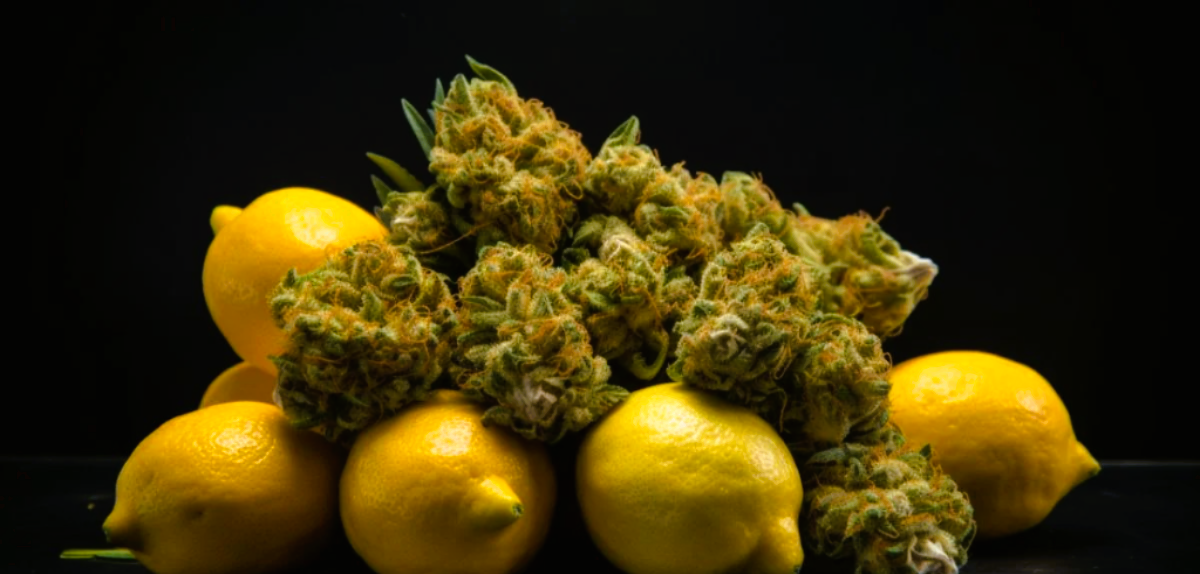
Medical Strain Analysis: Lemon Drop CBD
Lemon Drop CBD is a highly sought-after cannabis strain within the medical community due to its exceptional therapeutic properties. Designed to prioritize medicinal benefits over recreational effects, this strain boasts a high concentration of cannabidiol (CBD), a non-intoxicating cannabinoid, while maintaining minimal tetrahydrocannabinol (THC) levels. It has gained popularity among patients for its ability to alleviate a wide range of health conditions without the psychoactive high associated with cannabis use. This analysis explores the origins, chemical composition, therapeutic benefits, and cultivation requirements of Lemon Drop CBD, emphasizing its role in medical treatment.
Origins of Lemon Drop CBD

The origins of Lemon Drop CBD are steeped in a rich tradition of cannabis breeding aimed at producing strains with specific therapeutic profiles. The development of Lemon Drop CBD involved crossbreeding CBD-rich cultivars with citrus-dominant strains, resulting in a hybrid that combines medicinal potency with a pleasing aroma and flavor profile.
The name “Lemon Drop” reflects the strain’s distinct citrus aroma and taste, which are derived from its dominant terpenes. Its genetic lineage is carefully crafted to ensure high CBD content and low THC levels, aligning with the needs of medical patients who want the benefits of cannabis without the intoxicating effects. Breeders have fine-tuned Lemon Drop CBD over generations, stabilizing its cannabinoid and terpene profile to ensure consistency and reliability in every harvest.
The strain’s popularity has grown steadily among medical users, researchers, and cultivators alike. Its balanced cannabinoid ratio and robust terpene profile have made it a cornerstone in the ongoing exploration of cannabis as a legitimate therapeutic tool.
Chemical Profile
Lemon Drop CBD’s therapeutic potential stems from its sophisticated chemical profile, which includes cannabinoids, terpenes, flavonoids, and other beneficial compounds. This synergy creates what is known as the “entourage effect,” where the combined action of these compounds enhances the overall medical benefits of the strain.
1. Cannabinoid Content
The primary cannabinoid in Lemon Drop CBD is cannabidiol (CBD), which typically accounts for 12% to 18% of the plant’s chemical makeup. CBD is widely recognized for its anti-inflammatory, analgesic, anxiolytic, and neuroprotective properties. Its ability to interact with the endocannabinoid system (ECS) allows it to regulate various physiological processes, including pain perception, mood, and immune response.
Lemon Drop CBD’s THC content remains consistently below 0.3%, the threshold for industrial hemp classification. This low THC level eliminates the risk of intoxication, making the strain suitable for individuals who require mental clarity while undergoing treatment. Additionally, trace levels of other cannabinoids, such as cannabigerol (CBG) and cannabichromene (CBC), contribute to the strain’s comprehensive therapeutic effects.
2. Terpene Profile
Terpenes are aromatic compounds that play a significant role in the therapeutic effects of Lemon Drop CBD. The terpene profile of this strain is primarily composed of:
- Limonene: This terpene with a citrus fragrance is well-known for elevating mood and reducing stress. It also exhibits anti-inflammatory and immune-modulating effects, making it a key component of Lemon Drop CBD’s medical profile.
- Myrcene: Often associated with relaxation and sedation, myrcene amplifies the strain’s pain-relieving and sleep-inducing qualities.
- Caryophyllene: A unique terpene that interacts directly with the ECS, caryophyllene is celebrated for its anti-inflammatory and analgesic properties, enhancing the strain’s ability to address chronic pain and inflammation.
- Pinene: This terpene promotes alertness and cognitive clarity while providing anti-inflammatory and bronchodilator benefits, making it valuable for respiratory conditions.
3. Flavonoids and Minor Compounds
Flavonoids, another category of plant compounds, contribute to Lemon Drop CBD’s antioxidant and anti-inflammatory properties. These compounds complement cannabinoids and terpenes, further enhancing the strain’s medical potential.
The inclusion of trace compounds like omega fatty acids and essential vitamins in Lemon Drop CBD also supports overall health and wellness, making it an all-encompassing option for therapeutic use.
Medical Benefits of Lemon Drop CBD
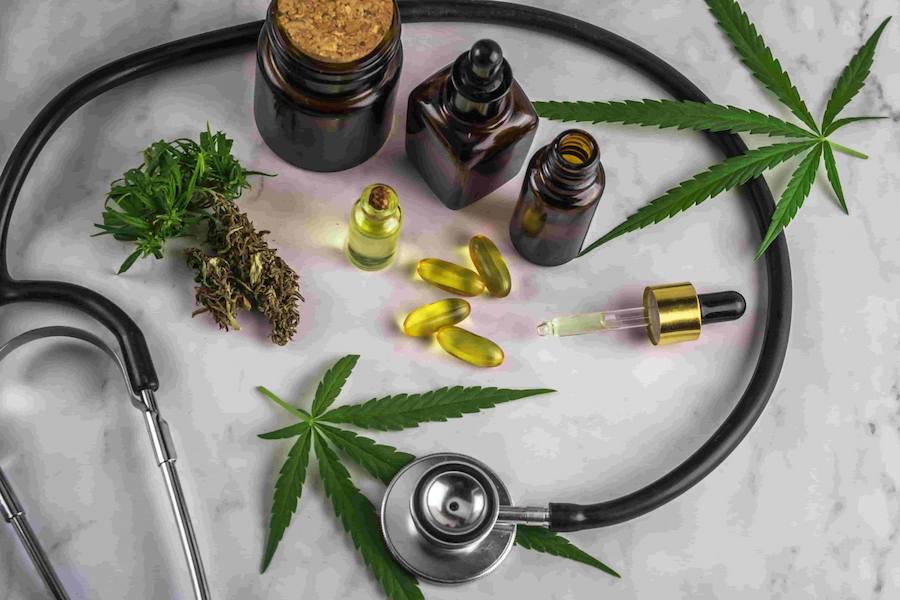
Lemon Drop CBD is celebrated for its wide range of medical applications, offering relief from chronic conditions and promoting overall wellness. The combination of CBD, terpenes, and other compounds makes it a versatile treatment option for a variety of ailments.
1. Pain Management
Chronic pain is one of the most common conditions treated with Lemon Drop CBD. CBD’s interaction with ECS receptors reduces pain signals while addressing underlying inflammation. This dual-action mechanism makes Lemon Drop CBD highly effective for conditions such as:
- Arthritis
- Fibromyalgia
- Neuropathic pain
- Post-surgical recovery
The inclusion of myrcene and caryophyllene further enhances its pain-relieving effects, providing long-lasting relief for patients.
2. Anti-Inflammatory Properties
Inflammation is a key factor in many chronic diseases, including autoimmune disorders, gastrointestinal conditions, and cardiovascular problems. Lemon Drop CBD’s anti-inflammatory properties stem from its ability to suppress pro-inflammatory cytokines and enhance immune system balance. This makes it a viable choice for ailments such as:
- Rheumatoid arthritis
- Crohn’s disease
- Irritable bowel syndrome (IBS)
- Asthma and other inflammatory respiratory disorders
3. Anxiety and Mood Disorders
Lemon Drop CBD is a natural solution for anxiety and stress management. The CBD in the strain works to regulate serotonin receptors, promoting a sense of calm and reducing symptoms of anxiety. Terpenes like limonene amplify this effect by lowering cortisol levels, which are often elevated in individuals experiencing chronic stress. This strain has shown promise in managing:
- Generalized anxiety disorder (GAD)
- Social anxiety disorder
- Post-traumatic stress disorder (PTSD)
- Panic disorders
Unlike conventional anxiolytics, Lemon Drop CBD offers these benefits without causing sedation or dependency.
4. Neurological Conditions
Lemon Drop CBD’s neuroprotective properties make it a valuable tool for managing neurological disorders. CBD’s ability to modulate neuronal activity has shown promise in reducing seizure frequency and improving motor function in conditions such as:
- Epilepsy
- Parkinson’s disease
- Multiple sclerosis
- Alzheimer’s disease
In addition, its anti-inflammatory effects help protect against further neuronal damage, supporting long-term brain health.
5. Sleep Disorders
Sleep disorders are a growing concern in modern healthcare, with millions of individuals struggling to achieve restful sleep. Lemon Drop CBD offers a natural alternative to prescription sleep aids, leveraging the sedative properties of myrcene and the relaxing effects of CBD to promote deeper, more restorative sleep. This strain is particularly effective for individuals with:
- Insomnia
- Sleep apnea
- Stress-induced sleep disturbances
6. Cancer Symptom Management
Cancer patients often face debilitating symptoms, including pain, nausea, and loss of appetite. Lemon Drop CBD offers relief by targeting these symptoms holistically. Its anti-inflammatory and analgesic properties address pain, while CBD’s interaction with serotonin receptors alleviates nausea and vomiting associated with chemotherapy. Additionally, the strain’s appetite-stimulating effects help counteract cachexia (wasting syndrome) in cancer patients.
7. Skin Conditions
The topical application of Lemon Drop CBD extracts can provide relief for skin conditions such as eczema, psoriasis, and acne. CBD’s anti-inflammatory and antimicrobial properties help reduce irritation and prevent infection, while its antioxidant effects support skin regeneration and health.
8. Cardiovascular Health
Lemon Drop CBD has demonstrated potential in promoting cardiovascular health by reducing oxidative stress and improving blood flow. Its anti-inflammatory properties help protect blood vessels, while its ability to lower blood pressure reduces the risk of complications associated with hypertension and heart disease.
Growing Conditions
The cultivation of Lemon Drop CBD requires careful attention to environmental factors to ensure the strain achieves its full therapeutic potential. Ideal growing conditions enhance cannabinoid and terpene production, resulting in a high-quality end product.
1. Climate Requirements
Lemon Drop CBD thrives in a Mediterranean climate with consistent temperatures between 70°F and 85°F. It is adaptable to indoor, outdoor, and greenhouse cultivation, provided that environmental conditions are carefully controlled. The strain prefers warm days and cool nights, which encourage optimal resin production.
2. Soil Composition
Rich, organic soil with excellent drainage is essential for healthy growth. A nutrient profile that includes nitrogen, phosphorus, and potassium in balanced proportions supports robust vegetative and flowering stages. Organic amendments, such as compost and worm castings, enhance soil health and promote the production of cannabinoids and terpenes.
3. Lighting
Proper lighting is critical for Lemon Drop CBD, especially during the flowering stage when cannabinoid synthesis peaks. Indoor growers should use full-spectrum LED lights to mimic natural sunlight, while outdoor cultivators should ensure the plants receive at least 6–8 hours of direct sunlight daily.
4. Watering and Humidity
Lemon Drop CBD requires moderate watering to avoid over-saturation, which can lead to root rot. Humidity levels should be maintained between 40% and 50% during the vegetative stage and reduced to 30%–40% during flowering to prevent mold and mildew.
5. Nutrient Management
A balanced feeding regimen that incorporates organic fertilizers and microbial inoculants supports vigorous growth. Avoiding synthetic chemicals ensures the safety and purity of the final product, which is especially important for medical use.
6. Pest and Disease Control
Lemon Drop CBD is susceptible to common cannabis pests such as aphids, spider mites, and whiteflies. Implementing integrated pest management (IPM) strategies, including natural predators and organic repellents, protects the plants without compromising their medicinal quality.
7. Harvesting and Post-Harvest Care
The timing of harvest is critical to preserving Lemon Drop CBD’s chemical profile. Harvesting typically occurs 8–10 weeks after the start of flowering, when the buds are rich in cannabinoids and terpenes. Post-harvest care, including proper drying and curing, ensures that the final product retains its potency and therapeutic value.
Restrictions on Using Lemon Drop CBD in the Medical Field: Emphasizing Responsible Use as a Last Resort

Lemon Drop CBD is a valuable cannabis strain for medical applications, offering therapeutic benefits without significant psychoactive effects due to its high CBD and low THC content. However, its use in the medical field is accompanied by specific restrictions and considerations to ensure patient safety and regulatory compliance. These restrictions emphasize the importance of employing Lemon Drop CBD as a last-resort treatment and monitoring THC levels in medications to prevent unwanted psychoactive effects. This section explores these limitations and their rationale within the context of medical cannabis use.
Use as a Last-Resort Medical Treatment
Medical professionals often prioritize conventional treatments before considering cannabis-based therapies like Lemon Drop CBD. While the strain is effective for various conditions, its use is generally reserved for cases where standard treatments have proven inadequate or unsuitable. This “last-resort” approach is rooted in the following principles:
- Established Clinical Guidelines
Most medical fields operate under evidence-based guidelines that recommend first-line and second-line treatments for specific conditions. Cannabis-based therapies, including those derived from Lemon Drop CBD, are typically classified as third-line or alternative options. This ensures that patients receive the most thoroughly researched and universally accepted treatments before exploring cannabis. - Minimizing Potential Risks
While CBD is non-intoxicating, cannabis-based therapies can still have side effects, such as gastrointestinal upset, fatigue, or interactions with other medications. By using Lemon Drop CBD as a last resort, clinicians can minimize these risks and focus on patients who are most likely to benefit from its unique properties. - Legal and Ethical Considerations
Cannabis remains a controlled substance in many jurisdictions, and its use is tightly regulated. Employing Lemon Drop CBD as a last-resort treatment helps maintain compliance with these laws and ethical standards, ensuring that its use is justified and necessary. - Patient Monitoring and Evaluation
Restricting the use of Lemon Drop CBD to last-resort cases allows healthcare providers to monitor its effects more rigorously. This careful oversight ensures that the treatment is both effective and safe for the patient’s specific needs.
Monitoring THC Levels in Medications
One of the most critical aspects of using Lemon Drop CBD in medical applications is ensuring that the THC content remains within safe limits. While Lemon Drop CBD is naturally low in THC, rigorous testing and monitoring are essential to prevent any psychoactive effects that could compromise patient well-being. The following strategies help achieve this goal:
- Regulatory Standards for THC Content
Lemon Drop CBD must meet strict regulatory thresholds for THC content, typically below 0.3%, to qualify as a non-intoxicating hemp product. Medical formulations derived from this strain undergo laboratory testing to confirm compliance with these standards, ensuring that patients are not exposed to psychoactive doses. - Customized Formulations
Medical applications often involve creating customized products, such as oils, tinctures, or capsules, with precise cannabinoid concentrations. Lemon Drop CBD formulations can be tailored to ensure a high CBD-to-THC ratio, minimizing any potential psychoactive effects while maximizing therapeutic benefits. - Patient Sensitivity and Dosing
Individual patients may have varying levels of sensitivity to THC, even at trace amounts. Monitoring THC levels in medications ensures that dosages are appropriate for each patient’s tolerance and condition, preventing unwanted side effects. - Regular Testing and Quality Assurance
To maintain the integrity of Lemon Drop CBD medications, regular testing during cultivation, extraction, and formulation is essential. This includes testing for THC levels, CBD potency, and the presence of contaminants such as pesticides or heavy metals. Quality assurance protocols ensure that every product meets medical-grade standards. - Education for Healthcare Providers
Educating medical professionals about the importance of THC monitoring is crucial for the responsible use of Lemon Drop CBD. Training programs and guidelines help clinicians understand how to prescribe and monitor cannabis-based therapies effectively.
Ensuring Patient Safety and Public Confidence
Restricting the use of Lemon Drop CBD to the medical field and monitoring its THC levels play a vital role in ensuring patient safety. These measures help maintain public confidence in cannabis-based therapies by demonstrating a commitment to evidence-based practices and regulatory compliance.
By positioning Lemon Drop CBD as a last-resort treatment, healthcare providers can focus its use on patients with the greatest need and the least likelihood of responding to conventional therapies. Simultaneously, the rigorous monitoring of THC levels prevents psychoactive effects, ensuring that the treatment remains safe and effective.
These restrictions underscore the importance of balancing accessibility with caution, enabling the responsible integration of Lemon Drop CBD into the medical field. By adhering to these principles, medical professionals can harness the therapeutic potential of this strain while upholding the highest standards of patient care.
Conclusion: Harnessing Lemon Drop CBD’s Potential Responsibly
Lemon Drop CBD stands out as a remarkable strain in the medical cannabis field, offering significant therapeutic benefits due to its high CBD and low THC content. Its origins, chemical profile, medical applications, cultivation requirements, and the necessary restrictions for its use underline its value as a tool for managing various health conditions. However, these advantages must be balanced with a framework that ensures its safe, ethical, and effective use.
The strain’s therapeutic properties—spanning pain relief, anti-inflammatory effects, anxiety reduction, and support for neurological and sleep disorders—demonstrate its versatility in addressing conditions where conventional treatments may fall short. Its low THC content and the inclusion of beneficial terpenes and flavonoids further enhance its medical potential, making it an appealing option for patients who need relief without psychoactive effects.
Restrictions on Usage and Monitoring
The emphasis on using Lemon Drop CBD as a last-resort treatment reflects a commitment to responsible medical practice. By prioritizing established therapies first, healthcare providers can ensure that cannabis-based treatments are reserved for patients with the most pressing need. Monitoring THC levels in medications derived from Lemon Drop CBD is critical for preventing psychoactive side effects and preserving the safety and mental clarity of patients. These practices align with legal, ethical, and clinical standards, reinforcing public trust in cannabis-based medicine.
Cultivation and Quality Control
Achieving the full therapeutic potential of Lemon Drop CBD relies heavily on optimal growing conditions and rigorous quality control. Ensuring a balanced cannabinoid and terpene profile through precise cultivation and post-harvest practices guarantees that the strain remains consistent and effective for medical use. Regular testing for THC levels, potency, and contaminants further ensures the safety and efficacy of the end product.
A Future in Evidence-Based Medicine
As cannabis research expands, Lemon Drop CBD represents a beacon of hope for integrating plant-based medicine into conventional healthcare systems. Its unique profile serves as a model for developing safe, effective, and non-intoxicating treatments. However, continued education for healthcare professionals and the establishment of clear clinical guidelines are essential to maximize its benefits while mitigating potential risks.
In conclusion, Lemon Drop CBD embodies the potential of cannabis as a therapeutic agent when used responsibly and within a structured framework. By adhering to stringent restrictions, monitoring, and quality assurance practices, medical professionals can harness the strain’s benefits to improve patient outcomes. This balance of innovation and caution ensures that Lemon Drop CBD will remain a trusted and valuable option in modern medicine for years to come.
