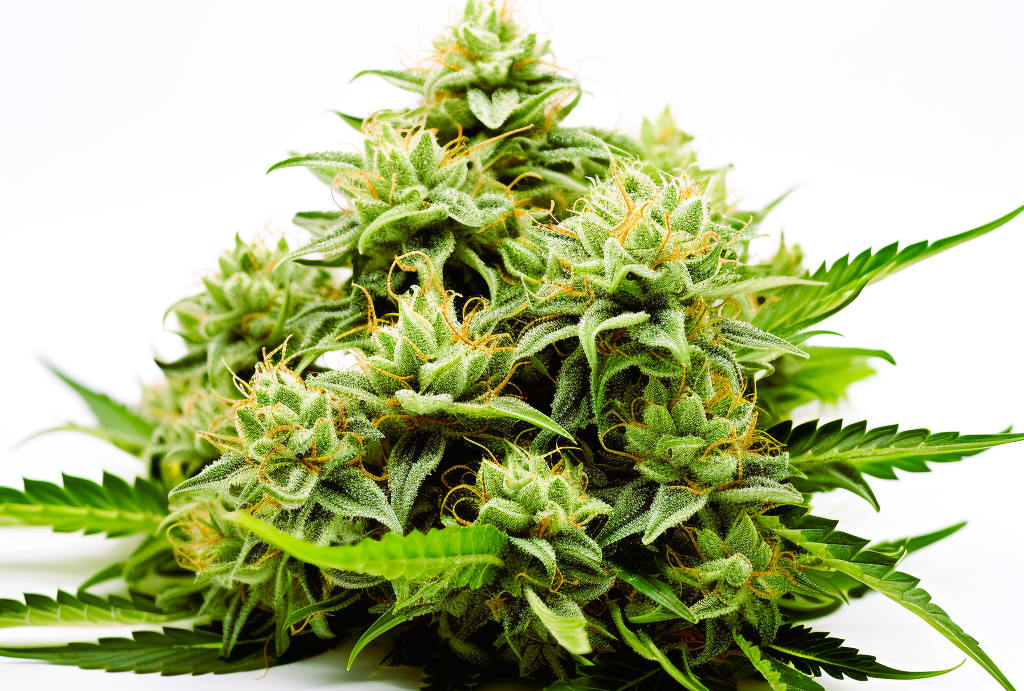
Medical Strain Analysis: Lemon Cream Diesel
In recent years, medical cannabis has emerged as a transformative option for patients seeking relief from various conditions, ranging from chronic pain to neurological disorders. Among the multitude of cannabis strains cultivated specifically for medical use, Lemon Cream Diesel stands out due to its balanced chemical properties, therapeutic potential, and distinctive flavor profile. Known for its nuanced blend of cannabinoids and terpenes, Lemon Cream Diesel offers patients a natural remedy with multifaceted benefits.
This expanded analysis explores the origins, chemical profile, medical benefits, and cultivation requirements of Lemon Cream Diesel, providing an in-depth perspective on why it has become a preferred strain for medical applications.
Origins of Lemon Cream Diesel
The origins of Lemon Cream Diesel trace back to expert crossbreeding of two renowned cannabis strains: Lemon Skunk and Sour Diesel. These parent strains are well-established in the cannabis world for their unique properties and therapeutic contributions.
Parent Strains and Genetic Lineage
- Lemon Skunk: Known for its uplifting effects, Lemon Skunk delivers an invigorating citrus flavor that appeals to both patients and cultivators. Its high limonene content contributes not only to its bright aroma but also to its medical efficacy, particularly in reducing stress and inflammation.
- Sour Diesel: This legendary strain is celebrated for its potent effects and pungent, fuel-like aroma. With high levels of THC and terpenes like caryophyllene and myrcene, Sour Diesel provides energy, focus, and relief from physical discomfort.
The marriage of these two strains results in Lemon Cream Diesel, a hybrid that balances the stimulating effects of Sour Diesel with the calming and uplifting nature of Lemon Skunk. This balance ensures that the strain is neither overly sedative nor excessively energizing, making it suitable for a wide range of medical uses.
Chemical Profile of Lemon Cream Diesel

A cannabis strain’s therapeutic effects are dictated by its chemical makeup, which includes cannabinoids, terpenes, and flavonoids. Lemon Cream Diesel offers a meticulously balanced profile that contributes to its effectiveness for various medical conditions.
Cannabinoid Spectrum
- THC (Tetrahydrocannabinol):
- THC levels in Lemon Cream Diesel range from 15% to 20%, depending on cultivation techniques and environmental conditions.
- Medicinal Properties: THC is known for its analgesic (pain-relieving) properties, appetite stimulation, and antiemetic effects, which can alleviate nausea and vomiting.
- CBD (Cannabidiol):
- While CBD levels are moderate (typically 1% to 3%), its presence tempers the psychoactive effects of THC and adds significant anti-inflammatory and anxiolytic benefits.
- Medicinal Properties: CBD is crucial in reducing inflammation, calming anxiety, and providing neuroprotection.
- Minor Cannabinoids:
- CBG (Cannabigerol): Found in trace amounts, CBG acts as a neuroprotectant and contributes to anti-inflammatory effects.
- CBC (Cannabichromene): Another minor cannabinoid in Lemon Cream Diesel, CBC plays a role in mood regulation and pain relief.
Terpene Profile
Terpenes are aromatic compounds that influence a strain’s aroma, flavor, and medicinal effects. Lemon Cream Diesel’s terpene profile is both diverse and potent:
- Limonene:
- As the dominant terpene, limonene gives Lemon Cream Diesel its signature citrus aroma.
- Medicinal Properties: Limonene has been shown to reduce anxiety, promote a positive mood, and act as an anti-inflammatory agent.
- Myrcene:
- Known for its earthy and musky scent, myrcene provides calming and sedative effects.
- Medicinal Properties: It acts as a muscle relaxant, making it useful for conditions like fibromyalgia and arthritis.
- Caryophyllene:
- With a spicy, peppery aroma, caryophyllene binds to CB2 receptors in the immune system.
- Medicinal Properties: Its anti-inflammatory effects make it effective for treating autoimmune disorders and chronic pain.
- Pinene:
- Present in smaller amounts, pinene offers cognitive benefits by enhancing focus and memory.
- Medicinal Properties: Its anti-inflammatory properties can benefit respiratory conditions.
- Linalool:
- A calming terpene with floral notes, linalool contributes to stress relief and muscle relaxation.
- Medicinal Properties: Useful for conditions such as anxiety, insomnia, and tension-related headaches.
Flavonoids
Lemon Cream Diesel also contains flavonoids like quercetin, kaempferol, and cannflavins, which contribute to its anti-inflammatory and antioxidant properties. These compounds enhance the overall therapeutic potential by working in synergy with cannabinoids and terpenes.
Medical Benefits of Lemon Cream Diesel

The unique chemical composition of Lemon Cream Diesel enables it to address a wide array of medical conditions. Below is an in-depth exploration of its therapeutic applications:
1. Chronic Pain Relief
Chronic pain is one of the most common conditions treated with cannabis, and Lemon Cream Diesel excels in this area. The interaction between THC, CBD, and terpenes like myrcene and caryophyllene creates a robust analgesic effect.
- Conditions Treated:
- Arthritis
- Neuropathy
- Post-surgical pain
- Fibromyalgia
- Mechanism of Action:
THC binds to CB1 receptors in the central nervous system, reducing pain perception. Simultaneously, CBD and caryophyllene reduce inflammation, addressing the underlying cause of pain.
2. Mood Disorders: Anxiety and Depression
Mental health disorders such as anxiety and depression often stem from chemical imbalances in the brain. Lemon Cream Diesel offers a gentle and uplifting effect, primarily due to its limonene content.
- Conditions Treated:
- Generalized Anxiety Disorder (GAD)
- Mild to moderate depression
- Stress-related conditions
- Mechanism of Action:
Limonene elevates serotonin levels, while linalool calms overactive neural pathways, creating a sense of tranquility without sedation.
3. Neurological Disorders
Lemon Cream Diesel provides neuroprotective benefits, making it a valuable option for patients with degenerative conditions. Cannabinoids like CBD, supported by pinene and CBG, help slow the progression of neurological damage.
- Conditions Treated:
- Parkinson’s disease
- Multiple sclerosis
- Epilepsy
- Alzheimer’s disease
- Mechanism of Action:
The strain reduces oxidative stress and inflammation, protecting neurons from damage while improving motor function and cognition.
4. Sleep Aid
Insomnia and other sleep disorders are common among patients experiencing chronic stress or pain. Lemon Cream Diesel’s sedative properties help promote restful sleep.
- Conditions Treated:
- Insomnia
- Sleep apnea
- Restless leg syndrome
- Mechanism of Action:
Myrcene and THC induce relaxation, while linalool promotes deep sleep by calming the nervous system.
5. Appetite Stimulation
Lemon Cream Diesel is a useful appetite stimulant for those with eating issues or those after chemotherapy.
- Conditions Treated:
- Anorexia
- Cachexia
- Chemotherapy-induced nausea
- Mechanism of Action:
THC activates the hypothalamus, increasing appetite signals while reducing nausea through its interaction with serotonin receptors.
6. Immune Support and Anti-Inflammation
Autoimmune diseases often involve overactive immune responses. Lemon Cream Diesel’s anti-inflammatory compounds help regulate these responses.
- Conditions Treated:
- Lupus
- Crohn’s disease
- Psoriasis
- Mechanism of Action:
Caryophyllene modulates immune cell activity, reducing inflammatory cytokines and promoting homeostasis.
Cultivation and Growing Conditions
Growing Lemon Cream Diesel involves careful attention to environmental factors and nutrient management. Its adaptability makes it a viable choice for both indoor and outdoor cultivation.
Climate and Environment
- Preferred Climate:
A Mediterranean-like climate with warm temperatures (70-85°F or 21-29°C) and low humidity is ideal. - Indoor Cultivation:
Controlled environments allow for precise adjustments in temperature, lighting, and humidity. Growers often use hydroponic systems or high-quality soil for better control. - Outdoor Cultivation:
Outdoor growth requires long growing seasons with consistent sunlight. Regions like California are particularly well-suited for cultivating Lemon Cream Diesel outdoors.
Soil and Nutrients
The strain thrives in nutrient-rich, well-draining soil. Organic amendments like compost and bat guano enhance terpene production.
- Key Nutrients:
- High nitrogen during the vegetative stage
- Increased phosphorus and potassium during the flowering stage
Pest and Disease Resistance
While generally hardy, Lemon Cream Diesel is susceptible to pests like spider mites and fungal infections such as powdery mildew. Regular pruning and organic pest control measures (e.g., neem oil) can mitigate these risks.
Flowering Time and Yield
- Flowering Time: 8-10 weeks
- Indoor Yield: 400-500 grams per square meter
- Outdoor Yield: 600-700 grams per plant
Broader Implications in Medical Cannabis
Lemon Cream Diesel exemplifies the evolution of cannabis breeding, where strains are tailored for specific medical applications. As research continues to expand, strains like Lemon Cream Diesel may serve as blueprints for developing even more targeted therapies. Its versatility and balanced effects make it an excellent option for patients seeking relief without overwhelming psychoactivity.
Restrictions on Using Lemon Cream Diesel in the Medical Field: A Last-Resort Option

As medical cannabis becomes increasingly integrated into modern healthcare, there is a growing need to impose stringent restrictions on its use, particularly for strains like Lemon Cream Diesel that contain psychoactive components such as THC. Despite its promising medical benefits, the use of Lemon Cream Diesel in the medical field must be carefully monitored and regulated, emphasizing its application as a last-resort treatment when conventional therapies have failed. Additionally, controlling THC levels in derived medications is critical to minimize the psychoactive effects on patients.
This section outlines the necessary restrictions and guidelines for the medical use of Lemon Cream Diesel, ensuring it remains a safe and ethical option in healthcare.
Use Only as a Last-Resort Treatment
While Lemon Cream Diesel boasts a wide array of therapeutic benefits—such as alleviating chronic pain, anxiety, and sleep disorders—its use in the medical field should be restricted to cases where standard treatments and medications have proven ineffective or insufficient. Cannabis-derived treatments, particularly those involving THC-rich strains like Lemon Cream Diesel, should not replace first-line medications unless backed by substantial medical justification.
Why Restrict to Last-Resort Cases?
- Lack of Standardized Clinical Trials:
Despite growing anecdotal and preliminary evidence, cannabis-based therapies still lack the extensive clinical trials required for widespread medical acceptance. Using Lemon Cream Diesel as a last resort aligns with the principle of medical prudence, ensuring that patients first explore well-documented and approved treatment options. - Potential Psychoactive Side Effects:
High THC levels in Lemon Cream Diesel may induce psychoactive effects, which can complicate treatment in certain patient populations, such as those prone to anxiety, cognitive impairments, or psychiatric conditions. - Risk of Dependence:
Although cannabis is less addictive than opioids or benzodiazepines, the potential for dependence cannot be ignored. Restricting its use to last-resort scenarios helps mitigate this risk.
Example Use Cases
- Chronic Pain Patients: Patients with intractable pain unresponsive to opioids or nonsteroidal anti-inflammatory drugs (NSAIDs) may benefit from Lemon Cream Diesel as a safer alternative to long-term opioid use.
- Neurological Conditions: In conditions like epilepsy or multiple sclerosis, where conventional treatments have failed, Lemon Cream Diesel may serve as an adjunct therapy due to its neuroprotective properties.
Monitoring THC Levels in Medications
One of the most significant concerns regarding the medical use of strains like Lemon Cream Diesel is the potential psychoactive impact of THC. Strict regulation of THC content in medical formulations is essential to ensure therapeutic efficacy while minimizing unwanted cognitive or emotional side effects.
Setting Thresholds for THC in Medical Products
- Low-THC Formulations:
Medical cannabis products derived from Lemon Cream Diesel should prioritize low-THC and high-CBD ratios, as CBD counteracts many of THC’s psychoactive effects. For example, THC levels in medications could be limited to below 5% for general use, with higher concentrations reserved for severe cases under medical supervision. - Microdosing Strategies:
Employing microdosing techniques allows patients to experience symptom relief without significant psychoactive effects. Physicians can begin treatment with minimal doses, gradually increasing only if necessary. - Alternative Delivery Methods:
Utilizing delivery methods like topical applications, transdermal patches, or low-THC extracts can further mitigate the psychoactive risks while still providing localized or systemic relief.
The Role of Healthcare Professionals
Monitoring THC levels is a shared responsibility between healthcare professionals and regulatory agencies. Physicians should:
- Conduct Thorough Assessments: Evaluate a patient’s medical history, psychological state, and risk factors for susceptibility to THC-induced side effects.
- Prescribe Carefully: Specify formulations with controlled THC levels and ensure patients adhere to prescribed dosages.
Safeguards Against Psychoactive Effects
To protect patients and preserve the therapeutic integrity of Lemon Cream Diesel, several safeguards must be put in place:
- Education and Informed Consent:
- Patients must be fully educated about the potential psychoactive effects of THC and any associated risks.
- Informed consent should include clear discussions about alternative therapies, expected outcomes, and possible side effects.
- Close Monitoring During Treatment:
- Regular follow-ups are essential to monitor a patient’s response to treatment and adjust dosages as necessary.
- Healthcare providers should look for signs of adverse effects, including anxiety, confusion, or impaired motor skills.
- Age and Vulnerability Restrictions:
- Restrict use in vulnerable populations, such as children, elderly patients with cognitive decline, or individuals with a history of substance abuse or psychiatric disorders.
- In pediatric cases, ensure extremely low THC concentrations and consider only in life-threatening conditions like treatment-resistant epilepsy.
- Quality Assurance and Labeling:
- Strains like Lemon Cream Diesel must undergo rigorous testing to ensure consistency in THC and CBD levels across batches.
- Proper labeling on all medical cannabis products is critical to provide clear information about potency and dosage.
Regulatory and Ethical Considerations
Regulatory agencies play a critical role in overseeing the medical use of THC-containing cannabis strains like Lemon Cream Diesel. Comprehensive guidelines must be established to ensure responsible use while preventing misuse.
- Mandatory Licensing:
Physicians and dispensaries involved in prescribing or distributing medical cannabis must hold proper licenses, ensuring they meet legal and ethical standards. - Data Collection and Research:
Mandate patient outcome tracking and clinical data collection to further understand the long-term effects and refine best practices for using Lemon Cream Diesel in medicine. - Restrictions on Recreational Use:
To prevent crossover into recreational markets, medical formulations derived from Lemon Cream Diesel must remain clearly differentiated from recreational products.
Balancing Accessibility and Caution
While Lemon Cream Diesel has significant potential in the medical field, its use must be carefully controlled to protect patients from the risks associated with THC. Restricting its use to last-resort scenarios, monitoring THC levels, and implementing rigorous safeguards ensure that it remains a valuable tool for those who truly need it without compromising safety or ethical standards. Through continued research, education, and responsible regulation, Lemon Cream Diesel can fulfill its promise as a therapeutic option without undue risk of misuse or harm.
Conclusion
Lemon Cream Diesel represents a unique and valuable asset in the realm of medical cannabis, offering a broad spectrum of therapeutic benefits. Its carefully balanced chemical profile, comprising cannabinoids like THC and CBD along with a diverse array of terpenes, underscores its potential to address conditions such as chronic pain, neurological disorders, mood imbalances, and appetite loss. However, its application in the medical field requires careful consideration, regulation, and restraint to ensure patient safety and efficacy.
As discussed, Lemon Cream Diesel should be employed as a last-resort treatment, reserved for patients who have exhausted conventional therapies. This approach aligns with ethical medical practices and ensures that cannabis-based treatments are only used when clearly justified. Its psychoactive component, THC, while beneficial for certain conditions, necessitates stringent monitoring to minimize cognitive and emotional side effects. Controlled THC levels, microdosing strategies, and alternative delivery methods like low-THC extracts or topical applications are critical safeguards to optimize its therapeutic potential while reducing risks.
Furthermore, the cultivation and production of Lemon Cream Diesel for medical use must adhere to rigorous quality control standards. Testing for potency and consistency, as well as proper labeling, ensures that healthcare providers and patients are fully informed about the product being utilized. Regulatory oversight, including mandatory licensing and data collection, supports ethical distribution and helps advance clinical understanding of this strain’s long-term effects.
In summary, Lemon Cream Diesel offers hope for patients with challenging medical conditions, but its use demands a balance of accessibility and caution. By adhering to strict medical guidelines, implementing robust monitoring systems, and continuing research into its applications, Lemon Cream Diesel can remain a safe and effective option for patients in need. It stands as a testament to the growing role of cannabis in modern medicine—one that prioritizes responsibility, patient welfare, and scientific rigor.
