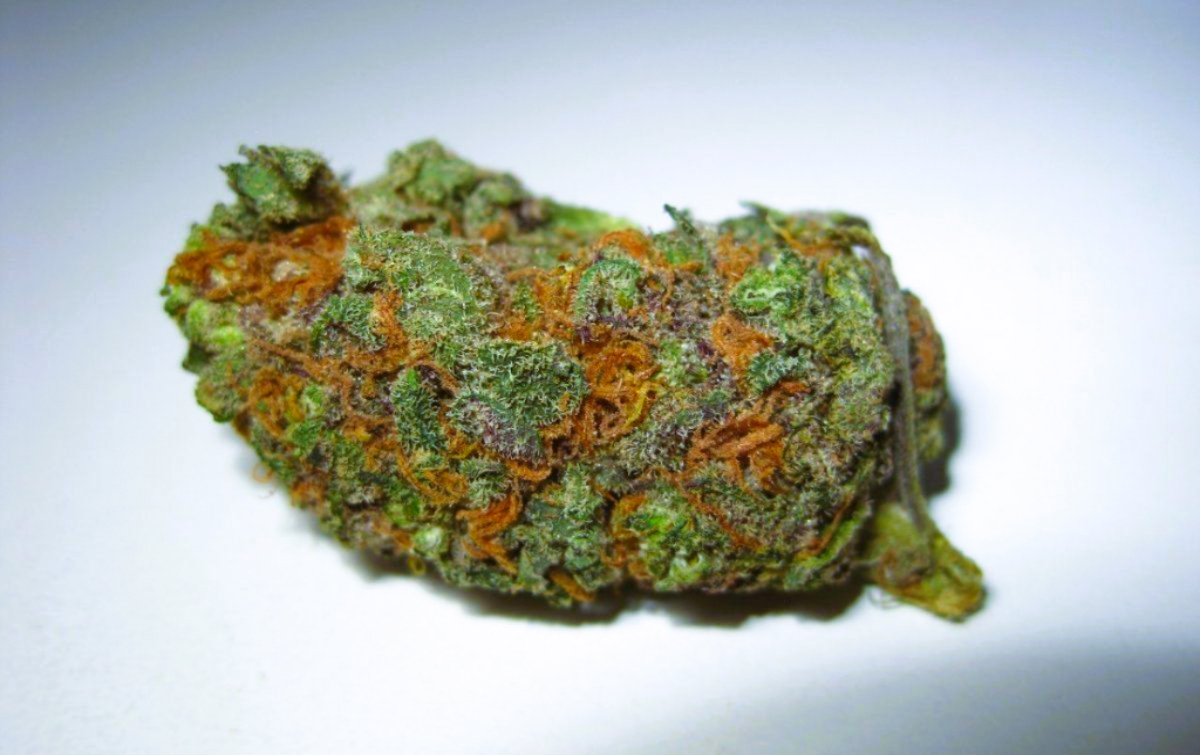
Medical Strain Analysis: Lavender Dream
Lavender Dream is a hybrid cannabis strain that has gained prominence in the medical cannabis community for its unique combination of therapeutic properties, compelling aroma, and intricate chemical profile. A cross between Blue Dream and Lavender Kush, Lavender Dream brings together the calming, sedative traits of Lavender Kush with the uplifting and mentally clarifying attributes of Blue Dream. This blend creates a strain that is not only potent but highly effective for addressing a wide range of medical conditions. This in-depth analysis examines the origins, chemical composition, medical benefits, and optimal growing conditions for Lavender Dream, offering insight into why this strain is such a valuable asset in therapeutic contexts.
Origins of Lavender Dream
Lavender Dream is the result of meticulous breeding practices designed to combine two legendary strains, each well-known for its unique effects and medicinal potential. Blue Dream, a sativa-dominant hybrid, contributes a sense of mental clarity, focus, and subtle euphoria, while Lavender Kush, an indica-dominant strain, offers deep relaxation and relief from physical discomfort. By blending these two genetic lineages, cultivators have created a strain that balances the mental stimulation of a sativa with the physical soothing of an indica, making it highly versatile for medical use.
The origins of Blue Dream trace back to California, where it was developed as a cross between Blueberry and Haze. Blue Dream is renowned for its moderate THC content, high CBD levels, and its ability to promote focus without inducing overwhelming psychoactive effects. Lavender Kush, on the other hand, is an indica strain with a strong lineage stemming from Afghani, Hawaiian, and Korean genetics. Known for its deep purple buds and floral aroma, Lavender Kush has long been a favorite for treating conditions like anxiety and insomnia.
Lavender Dream represents the intersection of these two iconic strains. By combining Blue Dream’s gentle cerebral effects with Lavender Kush’s potent physical relaxation, breeders have crafted a strain that offers a multifaceted approach to managing both mental and physical ailments. Though its exact origins and breeder details remain somewhat obscure, its genetic makeup and consistent medical efficacy have cemented Lavender Dream’s place in therapeutic cannabis circles.
Chemical Profile of Lavender Dream

The therapeutic efficacy of Lavender Dream lies in its intricate chemical profile, which includes cannabinoids, terpenes, and flavonoids working in concert to provide relief from a variety of symptoms. The interaction between these compounds, often referred to as the “entourage effect,” enhances the strain’s ability to target specific medical conditions effectively.
Cannabinoid Content
- THC (Tetrahydrocannabinol): Lavender Dream typically contains moderate THC levels, ranging from 15% to 20%. This concentration allows it to deliver therapeutic benefits without overwhelming psychoactivity, making it suitable for patients with low THC tolerance or those new to cannabis-based treatments.
- CBD (Cannabidiol): While Lavender Dream is not typically high in CBD, its balanced cannabinoid profile includes enough CBD to contribute to its anti-inflammatory, analgesic, and anxiolytic properties. CBD also moderates the psychoactive effects of THC, making the strain more tolerable for medical use.
- CBG (Cannabigerol): Lavender Dream often contains trace amounts of CBG, a cannabinoid known for its neuroprotective and anti-inflammatory properties. CBG is also being studied for its potential in managing glaucoma and certain types of bacterial infections.
Terpene Profile Lavender Dream is rich in terpenes, aromatic compounds that not only influence the strain’s scent and flavor but also play a significant role in its medical applications. The primary terpenes in Lavender Dream include:
- Linalool: As its name suggests, Lavender Dream is characterized by a strong lavender aroma, largely due to its high linalool content. Linalool is a terpene associated with anti-anxiety, sedative, and anti-inflammatory effects. It is particularly effective in reducing stress and promoting sleep, making it valuable for conditions like insomnia and generalized anxiety disorder.
- Myrcene: This terpene contributes to Lavender Dream’s deeply relaxing effects. Myrcene is known for its muscle-relaxant and analgesic properties, making it ideal for managing chronic pain, muscle spasms, and fibromyalgia.
- Pinene: A secondary terpene found in Lavender Dream, pinene is associated with improved cognitive function and respiratory health. It can help counteract THC-induced memory impairment and may assist with asthma symptoms due to its bronchodilatory properties.
- Caryophyllene: This terpene has anti-inflammatory and analgesic effects and interacts with the endocannabinoid system directly, making it a unique addition to the strain’s profile. Caryophyllene is especially useful for treating inflammatory conditions such as arthritis and Crohn’s disease.
- Humulene: Known for its appetite-suppressing effects, humulene also offers anti-inflammatory benefits, which add to Lavender Dream’s potential as a treatment for conditions involving chronic inflammation.
Flavonoid Content While less studied than cannabinoids and terpenes, flavonoids also contribute to the strain’s therapeutic profile. Flavonoids like quercetin and cannflavins A and B have antioxidant and anti-inflammatory properties that enhance the overall medicinal value of Lavender Dream.
Medical Benefits of Lavender Dream

Lavender Dream’s balanced effects and rich chemical composition make it highly effective for treating a range of medical conditions, from mental health disorders to chronic physical ailments. Its synergistic interaction of cannabinoids and terpenes allows for targeted relief with minimal side effects, positioning it as a go-to option for patients seeking a natural alternative to pharmaceuticals.
1. Management of Anxiety and Stress Lavender Dream’s high linalool content, combined with moderate levels of THC and CBD, provides powerful anxiolytic effects. Patients with generalized anxiety disorder, social anxiety disorder, or PTSD may find relief in the calming effects of this strain. Unlike many high-THC strains that can exacerbate anxiety in some individuals, Lavender Dream’s balanced profile reduces the likelihood of such adverse effects, creating a sense of relaxation without sedation.
2. Insomnia Relief One of the standout features of Lavender Dream is its ability to promote restful sleep. The combination of linalool and myrcene induces a sedative effect, helping patients fall asleep faster and stay asleep longer. This makes it particularly useful for individuals with chronic insomnia or sleep disturbances caused by conditions such as restless leg syndrome or chronic pain.
3. Pain Management Lavender Dream’s analgesic properties are attributed to its myrcene and caryophyllene content, which work together to reduce pain and inflammation. It is an effective option for managing both acute and chronic pain conditions, including arthritis, migraines, neuropathy, and fibromyalgia. Its gentle psychoactivity also provides a distraction from discomfort without impairing daily functioning.
4. Treatment of Depression The uplifting effects of Blue Dream’s genetics shine through in Lavender Dream, offering mild euphoria and mental clarity that can help alleviate symptoms of depression. The strain’s ability to reduce negative thought patterns while promoting a sense of calm and positivity makes it a valuable tool for individuals with mood disorders.
5. Anti-Inflammatory Benefits Conditions involving inflammation, such as Crohn’s disease, ulcerative colitis, and rheumatoid arthritis, can be managed effectively with Lavender Dream. Its blend of cannabinoids and terpenes reduces inflammation and associated pain, improving overall quality of life for patients with these chronic conditions.
6. Muscle Relaxation and Spasm Relief The high levels of myrcene and caryophyllene in Lavender Dream contribute to its ability to relieve muscle tension and spasms. This makes it an excellent option for individuals with conditions like multiple sclerosis, Parkinson’s disease, or sports injuries.
7. Neurological Disorders Lavender Dream shows promise in managing neurological disorders such as epilepsy and multiple sclerosis. Its balanced THC and CBD content can help reduce seizure frequency and severity while providing neuroprotective benefits.
8. Appetite Stimulation Though not as pronounced as in some other strains, Lavender Dream can stimulate appetite in patients dealing with conditions like cancer or HIV/AIDS, where loss of appetite is a common side effect of treatment.
9. Immune Support The anti-inflammatory and antioxidant properties of the terpenes and flavonoids in Lavender Dream may help support immune function, particularly for patients with autoimmune disorders or chronic inflammatory diseases.
Growing Conditions for Lavender Dream

Cultivating Lavender Dream requires attention to detail to ensure optimal yield and potency. This strain is moderately challenging to grow, making it more suitable for intermediate to experienced cultivators. Its genetic lineage means it can thrive in both indoor and outdoor environments, though certain conditions are required to bring out its full potential.
Climate Lavender Dream prefers a warm, Mediterranean-like climate with temperatures between 70-85°F (21-29°C). While it can tolerate slight fluctuations, prolonged exposure to cold or excessively humid conditions may impact plant health and yield. Outdoor growers should aim to harvest before the first frost to prevent damage.
Lighting For indoor cultivation, Lavender Dream benefits from a high-intensity light setup to mimic the long, sunny days of its natural environment. LED or HPS lights are recommended to maximize growth and resin production.
Airflow and Humidity Sustaining appropriate humidity levels is essential. During the vegetative stage, keep humidity between 55-65%, and reduce it to 40-50% during the flowering stage to prevent mold and mildew. Proper ventilation is essential, particularly for indoor grows, to regulate temperature and humidity.
Soil and Nutrients Lavender Dream thrives in nutrient-rich, well-draining soil with a slightly acidic pH level of 6.0-6.5. Organic nutrients, such as compost tea or fish emulsion, can enhance terpene production and overall plant health. During the flowering stage, emphasize phosphorus and potassium to support bud development.
Flowering Time and Yield Lavender Dream typically has a flowering time of 8-10 weeks. While outdoor farmers may attain up to 18 ounces per plant under ideal circumstances, indoor gardeners should anticipate yields of 14–16 ounces per square meter.
Training Techniques To maximize yield, growers can employ training techniques such as topping, low-stress training (LST), or the Screen of Green (ScrOG) method. These techniques encourage even light distribution and promote the development of secondary bud sites.
Pest and Disease Resistance Lavender Dream is moderately resistant to pests and diseases, though growers should remain vigilant for common issues such as spider mites, aphids, and powdery mildew. Regular inspection and preventive measures, such as neem oil or predatory insects, can help maintain plant health.
Restrictions on Using Lavender Dream in the Medical Field and as a Last Resort
The use of Lavender Dream as a medical cannabis strain is subject to several restrictions and guidelines, particularly in clinical and therapeutic settings. These restrictions are put in place to ensure patient safety, mitigate potential risks associated with cannabis use, and limit its application to cases where other conventional treatments have failed. Lavender Dream, like other cannabis-based therapies, is often designated as a last-resort treatment for patients who do not respond adequately to traditional pharmaceuticals. This section explores the restrictions on its medical use, with a particular emphasis on monitoring THC levels to prevent psychoactive side effects and to preserve its therapeutic intent.
Designating Lavender Dream as a Last-Resort Treatment
Lavender Dream is not typically considered a first-line treatment in the medical field. Healthcare providers are generally required to exhaust other treatment options before prescribing or recommending cannabis-based therapies. This restriction is particularly relevant in jurisdictions where cannabis remains classified as a controlled substance, even for medical purposes.
The rationale for using Lavender Dream as a last resort is based on the potential risks and lack of universal acceptance in medical practice. Although the strain offers significant therapeutic benefits, such as relief from chronic pain, inflammation, and anxiety, it also contains THC, which can produce psychoactive effects. Many patients, especially those with no prior exposure to cannabis, may be sensitive to THC, necessitating careful evaluation of their suitability for treatment.
For example, Lavender Dream may be considered for patients with chronic pain conditions like fibromyalgia or neuropathy who do not respond to opioids or anti-inflammatory drugs. Similarly, it may be used for patients with severe anxiety or post-traumatic stress disorder (PTSD) who have not achieved relief through standard therapies such as selective serotonin reuptake inhibitors (SSRIs) or cognitive behavioral therapy (CBT). In every situation, a careful evaluation of the patient’s medical background, present state of health, and desired course of therapy should inform the choice to take Lavender Dream.
Monitoring THC Levels to Prevent Psychoactive Effects
A critical aspect of using Lavender Dream in the medical field is the stringent monitoring of its THC content to avoid unwanted psychoactive effects on patients. While the strain typically contains moderate THC levels (15-20%), even these amounts can induce psychoactivity in some individuals, which could interfere with their daily activities, cognitive function, and overall quality of life.
To mitigate these risks, healthcare providers and manufacturers of cannabis-based medications often employ the following strategies:
- Standardized Formulations: Lavender Dream is formulated into standardized medical products, such as tinctures, capsules, or oils, with carefully controlled THC-to-CBD ratios. These formulations can ensure that the THC content remains within therapeutic ranges while minimizing psychoactive effects. For example, combining THC with CBD, which has been shown to counteract THC-induced psychoactivity, creates a balanced medication suitable for medical use.
- Microdosing: Patients are typically started on very low doses of Lavender Dream, gradually titrated upward until the desired therapeutic effect is achieved without inducing psychoactive sensations. Microdosing allows physicians to monitor the patient’s response to THC and adjust the dosage as needed.
- Patient Monitoring and Compliance: Patients prescribed Lavender Dream-based treatments are closely monitored for adverse reactions, including dizziness, confusion, or anxiety exacerbation. Monitoring also ensures compliance with prescribed dosages and reduces the likelihood of misuse.
- Education and Informed Consent: Physicians must educate patients about the potential risks and benefits of using Lavender Dream, particularly its psychoactive properties. Informed consent is essential to ensure that patients are aware of how THC may affect them and to establish clear expectations for treatment outcomes.
Conclusion
Lavender Dream stands out as a unique and valuable strain in the medical cannabis field, offering a balance of therapeutic effects for both mental and physical ailments. As a hybrid derived from Blue Dream and Lavender Kush, it combines the uplifting, focus-enhancing qualities of a sativa with the deeply relaxing, pain-relieving traits of an indica. Its intricate chemical profile, characterized by moderate THC levels, notable CBD content, and a terpene blend rich in linalool, myrcene, and caryophyllene, gives it the ability to address conditions like anxiety, insomnia, chronic pain, inflammation, and depression. The strain’s multifaceted therapeutic potential makes it an appealing option for medical cannabis patients, especially those seeking natural alternatives to conventional pharmaceuticals.
However, the use of Lavender Dream in the medical field must be approached with caution and careful oversight. Its moderate THC levels, while providing benefits, have the potential to induce psychoactive effects, which can impact patients’ cognitive functions and daily activities. To ensure safe and effective use, Lavender Dream is generally reserved as a last-resort treatment, prescribed only after other conventional options have been exhausted. Physicians play a crucial role in monitoring THC levels, customizing formulations, and educating patients on the proper use of cannabis-based treatments to mitigate risks while maximizing benefits. Standardized formulations and microdosing protocols further enhance its safety profile, ensuring that the therapeutic effects outweigh any potential side effects.
Additionally, cultivating Lavender Dream requires specific conditions to optimize its medical properties, including controlled lighting, humidity, and nutrient levels. The strain’s moderate growing difficulty underscores the importance of precision in its cultivation, particularly to enhance its chemical composition for medical use.
By adhering to strict guidelines for cultivation, formulation, and administration, Lavender Dream can be effectively harnessed as a powerful tool in modern medicine, offering relief to patients with debilitating conditions while minimizing risks associated with cannabis use.
