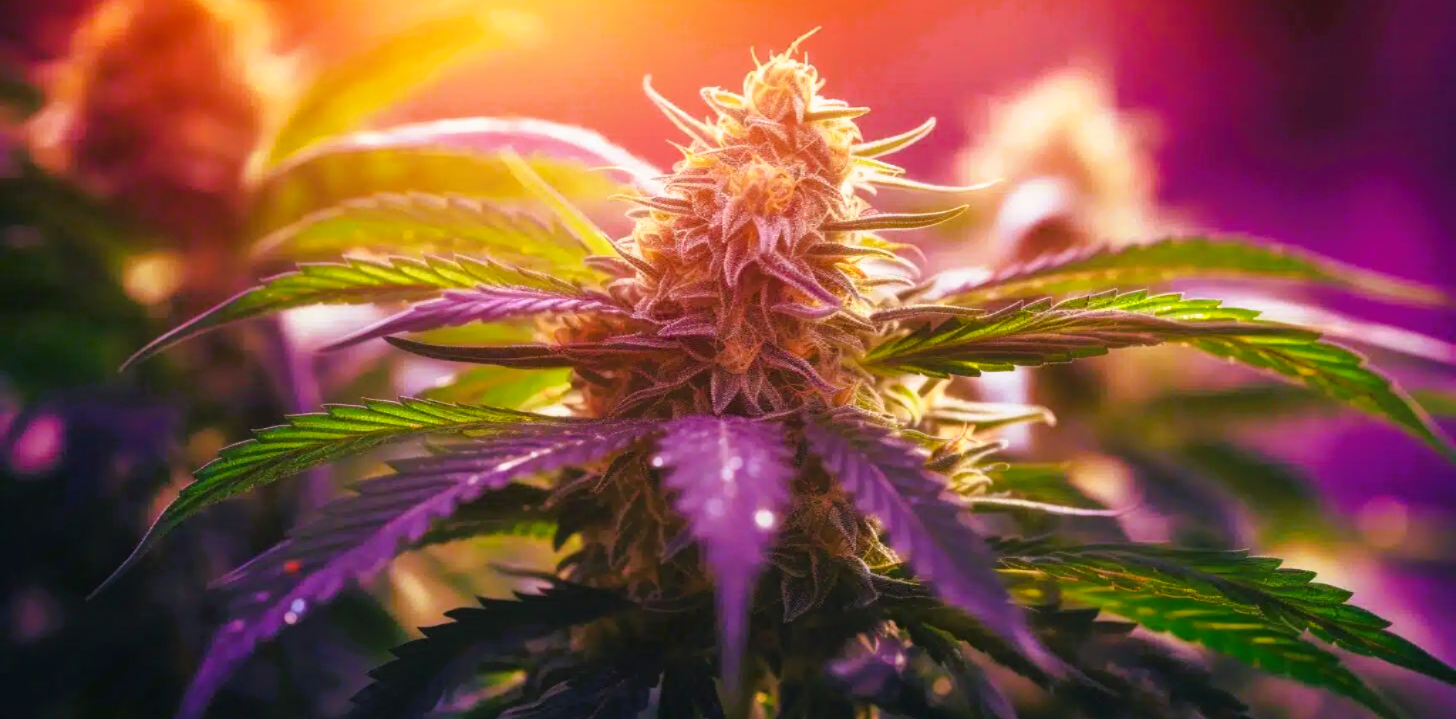
Comprehensive Medical Analysis of LA Confidential Cannabis Strain
-
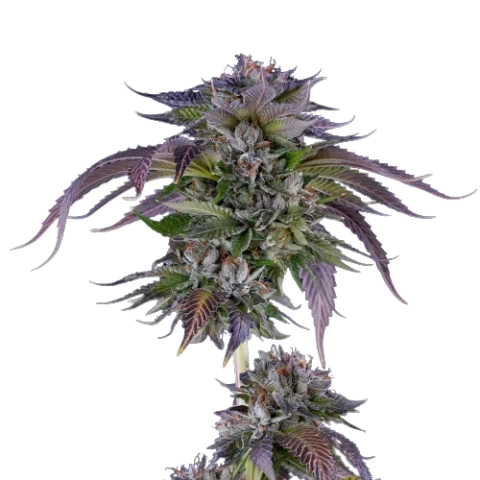 LA Confidential Cannabis SeedsFrom: $24.99
Origins and Genetic Background of LA Confidential
LA Confidential is a prominent Indica-dominant cannabis strain that has gained recognition in the medical cannabis community for its potent and consistent effects, particularly for therapeutic applications. Bred by DNA Genetics, a renowned name in cannabis breeding, LA Confidential has become a reliable choice for patients seeking symptom relief. The strain was initially created as a cross between OG LA Affie and Afghani, two strains known for their high resin production, resilience, and profound relaxation-inducing qualities.
- Afghani is a pure Indica strain originating from the mountainous regions of Afghanistan, known for its hardiness and dense, resin-rich buds. Its genetics impart strong analgesic and sedative qualities, ideal for combating pain, stress, and sleep-related issues. Afghani genetics are also famed for contributing resilience to the resulting hybrids, giving them a natural resistance to mold, pests, and environmental stressors.
- OG LA Affie is a Californian strain with a distinctive aroma and flavor profile. This strain complements the physical relaxation of Afghani with an added layer of mental calm, making LA Confidential particularly beneficial for anxiety and sleep disorders. OG LA Affie contributes to LA Confidential’s moderate growth height and dense, resin-coated buds, ideal for both indoor and outdoor cultivation.
The resulting hybrid, LA Confidential, has a strong Indica dominance, typically displaying 90% Indica genetics and 10% Sativa. This genetic makeup gives it deeply calming effects that are popular in medical use. Its stability, resilience, and therapeutic profile have won it multiple awards and accolades, reinforcing its status as a highly regarded medical strain.
Chemical Profile: Cannabinoids and Terpenes

LA Confidential’s medical potential is primarily derived from its balanced mix of cannabinoids, terpenes, and other bioactive compounds. This strain’s chemical composition includes significant levels of THC, moderate levels of other cannabinoids, and a rich terpene profile that enhances its therapeutic properties.
- THC Content: LA Confidential typically has THC levels ranging from 19% to 25%. In medical applications, THC is well-documented for its efficacy in pain relief, inflammation reduction, and muscle relaxation. While some patients may find this THC concentration potent, its sedative properties are ideal for conditions involving severe pain and stress. The high THC content of LA Confidential is responsible for its deeply relaxing and analgesic effects, making it a popular choice for patients with chronic pain and sleep disorders.
- CBD Content: This strain is generally low in CBD, with levels under 1%. While CBD’s role in reducing inflammation and anxiety is valuable, LA Confidential’s terpene and high THC content compensate for its low CBD levels, creating a robust profile suited for several therapeutic uses.
- Terpene Profile: Terpenes are aromatic compounds that contribute to both the scent and therapeutic effects of cannabis. In LA Confidential, the primary terpenes include:
- Myrcene: Known for its calming, sedative effects, myrcene is often associated with relaxation and pain relief. This terpene is also thought to enhance THC’s effects, making LA Confidential particularly potent in combating muscle tension and promoting restful sleep.
- Limonene: This terpene has an uplifting, mood-enhancing effect and is often linked to stress reduction. Limonene’s citrus scent is refreshing and has been associated with anti-anxiety and anti-depressive properties, offering valuable relief for those with mood disorders.
- Caryophyllene: Caryophyllene has unique properties among terpenes because it also acts on cannabinoid receptors, providing additional anti-inflammatory and analgesic effects. This makes it especially useful for patients experiencing chronic pain or inflammation-based conditions.
- Pinene: Pinene, known for its pine-like aroma, provides bronchodilating properties that may help alleviate respiratory issues. Additionally, it can promote mental clarity, which is beneficial for patients needing relaxation without cognitive impairment.
The combination of these cannabinoids and terpenes creates an “entourage effect,” where the compounds work synergistically to enhance LA Confidential’s therapeutic effects. This specific chemical makeup makes the strain highly versatile, addressing a variety of symptoms with fewer side effects than synthetic medications.
Medical Benefits of LA Confidential
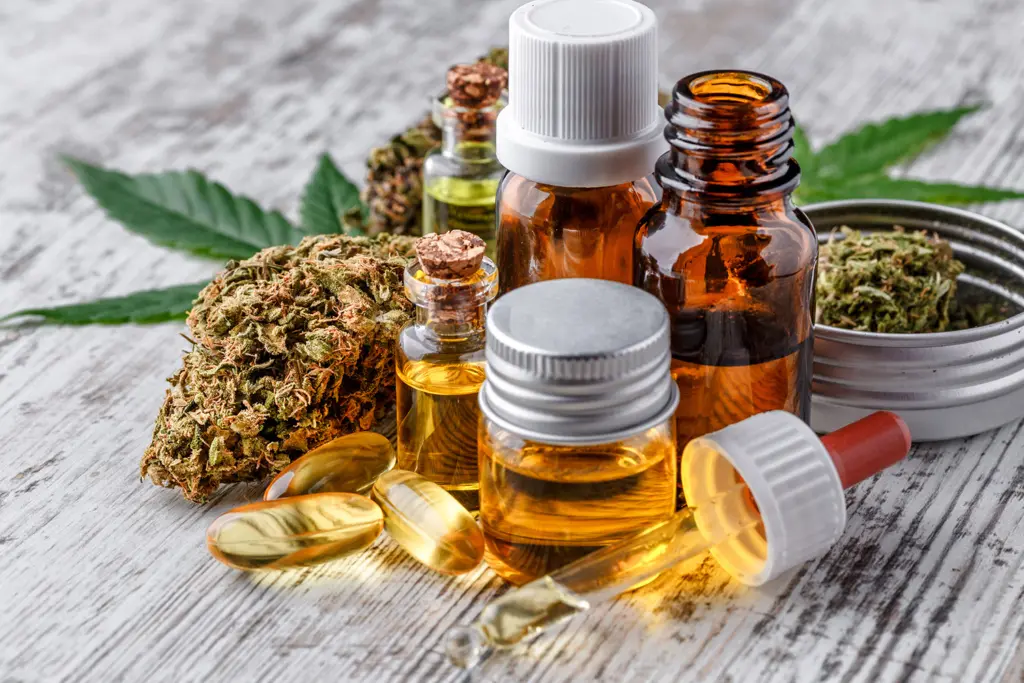
The therapeutic potential of LA Confidential is broad, addressing symptoms that affect the body and mind. Here’s a detailed look at the primary medical benefits of this strain:
- Pain Relief:
- Mechanism: The high THC content combined with myrcene and caryophyllene gives LA Confidential strong analgesic properties. THC activates the endocannabinoid system’s CB1 receptors, which play a role in pain modulation. Additionally, caryophyllene directly interacts with CB2 receptors, known to reduce inflammation, amplifying the pain-relieving effect.
- Conditions Treated: Patients with chronic pain conditions like arthritis, fibromyalgia, multiple sclerosis, and sciatica often find significant relief with LA Confidential. This strain is particularly effective for managing pain that is resistant to standard pain medications.
- Anti-Inflammatory Properties:
- Mechanism: Caryophyllene’s interaction with the CB2 receptor provides significant anti-inflammatory benefits, reducing inflammatory cytokines. Myrcene further assists by relaxing muscles and reducing stress-related inflammation.
- Conditions Treated: For autoimmune disorders where inflammation is a major factor, like Crohn’s disease, irritable bowel syndrome (IBS), and others, LA Confidential is helpful.
- Anxiety and Stress Relief:
- Mechanism: Limonene and myrcene in LA Confidential work together to reduce symptoms of anxiety. Limonene elevates mood and reduces cortisol levels, which may help patients struggling with chronic stress. Myrcene, with its calming effects, alleviates tension and promotes a sense of tranquility.
- Conditions Treated: Patients dealing with generalized anxiety disorder (GAD), post-traumatic stress disorder (PTSD), and high-stress levels often experience noticeable relief. LA Confidential is particularly valuable for individuals who need help managing panic attacks or acute anxiety episodes.
- Insomnia and Sleep Disorders:
- Mechanism: The sedative effects of LA Confidential are primarily attributed to high myrcene levels and THC’s ability to slow down mental processes, promoting drowsiness. Myrcene’s sedative quality is further enhanced by the strain’s Indica properties.
- Conditions Treated: Patients with insomnia, sleep apnea, and restless leg syndrome may benefit from using LA Confidential before bed, as it encourages deep, restorative sleep and reduces nighttime awakenings.
- Muscle Relaxant:
- Mechanism: Myrcene’s muscle relaxant properties, combined with the strain’s THC content, help reduce muscle contractions and pain. This is ideal for managing conditions where involuntary muscle spasms are an issue.
- Conditions Treated: Medical patients with multiple sclerosis (MS), Parkinson’s disease, or chronic muscle tension may find substantial relief from muscle-related discomfort, including cramps and spasms.
- Appetite Stimulation:
- Mechanism: THC’s interaction with the endocannabinoid system is known to stimulate appetite. For patients dealing with weight loss or wasting syndrome, LA Confidential helps increase hunger and caloric intake.
- Conditions Treated: Cancer patients undergoing chemotherapy, individuals with HIV/AIDS, and patients with anorexia can benefit from LA Confidential’s appetite-stimulating effects.
- Nausea Relief:
- Mechanism: The antiemetic (anti-nausea) properties of THC are valuable for managing nausea symptoms, particularly those caused by chemotherapy.
- Conditions Treated: Patients undergoing cancer treatment, those with gastrointestinal conditions, or anyone experiencing nausea from medication side effects may find relief with this strain.
- Migraine and Headache Relief:
- Mechanism: LA Confidential’s high THC content and anti-inflammatory terpenes help reduce the intensity of migraines. The analgesic properties address the pain, while the anti-inflammatory action targets the underlying inflammation.
- Conditions Treated: Individuals suffering from chronic migraines, cluster headaches, and tension headaches may find this strain effective in reducing both pain frequency and severity.
Growing Conditions for LA Confidential
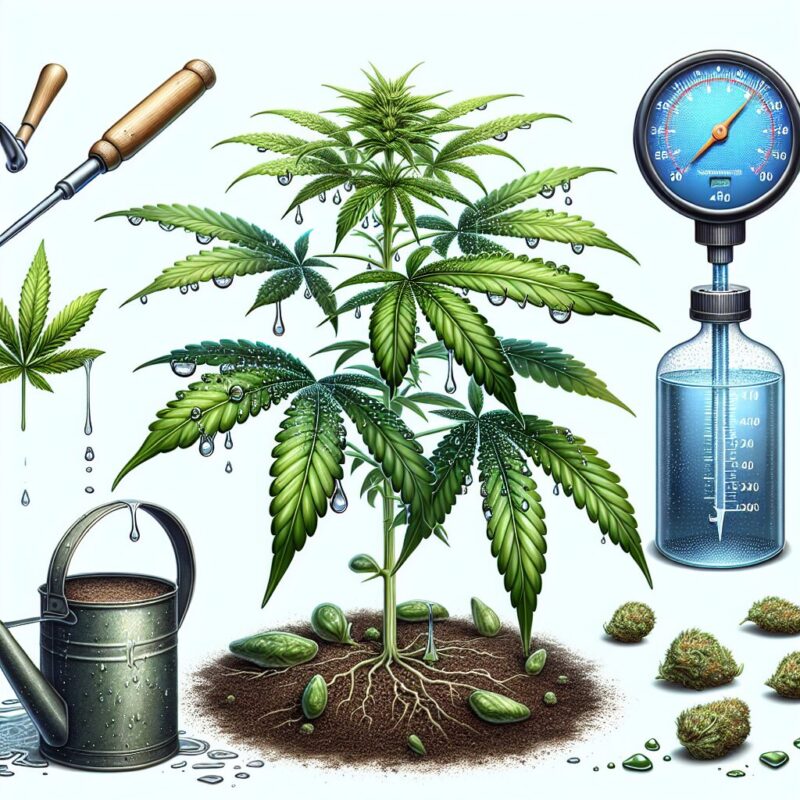
Cultivating LA Confidential requires some expertise, as it has specific needs for optimal growth and quality yields. Understanding its preferred growing conditions can help ensure a successful harvest.
- Climate Requirements:
- Optimal Conditions: LA Confidential thrives in a Mediterranean-like climate, with daytime temperatures between 68°F to 80°F (20°C to 27°C). Lower humidity levels are beneficial to the strain since they inhibit the growth of mold, especially during the flowering period.
- Humidity: During the vegetative stage, a relative humidity (RH) of 50-60% is acceptable, while in the flowering stage, humidity should be reduced to 40-50% to protect the dense buds from mold.
- Indoor vs. Outdoor Cultivation:
- Indoor Growing: Indoor cultivation allows greater control over environmental variables, making it the preferred method for many growers. LA Confidential does well in soil or hydroponic setups, with controlled light cycles using high-intensity discharge (HID) or LED lights. Indoor cultivation allows growers to maintain the precise temperature and humidity needed for maximum resin production and terpene retention.
- Outdoor Growing: Outdoors, LA Confidential benefits from full sun exposure and a warm climate. This strain’s natural mold resistance, inherited from its Afghani lineage, helps it withstand minor environmental fluctuations, but excessive humidity should still be avoided.
- Nutrient Requirements:
- Vegetative Stage: During this stage, a nutrient mix with high nitrogen and balanced phosphorus and potassium is recommended to encourage vigorous foliage growth.
- Flowering Stage: As the plant shifts to flowering, nitrogen should be reduced, and potassium and phosphorus should be increased to support bud formation. Additionally, calcium and magnesium supplementation is essential throughout the growth cycle to prevent nutrient deficiencies.
- Flowering Time:
- Indoors: LA Confidential has a flowering period of approximately 7-8 weeks, making it relatively quick for an Indica-dominant strain. This shorter cycle appeals to growers seeking fast harvests for consistent medical supply.
- Outdoors: When grown outdoors, LA Confidential is typically ready for harvest in mid-to-late October, depending on climate conditions.
- Yield:
- Indoor Yield: LA Confidential produces an average indoor yield of 14 ounces per square meter, with dense, trichome-rich buds.
- Outdoor Yield: Outdoor yields are slightly higher, averaging 16 ounces per plant under optimal conditions, given sufficient light and nutrients.
- Pest and Mold Resistance:
- Thanks to its Afghani genetics, LA Confidential has a natural resistance to many common pests and molds, although preventative measures are still recommended. Regular pruning and maintaining proper airflow help mitigate mold risks, especially in humid climates.
- Training Techniques:
- Topping: This technique involves cutting the top growth to encourage lateral branching, promoting a bushier plant with increased bud sites.
- Low-Stress Training (LST): LST helps improve light penetration and airflow throughout the canopy, which is beneficial for dense, compact strains like LA Confidential.
Therapeutic Significance of LA Confidential
In conclusion, LA Confidential is a reliable and potent medical cannabis strain with numerous therapeutic benefits. Its unique blend of cannabinoids and terpenes, along with its strong Indica genetics, makes it effective for managing chronic pain, anxiety, inflammation, sleep disorders, and more. Its cultivation requirements, while moderately challenging, are well-suited for both indoor and outdoor settings.
As medical cannabis continues to gain acceptance, strains like LA Confidential demonstrate the potential of plant-based medicine to provide symptom relief for patients seeking natural alternatives to pharmaceuticals. Its stability, efficacy, and consistent effects make LA Confidential a go-to choice within the medical cannabis community.
Restricting Cannabis Use in the Medical Field: A Last Resort and Controlled Application
As cannabis increasingly gains acceptance within the medical field, the need for responsible, restricted use has become paramount, particularly due to concerns about its psychoactive properties. For patients who may benefit from the therapeutic effects of cannabis, establishing strict guidelines is essential to ensure it is used safely, exclusively for medical purposes, and only when other treatment options have proven inadequate. Restricting cannabis to last-resort medical use and carefully monitoring THC levels in medications are two key approaches to mitigate risks and maximize patient safety.
Medical Cannabis as a Last-Resort Treatment
To ensure cannabis is used responsibly, many medical systems and health organizations advocate for its application solely as a last-resort option. In this context, cannabis-based treatments are considered only after patients have tried and failed to achieve relief with conventional medications. This “last-resort” approach is especially important for conditions where cannabis’s therapeutic effects have been shown to provide significant benefits, such as chronic pain, treatment-resistant epilepsy, and severe nausea in cancer patients undergoing chemotherapy. The rationale behind this restriction is to protect patients from potential side effects, especially if less potent and more extensively researched options are available.
Restricting cannabis as a last-line treatment also aligns with medical principles that prioritize the least invasive or least potentially harmful treatments first. It ensures that patients receive the most widely accepted and studied forms of care before turning to cannabis, which remains a subject of active research and regulatory development in many parts of the world. This conservative approach minimizes the potential for dependency or psychological side effects, particularly in patients who might otherwise be exposed to the psychoactive effects of cannabis when less potent treatments are available.
Monitoring THC Levels to Prevent Psychoactive Effects
Cannabis contains numerous cannabinoids, of which tetrahydrocannabinol (THC) is the primary psychoactive compound responsible for the “high” sensation. In medical cannabis use, minimizing the psychoactive impact of THC is crucial, especially for patients who need consistent cognitive function for daily activities or those sensitive to THC’s effects. As such, strict monitoring and regulation of THC levels in medical cannabis formulations are essential steps to control its psychoactivity.
To prevent unintended psychoactive effects, many medical cannabis products are formulated with very low levels of THC, or they contain a higher ratio of cannabidiol (CBD) to THC. CBD is a non-psychoactive cannabinoid that is also recognized for its therapeutic properties, including anti-inflammatory, analgesic, and anti-anxiety effects. Importantly, CBD has been shown to counteract some of THC’s psychoactive effects, providing a balanced therapeutic profile. Medical products with a high CBD-to-THC ratio are increasingly favored in formulations designed to reduce pain, anxiety, or inflammation without impairing mental clarity.
Regulatory measures play a key role in controlling THC content in medical cannabis products. In many regions, medical cannabis products are legally required to display precise THC and CBD concentrations on their labels. Healthcare providers also have a responsibility to monitor patient reactions, particularly for new cannabis users or those with conditions sensitive to psychoactive compounds, such as mental health disorders. By choosing products with carefully regulated THC levels, providers can tailor cannabis treatment to individual needs, reducing the risk of adverse psychoactive effects and ensuring safe therapeutic use.
Monitoring and Evaluation: Ensuring Safe Patient Outcomes
When using cannabis as a medical treatment, continuous monitoring of patient outcomes is necessary to assess both its efficacy and potential side effects. Healthcare providers are encouraged to establish protocols that track patient responses, adjusting dosages or formulations as needed to maximize benefits while minimizing risks. Monitoring can include regular assessments of cognitive function, mood, and physical well-being to ensure that the patient’s therapeutic needs are met without compromising their mental clarity or daily functionality.
Restricting cannabis use in medicine to last-resort cases and applying strict THC monitoring allows the medical field to harness the therapeutic potential of cannabis in a responsible and controlled way. Such an approach respects patient safety, mitigates psychoactive risks, and ensures that cannabis remains a valuable, yet appropriately regulated, tool in modern healthcare.
Conclusion
The integration of cannabis into the medical field presents both promising therapeutic potential and significant responsibilities. To ensure safe and effective use, it is essential to adopt a cautious, controlled approach. Limiting cannabis applications to last-resort scenarios respects the importance of conventional, well-researched treatments as the primary options for most conditions. Only when these treatments prove inadequate should cannabis be introduced as a therapeutic alternative, specifically for severe conditions like chronic pain, treatment-resistant epilepsy, or chemotherapy-induced nausea where its benefits have been well-documented.
Carefully monitoring THC levels in medical cannabis products is equally critical to prevent psychoactive effects that could impair a patient’s cognitive function and daily life. By favoring formulations with low THC or high CBD-to-THC ratios, healthcare providers can ensure that patients receive symptom relief without unwanted side effects. Additionally, regulatory measures requiring transparency in cannabinoid content on product labels further empower patients and providers to make informed decisions about their treatment.
The ongoing assessment of patient outcomes under cannabis treatment is the final, essential step in responsible medical cannabis use. Through regular monitoring and dosage adjustments, healthcare providers can maximize therapeutic efficacy while minimizing any risks associated with psychoactivity or dependency.
In conclusion, using cannabis as a last-resort treatment, in carefully regulated doses, allows the medical field to responsibly utilize its unique properties. This structured approach ensures cannabis remains a controlled, safe, and effective tool, providing patients with much-needed relief when conventional therapies fall short.
