
Medical Strain Analysis: Kosher Kush
-
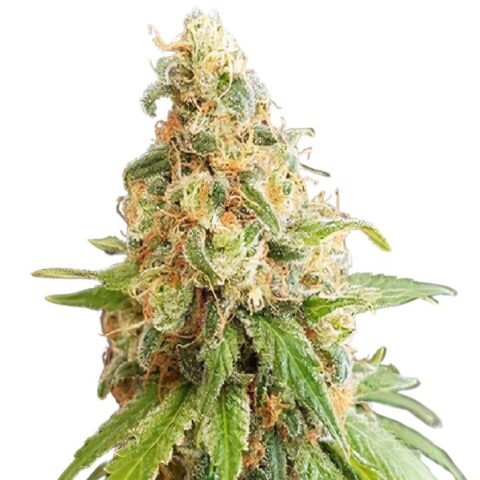 Kosher Kush Cannabis SeedsFrom: $24.99
Kosher Kush is a renowned strain in the world of medical cannabis, known for its therapeutic properties and unique chemical composition that caters specifically to various ailments. Bred for quality and consistency, Kosher Kush has carved out a place for itself among patients who require potent relief. Its reputation is grounded not only in its potent effects but also in its ease of cultivation and distinct flavor profile, making it a strain that stands out for both growers and patients alike. This analysis delves into the origins, chemical profile, therapeutic benefits, and growing conditions of Kosher Kush, emphasizing its significant role in medical treatment and symptom management.
Origins of Kosher Kush

Kosher Kush originates from California, where it was first bred and popularized. Initially named “Jew Gold,” the strain underwent a rebranding in respect of cultural sensitivity and has since been celebrated as Kosher Kush. Its original breeders remain somewhat unknown, though it has been linked to the Reserva Privada, a breeding collective under DNA Genetics, known for creating high-quality cannabis strains.
Kosher Kush is an indica-dominant hybrid that stands out for its pure lineage and lack of hybridization. Unlike many strains on the market today, which often blend multiple genetic lines, Kosher Kush is thought to be derived from classic indica landraces with high therapeutic potential. It has earned a reputation for consistency, potency, and effectiveness in addressing medical needs, especially for patients with conditions requiring substantial symptom relief. Its genetics are recognized for their robust effects, consistent growth profile, and dense, resin-coated buds that are rich in therapeutic cannabinoids.
Chemical Profile of Kosher Kush
The chemical profile of Kosher Kush is one of the primary reasons for its medical acclaim. It is characterized by high levels of tetrahydrocannabinol (THC), often ranging between 20-25%, with some variations reaching slightly higher levels under optimal growing conditions. This potency in THC is a critical aspect of its efficacy in treating a range of conditions, as the cannabinoid plays a significant role in pain management, inflammation reduction, and mood modulation.
While THC takes the spotlight, Kosher Kush also possesses a notable profile of terpenes, the aromatic compounds that contribute to both the strain’s effects and its distinct smell and flavor. Kosher Kush frequently contains the following terpenes:
- Myrcene: One of the main terpenes in Kosher Kush is myrcene, which is well-known for its calming and muscle-relaxing effects. It enhances the calming, sedative effects of the strain, which is particularly beneficial for patients dealing with insomnia or muscle spasms.
- Limonene: This terpene contributes a citrusy aroma and is recognized for its mood-elevating properties. Limonene is also believed to have anti-anxiety effects, making Kosher Kush suitable for patients experiencing stress or depressive symptoms.
- Caryophyllene: A terpene with a peppery aroma, caryophyllene is unique in that it interacts with cannabinoid receptors, particularly the CB2 receptor, which is associated with anti-inflammatory effects. For people looking for relief from persistent pain and inflammation, this terpene is essential in Kosher Kush.
- Pinene: Although less prominent, pinene contributes to respiratory health by acting as a bronchodilator. This terpene also has anti-inflammatory and neuroprotective properties, which support Kosher Kush’s therapeutic versatility.
These terpenes work together in Kosher Kush to produce a phenomenon called the “entourage effect.” The synergistic interaction between terpenes and cannabinoids, known as the entourage effect, increases the strain’s total therapeutic efficacy. This interplay amplifies Kosher Kush’s suitability for treating various medical conditions and delivering multi-faceted relief for patients.
Medical Benefits of Kosher Kush

Kosher Kush is highly esteemed in medical circles due to its powerful analgesic, sedative, and anxiolytic effects, which address an array of conditions. The strain’s potent cannabinoid and terpene composition make it a preferred choice for patients requiring consistent and effective relief. Below are some of the specific medical benefits of Kosher Kush and the conditions it is known to treat.
1. Pain Management
Kosher Kush is especially effective in treating chronic and severe pain, primarily due to its high THC content and complementary terpenes like myrcene and caryophyllene. These compounds work together to alleviate pain by modulating pain perception in the brain and reducing inflammation at the site of pain. This strain is commonly recommended for patients with conditions such as:
- Chronic Pain: Kosher Kush can help patients with longstanding pain, such as those suffering from fibromyalgia, arthritis, or neuropathy. Its effects can bring substantial relief, allowing patients to manage their symptoms without relying on opioid medications.
- Acute Pain: For injuries, post-surgical recovery, or sudden inflammation, Kosher Kush can act as a natural analgesic, reducing pain and discomfort effectively.
- Migraine and Headache: The strain’s anti-inflammatory and muscle-relaxing properties make it a suitable choice for those experiencing intense migraine headaches, providing relief from the associated pain and tension.
2. Sleep Aid
Patients who suffer from insomnia and other sleep disorders can benefit from Kosher Kush’s well-established sedative effects. The high myrcene content, in particular, supports a state of relaxation conducive to restful sleep. Patients suffering from sleep disorders often find that Kosher Kush helps them fall asleep faster, stay asleep longer, and wake up feeling more refreshed. The strain is recommended for those dealing with:
- Insomnia: Kosher Kush is especially effective for patients with difficulty falling or staying asleep, as its sedative properties ease the mind and body into a relaxed state.
- Restlessness and Sleep Disturbances: Conditions such as restless leg syndrome (RLS) and sleep apnea can benefit from Kosher Kush’s relaxing effects, which reduce the likelihood of sleep disruptions.
- Chronic Fatigue Syndrome: Patients with CFS who struggle with achieving restorative sleep may also benefit from this strain’s sedative effects, helping to restore their energy levels over time.
3. Stress and Anxiety Relief
The limonene and myrcene content in Kosher Kush contributes to its anti-anxiety and mood-enhancing properties. Kosher Kush is known to provide a calming effect that alleviates symptoms of anxiety and stress. Patients who use this strain report a sense of mental clarity and relaxation that helps them manage day-to-day stressors without the excessive sedation that some other strains might induce. Kosher Kush is particularly effective for:
- Generalized Anxiety Disorder (GAD): Its calming properties help reduce the chronic worry associated with GAD, allowing patients to experience peace and relaxation.
- Post-Traumatic Stress Disorder (PTSD): Kosher Kush can reduce anxiety and hyper-vigilance associated with PTSD, promoting a sense of calm and reducing intrusive thoughts.
- Social Anxiety: While typically sedative, in small doses, Kosher Kush can help patients feel more at ease in social settings, allowing them to manage social anxiety symptoms effectively.
4. Appetite Stimulation
Kosher Kush has also been shown to stimulate appetite, making it useful for patients who experience loss of appetite due to medical conditions or treatments. This strain’s potent effects on hunger make it ideal for patients dealing with:
- Cancer and Chemotherapy-Related Symptoms: Kosher Kush can help combat the appetite loss commonly associated with chemotherapy, encouraging patients to consume food and maintain their strength.
- HIV/AIDS: Appetite stimulation is essential for patients managing HIV/AIDS, as Kosher Kush can help prevent the significant weight loss that sometimes accompanies the disease.
- Eating Disorders: Patients with conditions such as anorexia or bulimia may find Kosher Kush beneficial in addressing their appetite issues, helping them regain healthy eating habits and weight.
5. Inflammation and Muscle Spasms
Kosher Kush’s anti-inflammatory properties make it effective in reducing inflammation and muscle spasms, which are common in various autoimmune and muscular disorders. Patients’ quality of life can be considerably enhanced by its effects if they have:
- Multiple Sclerosis (MS): Kosher Kush can reduce the frequency and severity of muscle spasms and other painful symptoms associated with MS.
- Arthritis: By reducing inflammation in the joints, Kosher Kush provides relief from the stiffness and pain caused by arthritis, especially in chronic conditions.
- Chronic Inflammatory Conditions: For patients with conditions such as Crohn’s disease or irritable bowel syndrome (IBS), Kosher Kush’s anti-inflammatory effects help manage symptoms, providing comfort and relief.
Growing Conditions for Kosher Kush

Kosher Kush is a relatively easy strain to cultivate, which adds to its popularity among both commercial growers and patients who cultivate their own medicine. It is appropriate for a range of growth conditions because to its strong resistance to mold and pests. Understanding the specific needs and optimal conditions for Kosher Kush ensures a high yield and quality of medicinal effects.
1. Environmental Requirements
Although indoor production offers greater control over environmental conditions, which can lead to increased THC levels and terpene expression, Kosher Kush grows well both indoors and outdoors. For this strain, the ideal temperature range is 70–80°F (21-27°C) during the day and a little lower at night. In order to avoid mold growth, Kosher Kush also prefers a moderate humidity level, between 40 and 50 percent during the vegetative stage. During flowering, this should be lowered to between 30 and 40 percent.
Lighting is another essential aspect of cultivation. Kosher Kush performs well under high-intensity lighting, particularly during the flowering stage, where it develops dense, resinous buds that are rich in cannabinoids and terpenes. Indoor growers typically employ a 600-1000 watt LED or HPS grow light system to maximize yield and potency.
2. Nutrient Requirements
Kosher Kush requires a balanced nutrient regimen to thrive and reach its full medicinal potential. In the vegetative stage, it benefits from a nitrogen-rich fertilizer to promote healthy foliage growth. As it transitions to the flowering stage, Kosher Kush requires higher levels of phosphorus and potassium, which support bud development and resin production. Micronutrients such as calcium, magnesium, and sulfur are also essential, as they contribute to the overall health and vigor of the plant.
To avoid nutrient burn or deficiencies, it is crucial to monitor pH levels carefully, especially when growing in soil. A pH range of 6.0-6.5 is ideal for soil-based growing, while a slightly lower range of 5.5-6.0 is recommended for hydroponic systems. Kosher Kush responds well to organic amendments, such as compost tea or fish emulsion, which provide additional micronutrients and enhance terpene production.
3. Flowering Time and Yield
Kosher Kush has a relatively short flowering time of around 8-10 weeks, making it suitable for growers seeking a quick turnaround. When grown under optimal conditions, it yields generously, producing around 450-550 grams per square meter indoors. Even greater yields, frequently surpassing 600 grams per plant, can be obtained with outdoor growing as long as the plants are shielded from inclement weather and receive enough sunlight.
Kosher Kush buds have a frosty appearance due to their density and trichome coating. This resinous quality is indicative of high cannabinoid content, which is critical for medicinal efficacy. Harvesting should occur when the trichomes turn a milky or amber color, signifying peak THC potency and terpene expression. Proper curing after harvest is essential to preserve the terpenes and cannabinoids, ensuring the strain’s medicinal qualities are maintained.
Restrictions on Using Cannabis in the Medical Field as a Last Resort and THC Monitoring
The potential therapeutic benefits of cannabis have drawn a lot of attention to its usage in medicine, particularly in the treatment of neurological diseases, chronic pain, and inflammation. However, strict regulations and ethical considerations govern its application, ensuring that cannabis is reserved as a last-resort treatment and carefully administered to minimize psychoactive effects. The primary focus is to harness the therapeutic properties of cannabis while mitigating any adverse effects, particularly those associated with tetrahydrocannabinol (THC), the main psychoactive compound in cannabis.
Restricting Medical Cannabis to Last-Resort Treatment
In many regions, the use of medical cannabis is legally and ethically restricted to cases where conventional treatments have been ineffective. This approach ensures that cannabis is not overprescribed and is only considered when it is in the patient’s best interest. For instance, conditions like chronic pain syndromes, severe epilepsy, or chemotherapy-induced nausea are examples where traditional medications may fall short, prompting the consideration of medical cannabis as a viable alternative.
Medical cannabis is especially valuable for patients with conditions unresponsive to standard therapies, such as multiple sclerosis, cancer-related symptoms, or neuropathic pain. However, before cannabis can be prescribed, patients typically must undergo a range of conventional treatments. Only if these standard treatments fail to yield satisfactory results is cannabis recommended as a last-resort option. This restriction serves to emphasize responsible usage within the healthcare setting, ensuring that only those who truly need it have access to cannabis-based treatments.
Monitoring THC Levels to Minimize Psychoactive Effects
One of the key concerns in using cannabis for medical purposes is the potential psychoactive effect caused by THC. This compound can induce feelings of euphoria, alter perception, and impair cognitive functions, which may not be desirable in medical treatments, especially for patients who need to maintain clarity and mental alertness. As a result, healthcare providers prioritize monitoring and regulating THC levels in medical cannabis products to achieve therapeutic outcomes without significant psychoactivity.
To manage THC’s effects, medical cannabis products are often formulated with controlled, low THC levels, or with higher concentrations of cannabidiol (CBD), a non-psychoactive compound. CBD has shown potential in counteracting some of THC’s psychoactive effects, making it a preferred component in medical cannabis products. In some instances, cannabis strains with a high CBD-to-THC ratio are chosen specifically for their ability to offer therapeutic benefits without causing unwanted psychoactivity.
Implementing THC Thresholds in Medical Products
Medical cannabis manufacturers and healthcare providers employ stringent quality control practices to ensure that THC levels are maintained within a specified range. Each batch of medical cannabis product is tested to confirm its THC content, with many countries mandating upper limits on THC levels in medical formulations. These regulatory standards help ensure that the psychoactive effects are kept to a minimum, aligning with the primary goal of providing symptom relief without cognitive impairment.
For example, some countries have established a maximum allowable THC concentration in medical cannabis oils or capsules, typically between 0.2% and 1%, depending on the regulatory body and specific medical application. In conditions where even low levels of THC may pose a risk to the patient’s cognitive functioning or psychological well-being, healthcare providers may opt for THC-free products or use cannabis-derived compounds that contain only CBD and other non-psychoactive cannabinoids.
Patient Monitoring and Follow-Up
For patients prescribed medical cannabis, regular monitoring is essential to ensure that the medication effectively addresses symptoms without adverse effects. This involves routine follow-ups to assess therapeutic outcomes, side effects, and any potential psychoactive impact. Patient feedback and objective assessments help clinicians adjust dosages and THC concentrations as needed, ensuring personalized care that aligns with each patient’s unique medical needs.
Healthcare providers are increasingly integrating digital tools, such as apps or online monitoring systems, that enable patients to report their experiences with medical cannabis. This feedback allows for real-time adjustments in treatment plans, promoting an adaptive approach to managing symptoms while maintaining THC at therapeutic, non-psychoactive levels.
Conclusion
In conclusion, the medical application of cannabis, particularly strains like Kosher Kush, demonstrates significant therapeutic potential for conditions that are resistant to conventional treatments, such as chronic pain, inflammation, neurological disorders, and sleep issues. This analysis highlights that while cannabis can offer notable relief, its use is carefully restricted within the medical field, with strict guidelines ensuring it remains a last-resort option after standard therapies have been exhausted.
Key to responsible medical cannabis use is the management of THC levels to prevent undesirable psychoactive effects in patients. By leveraging the synergy of cannabinoids and terpenes while controlling THC concentration, medical professionals can maximize the therapeutic benefits of cannabis without compromising patient clarity or mental well-being.
Growing conditions play a crucial role in the consistency and quality of medicinal strains, ensuring potency, stability, and safety in each batch. With tailored growing practices, cannabis cultivators can produce strains that meet specific medical needs, enhancing the reliability of cannabis as a medical tool.
Overall, the integration of cannabis into the medical field represents a balanced approach that emphasizes patient safety, regulatory compliance, and targeted symptom management. As ongoing research and technology continue to advance, the potential of medical cannabis can be fully realized within ethical and therapeutic boundaries, underscoring its role as a valuable and carefully controlled option in modern healthcare.
