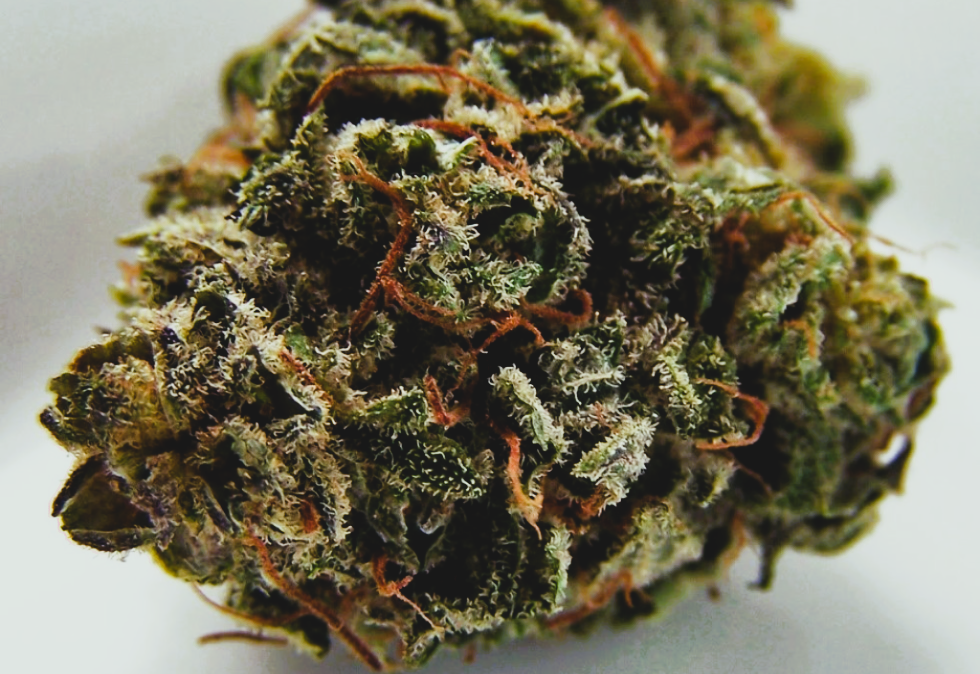
Medical Strain Analysis: Jamaican Lion
Jamaican Lion is a cannabis strain widely recognized for its medicinal properties, making it a cornerstone in the realm of therapeutic cannabis. This unique strain has gained a reputable standing among medical cannabis users due to its balanced cannabinoid profile, origins steeped in intentional breeding for therapeutic purposes, and a robust array of medical applications. This analysis delves deeply into the origins of Jamaican Lion, its chemical composition, the range of medical conditions it addresses, and the optimal growing conditions required to cultivate this medicinal strain. The focus is exclusively on its medical attributes, providing an evidence-based understanding for patients, cultivators, and medical practitioners.
Origins of Jamaican Lion
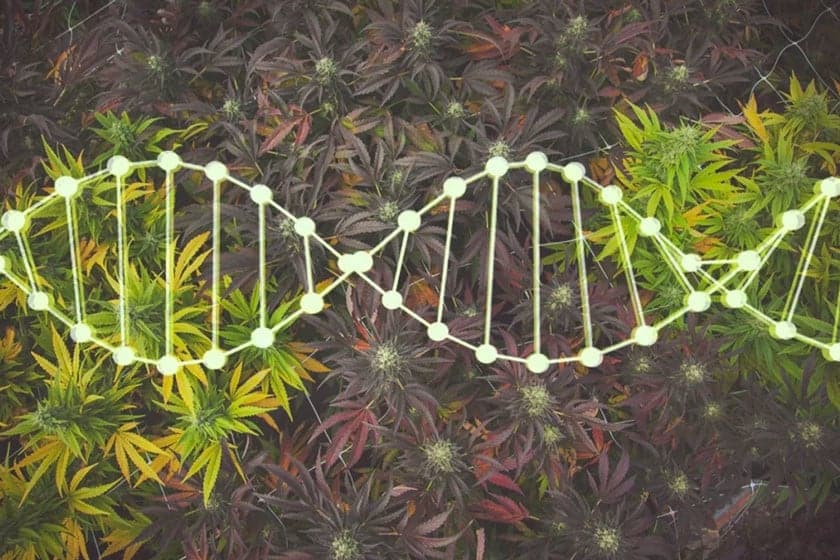
Jamaican Lion emerged as a product of intentional breeding designed to combine high therapeutic potential with a balanced chemical profile. This strain is a hybrid, resulting from a cross between Mountain Lion—a highly regarded cannabis variety—and a pure Jamaican sativa strain. The combination was specifically engineered to create a strain that would offer substantial medical benefits with minimal psychoactive effects, catering to patients seeking relief from their conditions without the heavy intoxication typically associated with cannabis use.
The breeder’s intent in creating Jamaican Lion was to address the demand for high-CBD cannabis strains. CBD, or cannabidiol, is a non-psychoactive cannabinoid that has gained recognition for its anti-inflammatory, anxiolytic, and neuroprotective properties. Jamaican Lion was crafted to maximize the medicinal potential of CBD while maintaining a moderate level of THC (tetrahydrocannabinol) to enhance the entourage effect—a synergistic interaction between cannabinoids and terpenes believed to amplify therapeutic outcomes.
The inclusion of genetics from a Jamaican sativa brought a unique element to this strain, imbuing it with an uplifting yet non-overwhelming effect. This sativa influence is responsible for some of the strain’s reported benefits, such as mental clarity and focus, which are highly valued by patients managing neurological or mood disorders. On the other hand, the Mountain Lion genetics contribute to its stability, resilience, and therapeutic complexity, making it a strain that embodies the best of both parent strains.
Chemical Profile
Jamaican Lion is celebrated for its balanced cannabinoid profile, which is the foundation of its medical efficacy. Typically, Jamaican Lion expresses a CBD:THC ratio that ranges from 1:1 to 2:1. This balance ensures that patients receive the full benefits of both cannabinoids without the pronounced psychoactive effects that can occur with THC-dominant strains.
Cannabinoid Content
- CBD (Cannabidiol): Jamaican Lion is known for its high CBD levels, which generally fall between 10-15%. CBD is the cornerstone of its medical utility, offering anti-inflammatory, antispasmodic, analgesic, and neuroprotective properties. Its non-intoxicating nature makes it suitable for a wide range of medical conditions, particularly those involving chronic pain, inflammation, and neurological dysfunction.
- THC (Tetrahydrocannabinol): While Jamaican Lion does contain THC, its levels are moderate, often ranging between 5-10%. This ensures that patients benefit from THC’s therapeutic properties, such as pain relief, muscle relaxation, and appetite stimulation, without experiencing excessive psychoactivity. The balanced THC content also plays a crucial role in modulating the effects of CBD through the entourage effect.
Terpene Profile
Terpenes are aromatic compounds that contribute to the therapeutic effects of cannabis by interacting synergistically with cannabinoids. Jamaican Lion’s terpene profile is rich and varied, enhancing its medical efficacy:
- Myrcene: A dominant terpene in Jamaican Lion, myrcene is known for its sedative and muscle-relaxing properties. It aids in pain relief and is particularly beneficial for patients with insomnia, chronic pain, or anxiety disorders.
- Caryophyllene: This terpene has notable anti-inflammatory and analgesic properties. It also interacts with the endocannabinoid system, making it especially effective for conditions such as arthritis and neuropathic pain.
- Limonene: Present in moderate quantities, limonene contributes uplifting and mood-enhancing effects. It is particularly beneficial for patients dealing with depression or stress-related disorders.
- Pinene: Pinene is associated with improved focus, memory retention, and respiratory function. This terpene is useful for patients with neurodegenerative conditions or asthma.
- Humulene: Known for its anti-inflammatory and appetite-suppressing effects, humulene further enhances the strain’s utility for inflammatory conditions.
The interplay of these cannabinoids and terpenes provides Jamaican Lion with a broad therapeutic spectrum, allowing it to address both physical and mental health conditions effectively.
Medical Benefits

Jamaican Lion has garnered widespread acclaim for its medical applications, offering relief from a variety of conditions. Its balanced chemical composition ensures a holistic approach to healing, targeting both physical and psychological symptoms.
Pain Management
Chronic pain is one of the most common reasons patients turn to cannabis, and Jamaican Lion is particularly effective in this regard. The combination of CBD and THC provides robust analgesic properties. CBD reduces inflammation and mitigates the hypersensitivity of pain receptors, while THC directly interacts with CB1 receptors in the central nervous system to modulate pain perception. This dual approach makes Jamaican Lion highly effective for conditions such as fibromyalgia, arthritis, and neuropathic pain.
Inflammation
Inflammatory conditions, such as rheumatoid arthritis, Crohn’s disease, and multiple sclerosis, can significantly impair quality of life. Jamaican Lion’s high CBD content, complemented by the anti-inflammatory effects of caryophyllene and myrcene, makes it a powerful anti-inflammatory agent. Regular use can help reduce the severity and frequency of flare-ups in chronic inflammatory conditions, providing patients with long-term relief.
Neurological Conditions
Jamaican Lion’s neuroprotective properties make it a promising option for patients with neurological disorders. CBD has shown potential in reducing seizure frequency in epilepsy, while THC may improve neuroplasticity. The strain is particularly valuable for managing symptoms of multiple sclerosis, Parkinson’s disease, and even early-stage Alzheimer’s disease. The inclusion of pinene in its terpene profile also supports cognitive function, making it useful for patients dealing with brain fog or memory issues.
Anxiety and Depression
Mental health conditions such as anxiety and depression are often characterized by chemical imbalances in the brain, which Jamaican Lion can help modulate. CBD has anxiolytic properties that reduce the overactivity of fear and stress responses, while limonene provides mood-enhancing effects. The balanced THC content ensures that users do not experience heightened anxiety, a common side effect of THC-dominant strains. Patients report feeling calm, focused, and emotionally balanced after using Jamaican Lion, making it an excellent choice for long-term management of mood disorders.
Sleep Disorders
For patients with sleep disorders, such as insomnia or disrupted sleep cycles, Jamaican Lion offers a natural alternative to pharmaceutical sedatives. Myrcene plays a significant role in promoting relaxation and facilitating restful sleep, while CBD helps to regulate sleep-wake cycles. Unlike traditional sleep aids, Jamaican Lion does not leave patients feeling groggy or disoriented upon waking.
Autoimmune Conditions
Autoimmune diseases, such as lupus, multiple sclerosis, and Hashimoto’s thyroiditis, often involve chronic inflammation and immune system dysregulation. The anti-inflammatory and immunomodulatory properties of CBD make Jamaican Lion a valuable tool for managing these conditions. This strain helps individuals with autoimmune illnesses manage their symptoms and enhance their general quality of life by lowering inflammatory indicators and regulating immunological responses.
Cancer-Related Symptoms
Cancer patients often experience a range of debilitating symptoms, including pain, nausea, and appetite loss. Jamaican Lion addresses these issues through its balanced cannabinoid profile. THC’s ability to stimulate appetite and reduce nausea is particularly beneficial for patients undergoing chemotherapy, while CBD offers anti-inflammatory and analgesic effects. Additionally, the presence of caryophyllene may contribute to the strain’s potential anti-tumor properties, although further research is needed in this area.
Growing Conditions
Jamaican Lion is a relatively resilient strain, making it suitable for both indoor and outdoor cultivation. However, specific environmental conditions and cultivation practices are required to maximize its therapeutic potential.
Climate Requirements
Jamaican Lion thrives in a warm, Mediterranean-like climate with plenty of sunlight. Outdoor growers should ensure consistent temperatures ranging from 70-85°F (21-29°C). While the strain is moderately resistant to pests and diseases, it requires a well-ventilated environment to prevent mold and mildew, especially in humid regions.
Soil and Nutrients
The strain performs best in nutrient-rich, well-draining soil with a pH range of 6.0-6.5. Organic growing practices are recommended to preserve the full spectrum of cannabinoids and terpenes. Nitrogen should be the main emphasis of nutrient supplementation during the vegetative stage, whereas potassium and phosphorus should be the main focus during the flowering stage.
Indoor Cultivation
For indoor growers, Jamaican Lion requires a well-regulated environment. High-intensity lighting, such as LED or HID lights, should be used to mimic natural sunlight. Temperature and humidity levels should be closely monitored, with humidity kept between 40-50% during the flowering stage to prevent mold. Growers should also implement techniques such as topping or low-stress training (LST) to encourage even canopy growth and maximize yields.
Flowering Time and Yield
Jamaican Lion has a flowering time of approximately 8-10 weeks. Under ideal circumstances, outdoor plants can yield 16–20 ounces per plant, although indoor yields usually fall between 12 and 16 ounces per square meter. The strain’s high CBD content makes it a valuable crop for medical cannabis producers, and careful harvesting and curing practices are essential to preserve its therapeutic properties.
Harvesting and Processing
Harvesting Jamaican Lion at the right time is crucial to ensure the desired cannabinoid and terpene profile. Trichomes should appear milky white with a hint of amber, indicating peak potency. Post-harvest, the buds should be carefully dried and cured in a controlled environment to preserve their chemical integrity. Proper storage in airtight containers, away from light and heat, ensures the longevity of its medicinal qualities.
Restrictions on Using Jamaican Lion in the Medical Field: A Focus on Safety and Last-Resort Applications

The use of Jamaican Lion in the medical field has revolutionized patient care in a variety of conditions, particularly for those seeking relief from chronic pain, inflammation, and neurological disorders. However, as with any medical intervention, the use of this cannabis strain is accompanied by restrictions and guidelines to ensure patient safety and efficacy. Jamaican Lion is often reserved as a last-resort treatment for patients who have not responded adequately to conventional therapies. Additionally, strict monitoring of THC levels is crucial to minimize the psychoactive effects that could compromise patient safety and functionality. These restrictions underscore the importance of cautious and responsible medical cannabis use.
Last-Resort Medical Use: Prioritizing Conventional Treatments
One of the primary restrictions associated with Jamaican Lion is its status as a last-resort option in medical settings. While cannabis has demonstrated significant therapeutic potential, its use in medicine is often regulated to ensure that it is only prescribed when other evidence-based treatments have proven ineffective or intolerable.
Healthcare providers are advised to exhaust all other pharmaceutical and non-pharmaceutical options before recommending Jamaican Lion or other cannabis-based treatments. For instance, in chronic pain management, non-steroidal anti-inflammatory drugs (NSAIDs), physical therapy, and even low-dose opioids might be tried first. Similarly, for conditions like epilepsy or multiple sclerosis, first-line medications approved by regulatory bodies are prioritized.
The restriction to last-resort use ensures that cannabis is not unnecessarily introduced into treatment plans, particularly given the stigma, regulatory concerns, and potential for misuse associated with the plant. This approach also aligns with the need for further research to solidify the evidence base supporting Jamaican Lion’s efficacy. By restricting its use to cases where standard treatments fail, the medical community maintains a balance between innovation and caution.
Monitoring THC Levels in Medications
Another critical restriction when utilizing Jamaican Lion in medical practice is the strict monitoring and regulation of THC levels in medications. THC, or tetrahydrocannabinol, is the psychoactive component of cannabis that can alter perception, cognition, and mood. While Jamaican Lion is known for its balanced CBD:THC ratio, even moderate levels of THC can produce psychoactive effects in certain patients, particularly those who are THC-sensitive or inexperienced with cannabis.
To mitigate this risk, Jamaican Lion-derived medical products must undergo rigorous laboratory testing to quantify their cannabinoid content. Pharmaceutical formulations derived from Jamaican Lion often involve CBD enrichment and THC reduction during the manufacturing process to ensure minimal psychoactivity. The goal is to preserve THC’s therapeutic properties, such as its analgesic and muscle-relaxant effects, without subjecting patients to its mind-altering effects.
For instance, THC levels in medical formulations may be capped at 1-2% or less, depending on local regulations and patient needs. In pediatric applications or for patients prone to anxiety, the THC content may be further minimized to prevent any adverse reactions. Medical practitioners are also advised to start patients on the lowest effective dose, gradually increasing as necessary, while carefully monitoring for signs of THC-related side effects such as dizziness, confusion, or anxiety.
Patient Selection and Monitoring
Restricting the use of Jamaican Lion extends to careful patient selection and monitoring. Not all patients are suitable candidates for cannabis-based therapies, even when used as a last resort. Individuals with a history of substance use disorders, psychosis, or certain cardiovascular conditions may be at higher risk for adverse effects and are often excluded from cannabis treatment plans.
For eligible patients, ongoing monitoring is essential to ensure therapeutic success and prevent unintended outcomes. This includes regular follow-ups to assess symptom improvement, side effects, and overall functionality. Blood tests or urine screenings may be employed to monitor cannabinoid levels, ensuring that THC remains within safe limits.
Aligning with Ethical and Regulatory Standards
Medical cannabis, including Jamaican Lion, is subject to stringent regulatory frameworks that vary by region. Physicians and healthcare institutions must adhere to these laws, which often require special licensing to prescribe or dispense cannabis-based medications. Furthermore, clinicians are expected to maintain thorough documentation of treatment plans, patient consent, and outcomes to ensure compliance with ethical standards and regulatory oversight.
Restricting the use of Jamaican Lion to the medical field as a last-resort treatment, while rigorously controlling THC levels, is a necessary step in integrating cannabis into mainstream medicine responsibly. These restrictions protect patients, ensure ethical use, and allow the medical community to refine its understanding of the strain’s therapeutic potential. By maintaining a cautious approach, healthcare providers can offer Jamaican Lion as a safe, effective option for those who truly need it.
Conclusion: Harnessing the Potential of Jamaican Lion Responsibly
Jamaican Lion represents a promising breakthrough in the field of medical cannabis, offering significant therapeutic benefits through its carefully balanced cannabinoid and terpene profile. Its origins, as a strain bred with the intentional purpose of addressing medical needs, have resulted in a plant that exemplifies the potential of cannabis in modern medicine. With its high CBD content and moderate THC levels, Jamaican Lion delivers relief for a range of medical conditions, including chronic pain, inflammation, neurological disorders, mental health challenges, and autoimmune diseases. The synergistic interaction between cannabinoids and terpenes further enhances its efficacy, making it a versatile option for patients with diverse medical needs.
However, the therapeutic use of Jamaican Lion is not without its restrictions and responsibilities. Its classification as a last-resort treatment underscores the importance of prioritizing conventional, evidence-based therapies before turning to cannabis. This ensures that patients receive the safest and most thoroughly tested treatments available while limiting the unnecessary use of cannabis-based options. Jamaican Lion’s role as a last-line therapy also emphasizes the importance of its application in complex cases where other interventions have failed to deliver relief.
Furthermore, the need for careful monitoring of THC levels cannot be overstated. THC’s psychoactive properties, while offering certain therapeutic benefits, pose risks if left unchecked. By maintaining strict oversight of THC content in medications and formulations, healthcare providers can mitigate psychoactive effects while maximizing therapeutic outcomes. This approach not only protects patient safety but also ensures that Jamaican Lion can be integrated into treatment plans with minimal disruption to patients’ daily lives.
Growing Jamaican Lion also requires careful attention to environmental conditions, nutrient profiles, and post-harvest processes to preserve its chemical integrity. Only by adhering to these cultivation standards can growers produce high-quality crops that retain the strain’s full therapeutic potential.
The restrictions surrounding Jamaican Lion—such as its use as a last-resort treatment, the need for THC level regulation, and careful patient selection—highlight the importance of responsible and ethical medical cannabis use. These limitations are vital to ensuring patient safety, fostering trust in cannabis-based therapies, and aligning with both medical ethics and regulatory standards.
In conclusion, Jamaican Lion stands as a symbol of the evolving relationship between cannabis and medicine. Its ability to address a broad spectrum of medical conditions while minimizing intoxicating effects makes it a valuable tool in modern healthcare. However, its potential must be harnessed responsibly, with careful adherence to restrictions, monitoring, and ethical practices. As research into medical cannabis continues to expand, Jamaican Lion serves as a reminder of the importance of balancing innovation with caution, offering patients a safe and effective path toward relief when all other options have been exhausted.
