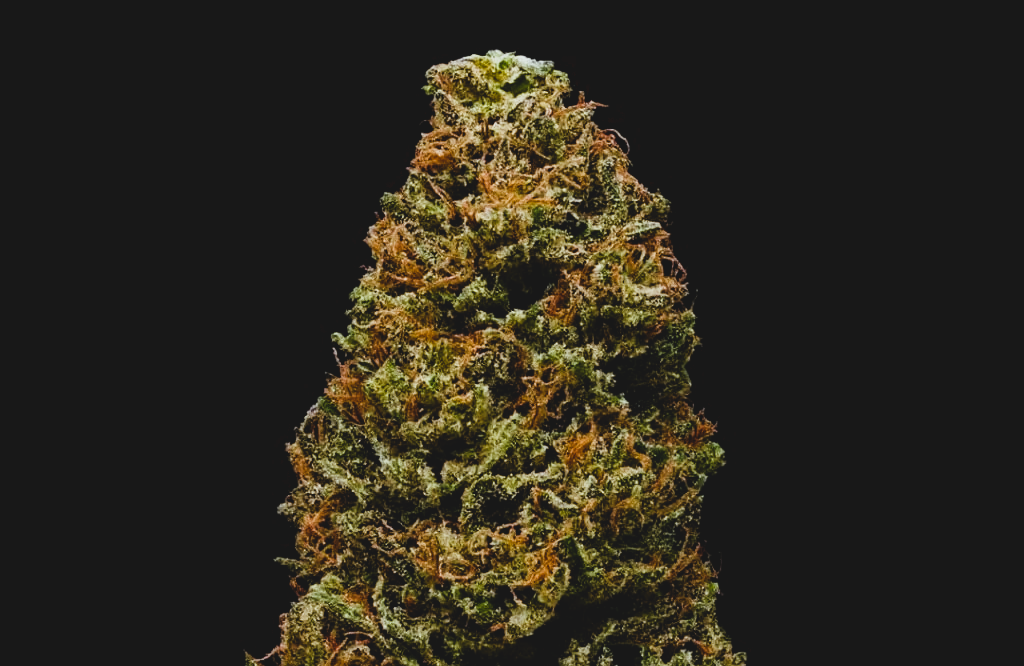
Medical Strain Analysis: Hercules CBD
Hercules CBD is an emerging medical cannabis strain that has garnered attention in the medical community due to its therapeutic properties. This strain represents a sophisticated hybrid developed through precise genetic cultivation, designed specifically to address a range of medical conditions. With a unique chemical profile that highlights its cannabidiol (CBD) dominance, Hercules CBD is a beacon for patients seeking relief from symptoms such as chronic pain, inflammation, anxiety, seizures, and other debilitating conditions. As medical cannabis research evolves, Hercules CBD has positioned itself as a pivotal strain with its combination of therapeutic efficacy, mild psychoactivity, and adaptability to various medical requirements.
Origins and Development

The origins of Hercules CBD can be traced to advanced breeding practices within the cannabis industry, where breeders have worked tirelessly to produce a strain focused predominantly on medical benefits. It is believed to be a phenotype derived from carefully selected parent strains, likely originating from well-known CBD-rich cultivars that were genetically stabilized over multiple generations. While details regarding the precise lineage remain proprietary in some cases, the strain’s creators emphasized prioritizing high CBD content while minimizing tetrahydrocannabinol (THC), the psychoactive compound responsible for intoxicating effects.
Hercules CBD takes its name from the classical mythological figure Hercules, symbolizing the strain’s potent and robust therapeutic potential. Much like its namesake, the strain is recognized for its strength, reliability, and resilience in providing medical benefits to those who utilize it for chronic ailments. Unlike strains that prioritize recreational attributes such as high THC potency, Hercules CBD has been cultivated with an intense focus on therapeutic value and has undergone meticulous laboratory testing to ensure its consistent CBD levels.
The cultivation practices behind Hercules CBD emphasize crossbreeding high-CBD strains while maintaining genetic stability. Breeders targeted plants that exhibited low THC percentages combined with high concentrations of beneficial cannabinoids and terpenes. These meticulous processes have resulted in a stable strain with repeatable medicinal outcomes, making it ideal for patient use across different medical needs.
Chemical Profile
Hercules CBD’s chemical composition is one of its most remarkable aspects and serves as the foundation for its medical efficacy. This strain typically contains CBD concentrations that range between 12% and 18%, with negligible levels of THC, often below 0.3%. This high CBD-to-THC ratio makes it particularly suitable for patients who require the therapeutic benefits of cannabinoids without the psychoactive effects associated with THC-rich strains.
CBD, or cannabidiol, is a non-intoxicating compound within cannabis that has gained significant attention for its medical properties. Research has shown that CBD interacts with the endocannabinoid system (ECS), a biological system in the body that regulates processes such as pain, mood, immune response, and inflammation. Hercules CBD’s high CBD content ensures a strong interaction with CB1 and CB2 receptors without producing unwanted psychoactive effects.
In addition to CBD, Hercules CBD contains an array of terpenes, aromatic compounds that contribute both to the strain’s therapeutic effects and its distinctive scent. Terpenes play a crucial role in what is known as the “entourage effect,” a synergistic interaction between cannabinoids and terpenes that enhances overall therapeutic outcomes.
- Myrcene: Known for its calming and sedative effects, myrcene is a dominant terpene in Hercules CBD. It contributes to the strain’s ability to reduce pain, inflammation, and anxiety, making it highly suitable for patients dealing with insomnia or stress-related conditions.
- Limonene: This terpene adds a citrus-like aroma and provides anti-anxiety and anti-depressant properties. Limonene is particularly effective in improving mood and reducing stress, complementing CBD’s anxiolytic effects.
- Caryophyllene: A terpene with anti-inflammatory and analgesic properties, caryophyllene interacts with CB2 receptors in the endocannabinoid system, enhancing the strain’s ability to alleviate pain and inflammation.
- Pinene: Known for its bronchodilatory properties, pinene is beneficial for patients suffering from respiratory issues, as it can help open airways and improve breathing.
In terms of minor cannabinoids, Hercules CBD may also contain trace amounts of cannabigerol (CBG), cannabinol (CBN), and cannabichromene (CBC). These minor cannabinoids provide additional therapeutic benefits, such as anti-inflammatory, neuroprotective, and antioxidant properties, enhancing the strain’s medical versatility.
The low THC levels ensure that Hercules CBD does not produce psychoactive side effects, making it suitable for a wide demographic, including patients who are sensitive to THC or new to medical cannabis treatments. This chemical profile aligns perfectly with the needs of patients who require consistent, non-intoxicating relief.
Medical Benefits of Hercules CBD
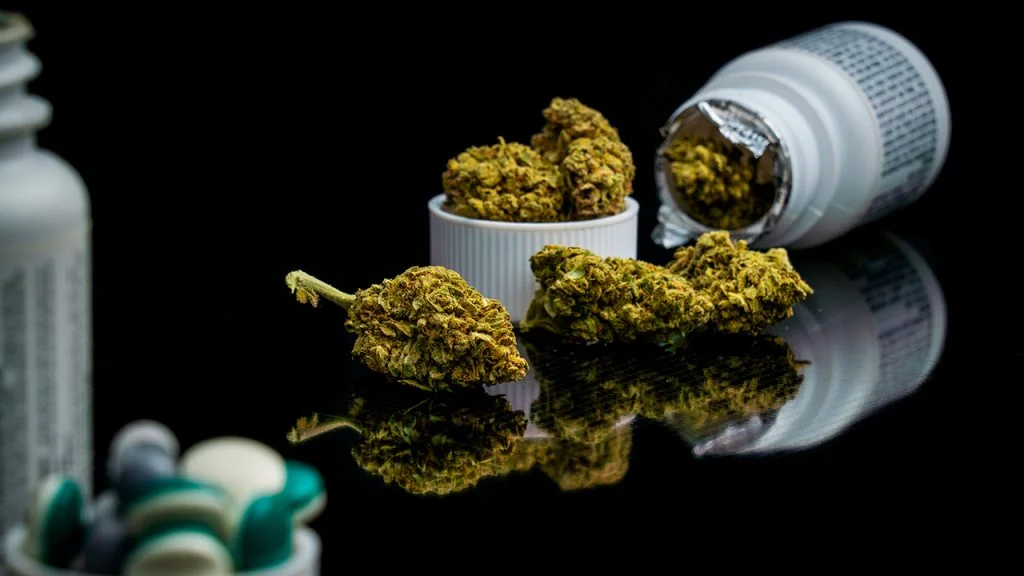
Hercules CBD has proven itself as a reliable medical strain that addresses a diverse array of health conditions. Its high CBD concentration, combined with beneficial terpenes and minor cannabinoids, makes it a preferred choice among patients and healthcare providers alike.
1. Chronic Pain Management
One of the most significant medical benefits of Hercules CBD is its ability to manage chronic pain. The interaction of CBD with CB2 receptors reduces inflammation and modulates pain signaling pathways within the body. This makes Hercules CBD particularly effective for patients suffering from conditions such as arthritis, fibromyalgia, and neuropathic pain. The analgesic properties of the strain provide sustained relief without the side effects often associated with opioid-based medications, such as dependency or sedation.
2. Anti-Inflammatory Properties
Hercules CBD’s anti-inflammatory effects make it ideal for patients suffering from inflammatory conditions, including arthritis, Crohn’s disease, and irritable bowel syndrome (IBS). By modulating immune responses and reducing pro-inflammatory cytokine production, CBD helps alleviate pain and swelling, improving the quality of life for individuals dealing with these chronic conditions.
3. Anxiety and Stress Reduction
Hercules CBD is widely recognized for its anxiolytic effects, making it an excellent option for patients dealing with generalized anxiety disorder (GAD), social anxiety, and post-traumatic stress disorder (PTSD). Unlike pharmaceutical anxiolytics, which may cause drowsiness or dependency, Hercules CBD provides a natural and sustainable way to reduce anxiety symptoms. The synergistic action of CBD and calming terpenes such as myrcene and limonene creates a soothing effect on the mind and body.
4. Epilepsy and Seizure Management
One of the most well-documented medical benefits of CBD-dominant strains like Hercules CBD is their ability to reduce seizures in patients with epilepsy, including severe forms such as Dravet syndrome and Lennox-Gastaut syndrome. Clinical trials have demonstrated that CBD significantly reduces seizure frequency and severity, providing hope for patients who do not respond to conventional antiepileptic medications.
5. Neuroprotective Effects
Hercules CBD exhibits neuroprotective properties, making it beneficial for patients with neurodegenerative diseases such as multiple sclerosis (MS), Parkinson’s disease, and Alzheimer’s disease. CBD helps shield neurons from harm and may reduce the onset of these crippling illnesses by lowering inflammation and oxidative stress in the brain.
6. Insomnia Relief
Patients suffering from insomnia or disrupted sleep patterns can benefit from Hercules CBD’s calming and sedative properties. The strain promotes relaxation, reduces anxiety, and improves sleep quality without causing the next-day drowsiness associated with traditional sleep medications.
7. Anti-Cancer Potential
Emerging research suggests that CBD may have anti-cancer properties, including the ability to inhibit tumor growth and induce apoptosis (programmed cell death) in certain types of cancer cells. While further studies are needed, Hercules CBD may provide palliative support for cancer patients by alleviating symptoms such as pain, nausea, and loss of appetite caused by chemotherapy or radiation treatments.
Growing Conditions
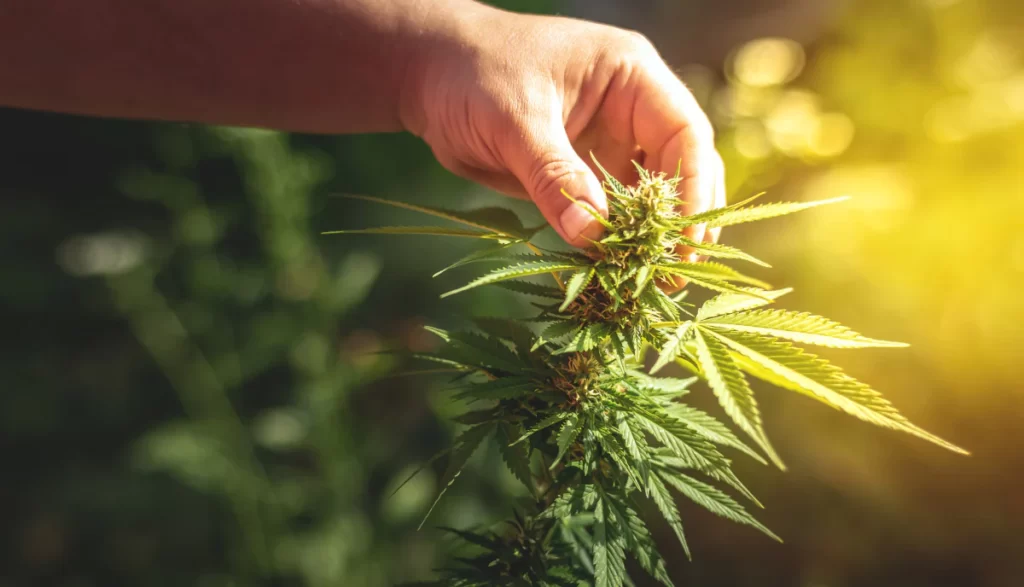
Cultivating Hercules CBD requires precise conditions to maximize its CBD content and overall therapeutic quality. This strain is adaptable to both indoor and outdoor environments, but growers must adhere to specific cultivation practices to achieve optimal results.
1. Climate and Environment
Hercules CBD thrives in a temperate to warm climate with consistent temperatures between 70°F to 85°F (21°C to 29°C) during the day. The ideal humidity range for it is between 40% and 60%, which promotes healthy plant growth and helps ward off mold and mildew. Outdoor cultivation is possible in regions with long, sunny growing seasons, but indoor cultivation allows for greater control over environmental variables.
2. Soil and Nutrients
The strain benefits from nutrient-rich, well-draining soil with a slightly acidic to neutral pH of 6.0 to 7.0. Organic soil enriched with compost, worm castings, and beneficial microbes helps provide the essential nutrients required for vigorous growth. Growers should ensure adequate nitrogen (N), phosphorus (P), and potassium (K) during different growth stages, with an emphasis on phosphorus and potassium during the flowering phase to enhance cannabinoid production.
3. Lighting
Hercules CBD requires ample light exposure to produce high CBD yields. In indoor setups, LED or high-pressure sodium (HPS) lights should provide at least 18 hours of light per day during the vegetative stage, followed by a 12/12 light-dark cycle during flowering. Outdoor plants should be placed in a location that receives full sunlight for at least 6 to 8 hours per day.
4. Watering and Feeding
Consistent watering is essential, but overwatering must be avoided to prevent root rot. Growers should follow a moderate watering schedule, allowing the top layer of soil to dry between waterings. During flowering, reducing water slightly can help boost cannabinoid and terpene production. Organic fertilizers, such as fish emulsion and bat guano, can supplement the plant’s nutritional needs.
5. Pest and Disease Management
Hercules CBD is relatively resistant to pests and diseases; however, preventive measures are necessary to ensure healthy plants. Beneficial insects such as ladybugs and neem oil applications can help control common pests like spider mites and aphids. Proper ventilation and spacing between plants reduce the risk of mold and mildew development.
6. Harvesting and Curing
To preserve the high CBD content, harvesting should occur when trichomes are mostly cloudy with a few amber hues. Proper curing is essential to maintain the strain’s chemical profile and therapeutic quality. Dried buds should be cured in airtight containers, with humidity levels maintained at 55% to 62%, and stored in a cool, dark place.
Medical Use Restrictions of Hercules CBD: A Last-Resort Treatment with Strict THC Monitoring
While Hercules CBD has proven to be a highly effective strain in treating various medical conditions, its use in the medical field is subject to strict guidelines to ensure patient safety and minimize risks. Despite its non-intoxicating nature due to its high CBD-to-THC ratio, Hercules CBD remains classified as a cannabis-derived product, necessitating stringent controls. In medical practice, this strain should be considered a last-resort treatment option, only prescribed when conventional therapies fail to deliver adequate results. Additionally, continuous monitoring of THC levels in medications derived from Hercules CBD is critical to avoid any psychoactive effects, particularly for sensitive populations.
Medical Use as a Last-Resort Option
Hercules CBD, while highly therapeutic, is reserved for cases where other established medical treatments have not provided sufficient relief. This restriction ensures that healthcare professionals follow evidence-based guidelines, offering patients alternative therapies like physical rehabilitation, pharmaceutical medications, or behavioral treatments before introducing cannabis-derived solutions. For instance, in managing chronic pain, standard non-opioid analgesics, physical therapy, or nerve blocks are prioritized before considering cannabinoids.
The designation of Hercules CBD as a last-resort option stems from concerns about cannabis-related stigmas, lack of comprehensive long-term studies, and the need to establish consistent treatment protocols. Its use in epilepsy, anxiety disorders, inflammation, or neurodegenerative conditions is most commonly reserved for treatment-resistant cases where conventional options fail to improve patient outcomes. Medical professionals prescribing Hercules CBD must thoroughly document prior treatments, including their failure to provide sufficient therapeutic results.
Strict Monitoring of THC Levels
The psychoactive compound tetrahydrocannabinol (THC), even at low levels, must be meticulously controlled in medications derived from Hercules CBD. While this strain is bred for high CBD content with minimal THC, trace amounts of THC can still accumulate and potentially cause mild psychoactive effects in particularly sensitive patients. Such effects can be counterproductive, especially for pediatric, geriatric, or immunocompromised individuals who may experience adverse reactions to THC.
To prevent unwanted psychoactivity, pharmaceutical formulations based on Hercules CBD must comply with rigorous regulatory standards. For instance, in many jurisdictions, medical cannabis products are required to contain no more than 0.3% THC on a dry-weight basis. Regular testing of these formulations in certified laboratories ensures that THC levels remain well below psychoactive thresholds.
Healthcare providers are responsible for:
- Prescribing Standardized Doses: Clear dosing guidelines are essential to minimize THC exposure while maximizing CBD’s therapeutic effects.
- Patient Monitoring: Patients using Hercules CBD must be monitored for any unexpected psychoactive symptoms, such as dizziness, confusion, or fatigue, which could indicate a higher-than-intended THC exposure.
- Regulatory Compliance: Pharmaceutical companies and dispensaries must submit consistent batch testing data to confirm that THC concentrations meet established legal thresholds.
Ensuring Patient Safety
Given Hercules CBD’s therapeutic potential, balancing its benefits with patient safety is of utmost importance. Strict monitoring protocols, coupled with clear usage restrictions, reduce the risks associated with cannabis-based therapies. Healthcare providers must educate patients on the nature of cannabis-derived medications, emphasizing that Hercules CBD is a therapeutic option, not a recreational product.
Through these restrictions, Hercules CBD can serve as an effective and safe treatment option, offering relief for treatment-resistant conditions while preventing potential adverse effects linked to psychoactive THC exposure.
Conclusion
Hercules CBD represents a groundbreaking advancement in medical cannabis, offering a targeted, non-intoxicating treatment option for a wide array of medical conditions. With its origins rooted in meticulous genetic cultivation, this strain has been developed to maximize therapeutic efficacy while minimizing the psychoactive effects commonly associated with cannabis. Its chemical profile, featuring high cannabidiol (CBD) content with trace amounts of tetrahydrocannabinol (THC), makes it a preferred choice in the medical field for patients seeking relief without intoxication.
The medical benefits of Hercules CBD are extensive and well-documented. It has shown remarkable effectiveness in managing chronic pain, inflammation, anxiety disorders, epilepsy, insomnia, and neurodegenerative diseases. By interacting with the endocannabinoid system, CBD regulates pain perception, immune responses, and neurological function, offering significant relief for individuals with treatment-resistant conditions. Furthermore, the synergistic effects of terpenes like myrcene, limonene, and caryophyllene enhance its therapeutic potential, ensuring a natural and holistic approach to healing.
Despite its immense potential, Hercules CBD must be approached with caution in medical practice. It is reserved as a last-resort treatment, prescribed only when conventional therapies have failed to provide adequate relief. This restriction underscores the importance of evidence-based medicine while addressing concerns about long-term safety and cannabis-related stigmas. By positioning Hercules CBD as a secondary option, healthcare professionals ensure that patients exhaust all traditional avenues of treatment before considering cannabinoid-based therapies.
The strict monitoring of THC levels in medications derived from Hercules CBD is essential to maintain patient safety. Although the strain naturally contains minimal THC, careful regulation and testing ensure that its concentration remains below psychoactive thresholds. This is particularly critical for vulnerable populations, such as children, the elderly, and those with heightened sensitivity to cannabinoids. Healthcare providers, regulators, and pharmaceutical companies share the responsibility of ensuring THC compliance, standardized dosing, and thorough patient monitoring to prevent any adverse psychoactive effects.
In summary, Hercules CBD exemplifies the potential of cannabis as a safe and effective medical treatment when used responsibly and under strict guidelines. Its therapeutic benefits, combined with rigorous monitoring and usage restrictions, ensure that it remains a viable option for individuals suffering from debilitating conditions. As the medical field continues to evolve, Hercules CBD stands as a symbol of progress—offering hope, healing, and improved quality of life to patients who need it most.
