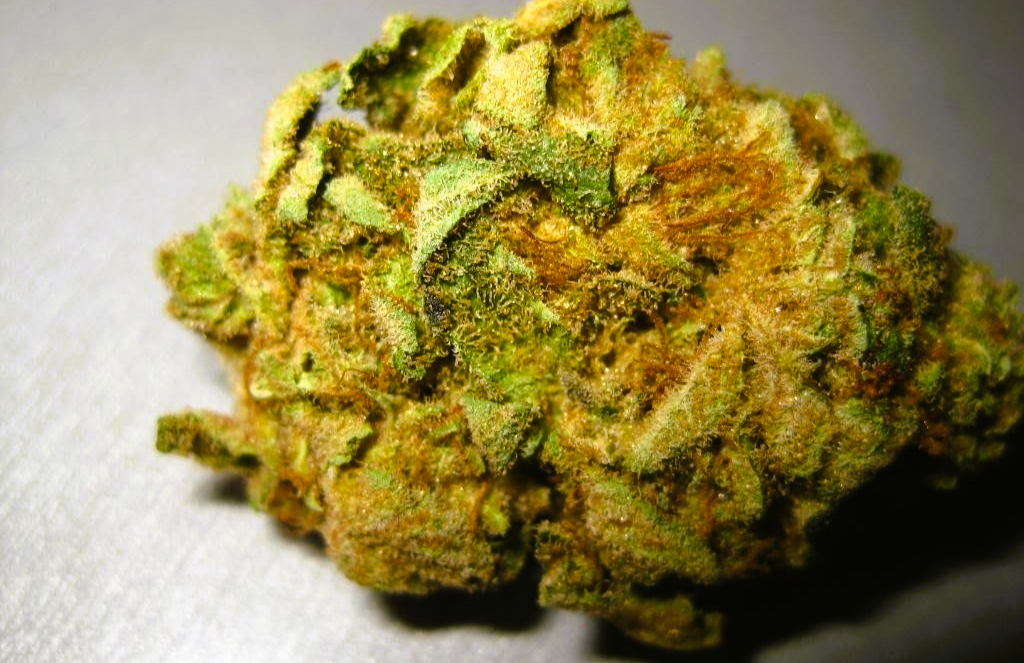
Medical Strain Analysis: Hempstar
-
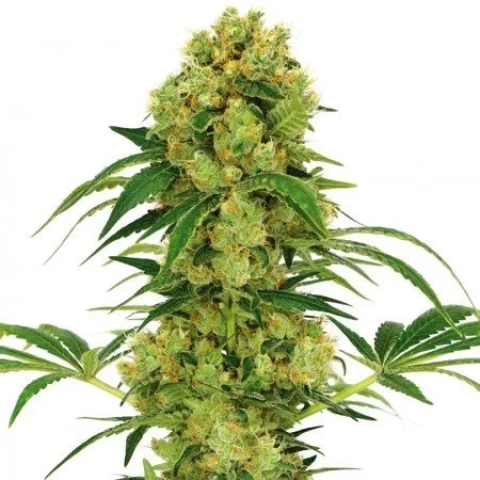 Hempstar Cannabis SeedsFrom: $24.99
Hempstar, also known as “Brainstorm,” is a widely recognized and well-regarded medical cannabis strain that has earned its place in the realm of therapeutic treatments due to its unique chemical composition, history, and beneficial effects on a range of conditions. With the increasing global acknowledgment of medical cannabis as a viable treatment option for numerous ailments, Hempstar has emerged as a particularly noteworthy strain due to its high levels of efficacy and its adaptability to various growing environments. This analysis delves deeply into the origins, chemical profile, medical benefits, and cultivation requirements of Hempstar, presenting a comprehensive understanding of why this strain holds significant value for patients and growers alike.
Origins of Hempstar: A Legacy of Innovation in Medical Cannabis
Hempstar was developed in the Netherlands, a country at the forefront of cannabis breeding and medical cannabis research. Specifically, this strain was created in the 1990s by Dutch Passion, one of the most respected seed banks in the world. Dutch Passion has a long history of producing stable, high-quality strains, and Hempstar was no exception.
The strain itself is a hybrid, predominantly sativa in its genetic makeup, created by crossbreeding three foundational cannabis strains: Haze, Skunk #1, and Northern Lights. Each of these parent strains contributed specific characteristics that make Hempstar uniquely suited for medical applications. Haze is renowned for its cerebral effects and uplifting properties, while Skunk #1 is celebrated for its resilience and high yield. Northern Lights, meanwhile, contributes its sedative qualities and a calming effect that complements the more energetic sativa-dominant traits of the other two parent strains.
Hempstar was originally designed with medical patients in mind, and its balanced profile was aimed at creating a strain that could address both physical and mental health concerns without overwhelming side effects. The strain’s history as “Brainstorm” reflects its focus on mental clarity and cognitive benefits, which are hallmarks of its use in medical settings.
Chemical Profile: A Symphony of Cannabinoids and Terpenes
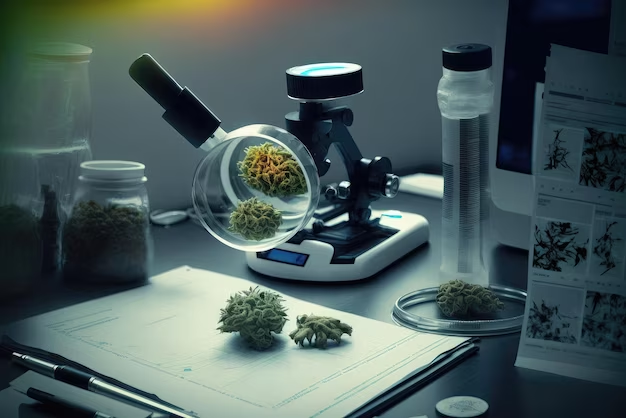
Hempstar’s medical efficacy is grounded in its unique chemical composition, which includes a balance of cannabinoids and terpenes that work synergistically to provide therapeutic effects. Cannabinoids are the active chemical compounds in cannabis, while terpenes are the aromatic oils that contribute to both the smell of the plant and its medicinal properties. Together, they create what is known as the “entourage effect,” enhancing the overall efficacy of the strain.
Cannabinoid Content
- THC (Tetrahydrocannabinol): Hempstar typically contains moderate-to-high levels of THC, ranging from 18% to 22%. This concentration is sufficient to provide potent therapeutic effects without overwhelming most patients. THC is known for its analgesic (pain-relieving), anti-inflammatory, and anti-nausea properties. Its presence in Hempstar makes it particularly effective for managing chronic pain, migraines, and nausea associated with chemotherapy.
- CBD (Cannabidiol): While Hempstar is not a high-CBD strain, it contains trace amounts of CBD (usually less than 1%). This small presence of CBD helps temper the psychoactive effects of THC and contributes its own anti-inflammatory and anxiolytic benefits. This combination is particularly helpful for patients who need relief from both physical and mental health issues.
- Other Cannabinoids: Hempstar also contains minor cannabinoids like CBG (cannabigerol) and CBN (cannabinol), which have additional medicinal properties. CBG is noted for its potential to reduce intraocular pressure, making Hempstar a possible option for glaucoma patients. CBN, a derivative of THC, has sedative properties that can aid with sleep disorders.
Terpene Profile
Hempstar’s terpene profile is both diverse and medicinally potent, contributing to its wide range of effects. The dominant terpenes found in Hempstar include:
- Myrcene: This terpene is known for its sedative and muscle-relaxing effects. Myrcene enhances THC’s analgesic properties and makes Hempstar effective for treating muscle spasms, chronic pain, and arthritis.
- Limonene: Limonene contributes a citrusy aroma and has uplifting and anti-anxiety properties. It is particularly useful for patients dealing with stress, depression, and mood disorders.
- Caryophyllene: This terpene is unique in that it also acts as a cannabinoid, binding to CB2 receptors in the endocannabinoid system. Caryophyllene has strong anti-inflammatory effects and can help with conditions like Crohn’s disease, irritable bowel syndrome, and other inflammatory disorders.
- Pinene: Pinene is known for its anti-inflammatory and bronchodilator properties, making Hempstar a potential option for patients with asthma or other respiratory conditions.
- Terpinolene: This terpene, which is less frequent, is thought to offer antibacterial and antioxidant qualities in addition to adding a delicate floral and herbal scent.
The combination of these cannabinoids and terpenes gives Hempstar its versatility in addressing a wide range of medical conditions. Its chemical profile ensures a balance of uplifting mental effects and soothing physical relief, making it an excellent option for patients with complex medical needs.
Medical Benefits of Hempstar: Comprehensive Relief for Mind and Body
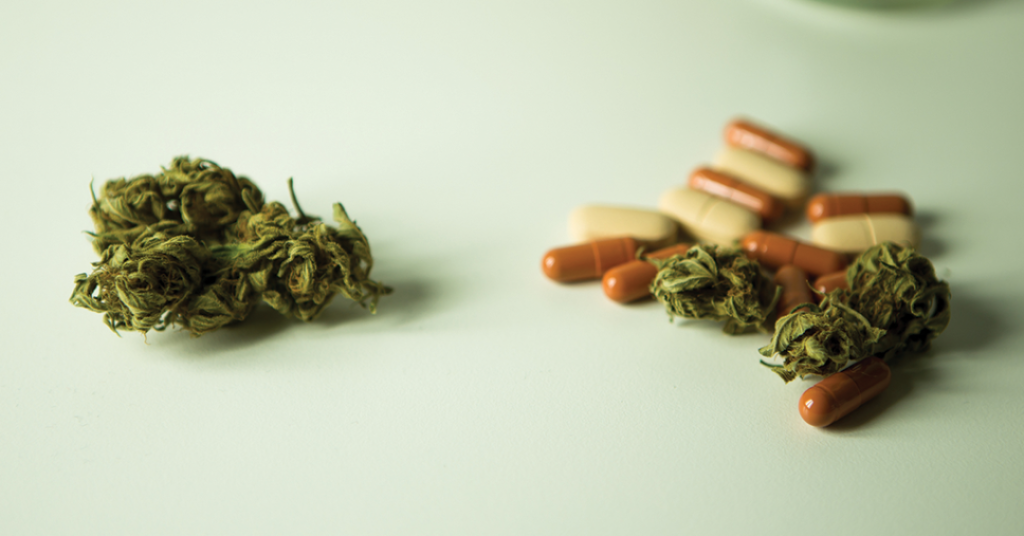
Hempstar’s medical benefits are expansive, addressing both physical and psychological ailments. Its balanced effects make it a preferred choice for patients seeking relief without excessive sedation or overstimulation. Below are some of the most notable medical applications of Hempstar.
Pain Management
Chronic pain is one of the most common conditions treated with medical cannabis, and Hempstar excels in this area due to its high THC content and complementary terpene profile. Myrcene and caryophyllene, in particular, enhance its analgesic effects, providing relief from conditions such as:
- Fibromyalgia
- Arthritis
- Migraines
- Neuropathic pain
Patients often report a noticeable reduction in pain levels without the mental cloudiness associated with some other strains or pharmaceutical painkillers.
Mental Health Support
Hempstar’s origins as “Brainstorm” are evident in its profound effects on mental clarity and emotional well-being. Its uplifting and anxiety-reducing properties make it an excellent option for patients dealing with:
- Depression: The limonene content provides mood-enhancing effects that can help alleviate feelings of sadness and hopelessness.
- Anxiety Disorders: Hempstar’s moderate THC levels, tempered by CBD and caryophyllene, reduce anxiety without exacerbating it, making it suitable for patients prone to THC-induced paranoia.
- Post-Traumatic Stress Disorder (PTSD): The strain’s ability to calm the mind and promote relaxation can be particularly beneficial for individuals with PTSD, helping them manage symptoms such as intrusive thoughts and hypervigilance.
Nausea and Appetite Stimulation
Hempstar is often recommended for patients undergoing chemotherapy or other treatments that cause nausea and appetite loss. It is an effective treatment for cancer, HIV/AIDS, and eating problems because of its THC concentration, which interacts with the endocannabinoid system to decrease nausea and increase hunger.
Sleep Disorders
While Hempstar is predominantly sativa, its balanced effects and myrcene content can help with insomnia and other sleep-related issues. Many patients find that it promotes relaxation and restful sleep, particularly when consumed in higher doses or toward the evening.
Inflammatory and Gastrointestinal Conditions
The anti-inflammatory properties of caryophyllene and THC make Hempstar a strong candidate for managing conditions like Crohn’s disease, ulcerative colitis, and irritable bowel syndrome. Its ability to reduce inflammation and pain while also calming the mind makes it a comprehensive treatment option for these often-debilitating disorders.
Neurological Conditions
Hempstar’s uplifting and neuroprotective effects make it a promising option for patients with neurological disorders such as:
- Multiple Sclerosis (MS): The strain’s ability to reduce muscle spasms and pain provides relief for MS patients.
- Epilepsy: While high-CBD strains are typically the first choice for epilepsy, Hempstar’s balanced profile may still provide some benefit for certain patients.
- Alzheimer’s Disease: By lowering oxidative stress and inflammation in the brain, THC and other cannabinoids may help reduce the progression of neurodegenerative disorders like Alzheimer’s, according to new research.
Growing Conditions: Cultivating Hempstar for Medical Purposes
Hempstar’s popularity among medical growers stems from its resilience, high yield, and adaptability to various cultivation environments. Whether grown indoors or outdoors, this strain thrives under proper conditions and produces high-quality flowers with consistent chemical profiles.
Growing Environment
Hempstar is a robust plant that can adapt to a variety of climates, but it performs best in warm, Mediterranean-like conditions. When grown outdoors, it requires plenty of sunlight and a relatively dry climate to prevent issues with mold or mildew. Indoor growers can optimize conditions to mimic its ideal environment, ensuring a stable temperature range of 70-85°F (21-29°C) and maintaining moderate humidity levels.
Soil and Nutrients
Hempstar flourishes in nutrient-rich, well-draining soil. Organic soil is often preferred by medical growers to ensure the purity of the final product. Over the course of its growth cycle, the plant needs a balanced combination of macronutrients (nitrogen, phosphorus, and potassium) and micronutrients (calcium, magnesium, and sulfur).
During the vegetative stage, Hempstar benefits from higher nitrogen levels to promote vigorous growth. Phosphorus and potassium levels should be raised during the blooming period to promote bud development and optimize the production of terpenes and cannabinoids.
Lighting and Photoperiod
As a predominantly sativa strain, Hempstar has a longer flowering period compared to indica-dominant strains. In order to trigger flowering, indoor growers should convert to a 12/12 light cycle after providing at least 18 hours of light per day during the vegetative stage. The flowering period typically lasts 9 to 11 weeks, with outdoor plants ready for harvest in mid-to-late October.
Pest and Disease Management
Hempstar is naturally resistant to many pests and diseases, making it an excellent choice for medical growers who want to minimize the use of pesticides and other chemicals. However, growers should still monitor for common issues such as spider mites, aphids, and powdery mildew. Regular pruning and proper airflow can help prevent these problems.
Harvesting and Post-Harvest Care
To maximize Hempstar’s medicinal potential, it’s important to harvest the plant at the right time. Trichomes (the resinous glands on the buds) should appear milky white with some turning amber, indicating peak cannabinoid and terpene levels. After harvest, the buds should be carefully dried and cured to preserve their chemical integrity and ensure a smooth, therapeutic experience for patients.
Restrictions on Using Hempstar in the Medical Field and Safeguards for Patient Safety

While Hempstar has demonstrated significant therapeutic potential in treating a range of medical conditions, its application in the medical field should be approached with caution and under strict regulation. The strain’s moderate-to-high THC levels and its psychoactive effects necessitate the implementation of specific restrictions to ensure it is used safely and responsibly. Medical practitioners, researchers, and regulatory authorities must take measures to limit its use to situations where no other treatment options are viable and where its benefits clearly outweigh the risks. Additionally, monitoring THC levels in formulations derived from Hempstar is critical to prevent psychoactive effects on patients, particularly in vulnerable populations such as children, the elderly, or those with a history of mental health disorders.
Restricting Hempstar to Use as a Last Resort
Hempstar’s therapeutic effects can provide meaningful relief for patients suffering from chronic and debilitating conditions, but it should not be considered a first-line treatment. As part of an ethical approach to medical cannabis use, Hempstar should only be prescribed when conventional treatments have proven ineffective, insufficient, or contraindicated due to adverse side effects. Restricting its use to cases where it is medically necessary ensures that patients are not exposed to unnecessary risks or potential dependency on THC-rich medications.
For example, patients with chronic pain, severe nausea from chemotherapy, or treatment-resistant depression might benefit from Hempstar, but only after other options such as non-cannabis-based medications or lower-THC cannabis strains have been exhausted. This restriction ensures that Hempstar is reserved for those who truly need its unique therapeutic profile, minimizing the potential for misuse and preventing unnecessary exposure to its psychoactive effects.
Monitoring THC Levels in Medical Formulations
One of the most important safeguards when using Hempstar for medical purposes is the strict monitoring and regulation of THC levels in medications. THC is the primary psychoactive compound in cannabis, and while it offers numerous therapeutic benefits—including pain relief, appetite stimulation, and anti-nausea effects—its psychoactivity can pose risks to patients. Excessive THC intake can lead to side effects such as paranoia, dizziness, impaired cognition, and increased anxiety, which could outweigh the intended medical benefits.
To address this concern, formulations derived from Hempstar must be carefully prepared and standardized to include specific THC concentrations tailored to the patient’s condition, age, weight, and overall health profile. This may involve producing pharmaceutical-grade extracts, tinctures, or capsules with clearly labeled THC content to provide precise dosing. For patients who are particularly sensitive to THC, the presence of trace CBD in Hempstar may help mitigate psychoactive effects. However, in cases where CBD levels are insufficient to balance THC, practitioners might blend Hempstar with high-CBD strains or supplement it with isolated CBD to create a more suitable therapeutic formulation.
Special Populations and Psychoactive Risk Management
Vulnerable populations, such as children, the elderly, and those with a history of mental illness, require special consideration when using Hempstar for medical purposes. Children with conditions like epilepsy or autism, for instance, should not be exposed to high levels of THC due to the potential impact on brain development and cognitive function. Similarly, elderly patients or those with dementia may be more prone to confusion, dizziness, or falls when exposed to psychoactive compounds.
To mitigate these risks, healthcare providers should start with the lowest effective dose of Hempstar-derived medication and monitor patients closely for any adverse reactions. Regular follow-ups and adjustments to dosage or formulation may be necessary to ensure both efficacy and safety.
Controlled Distribution and Usage
The use of Hempstar in medical treatments should also be restricted to controlled environments, such as licensed medical dispensaries, clinics, or hospitals. This ensures that patients have access to pharmaceutical-grade products that meet rigorous safety and quality standards. Physicians should document the justification for using Hempstar as a treatment and maintain detailed records of patient outcomes to contribute to ongoing research and policy development.
Conclusion
Hempstar stands as a testament to the growing recognition of medical cannabis in modern healthcare. Its carefully bred genetic lineage, featuring the contributions of Haze, Skunk #1, and Northern Lights, has created a strain uniquely suited for addressing a wide array of medical conditions. Its chemical profile, dominated by cannabinoids such as THC and terpenes like myrcene, limonene, and caryophyllene, delivers a therapeutic synergy that has been demonstrated to alleviate chronic pain, inflammation, nausea, mood disorders, and neurological conditions. Hempstar’s ability to balance mental clarity with physical relief makes it an effective option for managing complex medical issues where patients require both symptom control and cognitive functionality.
However, the therapeutic power of Hempstar must be wielded with caution. Its moderate-to-high THC levels demand strict monitoring to prevent unwanted psychoactive effects, particularly for vulnerable populations such as children, the elderly, or those with mental health disorders. Regulatory oversight is crucial in standardizing THC concentrations in medical formulations to ensure precise dosing and maximize patient safety. Additionally, by restricting the use of Hempstar to cases where other treatments have failed or are contraindicated, healthcare providers can mitigate risks and reserve this potent strain for patients with the most pressing medical needs.
From a cultivation standpoint, Hempstar is a resilient and adaptable strain, thriving in both indoor and outdoor environments with proper care. Its high yields, natural resistance to pests, and ability to maintain a consistent chemical profile make it a reliable choice for medical growers. Organic cultivation practices and careful harvesting further ensure the safety and efficacy of its medical applications, preserving the therapeutic compounds that patients depend on.
While Hempstar offers extensive medical benefits, it is not without its limitations. The potential for psychoactive effects and misuse highlights the importance of an ethical and controlled approach to its use. Restricting its application to the medical field and employing it as a last-resort treatment aligns with the principle of “do no harm,” ensuring that patients receive only the most appropriate and beneficial care.
In conclusion, Hempstar represents a powerful tool in the realm of medical cannabis, but its usage must be governed by careful regulation, medical expertise, and patient-specific considerations. With strict safeguards in place—such as monitoring THC levels, limiting its use to critical cases, and ensuring standardized formulations—Hempstar can serve as a reliable and effective therapeutic option for those in need. By prioritizing safety, efficacy, and ethical practices, the medical community can continue to explore and unlock the full potential of Hempstar and other cannabis-based treatments to improve the lives of patients worldwide.
