Medical Strain Analysis: Harmony – Origins, Chemical Profile, Medical Benefits, and Cultivation
The cannabis strain known as Harmony stands as a remarkable development in the intersection of botany and medical science. Harmony was specifically bred to deliver therapeutic benefits with minimal psychoactive effects, making it ideal for patients who require relief from a variety of medical conditions without significant interference with cognitive functioning. This strain exemplifies a growing trend in cannabis breeding that prioritizes targeted therapeutic benefits over recreational effects, emphasizing the importance of a balanced cannabinoid and terpene profile to address specific medical needs.
Origins and Development of Harmony
Harmony’s development traces its roots to a deliberate and precise breeding process aimed at producing a strain with a balanced ratio of tetrahydrocannabinol (THC) and cannabidiol (CBD). The origin of Harmony lies in the strategic crossbreeding of high-CBD and moderate-THC strains, with a particular focus on maintaining equilibrium between these two primary cannabinoids. This balance was pursued because of the therapeutic potential that comes from the synergistic interaction between THC and CBD—a phenomenon known as the “entourage effect.” By harnessing this effect, Harmony provides medical users with significant relief without the unwanted intensity or impairment that comes with high levels of THC.
The exact lineage of Harmony can vary depending on the specific breeder responsible for producing the strain, as multiple cultivators have developed similar phenotypes under the same name. However, the most well-known version of Harmony derives from crossing high-CBD strains like Cannatonic or ACDC with a moderately psychoactive parent like Skunk #1 or Northern Lights. Cannatonic, for instance, is renowned for its low THC and high CBD levels, making it an ideal candidate for breeding strains with potent medicinal properties. In contrast, Skunk #1 or Northern Lights adds genetic stability and robust growth characteristics, ensuring that Harmony is not only therapeutically beneficial but also easy to cultivate.
This combination of heritage strains results in Harmony’s well-rounded cannabinoid content, mild psychoactive effects, and a terpene profile tailored to medical users. Its origins reflect a growing trend in cannabis science, where breeders focus on creating functional strains that cater to specific medical conditions.
Chemical Profile of Harmony

The chemical composition of Harmony is what sets it apart as a quintessential medical strain. The balance between cannabinoids and terpenes is at the core of its therapeutic utility. Harmony typically contains a 1:1 or 1:2 ratio of THC to CBD, though the exact proportions may vary slightly depending on the specific phenotype. This balanced ratio is particularly significant in a medical context because it allows patients to benefit from THC’s pain-relieving and anti-inflammatory properties while CBD tempers its psychoactivity, promoting calmness and clarity.
Cannabinoids
- THC (Tetrahydrocannabinol): THC is the most well-known cannabinoid in cannabis, and while it is commonly associated with psychoactivity, it also has a wide array of medical benefits. In Harmony, the THC levels typically range from 4% to 8%, which is relatively low compared to recreational strains. At these levels, THC contributes to pain relief, muscle relaxation, and appetite stimulation without causing significant intoxication.
- CBD (Cannabidiol): CBD is the non-intoxicating cannabinoid that plays a central role in Harmony’s medicinal efficacy. CBD levels in Harmony often range from 8% to 12%, making it the dominant cannabinoid. CBD has been extensively studied for its anti-inflammatory, anticonvulsant, anti-anxiety, and neuroprotective properties. Its higher concentration in Harmony ensures that the strain is especially effective in treating conditions like epilepsy, chronic pain, and anxiety disorders.
Terpenes
Terpenes are the aromatic compounds found in cannabis that contribute not only to its smell and taste but also to its medical effects. Harmony’s terpene profile is designed to complement its cannabinoid content, enhancing the therapeutic experience.
- Myrcene: Known for its sedative and relaxing properties, myrcene is often the dominant terpene in Harmony. It works synergistically with THC and CBD to provide relief from pain and anxiety, making the strain particularly effective for conditions like fibromyalgia and insomnia.
- Limonene: This terpene is associated with mood elevation and stress relief. Limonene adds a subtle citrus aroma to Harmony and supports its use in treating depression, anxiety, and PTSD.
- Caryophyllene: Unique among terpenes, caryophyllene interacts with the endocannabinoid system directly, acting as a natural anti-inflammatory. This terpene enhances Harmony’s effectiveness in reducing chronic pain and inflammation, particularly for conditions like arthritis or Crohn’s disease.
- Linalool: With its floral aroma and calming effects, linalool contributes to Harmony’s ability to reduce anxiety and promote relaxation. It is also known for its potential to reduce the severity of seizures in epilepsy patients.
This balanced chemical profile makes Harmony an ideal choice for patients who need multi-faceted relief without the overwhelming effects of high-THC strains. The combination of cannabinoids and terpenes provides a tailored approach to addressing both physical and psychological symptoms.
Medical Benefits of Harmony

Harmony’s unique chemical composition allows it to address a broad spectrum of medical conditions. Its balanced THC and CBD levels, coupled with its diverse terpene profile, make it an excellent choice for patients with chronic conditions requiring long-term management. Below, we explore some of the primary medical applications of Harmony in greater detail.
Pain Management
One of the most common uses for Harmony is in managing chronic pain. The combination of THC and CBD ensures that Harmony can address pain through multiple mechanisms. THC acts on the brain’s pain receptors to dull the perception of pain, while CBD targets inflammation, which is often the root cause of chronic pain conditions. Myrcene and caryophyllene further enhance these effects by relaxing muscles and reducing inflammation.
Patients suffering from conditions like fibromyalgia, multiple sclerosis, or neuropathic pain often find significant relief with Harmony. Its mild psychoactivity also makes it suitable for daytime use, allowing patients to maintain functionality while addressing their symptoms.
Anxiety and Stress Relief
Harmony is particularly effective in treating anxiety and stress-related disorders. The high CBD content helps modulate the effects of THC, ensuring that the strain does not exacerbate anxiety—a common concern with high-THC strains. Instead, the calming effects of CBD, combined with the uplifting properties of limonene and the sedative qualities of linalool, create a sense of relaxation and well-being.
Patients with generalized anxiety disorder (GAD), social anxiety, or post-traumatic stress disorder (PTSD) may find Harmony to be an effective part of their treatment regimen. The strain’s ability to provide relief without significant intoxication makes it suitable for patients who need to remain alert and focused.
Anti-Inflammatory Properties
Inflammation underpins a wide variety of medical conditions, from autoimmune diseases like rheumatoid arthritis to gastrointestinal disorders like Crohn’s disease. Harmony’s anti-inflammatory properties are primarily driven by its high CBD content and the presence of terpenes like caryophyllene and myrcene. By targeting the inflammatory processes in the body, Harmony can reduce symptoms like swelling, pain, and stiffness.
Neurological Disorders
Harmony has shown promise in managing symptoms of neurological conditions such as epilepsy, multiple sclerosis, and Parkinson’s disease. The anticonvulsant properties of CBD are well-documented, and its high concentration in Harmony makes it particularly effective for patients with seizure disorders. Additionally, the neuroprotective effects of CBD may help slow the progression of degenerative conditions like Alzheimer’s or Parkinson’s.
Patients with multiple sclerosis may benefit from Harmony’s muscle-relaxing properties, which can reduce spasticity and improve mobility. The strain’s balanced cannabinoid profile ensures that these effects are delivered without unwanted side effects.
Insomnia and Sleep Disorders
For patients struggling with insomnia or other sleep disorders, Harmony can be an effective solution. The sedative effects of myrcene, combined with the calming influence of CBD and linalool, help to promote relaxation and ease patients into restful sleep. Unlike traditional sedatives, Harmony provides this relief without the risk of dependency or significant next-day grogginess.
Gastrointestinal Issues
Patients with gastrointestinal conditions like irritable bowel syndrome (IBS) or Crohn’s disease may find relief with Harmony. The anti-inflammatory properties of CBD, combined with THC’s ability to reduce nausea and stimulate appetite, make this strain particularly effective in managing symptoms. Additionally, the calming effects of linalool and limonene can help reduce stress-related flare-ups of GI conditions.
Growing Conditions for Harmony

Harmony’s popularity as a medical strain has led to widespread cultivation, and its robust genetics make it accessible to both professional growers and patients with home cultivation permits. The strain thrives in both indoor and outdoor environments, though specific conditions must be met to maximize its therapeutic potential.
Climate and Environment
Harmony prefers a Mediterranean climate with warm days and cool nights. Outdoor growers should aim for temperatures between 70°F and 85°F (21°C to 29°C) during the day, with slightly cooler temperatures at night. The strain is moderately resistant to pests and mold, making it a reliable choice for outdoor cultivation in areas with consistent weather.
For indoor cultivation, temperature and humidity levels should be closely monitored. The ideal relative humidity for Harmony ranges from 40% to 50% during the vegetative stage and 30% to 40% during flowering. Proper ventilation is essential to prevent mold and mildew, particularly given the strain’s dense bud structure.
Lighting and Nutrients
Harmony responds well to both natural sunlight and artificial grow lights. Indoor growers often use LED or high-pressure sodium (HPS) lights to provide the optimal spectrum for growth. A typical feeding schedule is needed by the strain, with special emphasis paid to nitrogen during the vegetative stage and phosphorus and potassium during the blooming stage.
Organic growing methods are often recommended for medical strains like Harmony to ensure that the final product is free of pesticides and synthetic chemicals. Many growers use compost teas, organic fertilizers, and natural pest control methods to maintain the strain’s purity.
Harvesting and Curing
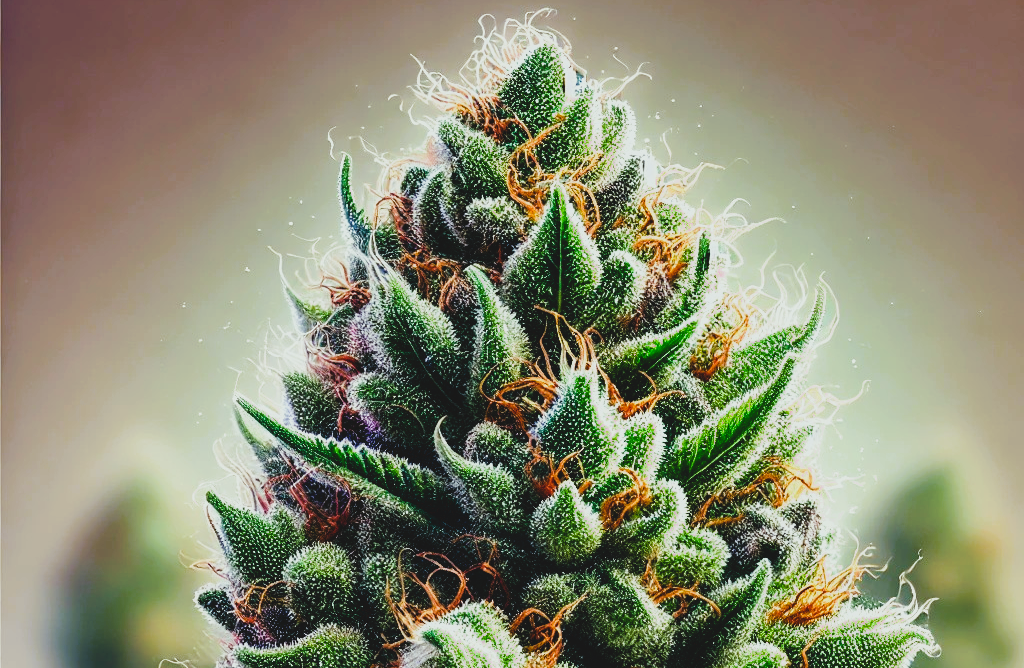
Harmony typically flowers within 8 to 10 weeks when grown indoors, while outdoor plants are ready for harvest in late September or early October. The strain’s buds are dense and resinous, with a pale green hue and vibrant orange pistils.
Proper curing is essential to preserve Harmony’s therapeutic properties. After harvesting, the buds should be dried in a dark, cool room with good airflow for 7 to 10 days. Once dried, they should be cured in airtight containers for at least two weeks to enhance the flavor and potency.
Restrictions on Using Harmony in the Medical Field and Ensuring THC Monitoring
Despite the promising therapeutic potential of Harmony, its use in the medical field must be approached with caution, emphasizing strict guidelines and restrictions to ensure patient safety and treatment efficacy. As with all cannabis-based treatments, Harmony should be considered a last-resort option when conventional medications or therapies have failed to provide adequate relief or have caused intolerable side effects. Furthermore, meticulous monitoring of THC levels in medications derived from Harmony is crucial to minimize psychoactive effects and maintain a focus on medical, rather than recreational, outcomes.
Harmony as a Last-Resort Option
In the context of medical cannabis, strains like Harmony are most appropriate for patients whose conditions are refractory to standard treatments. Physicians are advised to explore and exhaust evidence-based conventional therapies before recommending cannabis-based options. For instance, patients with chronic pain should first attempt therapies such as non-steroidal anti-inflammatory drugs (NSAIDs), physical therapy, or nerve blocks. Similarly, individuals with anxiety or insomnia should initially try psychotherapy, cognitive behavioral therapy (CBT), or pharmacological treatments like selective serotonin reuptake inhibitors (SSRIs) or sleep aids.
The rationale behind limiting Harmony’s use to a last-resort option is to prevent over-reliance on cannabis treatments and ensure that medical cannabis remains a well-regulated therapeutic tool. Additionally, cannabis-based treatments, including those derived from Harmony, may not be suitable for all patients due to potential drug interactions or contraindications with existing medical conditions, such as severe psychiatric disorders or cardiovascular diseases. By restricting Harmony’s use to patients who have not responded to conventional approaches, healthcare providers can minimize unnecessary exposure to cannabinoids while focusing on patients who are most likely to benefit.
Monitoring THC Levels in Medications
To prevent unwanted psychoactive effects in patients, careful monitoring and standardization of THC levels in Harmony-derived medications are essential. THC, while beneficial in small doses for pain relief, appetite stimulation, and muscle relaxation, can cause cognitive impairment, anxiety, and dizziness when consumed in higher amounts. For this reason, medical formulations using Harmony must maintain strict control over THC concentrations.
Regulatory frameworks should mandate that any medication derived from Harmony contains low THC levels, ideally below 1-5 mg per dose, depending on the condition being treated. These levels should align with evidence-based thresholds that are unlikely to induce psychoactive effects while still providing therapeutic benefits. Testing and quality control protocols should be implemented to verify THC concentrations during every stage of production, from cultivation to the final pharmaceutical formulation.
Additionally, healthcare providers prescribing Harmony-based medications should monitor their patients closely for signs of psychoactive effects, adjusting dosages or discontinuing use if necessary. The involvement of clinical pharmacists in these cases can ensure that treatment regimens are optimized for safety and efficacy, particularly in vulnerable populations like children, the elderly, or individuals with a history of substance use disorders.
Conclusion: Harmony’s Role in Medical Cannabis and Its Responsible Use
Harmony stands as a prime example of a cannabis strain designed specifically to meet the needs of the medical community, offering targeted therapeutic benefits through its balanced cannabinoid and terpene profile. Its origins in carefully controlled breeding practices reflect the growing focus on evidence-based, patient-centered cannabis medicine. With its 1:1 or 1:2 ratio of THC to CBD, Harmony is tailored to provide effective relief for a wide range of medical conditions, including chronic pain, inflammation, anxiety, neurological disorders, and sleep disturbances, without inducing significant psychoactive effects. However, the strain’s use must be implemented responsibly, with careful consideration of patient needs, appropriate regulations, and clear safety protocols.
The chemical profile of Harmony, rich in CBD and therapeutic terpenes like myrcene, limonene, and caryophyllene, exemplifies the potential of cannabis to function as a multifaceted medical tool. The entourage effect resulting from the interaction between cannabinoids and terpenes amplifies the strain’s medical efficacy, making it particularly valuable in treating conditions resistant to traditional treatments. Harmony’s ability to provide relief from both physical and psychological symptoms while allowing patients to maintain clarity and functionality highlights its unique suitability for medical use.
However, the use of Harmony in the medical field must adhere to stringent guidelines to ensure it remains a safe and effective option. Its application should be limited to cases where other treatments have failed, establishing it as a last-resort option for patients with chronic or debilitating conditions. This restriction helps maintain the integrity of medical cannabis treatments and ensures that their use is justified by necessity rather than convenience. Moreover, healthcare professionals must consider individual patient factors, such as pre-existing medical conditions, potential drug interactions, and susceptibility to cannabis’s effects, when recommending Harmony-based therapies.
Monitoring THC levels in Harmony-derived medications is another critical aspect of ensuring safe medical use. While THC plays a vital role in the strain’s therapeutic effects, particularly for pain relief and muscle relaxation, excessive levels can lead to undesirable psychoactive effects. To mitigate these risks, regulatory standards must enforce strict quality control measures to standardize THC concentrations in all medical formulations. These protocols will ensure that patients benefit from Harmony’s therapeutic properties without cognitive impairment or other psychoactive side effects. Physicians, pharmacists, and caregivers also have an essential role in overseeing patients’ treatment progress, adjusting dosages, and addressing any adverse reactions.
From a cultivation perspective, Harmony’s robust genetics and adaptability to various growing environments make it accessible to both commercial producers and patients who are permitted to cultivate their medicine. However, proper cultivation techniques, including organic growing practices, careful harvesting, and curing, are crucial to preserving the strain’s therapeutic properties and ensuring a consistent, high-quality product.
In conclusion, Harmony embodies the potential of medical cannabis to transform patient care when used responsibly and under appropriate supervision. Its well-rounded chemical profile, targeted medical applications, and relatively low psychoactive effects make it an invaluable tool in the medical arsenal for treating chronic and complex conditions. By enforcing strict regulations, maintaining careful oversight, and restricting its use to medically justified cases, Harmony can continue to serve as a cornerstone of medical cannabis therapy, providing relief and improving the quality of life for patients in need.
