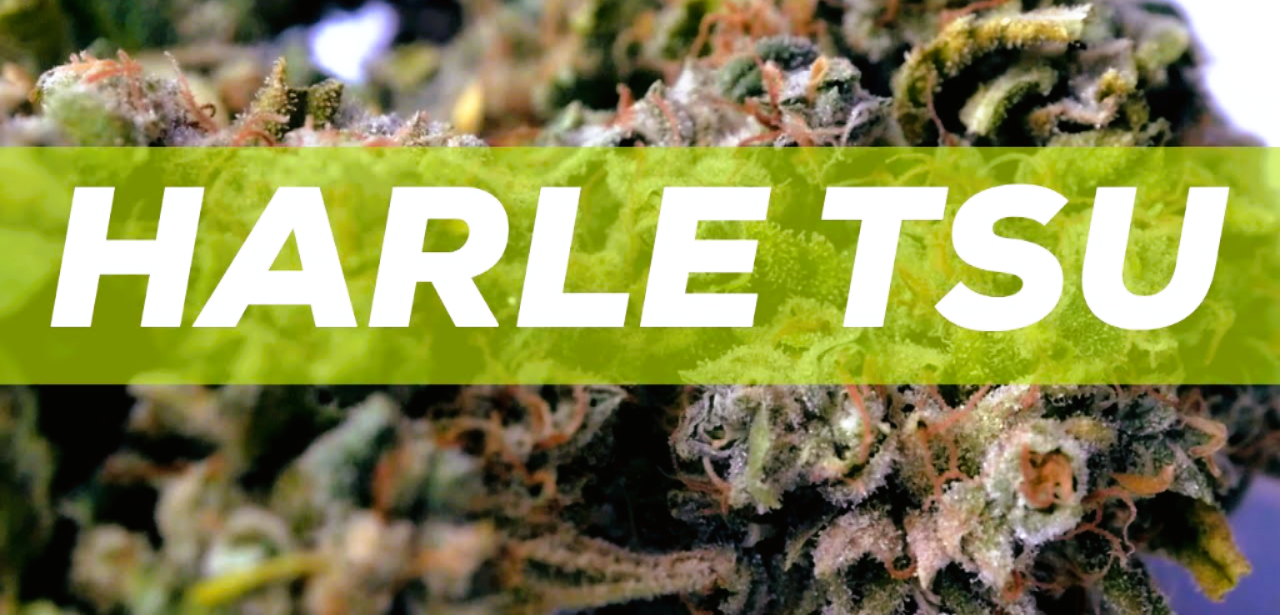
Medical Strain Analysis: Harle-Tsu
-
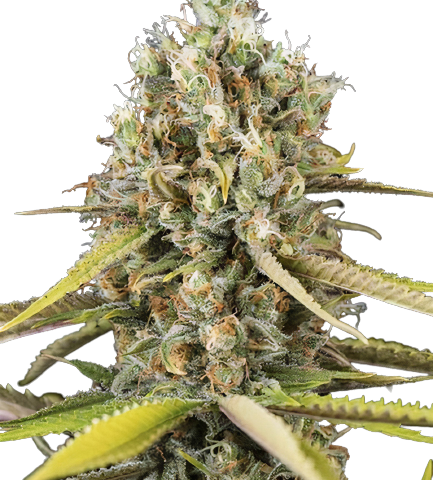 Harle-Tsu CBD Cannabis SeedsFrom: $24.99
Harle-Tsu is a high-CBD cannabis strain well-regarded for its exceptional therapeutic qualities, primarily without psychoactive effects. Originating from a combination of two esteemed strains, Harlequin and Sour Tsunami, Harle-Tsu has been cultivated specifically for patients seeking relief from various ailments without experiencing the intoxicating effects of high-THC cannabis. The strain is notable for its remarkable balance in cannabinoid profile, its unique terpene composition, and its ability to address a wide range of health conditions.
Origins of Harle-Tsu
Harle-Tsu was developed through the purposeful crossing of Harlequin and Sour Tsunami, two strains known for their high CBD content and therapeutic potential. Harlequin, one of its parent strains, is a sativa-dominant strain celebrated for its consistently high CBD levels, often testing at around 5:2 CBD-to-THC ratios. Sour Tsunami, on the other hand, was one of the first cannabis strains bred specifically for its high CBD content. Developed by Lawrence Ringo, a pioneer in CBD-rich cannabis breeding, Sour Tsunami set the stage for high-CBD strains to be appreciated for their medicinal benefits, marking a significant shift in how cannabis was used for health purposes.
By crossing these two high-CBD strains, Harle-Tsu was created as a unique hybrid with an emphasis on therapeutic effects. Unlike most cannabis strains that are cultivated for higher THC content, Harle-Tsu’s primary focus is on CBD, with an optimal balance of cannabinoids tailored for medical use. This strain’s unique profile has made it a popular choice among patients and cultivators interested in cannabis’ healing potential, as it effectively minimizes psychoactive effects and enhances medicinal benefits.
Chemical Profile of Harle-Tsu
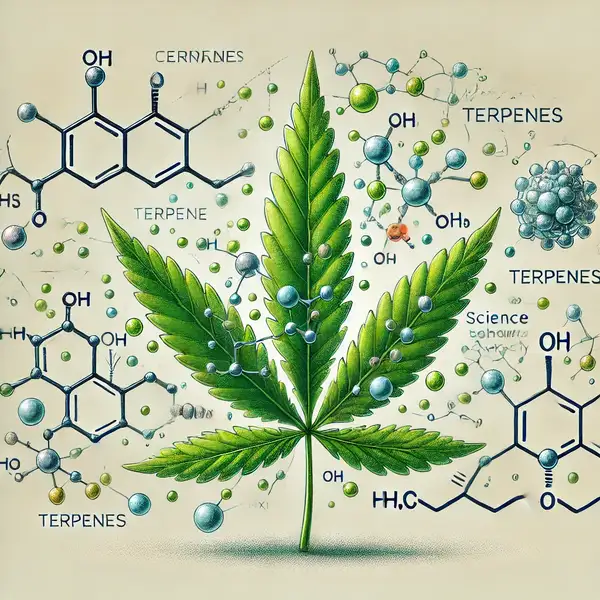
Harle-Tsu’s chemical profile is characterized by a high CBD-to-THC ratio, often falling in the range of 20:1, with some phenotypes showing even higher CBD percentages. The THC content in Harle-Tsu is usually below 1%, making it almost non-psychoactive. The CBD content, however, can reach up to 10% or more, depending on growing conditions and the specific phenotype. This balance creates a strain that harnesses the therapeutic effects of CBD while minimizing the cognitive impact of THC, which can be particularly valuable for patients needing relief throughout the day without cognitive impairment.
Cannabinoids in Harle-Tsu work synergistically through the “entourage effect,” where CBD, THC, and other cannabinoids interact to enhance the therapeutic properties of the strain. The endocannabinoid system (ECS), which is involved in the regulation of many physiological processes, including pain, inflammation, sleep, and mood, is influenced by cannabinoids. Because of its ability to alter immune function and reduce inflammation through its influence on CB1 and CB2 receptors, CBD is a chemical that can be used to treat a variety of illnesses.
Harle-Tsu has a distinct terpene profile that adds to its medicinal qualities in addition to its high THC concentration. The primary terpenes found in Harle-Tsu include:
- Myrcene – Known for its calming and sedative properties, myrcene can enhance the pain-relieving effects of CBD and help reduce muscle spasms.
- Pinene – Recognized for its anti-inflammatory and bronchodilator properties, pinene can support respiratory health and improve alertness, which may counterbalance the sedative effects of myrcene.
- Caryophyllene – Acting as an anti-inflammatory and pain reliever, caryophyllene binds directly to CB2 receptors, which makes it particularly effective for conditions involving inflammation and chronic pain.
- Humulene – This terpene has anti-inflammatory properties and can contribute to Harle-Tsu’s effectiveness in alleviating symptoms related to arthritis and similar inflammatory conditions.
Together, these terpenes work in harmony with CBD and other cannabinoids, creating a holistic effect that addresses a wide range of symptoms without the need for high THC content.
Medical Benefits of Harle-Tsu
Harle-Tsu has garnered attention in the medical cannabis community due to its versatility in treating various conditions. Its high CBD content offers extensive benefits for patients with chronic pain, inflammation, anxiety, and other health issues. Below are some of the most notable therapeutic applications of Harle-Tsu.
- Chronic Pain Management
One of the most widely recognized applications of Harle-Tsu is in the management of chronic pain. CBD’s ability to influence the body’s endocannabinoid system helps modulate pain perception. By inhibiting the reuptake of anandamide, a neurotransmitter that plays a role in pain regulation, CBD can provide substantial relief from pain without the risk of addiction or dependency often associated with conventional painkillers. Furthermore, a terpene called caryophyllene, which is present in Harle-Tsu, binds to CB2 receptors to aid individuals with fibromyalgia, arthritis, and neuropathy feel less pain and inflammation.
- Inflammation and Autoimmune Conditions
Harle-Tsu’s anti-inflammatory properties make it a beneficial choice for patients with autoimmune and inflammatory conditions. CBD has demonstrated potential in lowering the production of cytokines, which are essential for inflammation and immunological response. This characteristic makes Harle-Tsu appropriate for diseases where inflammation is a primary symptom, such as multiple sclerosis, rheumatoid arthritis, and Crohn’s disease. The terpenes in Harle-Tsu, particularly humulene and caryophyllene, work synergistically with CBD to target inflammation, potentially providing relief from symptoms like joint pain, swelling, and stiffness.
- Anxiety and Stress Relief
Harle-Tsu is also effective in alleviating symptoms related to anxiety and stress, which is primarily due to CBD’s interaction with serotonin receptors in the brain. Unlike THC, which can sometimes exacerbate anxiety, CBD has anxiolytic effects that promote a sense of calm and relaxation. The myrcene in Harle-Tsu may further enhance these calming effects, making it an ideal strain for patients dealing with conditions like generalized anxiety disorder (GAD), social anxiety disorder (SAD), and post-traumatic stress disorder (PTSD). By stabilizing mood and reducing anxiety, Harle-Tsu offers an alternative to pharmaceuticals that can carry side effects or risk of dependency.
- Epilepsy and Seizure Disorders
CBD has been extensively studied for its anticonvulsant properties, and Harle-Tsu’s high CBD content makes it a potential option for managing seizure disorders, including epilepsy. The FDA-approved drug Epidiolex, a CBD-based medication, has already demonstrated CBD’s efficacy in reducing the frequency and severity of seizures in patients with conditions like Dravet syndrome and Lennox-Gastaut syndrome. For patients who seek a natural option, Harle-Tsu may provide similar benefits without the intoxicating effects of THC. Regular use of Harle-Tsu has shown potential for reducing seizure activity, particularly in patients with treatment-resistant epilepsy.
- Support for Neurological Conditions
Harle-Tsu is gaining recognition as a supportive therapy for various neurological conditions. Because of its neuroprotective qualities, CBD can help people with diseases like amyotrophic lateral sclerosis (ALS), Parkinson’s disease, and Alzheimer’s disease. By reducing oxidative stress and inflammation in the brain, CBD can slow the progression of neurodegenerative diseases and improve quality of life for patients. Additionally, CBD’s influence on the ECS can help manage symptoms such as muscle rigidity, tremors, and cognitive decline, making Harle-Tsu an attractive option for long-term neurological support.
- Improvement of Mood and Sleep Quality
For patients with mood disorders, Harle-Tsu can offer relief due to CBD’s interaction with the serotonin system. Low serotonin levels are associated with depression, and CBD’s ability to increase serotonin receptor activity can improve mood stability. Furthermore, the sedative effects of myrcene make Harle-Tsu beneficial for sleep disorders. Patients with insomnia or disrupted sleep patterns may find that Harle-Tsu promotes relaxation and enhances sleep quality, which can improve overall well-being.
Growing Conditions for Harle-Tsu
Cultivating Harle-Tsu requires attention to detail, especially given the need to preserve its high CBD content and unique terpene profile. This strain can be grown both indoors and outdoors, though indoor cultivation provides greater control over environmental factors, allowing cultivators to maximize CBD production.
Indoor Cultivation
Harle-Tsu thrives in a stable indoor environment where temperature, humidity, and light can be carefully regulated. Optimal conditions for indoor growth include a temperature range of 70-80°F during the day and slightly cooler temperatures at night. To stop mold and mildew from growing, humidity levels between 40 and 50 percent must be maintained, particularly during the blossoming stage. Indoor growers often use high-intensity lighting, such as LED or HPS lights, to promote healthy growth and enhance cannabinoid and terpene production.
To cultivate Harle-Tsu to its full potential, regular pruning and training techniques are recommended. These methods help increase light penetration and airflow, which encourages healthy bud development and reduces the risk of mold. Harle-Tsu typically has a flowering time of 8-9 weeks, and growers should monitor trichome development to determine the optimal harvest time. For a high-CBD strain like Harle-Tsu, harvesting slightly earlier can help preserve CBD content, as CBD tends to degrade into other cannabinoids as the plant matures.
Outdoor Cultivation
For outdoor growth, Harle-Tsu does well in a warm, sunny climate with moderate humidity. This strain is relatively resilient but can be susceptible to mold and pests if not properly cared for. It’s best suited for regions with a Mediterranean-like climate, where the plant can receive ample sunlight and maintain optimal temperatures. Outdoor plants should be spaced adequately to ensure sufficient airflow, and regular inspections for pests and signs of disease are crucial for a healthy harvest.
When grown outdoors, Harle-Tsu usually reaches maturity by early to mid-October, depending on the climate and specific growing conditions. Outdoor-grown Harle-Tsu may yield slightly lower CBD levels than indoor plants, but the overall terpene profile often becomes more pronounced due to natural sunlight and environmental factors.
Soil and Nutrients
Harle-Tsu grows best in nutrient-rich, well-draining soil. Organic soil blends are preferred as they provide the necessary micronutrients and promote healthy microbial activity, which can enhance terpene development. During the vegetative stage, a nitrogen-rich fertilizer will encourage robust growth. As the plant transitions into flowering, cultivators should shift to a phosphorus and potassium-rich nutrient blend to support bud formation and potency.
In both indoor and outdoor settings, it’s important to monitor the pH level of the soil, keeping it within the ideal range of 6.0-6.5 for optimal nutrient absorption. Regularly flushing the soil during the final weeks before harvest can also help improve the flavor and quality of the buds by removing excess nutrients.
Restrictions on Using Harle-Tsu in the Medical Field and as a Last Resort
In the medical field, cannabis-based treatments, including those derived from high-CBD strains like Harle-Tsu, are often subjected to strict regulations and are typically reserved for cases where traditional medications have proven insufficient. While Harle-Tsu is renowned for its therapeutic benefits and non-psychoactive properties due to its high CBD-to-THC ratio, there are essential guidelines and limitations in place for its medical use. These restrictions help to ensure patient safety, prevent unintended psychoactive effects, and reserve cannabis treatments as a secondary or last-resort option in many healthcare settings.
Restricted Use as a Last-Resort Therapy
In most medical jurisdictions, cannabis-based treatments like Harle-Tsu are prescribed only when conventional medications or therapies have been ineffective. This means that for patients with chronic pain, epilepsy, anxiety, or other conditions where Harle-Tsu may provide relief, healthcare providers must first exhaust traditional treatments before turning to cannabis. This restriction stems from the need for a comprehensive evaluation of a patient’s response to standard therapies and a thorough risk assessment before introducing cannabis into their treatment plan.
The “last-resort” designation is particularly significant for vulnerable patient populations, such as children, the elderly, and those with mental health conditions. Medical practitioners carefully weigh the potential benefits of Harle-Tsu against any potential risks, given that long-term studies on CBD-rich cannabis strains are still ongoing. This cautious approach aligns with the broader regulatory framework that seeks to protect patients while allowing access to promising alternative treatments when needed.
Monitoring THC Levels to Prevent Psychoactive Effects
Despite Harle-Tsu’s low THC content, regulatory agencies and healthcare providers take significant steps to monitor THC levels in medications derived from this strain. THC, or tetrahydrocannabinol, is the primary psychoactive compound in cannabis, and even in minimal quantities, it can produce mild psychoactive effects in some individuals, particularly those with heightened sensitivity. To ensure that Harle-Tsu-based treatments remain non-intoxicating, medical formulations derived from the strain undergo rigorous testing to verify their THC content.
In most cases, Harle-Tsu products intended for medical use must have THC levels below 0.3% to meet non-psychoactive standards. Pharmaceutical companies and medical cannabis producers are required to document and certify the cannabinoid profile of their products, including precise CBD and THC concentrations. This level of scrutiny allows medical professionals to confidently prescribe Harle-Tsu to patients who may be particularly sensitive to THC’s effects, ensuring that they receive the therapeutic benefits of CBD without cognitive impairment.
The monitoring of THC levels is particularly important for pediatric patients and elderly individuals who may experience adverse effects even from low doses of THC. Additionally, some jurisdictions have established strict guidelines for THC content in medical cannabis products, with the intention of preserving the medicinal intent of cannabis while eliminating any potential for psychoactive effects. This oversight is vital for upholding the trust and safety of patients in the medical cannabis system, as it reinforces the distinction between medicinal and recreational cannabis use.
Standardized Dosages and Consistent Cannabinoid Profiles
To comply with medical standards, Harle-Tsu-derived products are often subject to rigorous dosing guidelines. Standardized doses help ensure consistent and predictable effects, allowing healthcare providers to more accurately gauge the effectiveness of Harle-Tsu in managing specific conditions. For example, patients with chronic pain may require a different CBD-to-THC ratio than those using Harle-Tsu for anxiety or neurological support. Medical manufacturers work to produce products that deliver consistent cannabinoid profiles, maintaining the high CBD, low THC formulation that makes Harle-Tsu ideal for therapeutic use.
Standardized dosing also assists in reducing the risk of accidental intoxication. Even small variations in THC content can lead to unexpected psychoactive effects, particularly when patients take their medication regularly over extended periods. By providing tightly regulated doses, healthcare providers can ensure that Harle-Tsu’s therapeutic potential is maximized without compromising patient comfort or safety.
Patient Education and Ongoing Monitoring
Patients prescribed Harle-Tsu-based treatments are typically provided with detailed instructions and ongoing monitoring to ensure safe and effective use. Education on proper usage, potential side effects, and signs of adverse reactions is crucial, as it empowers patients to manage their condition effectively while minimizing risks. Medical providers also often schedule follow-up appointments to assess the treatment’s efficacy and make dosage adjustments if necessary.
Healthcare providers may also monitor patients for any signs of THC sensitivity, even with the strain’s minimal THC content. Rarely, even minute levels of THC might cause moderate adverse effects including tiredness or vertigo. Ongoing monitoring allows providers to make timely adjustments, whether that involves changing the dosage or switching to alternative treatments, should any unwanted effects occur.
Conclusion
In summary, Harle-Tsu represents a significant advancement in the medical cannabis field, offering a high-CBD, low-THC profile tailored for therapeutic purposes with minimal psychoactive impact. Developed from the strains Harlequin and Sour Tsunami, Harle-Tsu was bred specifically for its medicinal qualities, addressing chronic pain, inflammation, anxiety, and neurological conditions while preserving patient cognitive clarity. Its unique chemical profile and terpene composition allow it to provide potent symptom relief, positioning it as a viable treatment option for patients seeking alternatives to conventional pharmaceuticals.
Regulatory controls play a crucial role in managing Harle-Tsu’s use in medical settings, restricting its application to last-resort cases where traditional therapies have been ineffective. These restrictions, along with careful THC level monitoring, ensure that Harle-Tsu remains a non-intoxicating option that upholds patient safety. The strain’s standardized dosages, consistent cannabinoid profiles, and detailed patient education further enhance its therapeutic potential, allowing healthcare providers to tailor treatment to individual needs with confidence.
In all, Harle-Tsu exemplifies the responsible integration of cannabis in medical practice, demonstrating how thoughtful strain selection, regulatory oversight, and patient-centered care can create effective and safe alternative treatments. By adhering to established guidelines and reserving Harle-Tsu as a carefully monitored, last-resort therapy, the medical field can leverage its benefits responsibly, offering patients a path to relief where other treatments have failed.
