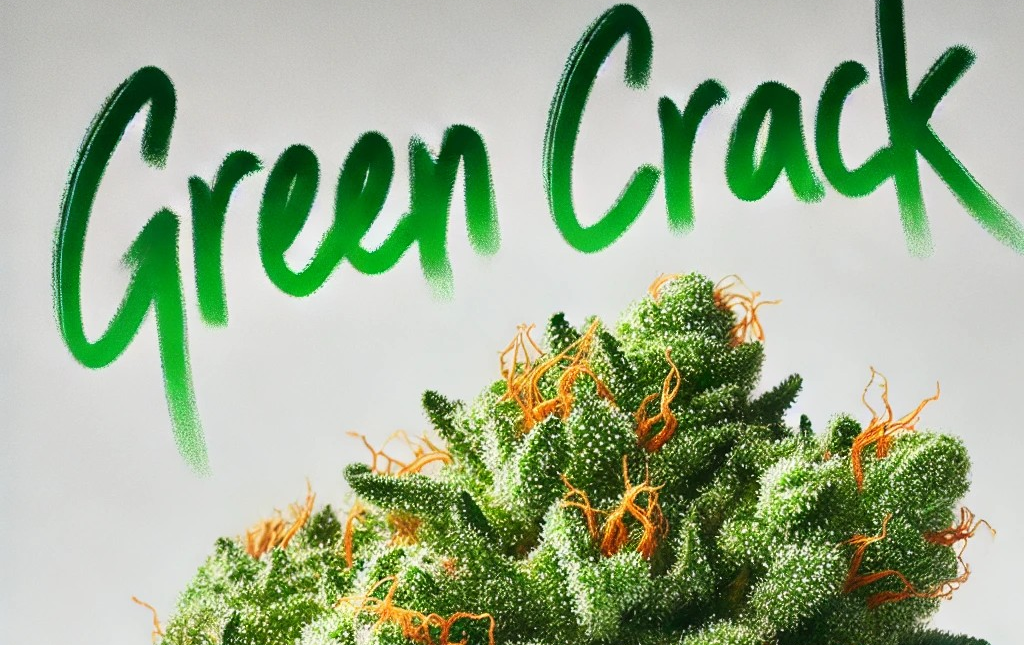
Medical Strain Analysis: Green Crack
Green Crack is a well-known sativa-dominant strain that has attracted attention in both the medical and cultivation communities due to its unique profile, offering significant potential benefits for various medical conditions. With a rich chemical profile and a long history, this strain is well-known for its uplifting and invigorating effects, making it a good choice for anyone looking to treat certain medical conditions. Here, we’ll explore Green Crack’s origins, its cannabinoid and terpene profile, medical benefits, and optimal growing conditions, with a focus on how this strain can support health and well-being without emphasizing recreational use.
Origins and Background of Green Crack
Green Crack’s origin story is notable, both for its lineage and its evolution over time. The strain is believed to have first appeared in the 1970s as a cross between two potent parent strains: Skunk #1 and an Afghani landrace. Skunk #1, a hybrid of Mexican, Columbian, and Afghani genetics, was renowned for its balanced profile and strong resistance to pests and molds, characteristics that are often sought after in breeding new strains. Meanwhile, the Afghani landrace, known for its rich and sedative indica properties, contributed stability, resilience, and unique terpene characteristics to the Green Crack strain.
Initially known as “Cush” or “Green Cush,” the strain gained notoriety in the 1990s when cannabis enthusiast and artist Snoop Dogg reportedly dubbed it “Green Crack” due to its potent, highly energetic effects. However, in medical contexts, the term “Green Crack” can be controversial due to connotations associated with its name, leading some communities and dispensaries to refer to it simply as “Green Cush.” Despite its nickname, Green Crack remains highly regarded for its potential in the medical marijuana sphere, especially for those seeking energy, focus, and relief from various psychological and physical symptoms.
Chemical Profile of Green Crack
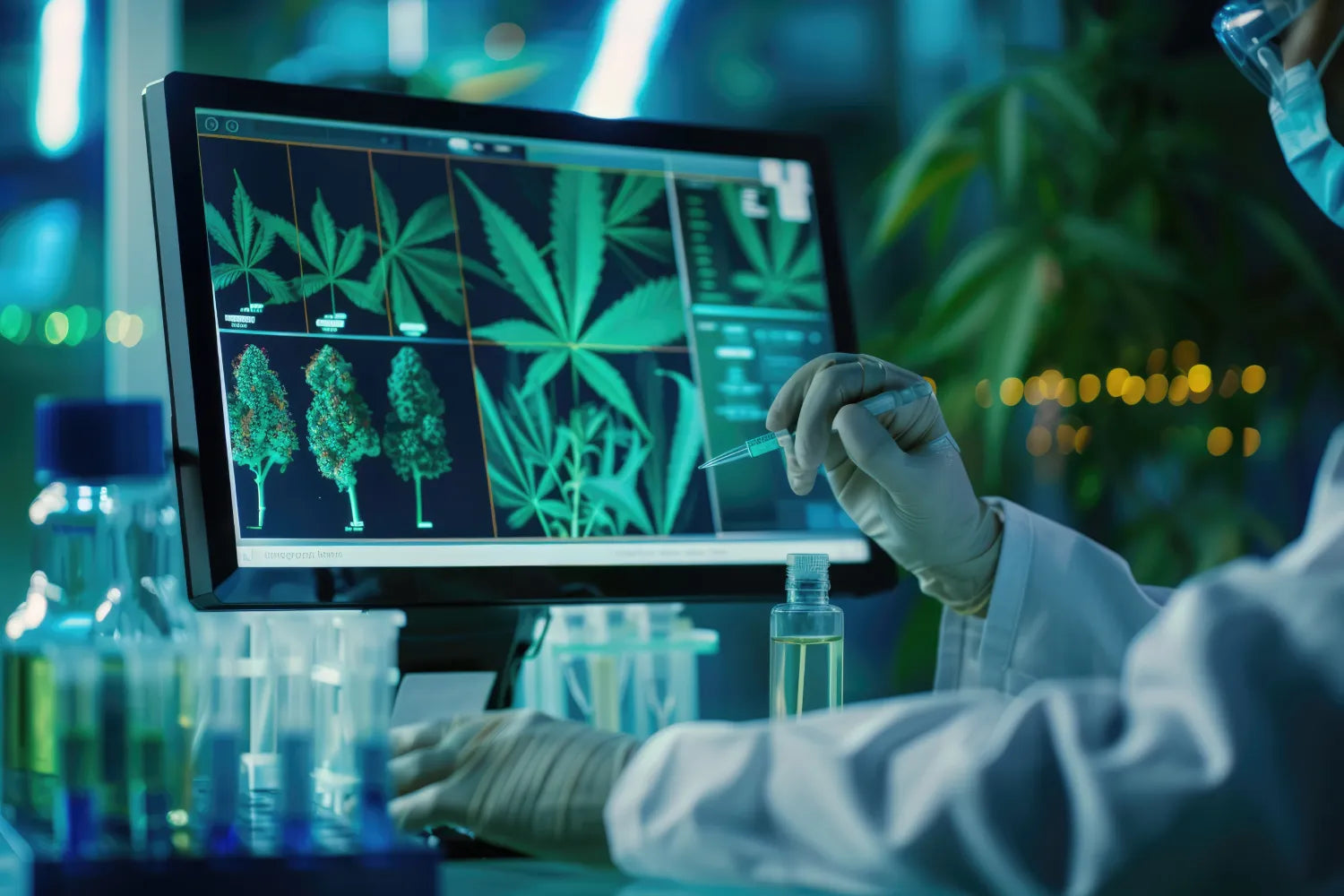
Green Crack’s chemical composition includes a mix of cannabinoids and terpenes, which work synergistically to provide its distinctive therapeutic effects. The strain is predominantly sativa, with THC levels generally ranging from 15% to 25%. Although THC is its most abundant cannabinoid, Green Crack also contains a noteworthy presence of other cannabinoids and terpenes, making it a strain with multifaceted effects.
Cannabinoid Content
- THC (Tetrahydrocannabinol): The primary psychoactive compound in Green Crack, THC levels typically range between 15% and 25%, contributing to the strain’s stimulating and uplifting properties. In medical use, THC is known to offer significant benefits in pain relief, anti-nausea effects, and appetite stimulation. For patients suffering from depression or fatigue, THC’s ability to elevate mood can be an essential part of managing symptoms.
- CBD (Cannabidiol): Although present in lower quantities, CBD contributes to Green Crack’s medical effects by potentially modulating the strain’s psychoactivity. With trace amounts of CBD, typically below 1%, the strain’s THC effects can be slightly tempered, making the high more manageable for patients while allowing them to benefit from CBD’s anti-anxiety, anti-inflammatory, and neuroprotective properties.
- CBG (Cannabigerol): Green Crack may contain trace levels of CBG, a non-psychoactive cannabinoid known for its potential in reducing inflammation, promoting neuroprotection, and offering antibacterial properties. Although present in minimal quantities, CBG enhances the strain’s therapeutic profile.
Terpene Profile
Terpenes are natural substances that give cannabis strains their unique flavor and scent. In Green Crack, several terpenes contribute to its citrusy, earthy, and tropical scent, and each terpene plays a part in shaping its medical benefits.
- Myrcene: Known for its sedative and muscle-relaxing properties, myrcene contributes a subtle calming effect that complements Green Crack’s energetic high, potentially helping to ease anxiety and minor muscle pain. This terpene is also believed to increase the permeability of cell membranes, potentially enhancing cannabinoid absorption.
- Caryophyllene: A terpene with anti-inflammatory and analgesic properties, caryophyllene is unique in its ability to bind to CB2 receptors, which are associated with immune modulation. In Green Crack, caryophyllene may offer relief from pain and inflammation, making the strain particularly beneficial for patients with arthritis, Crohn’s disease, or other inflammatory conditions.
- Pinene: Known for its bronchodilator effects, pinene can be particularly helpful for patients with asthma or respiratory issues. Additionally, pinene is recognized for its memory-enhancing and alertness-promoting qualities, which complement the uplifting effects of Green Crack and may aid those with focus-related challenges or neurodegenerative conditions.
- Limonene: A citrus-scented terpene known for its mood-enhancing and anti-anxiety properties, limonene contributes to the energizing and mood-boosting effects of Green Crack. Its presence makes the strain a useful option for patients with anxiety and depression, adding to the uplifting experience that Green Crack is renowned for.
Medical Benefits of Green Crack
Green Crack’s profile makes it a suitable candidate for addressing a range of medical conditions. Its energizing nature, combined with its unique blend of cannabinoids and terpenes, offers patients a powerful tool for managing symptoms related to mental health, pain, and more.
1. Mental Health: Depression, Anxiety, and ADHD
Managing mood disorders, especially anxiety and depression, is one of Green Crack’s main medical applications. The strain’s high THC content and limonene presence can stimulate the release of serotonin and dopamine, two neurotransmitters associated with mood regulation. For individuals with depression, Green Crack’s energizing effects can provide a welcome respite from lethargy and lack of motivation, common symptoms in depressive episodes.
For patients with anxiety, Green Crack’s pinene and limonene can help create a sense of calm focus without the sedation associated with many indica strains. However, due to its stimulating nature, Green Crack is best suited for patients whose anxiety symptoms align with fatigue or low mood rather than those with severe anxiety, as high THC levels can sometimes exacerbate anxiety.
Green Crack is also regarded as beneficial for patients with ADHD or ADD, as its sativa properties can enhance focus and alertness. The presence of pinene and caryophyllene, terpenes that are linked with improved memory retention and neuroprotection, may help patients with ADHD in managing distractibility and maintaining a clearer train of thought.
2. Chronic Fatigue Syndrome and Low Energy
Chronic Fatigue Syndrome (CFS) and other fatigue-related conditions can severely impact quality of life, limiting a person’s ability to perform daily activities. Green Crack’s reputation for delivering an energetic and motivating effect makes it a suitable strain for those dealing with low energy levels. By stimulating both the mind and body, the strain provides a lift that can help CFS patients regain functionality for a period, potentially allowing them to manage essential tasks or improve their engagement in activities that require focus and stamina.
The strain’s high THC content, coupled with the terpene profile, works to combat lethargy without creating the jitteriness associated with stimulants. Instead, Green Crack provides a smooth, sustained boost that helps patients feel invigorated and alert, a feature that can be especially helpful in combating fatigue brought on by certain medical conditions or treatments.
3. Pain Management and Inflammation
Chronic pain is another area where Green Crack has proven to be helpful. Thanks to its caryophyllene content, Green Crack offers anti-inflammatory benefits that can reduce pain caused by conditions such as arthritis, fibromyalgia, or neuropathic pain. While Green Crack does not provide the heavy body-numbing effects characteristic of indica strains, it does offer a sense of lightness and ease in movement, which can be beneficial for those who need pain relief without sedation.
Moreover, Green Crack’s high THC content allows it to be effective in dulling the perception of pain by altering pain signaling pathways in the brain. This can be particularly beneficial for patients with migraines or tension headaches who need relief from debilitating pain that interferes with their productivity or quality of life.
4. Appetite Stimulation and Nausea Relief
Green Crack may also assist patients struggling with appetite issues or nausea, especially those undergoing chemotherapy or dealing with conditions such as HIV/AIDS that are associated with reduced appetite and severe nausea. The THC in Green Crack interacts with the body’s endocannabinoid system to help reduce nausea, stimulate appetite, and encourage a more positive attitude toward eating, which can be life-enhancing for patients with severe weight loss or muscle wasting.
Growing Conditions for Green Crack
Growing Green Crack successfully requires an understanding of its genetic background and ideal environmental conditions. Given its sativa-dominant nature, this strain generally requires a warm, Mediterranean-like climate if grown outdoors. With proper setup and maintenance, indoor cultivation can potentially produce outstanding results.
Climate Requirements
Green Crack thrives best in environments that are warm and sunny, with temperatures between 70°F and 85°F (20°C to 30°C). Outdoors, this strain can be cultivated successfully in locations with long growing seasons and mild winters. However, due to its high susceptibility to mold and pests, growers in humid or rainy regions may encounter challenges. Indoor cultivation is ideal for those who want to ensure optimal environmental control and to safeguard their crops from environmental hazards.
Lighting and Photoperiod
For indoor cultivation, Green Crack responds well to high-intensity lighting. Given its sativa dominance, this strain benefits from a longer light cycle during the vegetative stage. Growers often maintain an 18-6 light cycle (18 hours of light and 6 hours of darkness) during the vegetative phase, switching to a 12-12 light cycle for flowering.
Soil and Nutrients
Green Crack is relatively forgiving when it comes to soil types, but like most cannabis strains, it thrives best in well-aerated, nutrient-rich soil with good drainage. Nutrient-wise, Green Crack benefits from a balanced feed, particularly during its flowering phase. Like most high-yielding strains, it requires higher levels of phosphorus and potassium during flowering to support bud growth and potency.
However, given its sativa characteristics, growers should avoid over-fertilization, as Green Crack is prone to nutrient burn. Regular pH monitoring, preferably around 6.0 to 6.5 for soil, is essential to prevent nutrient lockout and to maintain healthy growth.
Yield, Flowering Time, and Harvest
Green Crack has a relatively short flowering period for a sativa-dominant strain, typically around 7 to 9 weeks when grown indoors. This makes it a popular choice among cultivators looking for a quick turnaround. When grown outdoors, harvest time usually falls around late September to early October, depending on climate conditions. Green Crack plants can produce a generous yield under ideal conditions, often yielding around 18 to 20 ounces per square meter indoors and up to 20 ounces per plant outdoors.
When cultivating Green Crack for medical purposes, timing the harvest is crucial for ensuring the optimal balance of cannabinoids and terpenes. Harvesting when the trichomes are mostly cloudy and slightly amber can help enhance the strain’s THC content and terpene potency, making it especially effective for medical use.
Restrictions on Using Cannabis in the Medical Field: Ensuring Patient Safety with THC Level Monitoring and Last-Resort Usage

The use of cannabis for medical purposes has gained attention worldwide, with emerging research supporting its therapeutic potential in managing various health conditions. However, due to its psychoactive effects, especially from the compound THC (tetrahydrocannabinol), the medical application of cannabis must be approached with caution. To ensure patient safety and prevent unintended psychoactive effects, many medical frameworks implement strict guidelines that restrict cannabis use to a last-resort treatment and require rigorous monitoring of THC levels in cannabis-based medications.
Using Cannabis as a Last-Resort Option in Medical Treatment
Cannabis is becoming more widely acknowledged for its potential advantages in treating a variety of illnesses, including multiple sclerosis, chronic pain, epilepsy, and nausea brought on by chemotherapy. However, to maintain a standard of care that prioritizes patient safety and evidence-based treatments, many medical institutions and regulatory bodies limit the use of cannabis to cases where conventional treatments have proven ineffective. This “last-resort” approach means that cannabis is generally prescribed only after a patient has exhausted other established medical therapies without achieving the desired relief.
The rationale for this restriction lies in the need to prevent unnecessary exposure to THC, which can cause cognitive, mood-altering, and motor-impairing effects, especially in high doses or sensitive populations. By positioning cannabis as a last-line option, healthcare providers can prioritize well-studied, standardized treatments that have minimal psychoactive impact on patients and reduce potential risks associated with cannabis use.
Monitoring THC Levels to Minimize Psychoactive Impact on Patients
In a medical context, monitoring THC levels is essential to limit the psychoactive effects of cannabis-based treatments. THC, the primary psychoactive compound in cannabis, activates CB1 receptors in the brain, which can lead to altered perception, euphoria, and cognitive changes. In contrast, non-psychoactive cannabinoids like CBD (cannabidiol) do not produce these effects and are often preferred in medical applications. To ensure that cannabis-based medications have a minimal impact on cognitive function, healthcare providers and pharmaceutical companies monitor and regulate THC content to maintain levels that deliver therapeutic benefits without triggering significant psychoactivity.
Regulatory bodies, such as the U.S. Food and Drug Administration (FDA) and the European Medicines Agency (EMA), often enforce strict guidelines for THC levels in medical products. In many countries, THC levels in medicinal cannabis products are capped at a low percentage, especially for formulations intended for children, elderly patients, or individuals with a history of mental health issues. Furthermore, formulations such as CBD-dominant or THC-free medications are prioritized in clinical settings to ensure safety for patients who may be particularly vulnerable to the psychoactive side effects of THC.
The Role of Healthcare Providers in Safe Cannabis Prescriptions
Healthcare providers play a critical role in balancing the potential benefits of cannabis with its risks by carefully evaluating a patient’s medical history, treatment goals, and tolerance to THC. In cases where cannabis is considered appropriate, providers may prescribe low-THC or CBD-rich products, which offer therapeutic properties such as anti-inflammatory, anxiolytic, and pain-relieving effects without significant cognitive or mood alterations. Additionally, healthcare providers often use incremental dosing, starting with the lowest possible dose to achieve therapeutic effects and gradually increasing only if necessary.
To support safe usage, medical practitioners also provide guidance on cannabis intake forms, such as controlled-release capsules or oils, which allow for precise dosing and can be more easily monitored than other consumption methods. This precision reduces the likelihood of a patient experiencing a “high,” thereby maintaining a therapeutic threshold that aligns with the goals of medical treatment.
Ensuring Safety and Compliance in Medical Cannabis Use
Strict guidelines and continuous research are integral to safely incorporating cannabis into medical practice. By enforcing restrictions on THC levels and utilizing cannabis only as a last-resort treatment, the medical field can harness its potential benefits while minimizing risks to patients. Adopting a cautious, regulated approach with THC level monitoring allows healthcare providers to better control the psychoactive effects of cannabis, fostering a safer environment where cannabis can be an effective, responsible component of a patient’s comprehensive care plan.
Conclusion
In conclusion, the medical use of cannabis, particularly strains with therapeutic potential like Green Crack, demands careful consideration, regulation, and monitoring. While cannabis offers valuable benefits for patients with chronic pain, mental health conditions, and other ailments, responsible use in medical settings is paramount to ensure patient safety and optimal outcomes. Positioning cannabis as a last-resort treatment after traditional therapies have proven ineffective maintains a high standard of care and prioritizes evidence-based treatments.
Monitoring THC levels in cannabis-based medications is crucial to minimize psychoactive effects that could impair cognitive and motor functions. By capping THC content and favoring CBD-dominant or low-THC formulations, healthcare providers can harness the therapeutic benefits of cannabis while mitigating risks associated with psychoactivity. Incremental dosing and controlled-release options further support safe usage, allowing patients to achieve relief without unintended mental or physical effects.
Ultimately, strict guidelines and a regulated approach to medical cannabis ensure that it can be integrated responsibly into patient care. By balancing potential benefits with necessary safeguards, healthcare providers can help patients experience the positive effects of cannabis in a controlled, safe, and therapeutic environment, underscoring the value of medical cannabis while protecting patient well-being.
