Medical Strain Analysis: Frostbite CBD
Frostbite CBD is a cannabis strain recognized predominantly for its high cannabidiol (CBD) content and its wide array of potential medical benefits. This strain has become increasingly notable in the medical community for its ability to provide therapeutic relief without the psychoactive effects associated with high-THC strains. Frostbite CBD is a hybrid strain that combines unique chemical properties with a complex lineage, positioning it as an important tool for treating various medical conditions.
The strain’s unique qualities stem from its chemical composition, cultivation requirements, and specialized medical applications. Frostbite CBD stands out in the growing repertoire of medical cannabis strains due to its balanced and targeted cannabinoid profile, terpenoid synergy, and minimal THC levels. Below, we explore its origins, chemical profile, therapeutic benefits, and ideal growing conditions.
Origins of Frostbite CBD
Frostbite CBD’s origins trace back to the hybridization of specific cannabis strains bred intentionally to maximize CBD levels while minimizing THC content. While the exact lineage of Frostbite CBD remains somewhat proprietary to its cultivators, it is generally understood to be derived from crosses between industrial hemp strains and CBD-dominant cannabis cultivars. The breeding process aimed to enhance traits such as resilience to environmental stress, high resin production, and an impressive terpene profile.
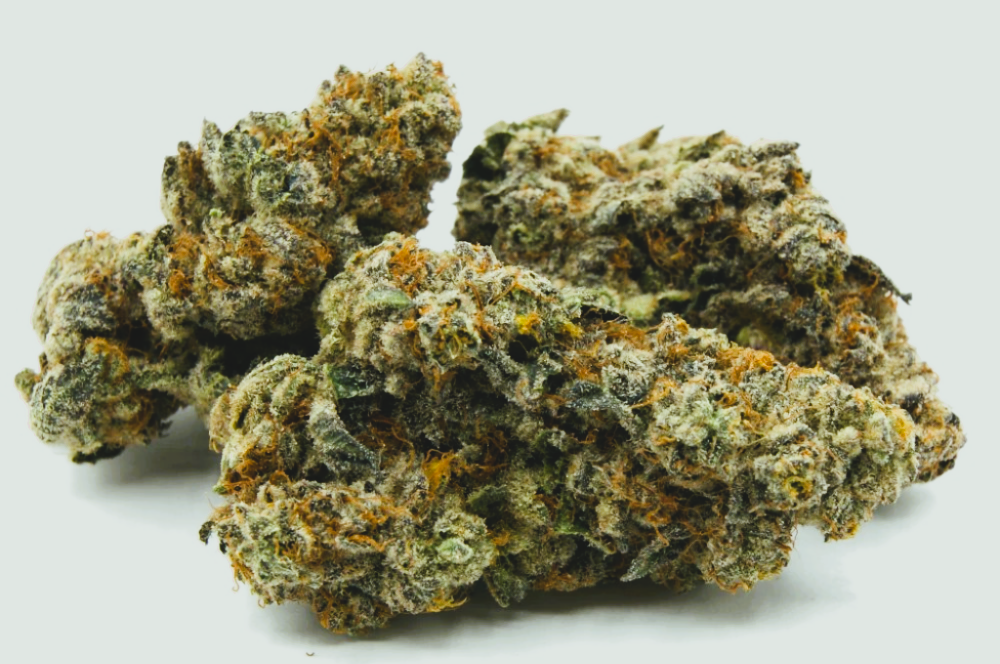
The name “Frostbite” originates from the strain’s characteristic appearance: dense buds covered with a frosty layer of trichomes. These trichomes are the resin glands of the cannabis plant, housing cannabinoids and terpenes responsible for the strain’s medical efficacy. The CBD-rich genetics of Frostbite CBD represent a modern evolution of cannabis cultivation, focused on creating strains that meet the growing demand for medical relief without intoxication.
Frostbite CBD is also part of a broader trend in the cannabis industry to cater to medical patients who seek alternatives to traditional pharmaceuticals. It emerged as a response to the need for a strain that could deliver significant therapeutic benefits, particularly for conditions like chronic pain, inflammation, anxiety, epilepsy, and neurodegenerative diseases. Frostbite CBD has rapidly gained prominence due to its versatility and consistency in delivering measurable results.
Chemical Profile of Frostbite CBD
The chemical profile of Frostbite CBD is its defining characteristic. The strain is renowned for its high CBD-to-THC ratio, typically presenting CBD levels between 15-20% and THC levels below 1%. This profile ensures that users experience the therapeutic effects of cannabidiol without the psychoactive effects caused by tetrahydrocannabinol. The low THC content is particularly critical for medical users who want to avoid any impairment, enabling them to integrate Frostbite CBD into their daily routines without adverse cognitive effects.
Cannabinoids
The primary cannabinoid in Frostbite CBD is cannabidiol (CBD), which interacts with the endocannabinoid system (ECS) in the human body. Unlike THC, CBD does not bind directly to CB1 receptors in the brain; instead, it modulates the receptors indirectly, promoting a state of balance and reducing overstimulation. This unique interaction is why CBD has become a preferred treatment for a variety of conditions.
Frostbite CBD also contains minor cannabinoids such as cannabigerol (CBG), cannabinol (CBN), and trace amounts of tetrahydrocannabivarin (THCV). These secondary cannabinoids contribute to the entourage effect, where multiple compounds in cannabis work synergistically to enhance therapeutic outcomes. For example, CBG is known for its anti-inflammatory properties, while CBN has mild sedative effects that can be beneficial for sleep disorders.
Terpenes
Frostbite CBD’s terpene profile further enhances its medical utility. Terpenes are aromatic compounds found in cannabis that not only influence its flavor and aroma but also have therapeutic effects. The dominant terpenes in Frostbite CBD include:
- Myrcene: Known for its anti-inflammatory and analgesic properties, myrcene is a key player in reducing pain and promoting relaxation.
- Limonene: This citrus-scented terpene has demonstrated anxiolytic and mood-enhancing effects, making it useful for treating anxiety and depression.
- Caryophyllene: Unique among terpenes for its ability to directly interact with CB2 receptors in the ECS, caryophyllene is a potent anti-inflammatory agent.
- Pinene: Known for its bronchodilator and anti-inflammatory effects, pinene is beneficial for patients with respiratory conditions like asthma.
- Linalool: With its calming and anti-anxiety effects, linalool contributes to the strain’s ability to promote a sense of well-being.
These terpenes work in concert with CBD to provide a comprehensive therapeutic experience. The entourage effect is essential to Frostbite CBD’s efficacy since terpenes and cannabinoids work together to enhance each other’s effects.
Medical Benefits of Frostbite CBD

Frostbite CBD is celebrated for its versatility in addressing a broad spectrum of medical conditions. The strain’s high CBD content and terpene synergy make it an invaluable option for patients seeking non-intoxicating cannabis-based therapies. Below, we delve into its specific medical applications:
1. Chronic Pain Management
One of the most well-documented uses of Frostbite CBD is in alleviating chronic pain. CBD has been shown to modulate pain signaling pathways by interacting with TRPV1 receptors, which are involved in pain perception and inflammation. The strain’s anti-inflammatory terpenes, such as myrcene and caryophyllene, further enhance its pain-relieving effects. Frostbite CBD is particularly effective for conditions like arthritis, fibromyalgia, and neuropathy.
2. Inflammatory Disorders
Inflammation underlies many chronic illnesses, including autoimmune disorders, gastrointestinal conditions like Crohn’s disease, and skin conditions such as psoriasis. Frostbite CBD’s ability to reduce inflammation through its interaction with CB2 receptors makes it a promising option for these patients. The presence of terpenes like pinene and caryophyllene enhances its efficacy in targeting inflammation at its source.
3. Anxiety and Stress
Frostbite CBD is widely used to address anxiety disorders, including generalized anxiety disorder (GAD), social anxiety, and post-traumatic stress disorder (PTSD). Its anxiolytic effects are attributed to CBD’s ability to modulate serotonin receptors (5-HT1A) in the brain. Terpenes like limonene and linalool complement this action by promoting relaxation and reducing stress.
4. Epilepsy and Seizure Disorders
CBD is perhaps best known for its role in reducing the frequency and severity of seizures, as evidenced by its inclusion in the FDA-approved drug Epidiolex. Frostbite CBD, with its high CBD concentration, is particularly effective for patients with epilepsy and treatment-resistant seizure disorders. Its non-psychoactive nature makes it suitable for children and elderly patients who may be sensitive to THC.
5. Neurodegenerative Diseases
Neurodegenerative conditions such as Alzheimer’s, Parkinson’s, and multiple sclerosis (MS) are marked by progressive damage to nerve cells. Frostbite CBD’s neuroprotective properties, mediated through its antioxidant and anti-inflammatory effects, make it a valuable tool in managing these conditions. CBD’s ability to reduce oxidative stress and inhibit neuroinflammation can slow disease progression and improve quality of life.
6. Sleep Disorders
Insomnia and other sleep disorders often result from stress, pain, or underlying medical conditions. Frostbite CBD’s calming properties help regulate sleep patterns by promoting relaxation and reducing anxiety. The presence of sedative terpenes like linalool and myrcene further supports its use as a natural sleep aid.
7. Cancer Symptom Management
Frostbite CBD has been explored for its ability to alleviate cancer-related symptoms such as pain, nausea, and loss of appetite. While CBD does not cure cancer, its anti-inflammatory and anti-nausea properties can improve patients’ quality of life during treatment. Preliminary research also suggests that CBD may inhibit cancer cell growth in certain cases, although more studies are needed to confirm these findings.
8. Cardiovascular Health
CBD has been shown to reduce blood pressure and improve circulation by relaxing blood vessel walls. Frostbite CBD, with its high CBD content, may be beneficial for patients with hypertension or other cardiovascular conditions.
Growing Conditions for Frostbite CBD
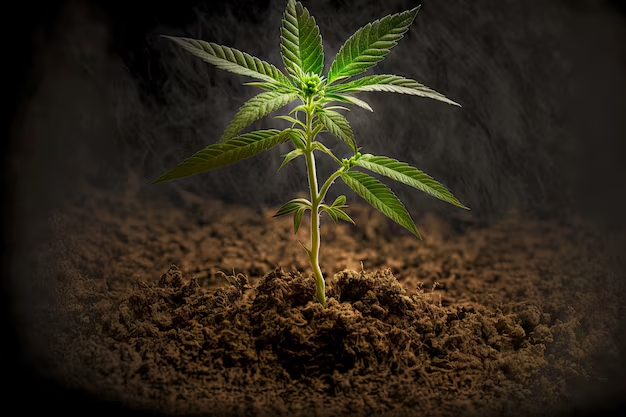
Cultivating Frostbite CBD requires a controlled environment that supports the development of its cannabinoid and terpene profiles. Whether grown indoors or outdoors, this strain demands precision and attention to detail to achieve its medical-grade quality.
Climate and Temperature
Frostbite CBD thrives in a temperate climate with consistent daytime temperatures between 70-80°F (21-27°C). While it can tolerate slightly cooler conditions, extreme cold or heat can stress the plants and diminish their CBD content. Proper ventilation is crucial, especially in indoor setups, to prevent mold and mildew growth.
Lighting
For indoor cultivation, Frostbite CBD benefits from full-spectrum LED lights that mimic natural sunlight. To promote the formation of resin, the flowering stage normally needs 12 hours of light and 12 hours of darkness. Outdoor growers should aim for a location with ample sunlight exposure.
Soil and Nutrients
Rich, well-draining soil with a balanced pH level (6.0-7.0) provides an ideal foundation for Frostbite CBD. Organic soil amendments such as compost and worm castings can enhance nutrient availability. A nitrogen-rich feeding regimen during the vegetative stage and higher phosphorus and potassium levels during flowering are both beneficial to the strain.
Humidity and Airflow
Maintaining optimal humidity levels is critical for Frostbite CBD. During the vegetative stage, a humidity range of 50-70% is ideal, while the flowering stage benefits from lower humidity (40-50%) to prevent mold. Proper airflow, achieved through fans or natural breezes, ensures even distribution of CO2 and reduces the risk of fungal infections.
Harvesting and Curing
The frosty trichomes of Frostbite CBD signal the ideal harvest time, typically 8-10 weeks into the flowering stage. Proper curing is essential to preserve the strain’s cannabinoid and terpene profile. After harvesting, buds should be dried in a dark, cool environment with controlled humidity before being cured in airtight containers for at least two weeks.
Restrictions on Using Frostbite CBD in the Medical Field and Its Role as a Last Resort Treatment
Frostbite CBD is a cannabis strain primarily cultivated for medical purposes due to its high CBD content and negligible THC levels. While the strain is widely recognized for its therapeutic potential, its use in the medical field comes with necessary restrictions to ensure patient safety, efficacy of treatment, and adherence to ethical and legal guidelines. Given its cannabis origins, Frostbite CBD is often considered a last-resort option, prescribed only when traditional therapies fail to produce adequate results. In addition, strict monitoring of THC levels in medications derived from this strain is essential to prevent any psychoactive effects on patients. This section outlines these restrictions and the precautions necessary for its safe medical use.
Limited Use as a Last-Resort Option
The medical application of Frostbite CBD is often restricted to cases where conventional pharmaceutical treatments have been ineffective or caused intolerable side effects. This limitation is rooted in the need to ensure that cannabis-derived treatments are utilized responsibly and only when they represent the best option for a patient’s specific condition. Several factors contribute to Frostbite CBD being considered a last-resort treatment:
- Clinical Uncertainty in Cannabis-Based Therapies: Despite growing evidence supporting the efficacy of CBD, cannabis-derived medications are still relatively new in clinical practice. Many healthcare providers opt to explore well-established therapies before prescribing cannabis-based options, especially for conditions where traditional treatments are proven effective.
- Regulatory Oversight: The use of cannabis-derived medications is highly regulated in most regions. Frostbite CBD, like other CBD-rich strains, is typically approved for specific medical conditions such as epilepsy, chronic pain, and multiple sclerosis. Physicians are required to justify its use by demonstrating that other treatments have failed or are not viable.
- Patient Safety and Efficacy: Medical professionals exercise caution when introducing cannabis-based therapies to ensure patient safety. Frostbite CBD is often reserved for patients with refractory conditions who have not responded to standard interventions. For example, patients with treatment-resistant epilepsy or chronic pain may benefit from Frostbite CBD after exhausting conventional options.
This cautious approach reinforces the principle that cannabis-derived treatments should not replace first-line therapies but instead complement or provide alternatives when other methods have failed.
Monitoring THC Levels to Prevent Psychoactive Effects
One of the primary concerns in using cannabis-derived strains like Frostbite CBD in the medical field is the potential for psychoactive effects caused by THC. Although Frostbite CBD is bred to have minimal THC content (usually below 1%), even trace amounts of THC can pose risks to certain patient populations, including children, elderly individuals, and those with a history of psychiatric disorders. Strict monitoring of THC levels in medications ensures that the psychoactive effects are effectively eliminated.
Importance of THC Level Monitoring
- Preventing Cognitive Impairment: THC, the psychoactive component in cannabis, is responsible for the “high” commonly associated with recreational use. In medical settings, any psychoactive effects are undesirable, as they may interfere with a patient’s daily activities, cognitive function, or mental health. Frostbite CBD medications must be rigorously tested to confirm THC levels remain below the psychoactive threshold.
- Complying with Legal and Medical Standards: Most jurisdictions that permit medical cannabis have strict regulations regarding THC content in cannabis-derived medications. Adhering to these standards is crucial to maintaining the legality of Frostbite CBD in medical practice and ensuring its continued acceptance by healthcare providers.
- Tailoring Treatment for Vulnerable Populations: Vulnerable patient populations, such as children with epilepsy or elderly individuals with neurodegenerative conditions, are particularly sensitive to the effects of THC. Even minimal THC content may exacerbate symptoms such as anxiety, confusion, or motor impairment. By closely monitoring and minimizing THC levels, Frostbite CBD can be safely administered to these groups.
Methods for Monitoring THC Levels
Healthcare providers and pharmaceutical companies employ several strategies to ensure THC levels in Frostbite CBD medications remain within acceptable limits:
- Rigorous Testing Protocols: Advanced testing methods, such as high-performance liquid chromatography (HPLC) and gas chromatography, are used to measure cannabinoid concentrations in cannabis extracts.
- Standardized Cultivation Practices: Growing conditions and genetic consistency are closely monitored to maintain the strain’s low THC profile.
- Batch Certification: Each batch of Frostbite CBD-derived medication undergoes third-party testing to verify THC content before distribution.
Ethical Considerations in Medical Cannabis Use
Restricting Frostbite CBD to last-resort applications and monitoring THC levels align with broader ethical principles in medical practice. These measures ensure that cannabis-based treatments are employed responsibly, prioritize patient safety, and maintain trust in healthcare systems. By reserving Frostbite CBD for cases where it is genuinely needed and minimizing any potential psychoactive effects, healthcare providers can maximize its therapeutic benefits while upholding rigorous standards of care.
Conclusion
Frostbite CBD represents a remarkable advancement in medical cannabis, offering non-psychoactive therapeutic benefits to patients with a wide array of conditions. Its origins, chemical profile, medical benefits, cultivation requirements, and restrictions all reflect the careful consideration required to position this strain as a cornerstone of medical cannabis therapy. As a CBD-dominant strain with negligible THC levels, Frostbite CBD addresses the growing demand for cannabis-based solutions that do not impair cognitive function, making it especially suitable for medical use.
The strain’s history and breeding highlight the deliberate efforts to create a therapeutic tool that prioritizes safety and efficacy. Its chemical profile, characterized by high CBD levels, minor cannabinoids, and synergistic terpenes, underscores its versatility in addressing complex medical conditions such as chronic pain, inflammation, anxiety, epilepsy, neurodegenerative diseases, and more. Its effectiveness as a therapeutic option is increased by the entourage effect of terpenes and cannabinoids, enabling more focused and efficient treatment.
However, as promising as Frostbite CBD is, its use in the medical field comes with necessary restrictions and responsibilities. Reserving it as a last-resort treatment ensures that its application remains focused on patients who genuinely need alternative therapies due to the failure of conventional approaches. This cautious approach reflects the ongoing clinical and regulatory oversight surrounding cannabis-based treatments, emphasizing that such therapies are not a first-line solution but a complementary or alternative option.
Additionally, strict monitoring of THC levels in Frostbite CBD medications safeguards patients from any unintended psychoactive effects. For vulnerable groups who may be more susceptible to THC, such as youngsters, the elderly, or people with mental health issues, this is especially crucial. Rigorous testing, cultivation standards, and batch certification processes ensure that Frostbite CBD medications meet the highest standards of safety and legality, thereby preserving trust in its medical application.
In the context of cultivation, Frostbite CBD’s requirements for precise environmental control and nutrient management further underscore the dedication needed to produce a strain that meets medical-grade standards. These meticulous growing practices ensure that the strain’s cannabinoid and terpene profiles are consistent and optimized for therapeutic use, maintaining its reliability and efficacy in clinical settings.
Ultimately, Frostbite CBD stands as a shining example of how modern cannabis breeding and cultivation can yield strains tailored to the specific needs of medical patients. Its ability to provide relief for a wide range of conditions without psychoactive side effects sets it apart as an invaluable tool in the field of medical cannabis. By adhering to ethical guidelines, restricting its use to cases of genuine need, and rigorously monitoring THC levels, Frostbite CBD can continue to fulfill its role as a safe, effective, and trusted option for patients seeking alternative therapies. This combination of scientific innovation, medical application, and careful regulation ensures that Frostbite CBD remains a vital component in the ongoing evolution of cannabis-based medicine.
