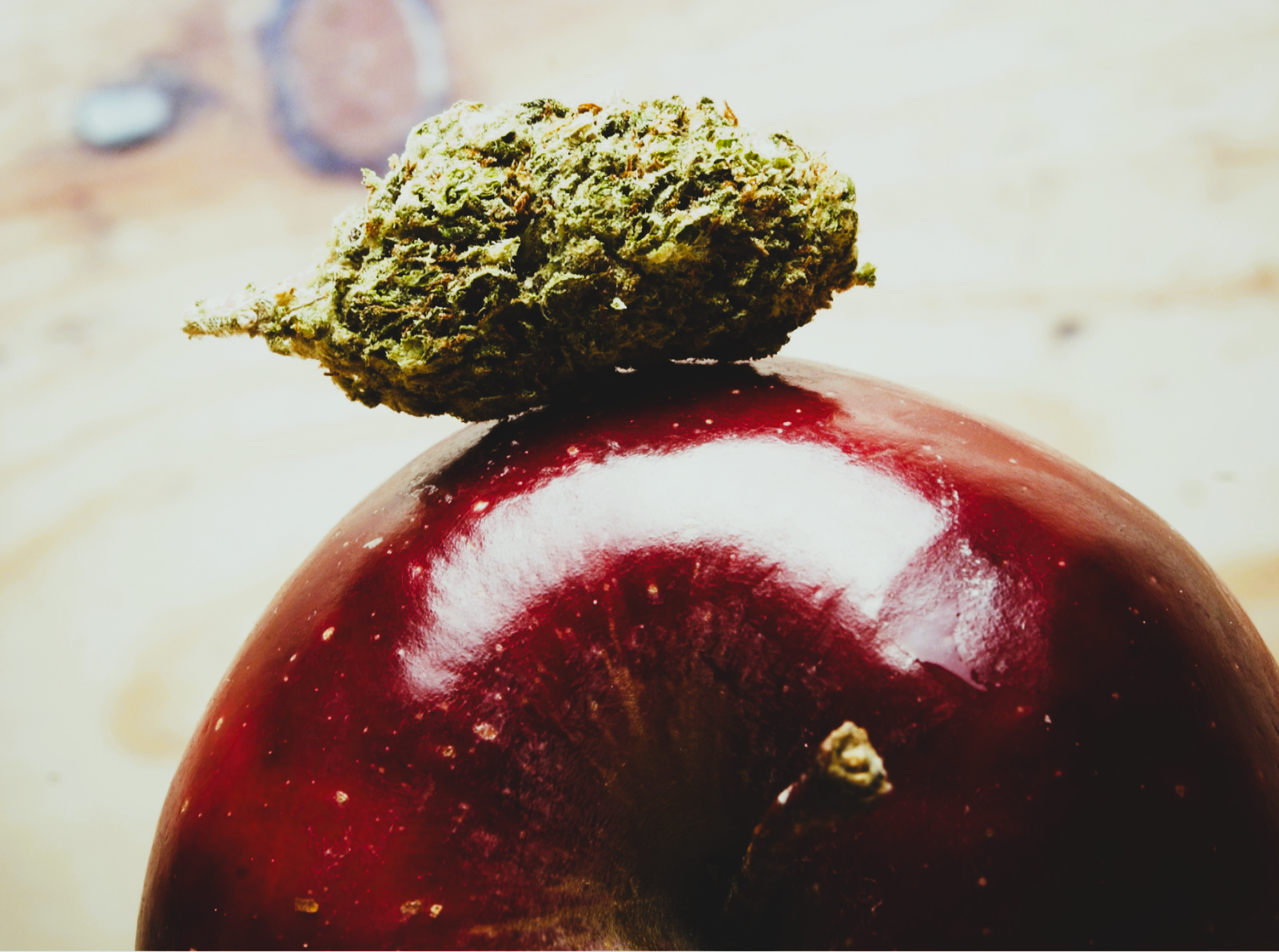
Medical Strain Analysis: Crisp Apple CBD – Origins, Chemical Profile, Medical Benefits, and Growing Conditions
The emergence of cannabis strains tailored for medical applications has grown exponentially as researchers, cultivators, and patients have sought out solutions to complex health challenges. One such strain that has garnered attention for its therapeutic potential is “Crisp Apple CBD.” As a meticulously bred high-CBD, low-THC strain, Crisp Apple CBD stands apart as a powerhouse for medical application, offering relief without the intoxicating effects commonly associated with cannabis. In this analysis, we will explore the strain’s origins, its intricate chemical profile, the medical benefits it provides, and the conditions under which it flourishes.
Origins of Crisp Apple CBD Strain
Crisp Apple CBD, a relatively new entrant in the medical cannabis sphere, traces its genetic lineage to careful crossbreeding efforts aimed at producing a strain that combines superior therapeutic benefits with minimal psychoactive effects. Bred by a team of cultivators specializing in medicinal strains, Crisp Apple CBD was specifically developed to meet the needs of patients seeking relief from a variety of conditions while maintaining mental clarity.
This strain likely originates from a combination of hemp-derived genetics and high-CBD cannabis strains. Breeders typically target strains such as ACDC, Charlotte’s Web, or Cannatonic—varieties known for their high CBD and negligible THC—to serve as the genetic foundation. The result is a phenotype that balances efficacy with accessibility for patients who may need to function in day-to-day activities or avoid the psychoactive impact of THC entirely. Crisp Apple CBD was further distinguished by its terpene profile, which creates a flavor and aroma reminiscent of crisp green apples, appealing to patients who may find other cannabis strains too pungent or overwhelming.
The development of Crisp Apple CBD also reflects a broader shift in the cannabis industry, where medical applications have taken precedence over recreational markets in many regions. As a federally legal option in several jurisdictions due to its low THC levels, Crisp Apple CBD is a particularly valuable strain for patients who rely on non-intoxicating therapies for chronic and acute conditions.
Chemical Profile of Crisp Apple CBD
Crisp Apple CBD is a cannabinoid-rich strain that features a dominant CBD (cannabidiol) concentration alongside minimal THC (tetrahydrocannabinol) content. The ratio of CBD to THC is critical for medical use, as higher CBD levels mitigate the psychoactive effects of THC while amplifying therapeutic benefits. In Crisp Apple CBD, the CBD:THC ratio often measures around 20:1 or higher, making it an excellent choice for those who require therapeutic relief without cognitive impairment.
Cannabinoid Profile:
- CBD (Cannabidiol): The dominant cannabinoid in Crisp Apple CBD, CBD accounts for up to 18-20% of the plant’s dry weight. This compound is non-psychoactive and widely studied for its ability to reduce inflammation, alleviate pain, manage seizures, and provide neuroprotective effects.
- THC (Tetrahydrocannabinol): With a THC concentration below 0.3%, Crisp Apple CBD qualifies as hemp in many legal jurisdictions. The entourage effect, in which cannabinoids cooperate to improve therapeutic results, may be facilitated by this tiny level of THC, even though it is not enough to cause intoxication.
- CBG (Cannabigerol): Often called the “mother of all cannabinoids,” CBG is present in smaller amounts in Crisp Apple CBD. It enhances the anti-inflammatory and neuroprotective effects of CBD and may assist in conditions such as glaucoma and inflammatory bowel disease.
- CBC (Cannabichromene): Though minor, CBC plays a role in the entourage effect and has been linked to anti-inflammatory and antidepressant-like effects.
Terpene Profile:
Crisp Apple CBD’s terpenes are a defining feature, influencing its therapeutic efficacy and distinctive aroma. Terpenes are aromatic compounds in cannabis that interact with cannabinoids to enhance medical benefits:
- Myrcene: Known for its sedative and muscle-relaxing properties, myrcene also enhances the bioavailability of cannabinoids, making them more effective.
- Limonene: This citrusy terpene is prominent in Crisp Apple CBD, providing anti-anxiety and mood-lifting effects while supporting gastrointestinal health.
- Pinene: Found in lower concentrations, pinene has anti-inflammatory properties and aids in improving focus and memory.
- Terpinolene: A rare terpene in cannabis, terpinolene contributes a fruity, apple-like aroma and boasts antifungal, antibacterial, and antioxidant properties.
- Caryophyllene: A peppery, spicy terpene with anti-inflammatory and analgesic benefits, caryophyllene is unique because it interacts with the body’s endocannabinoid system, providing pain relief.
This rich cannabinoid and terpene profile makes Crisp Apple CBD a highly versatile strain for a wide range of medical applications.
Medical Benefits of Crisp Apple CBD
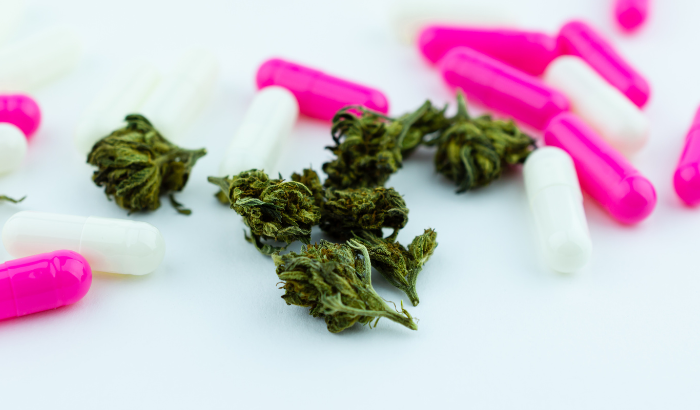
Crisp Apple CBD has become a valuable tool for medical patients due to its ability to address various symptoms and conditions without causing impairment. The non-intoxicating nature of the strain allows patients to use it safely throughout the day without concerns about drowsiness, cognitive decline, or psychoactivity.
Pain Management:
One of the most prominent uses of Crisp Apple CBD is for pain relief. Chronic pain conditions such as arthritis, fibromyalgia, neuropathy, and migraines often respond well to CBD’s anti-inflammatory and analgesic properties. The cannabinoid works by modulating the endocannabinoid system (ECS), which is responsible for maintaining homeostasis in the body. By reducing inflammation and desensitizing pain receptors, Crisp Apple CBD can provide long-lasting relief for patients without the risks associated with opioid medications.
Anxiety and Stress Relief:
Crisp Apple CBD’s high CBD concentration and terpene profile make it particularly effective for reducing anxiety and promoting a sense of calm. The interaction between CBD and the ECS helps regulate cortisol levels (the stress hormone), while terpenes like limonene and myrcene further enhance relaxation. For patients with generalized anxiety disorder, social anxiety, or post-traumatic stress disorder (PTSD), Crisp Apple CBD offers a non-addictive and side-effect-free alternative to traditional anti-anxiety medications.
Seizure Management:
CBD has been extensively studied for its anti-seizure properties, most notably in the FDA-approved medication Epidiolex, which contains purified CBD for the treatment of epilepsy. Crisp Apple CBD provides similar benefits, making it an excellent option for patients with conditions like Dravet syndrome, Lennox-Gastaut syndrome, or other forms of drug-resistant epilepsy. By modulating neuronal activity, Crisp Apple CBD reduces the frequency and severity of seizures.
Inflammation and Autoimmune Disorders:
Crisp Apple CBD’s anti-inflammatory properties make it effective for managing autoimmune disorders such as multiple sclerosis, lupus, and Crohn’s disease. By inhibiting cytokine production and reducing oxidative stress, CBD helps alleviate inflammation at the source while minimizing damage to healthy tissues.
Neuroprotective Effects:
Research suggests that CBD may have neuroprotective properties, making Crisp Apple CBD a valuable strain for patients with neurodegenerative disorders such as Parkinson’s disease, Alzheimer’s disease, and amyotrophic lateral sclerosis (ALS). By reducing oxidative stress and inflammation in the brain, CBD protects neurons from damage and slows the progression of these conditions.
Sleep Disorders:
While Crisp Apple CBD is not sedative like some THC-dominant strains, its ability to reduce anxiety, pain, and inflammation often translates to improved sleep quality. Patients with insomnia or sleep disruptions caused by chronic conditions may find relief with regular use of this strain.
Gastrointestinal Disorders:
CBD’s anti-inflammatory and anti-nausea properties make Crisp Apple CBD a beneficial option for patients with gastrointestinal conditions like irritable bowel syndrome (IBS), ulcerative colitis, or chemotherapy-induced nausea. Its ability to regulate gut motility and reduce inflammation promotes digestive health while alleviating symptoms.
Skin Conditions:
Skin disorders including psoriasis, eczema, and acne can be treated topically with Crisp Apple CBD, frequently in the form of infused creams or salves. The anti-inflammatory and antimicrobial properties of CBD and its terpenes help soothe irritated skin and promote healing.
Growing Conditions for Crisp Apple CBD
Crisp Apple CBD is a strain that thrives under specific cultivation conditions to ensure its medical efficacy. Its unique cannabinoid and terpene profile are influenced by environmental factors, cultivation techniques, and post-harvest processing.
Climate Requirements:
Crisp Apple CBD prefers a temperate climate with plenty of sunlight and consistent temperatures. Ideal conditions include daytime temperatures between 70-80°F (21-27°C) and nighttime temperatures that do not drop below 60°F (15°C). The strain is sensitive to extreme temperature fluctuations, which can impact cannabinoid production and terpene expression.
Soil and Nutrient Needs:
The strain benefits from nutrient-rich, well-draining soil with a balanced pH between 6.0 and 7.0. Organic soil amendments such as compost, bat guano, and worm castings are often used to provide the necessary nutrients for healthy growth. Nutrient regimens should include a balance of nitrogen, phosphorus, and potassium, as well as trace minerals like calcium, magnesium, and iron.
Light Requirements:
Crisp Apple CBD requires ample light to maximize photosynthesis and cannabinoid production. In outdoor settings, growers should ensure the plants receive at least 6-8 hours of direct sunlight per day. Full-spectrum LED lights, which switch on and off for 18 hours during the vegetative stage and 12 hours during the flowering stage, can be used by indoor growers to simulate natural sunshine.
Watering and Humidity:
Consistent watering is essential, but overwatering can lead to root rot and nutrient deficiencies. Growers should allow the topsoil to dry slightly between waterings. Humidity levels should be kept between 50-60% during the vegetative stage and reduced to 40-50% during flowering to prevent mold and mildew.
Pest and Disease Management:
Crisp Apple CBD is susceptible to common cannabis pests such as spider mites, aphids, and whiteflies, as well as diseases like powdery mildew and bud rot. Integrated pest management (IPM) strategies, including beneficial insects, neem oil, and regular plant inspections, can help prevent infestations.
Harvesting and Curing:
Harvesting Crisp Apple CBD at the right time is crucial to preserving its cannabinoid and terpene content. Growers should monitor trichome development using a magnifying glass or microscope; milky white trichomes indicate peak potency. To improve flavor and potency, the buds should be cured in airtight containers after being harvested and dried in a cold, dark, and well-ventilated area.
Restrictions on Using Crisp Apple CBD in the Medical Field and Monitoring THC Levels
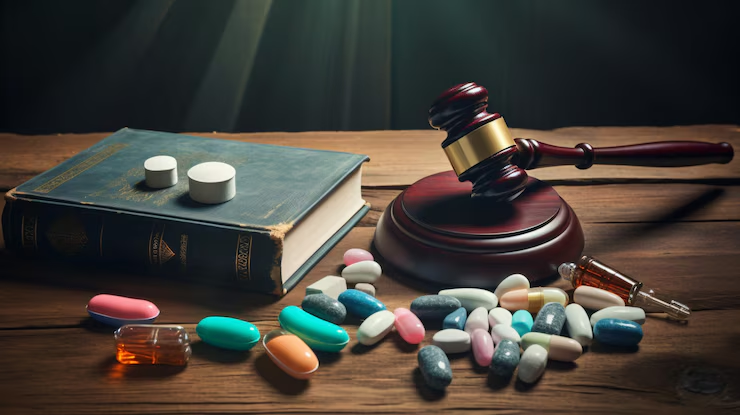
The use of cannabis strains like Crisp Apple CBD in the medical field is becoming increasingly prominent due to their therapeutic benefits. However, strict regulations and protocols are necessary to ensure the safe and effective use of this strain, particularly when used as a treatment option for patients. While Crisp Apple CBD is prized for its high CBD and minimal THC content, it is essential to establish safeguards that prevent misuse, limit psychoactive effects, and ensure it is prescribed as a last resort in medical settings.
Restricted Use as a Last Resort
Crisp Apple CBD should primarily be utilized as a treatment option only when other conventional therapies have failed or when they pose unacceptable risks of side effects. Medical cannabis is still a developing field, and although the strain offers impressive therapeutic benefits, it is critical to approach its use with caution. Physicians and specialists should follow a clear treatment protocol that outlines when and how this strain may be recommended.
For example, Crisp Apple CBD may be considered for managing chronic pain, seizures, or anxiety only after traditional pharmaceuticals like anti-inflammatory drugs, antiepileptics, or anxiolytics have proven ineffective. In cases such as treatment-resistant epilepsy or severe autoimmune diseases, where existing options provide limited relief, Crisp Apple CBD can serve as an alternative. However, it must not be the first-line treatment unless supported by comprehensive research and regulatory approval for specific conditions.
Strict documentation of the patient’s condition, previous treatment history, and outcomes must be maintained before prescribing Crisp Apple CBD. Medical practitioners should also receive adequate training on cannabinoid-based therapies to ensure they are equipped to evaluate its appropriateness for a given patient. By emphasizing its role as a last-resort treatment, healthcare systems can reduce the risk of overprescription or misuse.
Monitoring THC Levels to Prevent Psychoactive Effects
One of the core advantages of Crisp Apple CBD is its extremely low THC content (typically below 0.3%), making it non-psychoactive and safe for medical use. However, even trace amounts of THC can accumulate and potentially cause undesired effects in certain patients, particularly those who are sensitive to cannabinoids or require long-term therapy. To prevent any psychoactive impact, it is critical to closely monitor and control THC levels in medications derived from Crisp Apple CBD.
This process begins with stringent lab testing protocols during cultivation and manufacturing. Each batch of Crisp Apple CBD must undergo testing to confirm that THC concentrations remain within legal and therapeutic thresholds. Laboratories should use advanced techniques such as gas chromatography or high-performance liquid chromatography (HPLC) to ensure precise measurement of cannabinoid levels.
Additionally, medical formulations containing Crisp Apple CBD, whether in oils, capsules, or topical creams, must clearly indicate the exact THC concentration. This ensures transparency and allows healthcare providers to calculate dosages without exceeding safe thresholds. Regulatory agencies can further mandate labeling requirements and impose penalties for noncompliance to uphold patient safety.
For high-risk populations, such as children, elderly patients, or those with a history of substance use disorders, extra precautions must be taken. Physicians may recommend isolated CBD formulations that eliminate THC entirely for these individuals. Regular monitoring of patient responses and potential side effects is also essential to address any complications early.
Conclusion
Crisp Apple CBD represents a significant step forward in the use of cannabis for medical purposes, offering a non-intoxicating, high-CBD option for patients seeking relief from a variety of chronic and debilitating conditions. From its carefully developed origins to its unique chemical composition and therapeutic benefits, this strain has demonstrated the potential to revolutionize cannabinoid-based medicine when used responsibly and with strict oversight.
The genetic development of Crisp Apple CBD is rooted in a dedication to medical efficacy. By combining high-CBD, low-THC genetics with an appealing terpene profile, breeders have created a strain that offers potent anti-inflammatory, analgesic, neuroprotective, and anxiolytic effects. It guarantees medicinal effects without the euphoric side effects usually associated with cannabis thanks to its high CBD concentration and negligible quantities of THC. The presence of beneficial terpenes such as myrcene, limonene, and caryophyllene further enhances its medical efficacy, while the strain’s unique apple-like aroma makes it approachable for patients who may find traditional cannabis strains overwhelming.
Crisp Apple CBD is especially effective in managing chronic pain, anxiety, epilepsy, inflammation, neurodegenerative conditions, and sleep disturbances, providing a lifeline for patients unresponsive to conventional therapies. However, it is critical to emphasize that its use should be limited to the medical field and only as a last resort when traditional treatments fail. By reserving this strain for such cases, healthcare providers can ensure its responsible application and maintain patient safety while preventing overuse or dependency.
To minimize risks, particularly those associated with THC exposure, monitoring and regulation are essential. Crisp Apple CBD’s low THC content (below 0.3%) aligns with legal hemp classifications and ensures non-psychoactive effects. However, rigorous lab testing and transparent labeling of cannabinoid levels are necessary to maintain consistent quality and prevent even minor THC accumulation in patients undergoing long-term treatment. Isolated CBD formulations can also provide alternatives for at-risk populations, such as children, the elderly, or those sensitive to cannabinoids.
Finally, cultivating Crisp Apple CBD requires precise environmental control to preserve its therapeutic properties. From climate and nutrient management to careful harvesting and curing, growers must adhere to best practices to ensure its medical efficacy. Combined with stringent regulations and evidence-based prescribing protocols, Crisp Apple CBD can become an integral tool in the medical field, offering relief while upholding safety and ethical responsibility.
