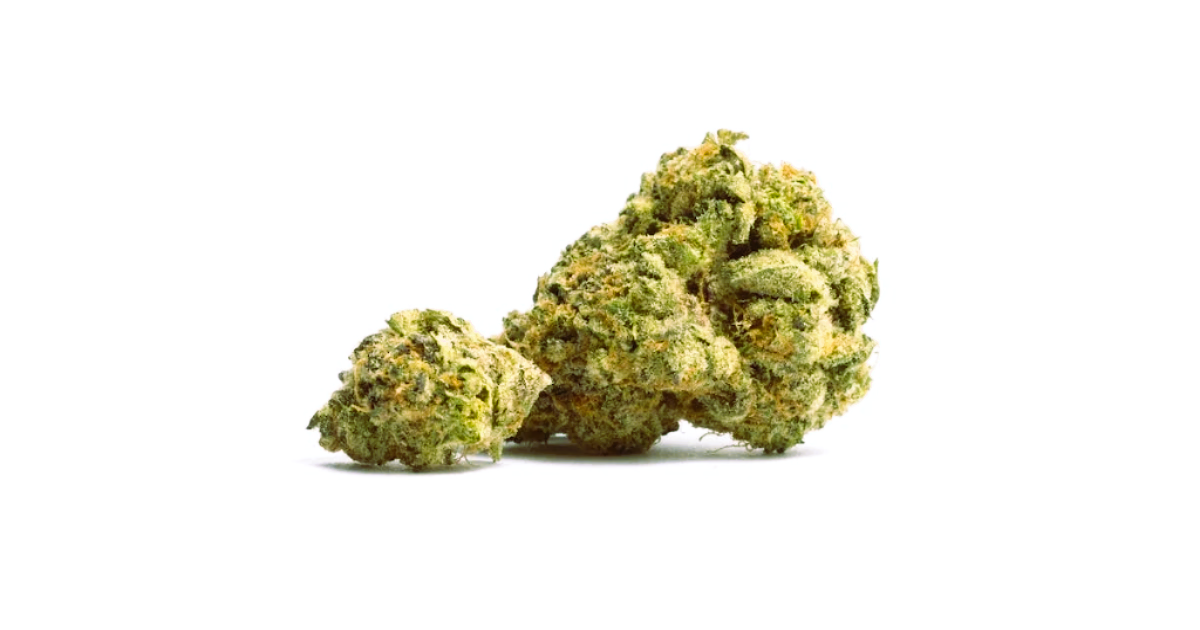
Medical Strain Analysis: Cobbler
Origins and Background

The medical cannabis strain known as Cobbler is a hybrid variety that has gained recognition for its therapeutic properties, particularly in pain relief, anxiety management, and inflammation reduction. While its recreational use is often mentioned in cannabis circles, this discussion will focus entirely on its medical value and cultivation.
Cobbler is believed to have its origins in a cross between Tangie and Charlotte’s Cherries. Tangie, a sativa-dominant strain, is celebrated for its uplifting properties and citrusy terpene profile, while Charlotte’s Cherries, a CBD-rich strain, is well-known for its potent medicinal properties without producing significant psychoactive effects. This genetic lineage imbues Cobbler with a balanced profile ideal for medicinal purposes. Its relatively high CBD content and moderate THC levels make it particularly attractive to patients seeking relief without intense psychoactive experiences.
Chemical Profile of Cobbler
Cobbler’s chemical composition is tailored for therapeutic use. Its cannabinoid and terpene profiles contribute to its efficacy in managing various conditions. The primary active components in Cobbler include:
- Cannabidiol (CBD): Cobbler typically contains a significant proportion of CBD, often ranging from 10% to 15%, depending on cultivation and phenotype. CBD is non-psychoactive and has been extensively studied for its potential to reduce inflammation, alleviate chronic pain, and combat anxiety and depression.
- Tetrahydrocannabinol (THC): While Cobbler contains THC, its levels are usually moderate, averaging around 5% to 8%. This ensures mild psychoactivity, making it manageable for patients who are sensitive to THC while still benefiting from its analgesic and muscle-relaxant properties.
- Cannabigerol (CBG): Often present in smaller quantities (around 1%), CBG contributes to its anti-inflammatory and neuroprotective properties.
- Terpenes:
- Myrcene: Renowned for its anti-inflammatory and calming properties.
- Limonene: Offers mood-enhancing and stress-relief benefits.
- Pinene: Promotes alertness and acts as a bronchodilator.
- Caryophyllene: Demonstrates potent analgesic and anti-inflammatory effects.
This robust chemical profile makes Cobbler an excellent choice for addressing a variety of medical conditions.
Medical Benefits of Cobbler Strain

- Pain Management Cobbler’s balanced cannabinoid profile is highly effective in alleviating chronic and acute pain. The synergy between CBD and THC provides significant analgesic effects, making it suitable for conditions like fibromyalgia, arthritis, and neuropathic pain.
- CBD’s Role: As an anti-inflammatory, CBD reduces swelling and soothes muscles and joints, targeting the root cause of pain rather than masking it.
- THC’s Role: THC activates the CB1 receptors in the endocannabinoid system, dulling the sensation of pain. The modest levels of THC in Cobbler ensure that patients experience relief without significant impairment.
- Anxiety and Stress Relief Patients with anxiety disorders often find relief with Cobbler. Its calming effects stem from the interaction of CBD and terpenes like limonene and myrcene, which act on serotonin and dopamine receptors to promote relaxation.
- Use Case: Ideal for individuals suffering from generalized anxiety disorder (GAD), social anxiety disorder, and post-traumatic stress disorder (PTSD). The strain’s low THC content ensures minimal risk of THC-induced anxiety, a common side effect in sensitive patients.
- Anti-Inflammatory Effects Inflammation underpins many chronic conditions, including autoimmune diseases like lupus, Crohn’s disease, and rheumatoid arthritis. Cobbler’s high CBD content and presence of caryophyllene make it particularly potent as an anti-inflammatory agent.
- Mechanism: CBD interacts with CB2 receptors in the immune system, modulating inflammatory responses. Caryophyllene’s ability to bind directly to these receptors enhances the anti-inflammatory effects, providing comprehensive relief.
- Neuroprotective Benefits Emerging research indicates that cannabinoids like CBD and CBG have neuroprotective properties, which can benefit patients with neurodegenerative conditions such as Alzheimer’s disease, Parkinson’s disease, and multiple sclerosis.
- Cobbler’s Contribution: By reducing oxidative stress and inflammation in neural tissues, Cobbler may slow the progression of such diseases and improve quality of life for patients.
- Mood Stabilization For patients with mood disorders, including depression and bipolar disorder, Cobbler’s ability to regulate serotonin and dopamine levels offers significant therapeutic value. The inclusion of limonene, known for its uplifting properties, further enhances its mood-stabilizing potential.
- Sleep Aid Insomnia and other sleep disorders are common among patients with chronic illnesses or mental health conditions. Cobbler’s myrcene content, coupled with CBD’s calming effects, induces a restful state, aiding in sleep onset and improving sleep quality.
- Support for Epilepsy Much like its parent strain Charlotte’s Cherries, Cobbler is beneficial for managing seizure disorders. Its high CBD content works to reduce the frequency and intensity of seizures without causing sedation.
- Digestive Support For patients with gastrointestinal issues such as irritable bowel syndrome (IBS) or nausea due to chemotherapy, Cobbler can offer relief. Its anti-inflammatory properties soothe the digestive tract, while limonene alleviates nausea.
Cultivation Requirements
Growing Cobbler requires attention to detail, as its balanced cannabinoid profile and terpene content are highly dependent on the cultivation environment. Below is an in-depth look at the optimal conditions for producing high-quality Cobbler:
- Climate and Temperature
- Preferred Climate: Cobbler thrives in a warm, Mediterranean-like climate with plenty of sunshine.
- Temperature Range: Ideal daytime temperatures range from 70°F to 80°F (21°C to 27°C). It should not become any colder than 60°F (15°C) at night.
- Humidity: During the vegetative stage, maintain humidity levels between 55% and 70%. To avoid mold and mildew during blossoming, reduce to 40% to 50%.
- Light Requirements
- Cobbler responds well to both indoor and outdoor cultivation. In indoor setups, full-spectrum LED lights are recommended to mimic natural sunlight.
- Give them 18 to 20 hours of light per day while they are in the vegetative stage. Transition to a 12-hour light cycle during flowering to encourage bud development.
- Soil and Nutrients
- Soil Type: Cobbler prefers well-draining, nutrient-rich soil with a pH range of 6.0 to 6.5. Organic compost or coco coir can enhance soil quality.
- Nutrients: Use a nitrogen-rich fertilizer during the vegetative stage. Transition to a phosphorus- and potassium-rich mix during flowering to promote robust bud growth.
- Watering
- Keep moisture levels steady, but do not water too much since this might cause root rot. In between waterings, let the top inch of soil dry out.
- During the flowering stage, reduce watering slightly to concentrate terpene and cannabinoid production.
- Training Techniques
- Low-Stress Training (LST): To maximize yield, employ LST to encourage even light distribution across the plant canopy.
- Pruning: Regularly prune lower branches and excess foliage to improve airflow and prevent pest infestations.
- Pest and Disease Management
- Aphids, spider mites, and whiteflies are common pests. Use organic pest control methods such as neem oil or predatory insects like ladybugs.
- To prevent diseases like powdery mildew, maintain proper ventilation and monitor humidity levels.
- Harvesting
- Cobbler typically has a flowering period of 8 to 10 weeks. Harvest when trichomes are milky-white with a few amber hues, indicating peak cannabinoid content.
- After harvest, cure buds in a dark, humidity-controlled environment (55%–65% RH) for 2–3 weeks to enhance flavor and potency.
Therapeutic Applications in Clinical Contexts
- Chronic Illness Management
- Patients with chronic conditions, such as multiple sclerosis or lupus, benefit from Cobbler’s ability to reduce inflammation and alleviate pain. Regular use under medical supervision can improve mobility and decrease dependence on pharmaceutical painkillers.
- Palliative Care
- For patients undergoing chemotherapy or those in hospice care, Cobbler offers relief from nausea, loss of appetite, and chronic pain. Its calming effects also help alleviate anxiety associated with terminal diagnoses.
- Mental Health Support
- Cobbler’s balanced cannabinoid profile provides therapeutic support for patients with anxiety, PTSD, and depression. It can be incorporated into a comprehensive treatment plan that includes therapy and other medications.
- Rehabilitation Support
- Patients recovering from surgery or injuries can use Cobbler for its pain-relief properties, reducing reliance on opioids and mitigating withdrawal symptoms.
- Epileptic Conditions
- As part of a regimen for epilepsy management, Cobbler offers a natural alternative or supplement to traditional anticonvulsant drugs. Its CBD content is particularly effective for pediatric patients and those sensitive to side effects from conventional medications.
Future Research and Clinical Implications
While anecdotal evidence strongly supports Cobbler’s medical benefits, more rigorous clinical trials are needed to fully understand its therapeutic potential. Areas of interest include:
- Mechanisms of Action: Exploring the interaction between Cobbler’s cannabinoids and terpenes with the endocannabinoid system.
- Long-Term Effects: Assessing the safety and efficacy of prolonged use in managing chronic conditions.
- Specific Conditions: Evaluating its role in less common conditions, such as autism spectrum disorders or chronic fatigue syndrome.
Restrictions on Using Cobbler in the Medical Field as a Last Resort

The use of cannabis strains like Cobbler in the medical field requires stringent guidelines to ensure patient safety and efficacy. As a high-CBD strain with moderate THC content, Cobbler offers significant therapeutic benefits. However, its application as a medical treatment must be carefully regulated, particularly in scenarios where its psychoactive properties could influence patient outcomes. Here, we explore the restrictions necessary to confine Cobbler’s use to medical contexts and emphasize the importance of monitoring THC levels to minimize psychoactive effects.
1. Medical Use as a Last Resort
Cobbler should be employed as a medical intervention only when conventional treatments have proven ineffective or unsuitable. This restriction helps mitigate unnecessary exposure to cannabinoids, especially in cases where traditional therapies can achieve comparable outcomes.
- Guidelines for Last Resort Use: Medical professionals should exhaust all evidence-based treatment options before prescribing Cobbler. For instance, a patient with chronic pain might first undergo physical therapy, pharmacological interventions like NSAIDs, or non-opioid analgesics. Only if these fail or cause adverse effects should Cobbler be considered.
- Documentation Requirements: Physicians should document the failure of previous treatments and justify the transition to Cobbler-based therapies. This ensures that cannabis use is clinically necessary rather than arbitrary or experimental.
- Patient Education: Before initiating treatment, patients must be informed about the potential benefits and risks of Cobbler, including its mild psychoactive properties, despite its high CBD content. Consent should be obtained after discussing all available alternatives.
2. Monitoring THC Levels in Medical Preparations
One of the critical challenges in using cannabis-based medications is managing THC content to prevent undesirable psychoactive effects. While Cobbler is a low-THC strain, individual variability in cultivation, preparation, and patient metabolism can influence its psychoactivity. Implementing robust monitoring mechanisms is essential to maintain patient safety and treatment efficacy.
- Standardization of THC Content: Manufacturers of Cobbler-based medications must adhere to strict cannabinoid profiles. THC levels should not exceed a predetermined threshold, such as 0.3% in some formulations, depending on local regulations. This ensures that the product remains therapeutic without causing intoxication.
- Batch Testing: Regular testing of cannabinoid levels in every batch of Cobbler-derived medication is crucial. Independent laboratories should analyze samples to verify that THC and CBD concentrations meet the required standards. Patients should have access to these test results to ensure transparency.
- Microdosing Strategies: Physicians prescribing Cobbler should start with the lowest effective dose, gradually increasing it based on patient response. Microdosing minimizes the likelihood of psychoactive side effects while allowing patients to benefit from the therapeutic properties of the strain.
3. Psychoactive Risk Management in Patients
Despite Cobbler’s relatively low THC content, some patients may still experience mild psychoactive effects. This is particularly concerning in individuals with heightened sensitivity to THC, including children, the elderly, and those with a history of mental health disorders. Risk management strategies must be in place to address this issue.
- Patient Screening: Before prescribing Cobbler, patients should be screened for THC sensitivity. A detailed medical history, including any predisposition to anxiety, psychosis, or substance abuse, can help identify those at higher risk.
- Supervised Administration: In cases where Cobbler is prescribed, initial doses should be administered under medical supervision. This allows healthcare providers to monitor for adverse effects and adjust dosages as needed.
- Regular Follow-Ups: Patients using Cobbler-based treatments should undergo regular check-ins with their healthcare provider. These follow-ups enable monitoring of efficacy, side effects, and any signs of THC-related psychoactivity.
4. Legal and Ethical Considerations
Restricting Cobbler to medical use as a last resort also requires adherence to legal and ethical standards. In many jurisdictions, cannabis remains a controlled substance, and its use is subject to strict regulations.
- Compliance with Local Laws: Healthcare providers and patients must follow all legal requirements regarding medical cannabis use. This includes obtaining necessary licenses, prescriptions, and documentation.
- Ethical Prescription Practices: Physicians must avoid overprescribing or misusing Cobbler, ensuring that it is used only in cases where it offers clear therapeutic advantages over other treatments. Misuse or over-reliance on cannabis strains in medical practice can undermine trust in healthcare institutions and lead to regulatory scrutiny.
5. Research and Education
One of the long-term strategies to optimize Cobbler’s use in the medical field is to promote research and education. Understanding its effects, limitations, and interactions with other medications can improve its application while minimizing risks.
- Clinical Trials: More rigorous studies are needed to evaluate Cobbler’s effectiveness for specific medical conditions, such as chronic pain, epilepsy, or anxiety. Research should also focus on identifying the minimum effective dose and the role of THC in its therapeutic profile.
- Professional Training: Physicians, pharmacists, and other healthcare providers should receive training on the use of cannabis-based treatments. This includes understanding cannabinoid pharmacology, dosing protocols, and monitoring for side effects.
- Public Awareness Campaigns: Educating the public about the medical use of Cobbler, its restrictions, and its potential benefits can help reduce stigma and ensure its responsible use.
6. Developing Non-Psychoactive Alternatives
To further mitigate the risks associated with THC, efforts should be made to develop non-psychoactive alternatives derived from Cobbler. This could involve isolating CBD or other beneficial cannabinoids and terpenes while completely removing THC. Such products would retain the strain’s therapeutic potential without posing psychoactive risks.
- Isolate Formulations: CBD isolates derived from Cobbler can be used to target specific conditions like inflammation or anxiety without introducing THC-related side effects.
- Synthetic Cannabinoids: Advances in synthetic cannabinoid production may provide a pathway for replicating Cobbler’s therapeutic profile without relying on plant cultivation, ensuring consistency and safety.
Conclusion
Cobbler is a medical cannabis strain that shows promise as a treatment for a number of ailments, including anxiety, epilepsy, and chronic pain and inflammation. However, its application in the medical field demands strict regulation to ensure patient safety, efficacy, and ethical use. Key considerations include restricting its use as a last-resort treatment, monitoring THC levels to minimize psychoactive effects, and adhering to stringent cultivation and preparation standards.
To responsibly harness Cobbler’s potential, it must be reserved for cases where conventional treatments have failed or are unsuitable, ensuring that cannabis is not over-prescribed or misused. Comprehensive documentation and patient education are vital components of this approach, helping patients make informed decisions and protecting the integrity of medical cannabis applications.
Monitoring THC levels is critical to prevent undesirable psychoactive effects, particularly in sensitive populations such as children, the elderly, or individuals with a history of mental health disorders. Regular batch testing, microdosing strategies, and patient follow-ups are essential for maintaining the safety and consistency of Cobbler-based treatments.
Legal and ethical considerations further emphasize the importance of compliance with regulations and responsible prescription practices. Physicians must operate within the framework of the law, ensuring that Cobbler is only used when clinically justified and offering clear therapeutic benefits. In tandem, research and education play a pivotal role in advancing the understanding of Cobbler’s medical properties, identifying best practices, and addressing any remaining uncertainties.
Lastly, the development of non-psychoactive alternatives derived from Cobbler, such as CBD isolates or synthetic formulations, could pave the way for safer and more accessible cannabis-based therapies, further enhancing patient care.
By implementing these safeguards and emphasizing a patient-centered approach, the medical field can maximize Cobbler’s therapeutic potential while minimizing risks, ensuring that this strain remains a valuable and ethical component of modern medical practice.
