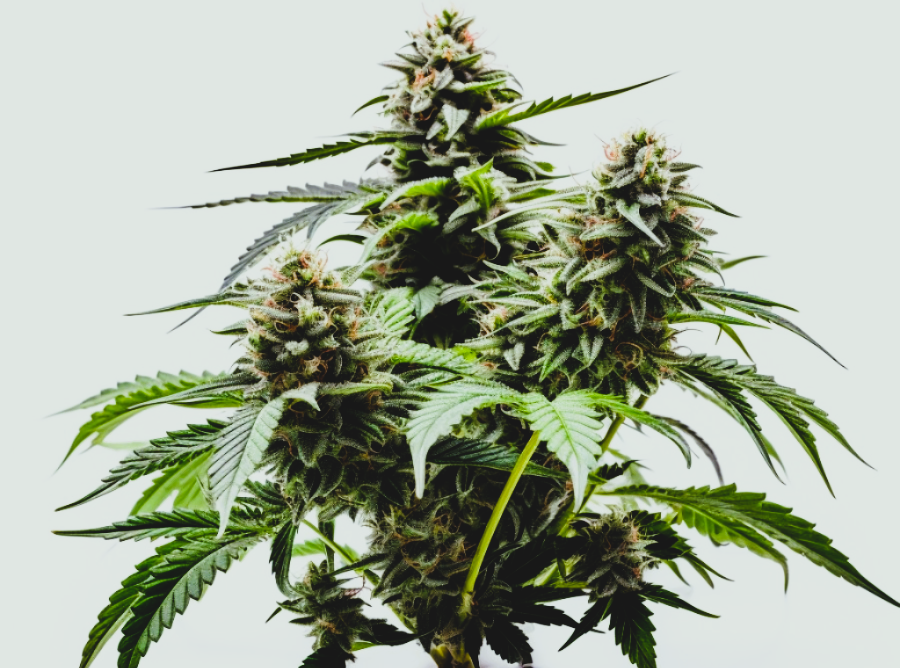
Medical Strain Analysis: CBDiesel
In the expanding field of medical cannabis, strains designed specifically to target therapeutic outcomes have become increasingly important. One such strain that has earned significant recognition is CBDiesel—a cultivar tailored for its exceptional cannabidiol (CBD) content and minimal psychoactive effects. As the medical community increasingly adopts cannabis-derived treatments, CBDiesel’s unique chemical profile positions it as a cornerstone strain for patients seeking non-intoxicating, effective relief. Unlike THC-heavy recreational strains, CBDiesel is developed to emphasize its medicinal potential, offering robust benefits in managing pain, inflammation, neurological disorders, mood imbalances, and more.
This comprehensive analysis explores CBDiesel’s origins, its cannabinoid and terpene composition, its wide-ranging medical benefits, and the environmental conditions ideal for cultivating this strain. Through careful breeding and an intentional focus on therapeutic outcomes, CBDiesel stands as a testament to how medical cannabis can address a wide spectrum of health conditions safely and effectively.
Origins and Development
CBDiesel is the result of years of research, breeding, and a clear goal: to create a cannabis strain that optimizes CBD content while limiting THC’s psychoactive effects.
Genetic Background
The development of CBDiesel involved crossbreeding two renowned strains: Sour Diesel and Harlequin. Each parent strain contributes specific characteristics that make CBDiesel uniquely suited for medical use.
- Sour Diesel: Known for its energizing and cerebral effects, Sour Diesel contributes to the plant’s structural resilience, growth vigor, and aroma. However, it naturally contains high THC levels, which breeders worked to mitigate through careful selection.
- Harlequin: A highly regarded CBD-rich strain, Harlequin has a reputation for its balanced CBD-to-THC ratio, which naturally minimizes psychoactivity. By incorporating Harlequin genetics, breeders ensured that CBDiesel would inherit high CBD concentrations.
Through generations of selective breeding, the resulting CBDiesel strain displays consistent cannabinoid ratios, reliably producing high CBD content without compromising on potency or quality.
Purpose of Development
Unlike strains tailored for recreational use, CBDiesel was explicitly developed to provide therapeutic relief for patients with chronic health conditions. Breeders prioritized high CBD levels (15–20%) while keeping THC content below 1%. This precision makes it suitable for patients who need symptom relief without experiencing intoxication or impairment.
Chemical Profile of CBDiesel

The therapeutic efficacy of CBDiesel lies in its well-balanced chemical composition. Its cannabinoids, terpenes, and complementary compounds interact synergistically to provide multi-dimensional relief, a phenomenon known as the entourage effect.
Cannabinoid Content
- CBD (Cannabidiol):
The dominant cannabinoid in CBDiesel, CBD typically accounts for 15–20% of the plant’s composition. The brain’s CB1 receptors, which are in charge of producing psychoactive effects, are not as firmly bound by CBD as THC is. Instead, it modulates the endocannabinoid system (ECS) to deliver anti-inflammatory, neuroprotective, and anti-anxiety benefits. - THC (Tetrahydrocannabinol):
THC levels in CBDiesel remain below 1%, ensuring negligible psychoactivity. This minimal THC content makes CBDiesel particularly suitable for patients sensitive to THC or those seeking clear-headed, functional symptom relief. - CBG (Cannabigerol):
Often referred to as the “mother cannabinoid,” CBG appears in trace amounts in CBDiesel. It complements CBD’s properties by providing additional anti-inflammatory and antibacterial effects. - CBN (Cannabinol):
While present in smaller quantities, CBN contributes sedative properties that aid patients suffering from insomnia and restlessness.
Terpene Profile
Terpenes play a critical role in determining CBDiesel’s aroma, flavor, and therapeutic effects. The major terpenes found in CBDiesel include:
- Myrcene:
- Properties: Sedative, anti-inflammatory, and muscle-relaxant.
- Benefits: Alleviates pain, promotes relaxation, and reduces muscle spasms.
- Limonene:
- Properties: Anti-stress, anti-inflammatory, and mood-enhancing.
- Benefits: Helps reduce anxiety, elevates mood, and combats inflammation.
- Caryophyllene:
- Properties: Anti-inflammatory and analgesic.
- Benefits: Unique among terpenes, caryophyllene directly interacts with CB2 receptors in the ECS, amplifying anti-pain and anti-inflammatory effects.
- Pinene:
- Properties: Bronchodilator and cognitive enhancer.
- Benefits: Promotes mental clarity, improves respiratory function, and reduces inflammation.
- Linalool (Minor Terpene):
- Known for its calming, anti-anxiety properties, linalool contributes to CBDiesel’s overall relaxing effects.
Medical Benefits of CBDiesel

CBDiesel’s chemical composition makes it a powerful therapeutic tool for a variety of conditions. Its high CBD content and complementary terpene profile offer targeted relief without the unwanted psychoactive effects associated with THC-rich strains.
1. Chronic Pain Relief
Chronic pain, stemming from conditions such as arthritis, fibromyalgia, and multiple sclerosis (MS), can severely impact quality of life. CBDiesel provides substantial relief due to its anti-inflammatory and analgesic properties.
- Mechanism of Action:
CBD interacts with CB2 receptors in the ECS, reducing inflammation and inhibiting pain signaling pathways. Additionally, caryophyllene enhances this effect by directly engaging with CB2 receptors. - Conditions Benefiting from CBDiesel:
- Arthritis (osteoarthritis and rheumatoid arthritis)
- Chronic back pain and sciatica
- Neuropathic pain associated with multiple sclerosis
- Fibromyalgia and muscle spasms
2. Anxiety and Mood Disorders
CBDiesel is highly effective for patients suffering from anxiety, depression, and PTSD. Unlike THC-dominant strains, which can sometimes exacerbate anxiety, CBD’s anxiolytic properties provide calming relief.
- Mechanism of Action:
CBD interacts with serotonin receptors (5-HT1A) to enhance mood stabilization and reduce anxiety. Limonene and linalool further amplify the strain’s stress-relief properties. - Benefits:
- Lessens generalized anxiety disorder symptoms (GAD)
- Alleviates panic attacks and acute stress responses
- Improves mood regulation in depression
3. Neurological Disorders and Seizures
CBDiesel’s high CBD content makes it a promising treatment for neurological disorders, particularly those involving neuroinflammation and seizures.
- Epilepsy and Seizure Disorders:
CBDiesel has shown effectiveness in reducing the frequency and severity of seizures in patients with treatment-resistant epilepsy, including Lennox-Gastaut and Dravet syndromes. - Neurodegenerative Diseases:
CBD’s neuroprotective properties help slow the progression of conditions such as Parkinson’s and Alzheimer’s by reducing oxidative stress and neuroinflammation.
4. Inflammatory Conditions and Autoimmune Disorders
Inflammation is a common factor in autoimmune disorders such as rheumatoid arthritis, Crohn’s disease, and lupus. CBDiesel’s ability to modulate the immune system and reduce inflammatory cytokines makes it an ideal choice for these conditions.
- Mechanism of Action:
CBD suppresses pro-inflammatory cytokines and inhibits immune overactivity without entirely suppressing immune function. - Conditions Benefiting from CBDiesel:
- Lupus and systemic inflammation
- Crohn’s disease and ulcerative colitis
- Psoriatic arthritis and other autoimmune conditions
5. Cancer-Related Symptoms
For patients undergoing chemotherapy, CBDiesel provides supportive care by managing symptoms like pain, nausea, and loss of appetite.
- Benefits:
- Reduces chemotherapy-induced nausea and vomiting (CINV)
- Stimulates appetite, combating cachexia (wasting syndrome)
- Eases cancer-related pain without sedation
6. Sleep Disorders
Insomnia and sleep disturbances are common complaints among patients with chronic pain, stress, or neurological issues. CBDiesel’s sedative terpenes (myrcene and linalool) combined with CBD’s calming properties promote restful sleep.
- Mechanism:
CBD reduces nighttime hyperarousal, while terpenes promote muscle relaxation and sedation. - Benefits:
- Improved sleep onset and duration
- Reduced nighttime awakenings
- Alleviated sleep apnea symptoms
Growing Conditions for CBDiesel
Cultivating CBDiesel requires specific environmental conditions to maximize its medical benefits and ensure consistent chemical profiles. It is a resilient strain, making it suitable for both novice and experienced cultivators.
Optimal Climate and Environment
- Temperature: CBDiesel thrives in temperatures between 68–80°F (20–27°C). Warm, Mediterranean-like climates are ideal.
- Humidity: Moderate humidity levels between 40–50% are necessary to prevent mold or mildew, particularly during flowering.
Lighting Requirements
- Indoor Growing:
Indoor cultivation allows precise control over light cycles. During the vegetative phase, give them six hours of darkness and eighteen hours of light. For flowering, transition to a 12/12 light cycle. High-intensity discharge (HID) lights or LED systems optimize growth. - Outdoor Growing:
When grown outdoors, CBDiesel requires 8–10 hours of direct sunlight daily for optimal yields.
Soil and Nutrients
- Soil Quality: Use well-aerated, nutrient-rich organic soil with a pH range of 6.0–7.0. Adding compost or organic amendments enhances cannabinoid production.
- Nutrients:
- Vegetative Stage: High nitrogen levels support healthy foliage.
- Flowering Stage: Increase phosphorus and potassium for robust bud development.
Watering and Maintenance
- Water regularly but allow the topsoil to dry between watering sessions to prevent overhydration and root rot.
- Prune lower leaves to improve airflow and light penetration, reducing pest risks.
Harvest and Curing
- CBDiesel has a flowering period of approximately 8–10 weeks.
- Harvest when trichomes turn milky white for optimal CBD potency.
- Cure buds slowly in controlled humidity (60%) to enhance flavor, potency, and terpene retention.
CBDiesel: Medical-Only Use and Ensuring THC Monitoring for Patient Safety

In the evolving world of medical cannabis, strains like CBDiesel have shown great promise for patients suffering from a range of chronic and acute conditions. However, as with any treatment in the medical field, the introduction of cannabis-based therapies must come with clear guidelines and oversight. While CBDiesel boasts high CBD content and minimal THC levels, it is crucial to emphasize its restricted use solely for medical purposes and as a last-resort treatment for patients who have exhausted traditional therapeutic options. Additionally, strict THC level monitoring is vital to ensure that patients experience the intended therapeutic effects without unintended psychoactive impacts.
This analysis outlines the necessary restrictions and precautions regarding CBDiesel’s use in clinical settings, focusing on protecting patients’ safety and ensuring effective outcomes.
Restricted Medical Use of CBDiesel
Cannabis-derived treatments like CBDiesel offer numerous health benefits, from managing chronic pain to reducing seizure frequency. However, the potential for misuse necessitates its classification as a medical-only strain, accompanied by strict guidelines for prescription and administration.
- Last-Resort Treatment
While CBDiesel is highly effective, its use should be restricted to patients who have not responded to conventional therapies. The classification of CBDiesel as a last-resort treatment emphasizes its role as an alternative for conditions where standard medications, such as opioids, anti-inflammatories, or anticonvulsants, have proven inadequate or caused severe side effects.- Rationale: Restricting CBDiesel’s use to a last-resort measure ensures that its introduction remains medically justified, reducing the risk of overprescription or misuse.
- Conditions Eligible for CBDiesel Therapy:
- Treatment-resistant epilepsy (e.g., Lennox-Gastaut, Dravet syndrome)
- Chronic pain unresponsive to opioids or non-steroidal anti-inflammatory drugs (NSAIDs)
- Severe inflammation in autoimmune conditions (e.g., Crohn’s disease, rheumatoid arthritis)
- Anxiety and PTSD that remain uncontrolled despite first-line treatments
- Clinical Approval Process: Patients should undergo a thorough assessment by certified medical professionals before CBDiesel is prescribed. This includes evaluating their treatment history, conducting baseline health monitoring, and assessing potential risks associated with cannabis therapy.
- Medical Prescription and Supervision
CBDiesel must be prescribed by qualified healthcare professionals, such as pain specialists, neurologists, or psychiatrists, depending on the condition being treated. Medical professionals must receive specialized training to understand CBDiesel’s chemical profile, medical benefits, and potential risks.- Supervision and Follow-Up: Regular monitoring of patients during CBDiesel therapy is essential to assess efficacy and identify any side effects. Periodic follow-ups can ensure that THC levels remain within safe limits and that the strain achieves its intended outcomes.
Monitoring THC Levels to Prevent Psychoactive Effects
One of the primary concerns regarding cannabis use in the medical field is its potential to cause psychoactive effects due to tetrahydrocannabinol (THC). Even though CBDiesel is carefully bred to contain minimal THC (typically below 1%), constant monitoring is critical to ensure that patients do not inadvertently experience intoxication.
1. Importance of THC Monitoring
While CBD is non-intoxicating and therapeutic, THC binds to CB1 receptors in the brain, leading to psychoactive effects such as euphoria, disorientation, or impaired cognition. For patients seeking medical relief, even trace levels of THC can interfere with daily functionality, particularly in vulnerable populations such as children, the elderly, or those with mental health conditions.
- Patient Sensitivity: Certain individuals are more sensitive to THC, even at low levels. Monitoring ensures that the strain’s psychoactivity remains negligible and does not compromise treatment outcomes.
- Safety Concerns: Psychoactive effects can impair cognitive function, motor skills, and decision-making, posing risks for patients performing critical activities or operating machinery.
2. Rigorous Testing and Quality Assurance
To guarantee that CBDiesel remains suitable for medical use, laboratory testing must be mandatory for every batch of medication derived from the strain.
- Testing for Cannabinoid Content: Each product should undergo laboratory analysis to verify its CBD and THC levels. THC content must consistently remain below 1%, as any deviation could pose risks of intoxication.
- Standardized Dosing: Pharmaceutical formulations derived from CBDiesel must ensure precise cannabinoid dosing to provide consistent therapeutic effects. Micro-dosing and titration methods can help avoid THC buildup in patients over time.
- Certification Requirements: Regulatory agencies must certify growers, manufacturers, and dispensers of CBDiesel-based medical products to enforce quality control. Products failing to meet safety standards must be prohibited for distribution.
3. Patient Monitoring Protocols
In addition to pre-treatment evaluations, ongoing patient monitoring is essential for assessing the therapeutic efficacy of CBDiesel and preventing adverse reactions. Medical professionals should incorporate the following protocols:
- Baseline and Follow-Up Assessments: Patients should undergo initial blood tests to establish cannabinoid levels. Regular follow-ups ensure that THC levels remain undetectable or within safe limits.
- Symptom Tracking: Physicians should track improvements in patients’ symptoms (e.g., pain relief, seizure reduction) alongside any potential side effects, such as drowsiness, dizziness, or cognitive impairment.
- Adjustment of Dosage: If patients exhibit sensitivity to even low levels of THC, physicians may adjust the dosage, administer alternative formulations, or incorporate complementary therapies to maximize safety and efficacy.
Special Considerations for Vulnerable Populations
Certain patient groups are particularly vulnerable to the psychoactive effects of THC, even in trace amounts. Extra precautions must be taken to ensure their safety and well-being when using CBDiesel.
- Pediatric Patients
Children with treatment-resistant epilepsy, such as Lennox-Gastaut or Dravet syndrome, may benefit greatly from CBDiesel’s high CBD content. However, any THC exposure can pose developmental risks. Strict oversight and laboratory-tested formulations are essential to ensure THC-free or near-zero THC products. - Elderly Patients
Seniors using CBDiesel for pain, arthritis, or neurodegenerative conditions (e.g., Alzheimer’s, Parkinson’s) may have lower tolerance to cannabinoids. Healthcare providers must adopt a conservative approach, starting with the lowest effective dose and continuously monitoring THC levels. - Patients with Mental Health Conditions
Individuals with mood disorders or schizophrenia may be more susceptible to THC-induced paranoia or anxiety. For these patients, it is critical to confirm that THC content remains undetectable to prevent exacerbation of symptoms.
Regulatory Oversight and Enforcement
To ensure CBDiesel’s safe and appropriate use in the medical field, robust regulatory frameworks are necessary. These frameworks should include:
- Legal Classification: CBDiesel should be legally categorized as a Schedule II or III medication under medical cannabis laws, restricting its use to clinical applications.
- Licensing Requirements: Healthcare professionals prescribing CBDiesel must receive formal training and certification to administer cannabis-based treatments safely.
- Patient Registry Systems: Implementing patient registries allows regulators to track CBDiesel prescriptions, monitor outcomes, and ensure compliance with treatment guidelines.
- Product Labeling and Transparency: All CBDiesel-derived medications must include transparent labeling that clearly indicates CBD and THC content, dosage guidelines, and potential risks.
Conclusion
CBDiesel represents a groundbreaking advancement in the field of medical cannabis, offering a targeted, safe, and highly effective solution for patients suffering from a wide range of chronic and treatment-resistant conditions. With its carefully cultivated high CBD content (15–20%) and minimal THC levels (below 1%), CBDiesel has demonstrated its capacity to deliver therapeutic benefits without inducing psychoactive effects. This makes it particularly suitable for patients seeking symptom relief while maintaining cognitive clarity and functionality.
From its origins as a product of meticulous breeding—combining Sour Diesel and Harlequin—to its robust chemical profile, CBDiesel serves as a versatile treatment for chronic pain, neurological disorders like epilepsy, anxiety, inflammation, and sleep disturbances. Its cannabinoid-terpene synergy ensures comprehensive relief through mechanisms that target pain modulation, inflammation suppression, neuroprotection, and mood stabilization.
However, to ensure the integrity and safety of CBDiesel’s use in clinical practice, strict guidelines are essential. Its classification as a last-resort treatment ensures that it is reserved for patients who have exhausted conventional therapies. By positioning CBDiesel as a medical-only strain, healthcare professionals can mitigate the risks of misuse and overprescription while preserving its value as a targeted treatment option.
Moreover, rigorous THC monitoring remains a cornerstone of CBDiesel’s safety profile. Laboratory testing, standardized dosing, and regular patient follow-ups are critical to ensuring that THC levels stay within acceptable limits, eliminating the risk of psychoactive effects. These measures are especially important for vulnerable populations, such as pediatric patients, the elderly, and individuals with mental health conditions, who are more sensitive to THC’s effects.
Incorporating CBDiesel into clinical care requires robust regulatory oversight, including patient registries, physician certifications, and stringent quality assurance protocols. Transparent labeling, standardized formulations, and evidence-based guidelines will further enhance the strain’s safety and efficacy in medical settings.
In conclusion, CBDiesel stands as a shining example of how cannabis can be harnessed for targeted therapeutic outcomes without compromising patient safety. Through thoughtful regulation, professional supervision, and an unwavering commitment to its medical-only purpose, CBDiesel has the potential to transform modern medicine—delivering hope, relief, and improved quality of life for patients battling chronic, debilitating conditions.
