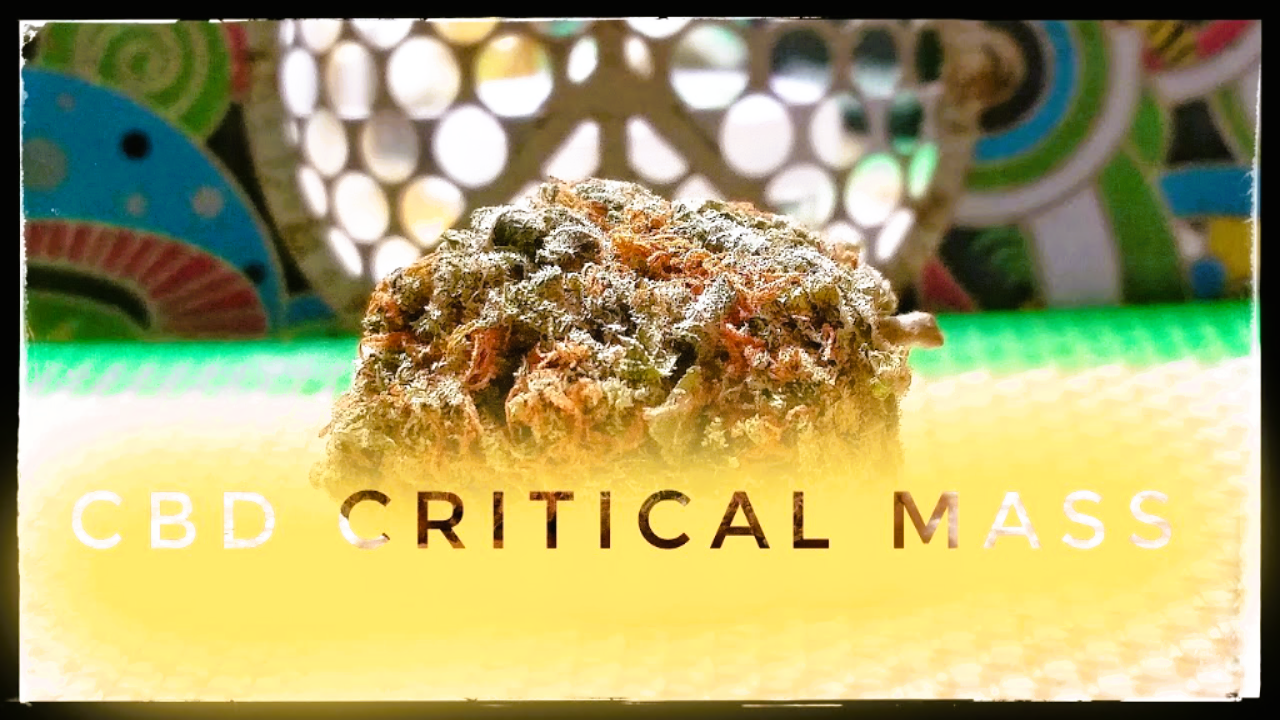
Medical Strain Analysis: CBD Critical Mass
-
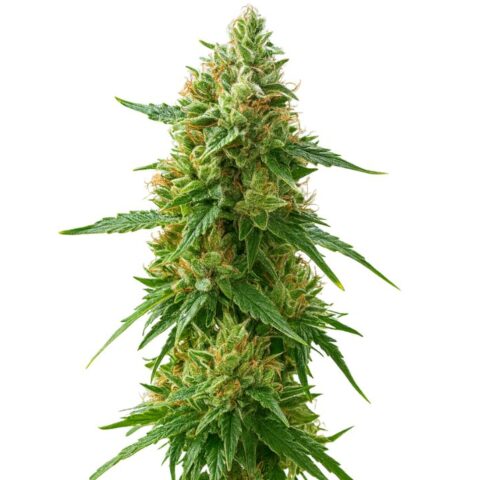 CBD Critical Mass Cannabis SeedsFrom: $24.99
CBD Critical Mass stands out as a notable strain in the ever-evolving field of medical cannabis. It is a cultivar celebrated for its therapeutic potential, bred specifically to maximize medical benefits while minimizing intoxicating effects. This strain reflects a deliberate effort to harness cannabis as a tool for wellness rather than recreation. Understanding its origins, chemical composition, medical benefits, and ideal growth conditions is crucial to realizing its full medical potential. Below is an in-depth examination of CBD Critical Mass, crafted to highlight its place in medical cannabis therapeutics.
Origins of CBD Critical Mass
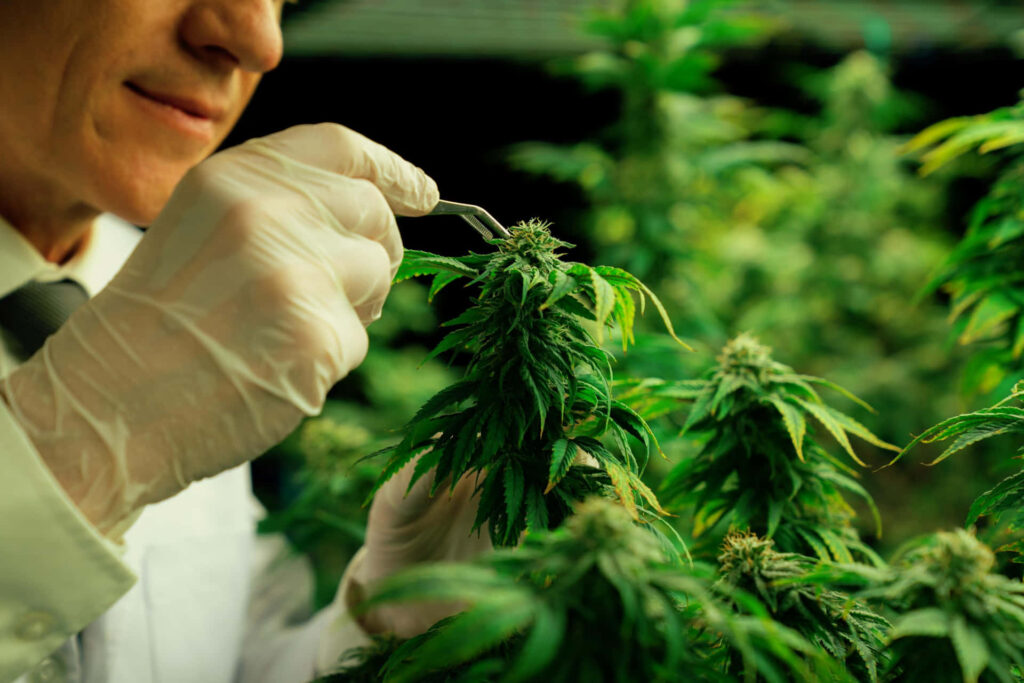
CBD Critical Mass is a hybrid strain resulting from the collaboration between geneticists seeking to balance cannabidiol (CBD) content with tetrahydrocannabinol (THC) levels. Its lineage derives from the renowned Critical Mass strain, known for its high yield and significant resin production, and a carefully selected CBD-rich genetic donor. The parent strain, Critical Mass, itself is a hybrid of Afghani and Skunk #1, both of which contributed robust structural traits, quick flowering times, and substantial cannabinoid profiles.
The introduction of a CBD-rich donor into the genetic mix ensured that CBD Critical Mass maintained a 1:1 or CBD-dominant cannabinoid ratio. This balance aimed to offer the medicinal benefits of cannabis while significantly reducing the psychoactive effects traditionally associated with THC. The strain is often associated with efforts by breeders in Spain, where much innovation in medical cannabis cultivation occurs, but its acclaim has reached global markets, becoming a staple for patients requiring non-intoxicating relief.
Chemical Profile
The chemical composition of CBD Critical Mass is integral to its utility as a medicinal strain. At the forefront of its profile are its cannabinoids, particularly CBD and THC, along with a robust terpene profile that contributes to its therapeutic potential.
- Cannabinoid Composition
CBD Critical Mass typically presents a CBD
ratio of 1:1 or higher CBD dominance, with CBD levels ranging from 5% to 15% and THC levels ranging from 3% to 10%. This balance is significant because CBD mitigates many of the psychoactive effects of THC while amplifying its potential therapeutic benefits through the entourage effect. This synergistic interaction between cannabinoids and terpenes is central to the strain’s efficacy. - Terpene Profile
Terpenes are aromatic compounds in cannabis that influence its therapeutic properties. CBD Critical Mass contains a terpene profile dominated by:- Myrcene: Myrcene, which is well-known for its calming and muscle-relaxing effects, improves the strain’s capacity to treat stress, chronic pain, and sleeplessness.
- Caryophyllene: With anti-inflammatory and analgesic properties, this terpene directly engages the body’s CB2 receptors, adding to its therapeutic impact.
- Limonene: Offering mood-enhancing and anti-anxiety effects, limonene supports patients dealing with mental health challenges.
- Pinene: Associated with improved focus and respiratory benefits, pinene offers additional relief for patients with asthma or chronic obstructive pulmonary disease (COPD).
This terpene combination contributes not only to the strain’s therapeutic properties but also to its unique aroma and flavor, which feature earthy, citrusy, and slightly sweet notes.
Medical Benefits

CBD Critical Mass has emerged as a versatile tool in the treatment of various medical conditions, owing to its balanced cannabinoid profile and therapeutic terpenes. Patients and clinicians often favor this strain for its effectiveness in addressing a range of chronic and acute conditions.
- Chronic Pain Management
Chronic pain is one of the leading conditions treated with medical cannabis. For pain related to ailments like fibromyalgia, arthritis, and neuropathy, CBD Critical Mass offers substantial alleviation. The synergistic interaction between CBD and THC helps modulate the perception of pain, while caryophyllene and myrcene amplify its analgesic effects. Importantly, the strain’s CBD content reduces the potential for THC-induced intoxication, making it suitable for patients who need to remain functional. - Inflammatory Conditions
Numerous illnesses, such as multiple sclerosis, Crohn’s disease, and rheumatoid arthritis, are significantly influenced by inflammation. CBD Critical Mass’s high CBD levels act on CB2 receptors, which play a role in regulating the immune response. The strain’s anti-inflammatory terpenes, particularly caryophyllene and limonene, further aid in reducing systemic inflammation, providing both symptomatic relief and addressing underlying causes. - Sleep Disorders
Insomnia and other sleep disorders are frequently linked to pain, anxiety, or general stress. The sedative properties of myrcene, combined with the relaxing effects of CBD and low levels of THC, make CBD Critical Mass an excellent choice for improving sleep quality. Patients frequently report having an easier time falling asleep and resting for longer periods of time without interruption. - Anxiety and Stress
Anxiety disorders can be debilitating, and conventional pharmaceutical treatments often come with significant side effects. A natural substitute is provided by CBD Critical Mass, which works by interacting with serotonin receptors to induce relaxation. The presence of limonene enhances these anxiolytic effects, making the strain particularly effective for generalized anxiety disorder, social anxiety, and stress-related conditions. - Epilepsy and Seizure Disorders
The anti-epileptic properties of CBD are well-documented, and strains like CBD Critical Mass are increasingly used in the management of seizure disorders such as epilepsy. The high CBD content works to stabilize neuronal activity, reducing the frequency and severity of seizures. The balanced cannabinoid profile ensures efficacy without impairing cognition or motor function. - Appetite Stimulation and Nausea Reduction
Patients undergoing chemotherapy or dealing with chronic illnesses such as HIV/AIDS often struggle with appetite loss and nausea. The mild THC content in CBD Critical Mass stimulates appetite, while CBD and pinene work to alleviate nausea, making it an invaluable strain for improving quality of life in such cases. - Neuroprotective Properties
Emerging research suggests that CBD, alongside other cannabinoids and terpenes, offers neuroprotective benefits. CBD Critical Mass may support patients with neurodegenerative diseases such as Alzheimer’s, Parkinson’s, and Huntington’s disease. Its ability to reduce oxidative stress and inflammation in the brain is particularly promising in slowing disease progression. - Cancer Symptom Management
While not a cure, CBD Critical Mass can help alleviate symptoms associated with cancer and its treatments. The strain’s combination of cannabinoids and terpenes provides relief from pain, nausea, and anxiety while improving appetite and sleep quality. Additionally, early research suggests that CBD and THC may have anti-tumor properties, although further studies are needed to validate these claims.
Growing Conditions for Optimal Yield and Quality

The cultivation of CBD Critical Mass is as significant as its chemical profile. Growing conditions directly influence the cannabinoid and terpene content, yield, and overall therapeutic value of the strain.
- Climate Requirements
CBD Critical Mass thrives in a Mediterranean-like climate, characterized by warm days and mild nights. It prefers temperatures between 68°F and 80°F (20°C to 27°C) during its vegetative and flowering stages. Excessive humidity should be avoided to prevent mold and mildew, as the strain’s dense buds are susceptible to moisture retention. - Indoor vs. Outdoor Cultivation
- Indoor Cultivation: Growing indoors allows for precise control of environmental conditions, ensuring optimal light cycles, temperature, and humidity. CBD Critical Mass benefits from an 18/6 light cycle during vegetation and a 12/12 cycle during flowering. Growers often use high-intensity discharge (HID) or LED lights to maximize photosynthesis.
- Outdoor Cultivation: When grown outdoors, CBD Critical Mass requires a sunny, sheltered location with well-drained soil. The plant performs well in organic soils rich in nutrients, but it also adapts to hydroponic systems.
- Nutrient Requirements
CBD Critical Mass is a nutrient-hungry plant, particularly during its vegetative phase. A balanced mix of nitrogen, phosphorus, and potassium (NPK) is essential, with higher nitrogen levels early on and increased phosphorus and potassium during flowering. Iron, calcium, and magnesium are examples of micronutrients that are essential for normal growth. - Watering and pH Levels
Regular watering is essential, however in order to avoid root rot, excessive watering must be avoided. The ideal pH for soil cultivation ranges between 6.0 and 7.0, while hydroponic systems require a pH of 5.5 to 6.5. Regular monitoring of pH levels ensures nutrient uptake and prevents deficiencies. - Flowering Time and Harvest
CBD Critical Mass has a relatively short flowering period of 8 to 9 weeks, making it a favorite among growers seeking quick turnover. Timely harvesting is essential for optimizing CBD content while maintaining terpene integrity. Trichome color is a reliable indicator, with a mix of milky and amber trichomes signaling peak potency. - Pest and Disease Management
Integrated pest management (IPM) techniques, such as introducing beneficial insects and using organic fungicides, help protect the strain from pests and diseases. Proper air circulation, spacing, and pruning reduce the risk of mold and mildew, especially in indoor settings. - Post-Harvest Processing
After harvest, careful drying and curing are essential to preserve the strain’s cannabinoids and terpenes. Buds should be dried in a dark, well-ventilated space with humidity levels of 50% to 60% and temperatures around 60°F to 70°F (15°C to 21°C). Curing in airtight containers for several weeks enhances the strain’s potency and flavor.
Restrictions on Using CBD Critical Mass in the Medical Field and Ensuring It Is a Last Resort
CBD Critical Mass is a cannabis strain predominantly utilized for its medical benefits due to its balanced cannabinoid profile. However, its use in the medical field comes with significant restrictions and guidelines, particularly when it is designated as a treatment of last resort. These restrictions ensure that its psychoactive potential, primarily due to THC, is carefully managed to prevent adverse effects on patients. The following discussion outlines the restrictions and monitoring protocols associated with CBD Critical Mass in medical applications, emphasizing its role as a controlled therapeutic option.
Limited Use as a Last-Resort Treatment
The use of CBD Critical Mass in the medical field is often considered only after other conventional treatments have failed to produce desired outcomes. This restriction is critical in maintaining the integrity of evidence-based medicine while ensuring that cannabis-based therapies are not misused or overprescribed. Several conditions must be met before prescribing this strain, including:
- Exhaustion of Traditional Therapies
Medical practitioners are required to exhaust all traditional pharmacological and non-pharmacological treatments before recommending cannabis-based medications. For instance, chronic pain patients must have tried and failed to respond to non-opioid analgesics, physical therapy, and other first-line treatments. - Clinical Justification
Physicians must provide a well-documented clinical rationale for recommending CBD Critical Mass. This includes evidence of its potential to address the patient’s specific symptoms or conditions, such as treatment-resistant epilepsy, severe chronic pain, or debilitating anxiety. - Regulatory Approval
Many jurisdictions impose stringent regulatory requirements for prescribing cannabis-based medications. Healthcare providers must often obtain special licenses or permits, and patients may need to enroll in monitored cannabis programs to ensure proper use.
Monitoring THC Levels to Prevent Psychoactive Effects
One of the most significant concerns with the medical use of CBD Critical Mass is its THC content, even if low. THC, the psychoactive compound in cannabis, can potentially impair cognition, judgment, and motor function. Strict THC level monitoring in formulations generated from CBD Critical Mass is essential to reducing these hazards. The following actions are taken to accomplish this:
- Standardized Testing for Cannabinoid Content
All medical cannabis products derived from CBD Critical Mass must undergo rigorous laboratory testing to determine their cannabinoid composition. These tests ensure that the THC content remains within safe limits, typically below 1% for non-intoxicating applications. - CBD-THC Ratios in Formulations
The medical use of CBD Critical Mass often prioritizes high-CBD, low-THC formulations to maximize therapeutic benefits while minimizing psychoactivity. The ideal CBD
ratio is usually 20:1 or higher for most medical applications, ensuring that THC levels are too low to produce noticeable psychoactive effects. - Dose Regulation
Physicians prescribing CBD Critical Mass-based medications are required to carefully titrate doses, starting with the lowest effective dose to achieve symptom relief. This approach minimizes the risk of psychoactive side effects, especially in vulnerable populations such as the elderly, children, or those with mental health conditions. - Patient Monitoring
Regular follow-ups and monitoring are essential for patients using CBD Critical Mass. Physicians assess the patient’s response to the treatment, monitor for any psychoactive effects, and adjust dosages or formulations as necessary. This ongoing evaluation ensures the treatment remains safe and effective.
Restrictions on Patient Populations
Not all patients are suitable candidates for cannabis-based treatments, including CBD Critical Mass. Restrictions often apply to ensure patient safety, including:
- Pregnant and Breastfeeding Women
The use of CBD Critical Mass is generally contraindicated for pregnant and breastfeeding women due to the potential risks of THC exposure to the developing fetus or infant. - Pediatric Use
While CBD-rich cannabis is sometimes used for pediatric epilepsy, the presence of THC in CBD Critical Mass requires careful consideration and strict monitoring. Pediatric use is typically restricted to cases where the benefits outweigh the risks, and parental consent is mandatory. - Patients with Psychiatric Disorders
Patients with a history of psychosis, schizophrenia, or other severe psychiatric conditions are often excluded from using THC-containing cannabis strains. Even low levels of THC can exacerbate symptoms in these individuals, making alternative treatments preferable.
Regulatory Oversight and Compliance
The medical use of CBD Critical Mass is subject to extensive regulatory oversight to prevent misuse and ensure patient safety. This oversight includes:
- Licensing Requirements
Medical cannabis programs require healthcare providers and dispensaries to obtain licenses for the cultivation, distribution, and prescription of CBD Critical Mass. These licenses ensure compliance with local laws and guidelines. - Patient Registries
Many jurisdictions mandate the registration of patients receiving cannabis-based treatments. These registries enable authorities to track usage patterns and ensure treatments are only provided to eligible individuals. - Product Labeling and Transparency
Products derived from CBD Critical Mass must include detailed labeling with information on cannabinoid content, batch numbers, and recommended dosages. This transparency helps both patients and physicians make informed decisions about treatment.
Research and Evidence-Based Guidelines
To support its use as a last-resort treatment, ongoing research into the safety and efficacy of CBD Critical Mass is critical. Clinical trials and observational studies help establish evidence-based guidelines for its medical application, ensuring that it is used appropriately and effectively. These studies also aid in identifying potential long-term risks and benefits, further refining its role in the medical field.
Conclusion
In conclusion, CBD Critical Mass represents a pinnacle in the realm of medical cannabis, combining a balanced cannabinoid profile with a robust terpene content to offer targeted therapeutic benefits. Its origins reflect the sophistication of modern breeding techniques aimed at creating a strain optimized for medicinal use. With a high CBD-to-THC ratio, it provides significant relief for a variety of conditions, including chronic pain, inflammation, epilepsy, and anxiety, while minimizing the psychoactive effects typically associated with THC.
The strain’s chemical profile, particularly its synergy between cannabinoids like CBD and terpenes such as myrcene, caryophyllene, and limonene, underscores its versatility in addressing both physical and psychological ailments. However, there are significant limitations to its application in the medical field. CBD Critical Mass is often reserved as a last-resort treatment, ensuring that traditional therapies are exhausted before cannabis-based solutions are considered. This strategy demonstrates a dedication to patient safety and evidence-based medicine.
Monitoring THC levels in CBD Critical Mass-derived medications is a critical aspect of its medical application. Rigorous testing, standardized formulations, and strict dose regulation ensure that patients receive the therapeutic benefits without experiencing adverse psychoactive effects. Special attention to vulnerable populations, such as children, pregnant women, and individuals with psychiatric conditions, further safeguards against potential risks.
Growing CBD Critical Mass also requires meticulous attention to environmental conditions and cultivation techniques to optimize its cannabinoid and terpene profiles. Proper care during growth, harvest, and post-harvest processing enhances its medical efficacy, making it a reliable strain for therapeutic use.
Finally, the regulatory frameworks surrounding CBD Critical Mass highlight the importance of oversight and compliance in the medical cannabis industry. Licensing, patient monitoring, and product transparency ensure its ethical and safe use, reinforcing its role as a medically valuable, controlled substance.
By adhering to these guidelines and maintaining strict controls, CBD Critical Mass can continue to serve as an effective therapeutic tool, improving the lives of patients while upholding the highest standards of medical practice. Its role as a carefully monitored, last-resort treatment emphasizes the importance of balancing innovation in medical cannabis with responsibility and safety.
