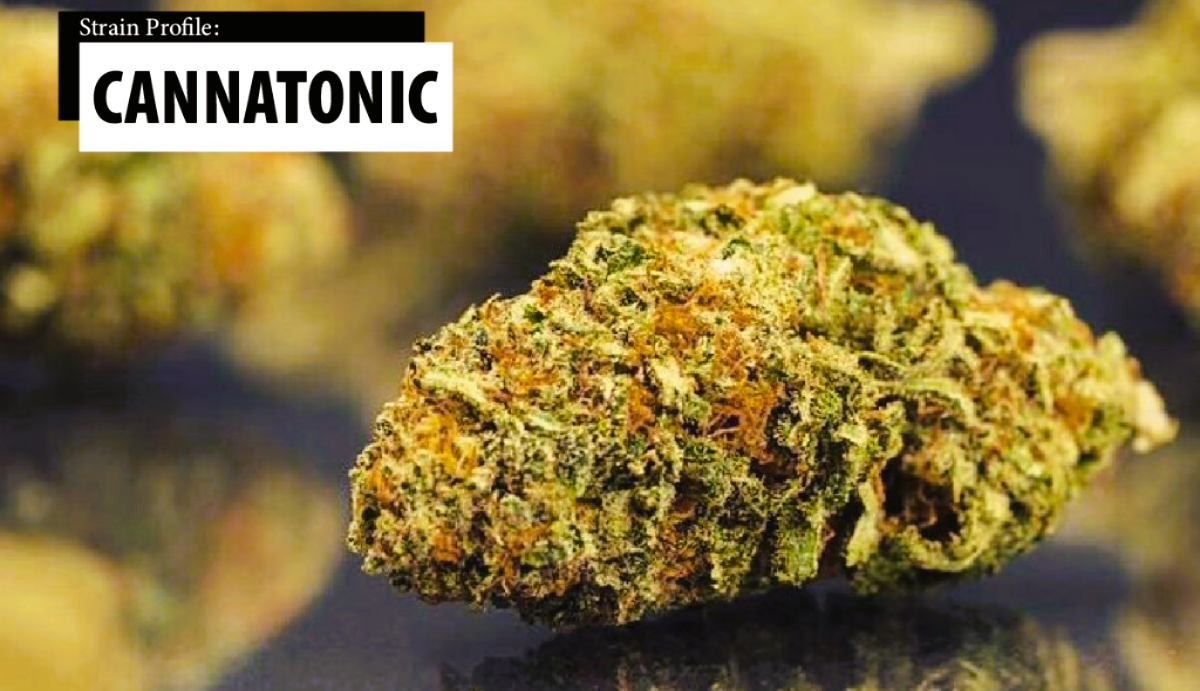
Medical Strain Analysis: Cannatonic
-
 Cannatonic Cannabis SeedsFrom: $24.99
Cannatonic stands as a beacon in the medical cannabis community, heralded for its remarkable therapeutic properties. Its carefully balanced cannabinoid profile, rich terpene composition, and targeted applications have made it a cornerstone for patients seeking relief from various medical conditions. This strain represents a paradigm shift in cannabis breeding, focusing less on recreational effects and more on the profound medical potential of cannabinoids and terpenes. This expanded analysis delves deeper into the origins, chemical complexity, and clinical applications of Cannatonic, as well as its nuanced cultivation requirements, offering a comprehensive understanding of its medical significance.
Origins of Cannatonic
The creation of Cannatonic by Resin Seeds is a landmark moment in the history of medical cannabis. Launched in 2008, Cannatonic was one of the first strains intentionally bred with high cannabidiol (CBD) content. Resin Seeds, based in Spain, aimed to address the growing demand for cannabis strains that could provide medical benefits without the overwhelming psychoactive effects commonly associated with tetrahydrocannabinol (THC).
Cannatonic is the offspring of two celebrated strains: MK Ultra and G13 Haze. Both parents contribute distinct characteristics to their progeny:
- MK Ultra: This indica-dominant hybrid is named after the infamous CIA mind-control project, a nod to its potent effects. Known for its deep relaxation and calming influence, MK Ultra contributes to Cannatonic’s ability to soothe both physical and mental tension.
- G13 Haze: A sativa-dominant strain with uplifting and invigorating effects, G13 Haze adds a touch of cerebral clarity and an intricate citrus-floral aroma. It also enhances Cannatonic’s terpene diversity, further enriching its therapeutic profile.
Cannatonic’s genetic lineage gives it a well-balanced hybrid status, with effects and chemical attributes tailored to medical use. The strain is now recognized as a pioneer in CBD-dominant cannabis and has influenced the development of countless other medical strains.
Chemical Profile

Cannatonic’s chemical composition is what truly sets it apart, offering a unique cannabinoid and terpene synergy that underpins its therapeutic efficacy. This profile allows it to interact with the body’s endocannabinoid system in a way that addresses a wide spectrum of health concerns.
Cannabinoids
The cannabinoid content in Cannatonic is meticulously balanced, with CBD typically overshadowing THC in concentration:
- CBD: Cannabidiol is the non-psychoactive cannabinoid that forms the backbone of Cannatonic’s medical applications. Its effects are primarily therapeutic, targeting inflammation, pain, anxiety, and neurological disorders without the intoxicating “high” associated with THC. CBD has also demonstrated anticonvulsant properties, making it a vital component in seizure management.
- THC: While present in moderate amounts (6–15%), THC plays a complementary role in Cannatonic. Through the entourage effect, a phenomenon in which terpenes and cannabinoids work in concert, it amplifies the analgesic and anti-inflammatory benefits of CBD.THC’s presence ensures a broader therapeutic spectrum, especially for conditions like chronic pain and spasticity.
- Minor Cannabinoids: Cannatonic may also contain small quantities of cannabigerol (CBG), cannabichromene (CBC), and tetrahydrocannabivarin (THCV). These minor cannabinoids add to its therapeutic complexity, offering additional benefits such as neuroprotection and appetite regulation.
Terpenes
Terpenes are organic substances that give cannabis its flavor, scent, and therapeutic qualities. Cannatonic’s terpene profile is both diverse and potent:
- Myrcene: Myrcene is a potent sedative and muscle relaxant that is well-known for its earthy, musky scent. It works in tandem with CBD and THC to enhance Cannatonic’s ability to relieve pain and promote relaxation.
- Pinene: With a fresh, pine-like scent, pinene offers anti-inflammatory and bronchodilatory properties, making Cannatonic beneficial for patients with asthma or other respiratory conditions.
- Limonene: This citrus-scented terpene is renowned for its mood-enhancing and stress-relieving effects. It amplifies Cannatonic’s efficacy in managing anxiety and depression.
- Caryophyllene: A spicy, peppery terpene that directly interacts with CB2 receptors, caryophyllene provides robust anti-inflammatory and analgesic effects, further bolstering Cannatonic’s role in pain management.
These terpenes, in conjunction with Cannatonic’s cannabinoids, create a well-rounded therapeutic profile that can address both physical and psychological ailments.
Medical Benefits

The medical community has increasingly embraced Cannatonic for its ability to provide relief from a wide array of conditions without the intense psychoactive effects of high-THC strains. Its applications span numerous fields of medicine, reflecting its versatility and efficacy.
Pain Management
Pain relief is one of Cannatonic’s primary applications. Patients suffering from chronic conditions such as arthritis, fibromyalgia, and neuropathy have reported significant improvements in their symptoms. Cannatonic achieves this through the combined effects of CBD, THC, and myrcene. CBD reduces inflammation at the source, while THC alters the perception of pain by interacting with CB1 receptors. Myrcene amplifies these effects, offering a holistic approach to pain relief.
Anxiety and Stress Disorders
Stress and anxiety are common in today’s society and, if ignored, can result in more serious mental health issues. Cannatonic’s high CBD content exerts a calming influence on the nervous system by modulating serotonin receptors and promoting a state of relaxation. Unlike THC-dominant strains, which can exacerbate anxiety in some individuals, Cannatonic offers relief without cognitive impairment or paranoia. For illnesses including PTSD, social anxiety, and generalized anxiety disorder (GAD), this makes it the perfect option.
Epilepsy and Seizure Management
Cannatonic has gained recognition in the treatment of epilepsy, particularly for individuals with treatment-resistant forms like Lennox-Gastaut syndrome and Dravet syndrome. CBD’s anticonvulsant properties are well-documented, and its inclusion in Cannatonic provides a natural alternative to synthetic medications. Patients report fewer and less severe seizures, as well as improved quality of life.
Anti-Inflammatory Applications
Inflammation is a common underlying factor in many chronic diseases, including autoimmune disorders like lupus, rheumatoid arthritis, and inflammatory bowel disease (IBD). Cannatonic’s dual-action anti-inflammatory properties—mediated by CBD and caryophyllene—offer targeted relief by modulating the immune response and reducing inflammation at the cellular level.
Neurological Disorders
Because of its neuroprotective qualities, cannabidiol is a useful treatment for diseases like Alzheimer’s, Parkinson’s, and multiple sclerosis (MS). Because of its analgesic and spasmolytic qualities, cannatonic can help patients with multiple sclerosis (MS) who frequently experience pain, stiffness, and muscle spasms. Its neuroprotective effects may also slow disease progression by reducing oxidative stress and inflammation in neural tissue.
Mood and Sleep Disorders
Cannatonic’s ability to address mood and sleep disorders stems from its balanced effects. For individuals with depression or mood instability, Cannatonic provides a subtle uplift without causing overstimulation. For insomniacs, the sedative properties of myrcene and the calming influence of CBD promote restful sleep, improving overall health and well-being.
Chemotherapy Support
Patients undergoing chemotherapy often face debilitating side effects such as nausea, vomiting, and appetite loss. Cannatonic helps alleviate these symptoms, improving appetite and reducing nausea. Its mild psychoactive properties also help uplift mood, combating the emotional toll of cancer treatment.
Growing Conditions
Cultivating Cannatonic requires precision and care, as the strain’s therapeutic efficacy is closely tied to its chemical composition. Achieving a consistent CBD-to-THC ratio depends on maintaining optimal growing conditions.
Climate and Environment
Cannatonic thrives in a Mediterranean climate, characterized by warm days and cool nights. While outdoor cultivation is possible in regions with such conditions, indoor growing offers greater control over temperature, humidity, and light, ensuring consistent quality and yield.
Nutritional Needs
Cannatonic requires a balanced nutrient regimen, with higher nitrogen levels during the vegetative phase and increased phosphorus and potassium during flowering. Supplementing with micronutrients like magnesium and calcium ensures robust growth and resin production.
Light and Photoperiod
Light intensity and duration are crucial for Cannatonic’s development. During the vegetative stage, the plant requires 16–18 hours of light daily, transitioning to a 12-hour cycle during flowering. High-intensity LED lights are ideal for indoor setups, as they promote dense bud growth while maintaining terpene integrity.
Pest and Disease Management
Cannatonic is susceptible to mold and pests, particularly during the flowering phase. Maintaining low humidity and proper airflow can prevent issues like powdery mildew and bud rot. Organic pest control methods, such as neem oil or beneficial insects, are recommended to preserve the strain’s medical-grade quality.
Harvest and Post-Harvest Care
Harvest timing is critical for preserving Cannatonic’s cannabinoid and terpene profile. Growers should monitor trichomes under magnification, harvesting when they appear milky with a hint of amber. Proper drying and curing are essential for retaining potency and flavor, ensuring the strain’s full therapeutic potential.
Restricting Cannatonic Use in the Medical Field and as a Last Resort: Ensuring Safety and Efficacy

Cannatonic, a cannabis strain renowned for its balanced cannabidiol (CBD) and tetrahydrocannabinol (THC) profile, holds immense therapeutic potential. Strict controls are necessary for its incorporation into the medical sphere, nonetheless, in order to protect patients and stop abuse. Restricting its use to medical applications, particularly as a last resort when conventional treatments fail, and carefully monitoring THC levels in derived medications can mitigate psychoactive risks. This approach aligns with ethical medical practices, prioritizing patient well-being while leveraging Cannatonic’s therapeutic benefits responsibly.
Restricting Use to Medical Applications
Cannatonic’s medical applications are vast, spanning pain management, anxiety relief, and seizure control. Despite its efficacy, restricting its use exclusively to medical fields is essential to prevent misuse or casual recreational consumption. This restriction ensures that the strain remains a tool for therapeutic intervention rather than an agent of non-medical intoxication.
In the medical field, Cannatonic should be prescribed only after thorough evaluation by qualified healthcare professionals. This includes considering patient history, specific medical conditions, and the ineffectiveness or adverse effects of conventional treatments. Restricting Cannatonic to medical prescriptions fosters a controlled environment where its therapeutic benefits can be maximized without jeopardizing public health or safety.
Last-Resort Use: Emphasizing Alternative Therapies First
Cannatonic should be reserved as a last-resort option when other evidence-based medical interventions fail to provide relief. This approach aligns with the principle of medical necessity, which prioritizes standard treatments before exploring alternative therapies. Such a framework encourages the judicious use of Cannatonic, reducing the likelihood of overreliance on cannabis-based medications.
For instance, patients with chronic pain may first undergo physical therapy, pharmacological interventions, and lifestyle modifications before considering Cannatonic. Similarly, those with anxiety disorders might try cognitive-behavioral therapy (CBT) or selective serotonin reuptake inhibitors (SSRIs) prior to receiving a cannabis-based prescription. By exhausting conventional options, Cannatonic use is confined to scenarios where its unique properties are indispensable, reinforcing its role as a medical rather than recreational resource.
Monitoring THC Levels to Prevent Psychoactive Effects
One of the most significant concerns associated with cannabis-based medications is the psychoactive effects of THC, which can impair cognitive and motor functions. While Cannatonic is designed to have a moderate THC concentration, strict monitoring of THC levels in medical formulations is essential to ensure patient safety, especially in vulnerable populations such as children, elderly individuals, and those with mental health conditions.
Setting THC Limits in Medications
Medical formulations derived from Cannatonic should be standardized to contain low or negligible THC levels, with a primary focus on maximizing CBD content. Regulatory agencies should establish permissible THC thresholds in cannabis-based medications, ensuring these limits align with non-intoxicating dosages. For example, products with a CBD-to-THC ratio of 10:1 or higher are more likely to provide therapeutic effects without significant psychoactivity.
Tailoring THC Levels to Patient Needs
Different medical conditions may require varying THC concentrations. For patients with severe chronic pain or muscle spasticity, a small amount of THC might enhance therapeutic outcomes. However, these cases should be carefully managed, with healthcare providers tailoring THC levels to individual needs while minimizing risks. For conditions like anxiety or epilepsy, where THC’s psychoactive effects may exacerbate symptoms, formulations should aim to eliminate THC entirely or reduce it to trace levels.
Ongoing Patient Monitoring and Education
Restricting Cannatonic’s use to medical applications requires robust patient monitoring and education systems. To evaluate the effectiveness and safety of cannabidiol-based treatments, medical professionals should perform routine follow-ups. This includes evaluating symptom relief, potential side effects, and any signs of psychoactive impairment.
Additionally, educating patients about the potential risks and benefits of Cannatonic is crucial. Patients should understand that while the strain offers significant therapeutic potential, its use comes with responsibilities, such as adhering to prescribed dosages and avoiding activities that require full cognitive function (e.g., driving) if THC is present in the formulation.
Mitigating Risks Through Research and Regulation
Ongoing research into Cannatonic’s pharmacological effects and long-term safety is essential to inform regulatory frameworks. Clinical trials should investigate the optimal CBD-to-THC ratios for various medical conditions, identifying formulations that maximize therapeutic benefits while minimizing psychoactive risks.
Regulatory bodies should also implement strict controls on the cultivation, processing, and distribution of Cannatonic. This includes ensuring that medical cannabis manufacturers comply with standards for THC content, product labeling, and quality assurance. Such measures reduce the likelihood of unintended psychoactive effects and ensure that patients receive consistent, reliable medications.
Ethical Considerations and Public Health Implications
Restricting Cannatonic to medical use and as a last resort aligns with ethical principles in medicine, such as beneficence (promoting patient well-being) and non-maleficence (avoiding harm). This approach prevents the strain from becoming a gateway to recreational use or misuse while safeguarding its reputation as a legitimate therapeutic tool.
From a public health perspective, restricting Cannatonic’s use reduces the risk of societal harms associated with widespread cannabis consumption. By confining its application to medical contexts, policymakers can address the needs of patients without compromising community safety or encouraging substance dependency.
Conclusion: Cannatonic as a Medical Tool and Its Responsible Use
Cannatonic has emerged as a revolutionary strain in the realm of medical cannabis, offering a wide range of therapeutic benefits while maintaining a balanced cannabinoid profile. Its ability to address chronic pain, anxiety, neurological disorders, inflammation, and more underscores its value as a versatile medical intervention. However, its integration into the medical field necessitates careful consideration of its origins, chemical complexity, cultivation requirements, and ethical implications.
Restricting Cannatonic’s use exclusively to medical applications ensures that its potent properties are directed toward improving patient health rather than recreational purposes. By positioning it as a last-resort option, after exhausting conventional treatment modalities, the medical community can maintain the integrity of its application while ensuring that patients receive the most suitable and evidence-based care.
A critical aspect of its responsible use involves stringent monitoring of THC levels in medical formulations. THC, while playing a complementary role to CBD in certain conditions, must be carefully regulated to prevent psychoactive side effects, particularly in vulnerable populations. Standardizing THC content in medications and tailoring formulations to individual patient needs are essential steps in mitigating risks.
Equally important is ongoing patient monitoring and education. Healthcare providers must assess the strain’s efficacy and potential side effects regularly, while patients must be informed about proper use and possible risks. These efforts, combined with robust research and regulatory oversight, contribute to the safe and effective application of Cannatonic in clinical settings.
Cannatonic’s cultivation requires precision to achieve its therapeutic potential. From optimal growing conditions to standardized post-harvest processes, every stage must be meticulously controlled to ensure consistency and quality. Such attention to detail further supports its reliability as a medical-grade strain.
Finally, the ethical and public health considerations surrounding Cannatonic reinforce the need for strict regulations. Ensuring its use aligns with principles of beneficence and non-maleficence prevents misuse, promotes patient well-being, and safeguards societal interests.
In conclusion, Cannatonic represents a landmark in the evolution of medical cannabis. By leveraging its benefits responsibly through restrictions, monitoring, and research, it can serve as a powerful tool for improving patient outcomes while adhering to the highest standards of medical and ethical practice. Through collaboration among researchers, regulators, and healthcare providers, Cannatonic’s potential can be fully realized as a cornerstone of compassionate and effective medical care.
