Medical Strain Analysis: Canna-Tsu
-
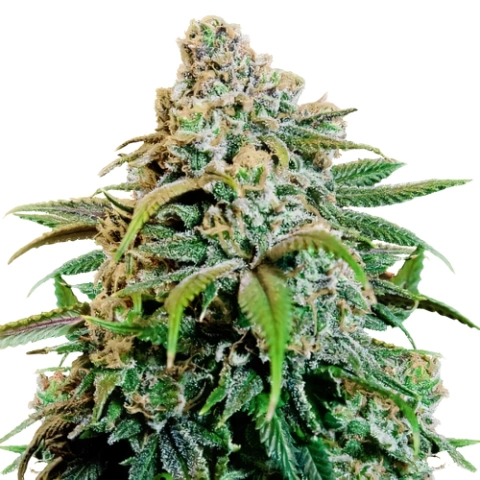 Canna-Tsu Cannabis SeedsFrom: $24.99
Canna-Tsu is a hybrid cannabis strain renowned for its high cannabidiol (CBD) content, making it a prominent option in the field of medical cannabis. This strain is celebrated for its therapeutic potential, offering relief from various medical conditions without producing the psychoactive effects commonly associated with high tetrahydrocannabinol (THC) strains. This detailed analysis explores the origins, chemical profile, medical benefits, and growing conditions of Canna-Tsu, with a particular emphasis on its applications in healthcare.
Origins of Canna-Tsu
Canna-Tsu was bred by crossing two legendary strains, Cannatonic and Sour Tsunami. Both parent strains were pivotal in the emergence of CBD-dominant cannabis, which offers therapeutic benefits without the intoxicating effects of THC. Cannatonic, known for its relatively balanced THC-to-CBD ratio, has long been a staple for medical cannabis users. Sour Tsunami, on the other hand, gained recognition as one of the first strains to be explicitly bred for its high CBD content.
Canna-Tsu inherits the best attributes of its parent strains, emphasizing a high CBD content while maintaining a trace amount of THC to enhance its therapeutic efficacy through the entourage effect. This strain represents a deliberate effort to provide patients with relief from symptoms of various ailments without the psychoactive side effects commonly associated with THC-dominant cannabis. Its development underscores the growing importance of targeted breeding in addressing specific medical needs.
Chemical Profile
Canna-Tsu’s chemical profile is its defining characteristic. It typically features a CBD content ranging from 10% to 15% and a low THC level, usually around 1% to 3%. This ratio ensures minimal psychoactivity while maximizing the therapeutic potential of CBD. The strain also contains a diverse terpene profile, which includes notable compounds such as myrcene, pinene, and caryophyllene. These terpenes not only contribute to the strain’s subtle citrus and earthy aroma but also enhance its medical efficacy.
Cannabinoids
The high CBD content in Canna-Tsu is central to its medical utility. CBD is renowned for its anti-inflammatory, anticonvulsant, anxiolytic, and analgesic properties. Through its interactions with the body’s endocannabinoid system (ECS), CBD aids in the regulation of numerous physiological functions, including as immunological response, mood stabilization, and pain perception. The small amount of THC present in Canna-Tsu serves to amplify these effects without inducing intoxication, thanks to the synergistic interplay between cannabinoids known as the entourage effect.
Terpenes
Canna-Tsu’s terpene profile contributes significantly to its medical potential:
- Myrcene: Myrcene, which is well-known for its calming and muscle-relaxing effects, improves the strain’s capacity to reduce pain and encourage relaxation.
- Pinene: This terpene is associated with anti-inflammatory effects and is known to improve focus and memory retention. It also counteracts potential cognitive impairment caused by THC.
- Caryophyllene: A unique terpene that directly interacts with CB2 receptors in the ECS, caryophyllene plays a crucial role in reducing inflammation and alleviating chronic pain.
- Limonene: Though less dominant, limonene provides mood-enhancing properties and adds a refreshing citrus note to the strain’s flavor profile.
The interaction between these terpenes and cannabinoids creates a comprehensive therapeutic profile, making Canna-Tsu highly effective for a wide range of medical conditions.
Medical Benefits of Canna-Tsu

Canna-Tsu’s primary appeal lies in its extensive medical applications. Patients suffering from chronic illnesses, mental health disorders, and neurological conditions often turn to this strain for its non-intoxicating yet potent therapeutic effects. Below, we explore its benefits across various domains of health.
Pain Management
One of the most common applications of Canna-Tsu is in the management of chronic pain. Chronic, incapacitating pain that is unresponsive to standard therapies is a common feature of diseases like neuropathy, fibromyalgia, and arthritis. CBD’s interaction with ECS receptors helps modulate pain signals, while the anti-inflammatory properties of both CBD and terpenes like myrcene and caryophyllene address the underlying causes of pain. The strain’s low THC content ensures that patients can experience relief without any cognitive impairment, making it suitable for daytime use.
Anxiety and Stress
Post-traumatic stress disorder (PTSD), social anxiety disorder (SAD), and generalized anxiety disorder (GAD) are among the anxiety illnesses that canna-tsu is especially good at treating. It has been demonstrated that CBD works similarly to selective serotonin reuptake inhibitors (SSRIs) in modifying serotonin levels in the brain. The presence of pinene and limonene further enhances the strain’s anxiolytic properties, offering patients a sense of calm and focus without sedation.
Epilepsy and Seizure Disorders
Canna-Tsu is often recommended for individuals with epilepsy and other seizure disorders due to its high CBD content. CBD’s anticonvulsant properties have been widely documented, with studies showing significant reductions in seizure frequency among patients using CBD-rich cannabis. Unlike THC, which can sometimes exacerbate seizures, CBD provides a safe and effective alternative.
Inflammation and Autoimmune Diseases
Chronic inflammation is a common factor in numerous conditions, including Crohn’s disease, multiple sclerosis, and lupus. Canna-Tsu’s anti-inflammatory properties, driven by CBD and terpenes like caryophyllene and pinene, make it an invaluable option for managing these conditions. By reducing inflammation, the strain not only alleviates symptoms but also addresses the root cause of many autoimmune disorders.
Neuroprotective Effects
CBD is increasingly recognized for its neuroprotective properties, which are beneficial for conditions such as Alzheimer’s disease, Parkinson’s disease, and traumatic brain injuries. Canna-Tsu’s balanced cannabinoid and terpene profile supports brain health by reducing oxidative stress, promoting neurogenesis, and minimizing inflammation in the central nervous system.
Insomnia and Sleep Disorders
While not inherently sedative, Canna-Tsu can help individuals struggling with sleep disorders by addressing underlying issues such as pain, anxiety, and inflammation. The relaxing properties of myrcene and CBD promote a sense of calm that facilitates better sleep quality without inducing drowsiness.
Gastrointestinal Health
Additionally, gastrointestinal conditions like inflammatory bowel disease (IBD) and irritable bowel syndrome (IBS) can be effectively managed with canna-tsu. CBD’s anti-inflammatory and antispasmodic effects alleviate symptoms like cramping, diarrhea, and bloating. Additionally, the strain’s calming properties can help reduce stress-related gastrointestinal issues.
Growing Conditions

Cultivating Canna-Tsu requires attention to specific environmental conditions to ensure its chemical profile and therapeutic properties are optimized. As a hybrid strain, it inherits traits from both its indica and sativa lineages, resulting in a plant that is relatively easy to grow for both novice and experienced cultivators.
Climate
Canna-Tsu thrives in a warm, Mediterranean-like climate with consistent temperatures between 70°F and 80°F (21°C to 27°C). Although both indoor and outdoor cultivation are possible, indoor cultivation offers more control over environmental elements such light exposure, humidity, and temperature.
Lighting
During the vegetative stage, Canna-Tsu requires 18-24 hours of light per day. The best lighting for indoor cultivation are LED grow lights or high-intensity discharge (HID) lamps. To promote bud growth, the light cycle should be shortened to 12 hours of light and 12 hours of darkness during the flowering stage.
Humidity and Ventilation
Maintaining proper humidity levels is crucial for preventing mold and mildew, especially during the flowering stage. Ideal humidity levels range from 40% to 50%. Adequate ventilation is also necessary to promote healthy air circulation and prevent the buildup of excess moisture.
Soil and Nutrients
Canna-Tsu performs well in nutrient-rich, well-draining soil with a slightly acidic pH of 6.0 to 6.5. Organic soil amendments such as compost and bat guano can enhance soil fertility. During the vegetative stage, the plant requires higher levels of nitrogen, while the flowering stage demands increased levels of phosphorus and potassium.
Growth Characteristics
Canna-Tsu plants typically grow to a medium height, making them suitable for both indoor and outdoor cultivation. The strain’s dense foliage may require pruning to ensure adequate light penetration and airflow. The flowering period is relatively short, usually between 8 and 9 weeks, and the strain produces moderate yields of resinous, CBD-rich buds.
Pest and Disease Resistance
Canna-Tsu is moderately resistant to common pests and diseases, but preventative measures are essential to ensure a healthy crop. The risk of infestations and diseases can be reduced by routine inspections, organic pest management techniques, and good hygiene.
Restrictions on Using Canna-Tsu in the Medical Field as a Last Resort

Canna-Tsu is widely acknowledged for its medical potential due to its high cannabidiol (CBD) content and minimal tetrahydrocannabinol (THC) levels. However, its use in the medical field is often restricted to specific scenarios and is generally considered a treatment of last resort. These restrictions are based on the necessity to balance therapeutic benefits with patient safety, avoiding unintended psychoactive effects. Monitoring THC levels in medications derived from this strain is critical to ensuring compliance with medical standards and avoiding complications in patient care. Below is a comprehensive exploration of these restrictions, their rationale, and the protocols surrounding THC level monitoring.
Limited Medical Application
Despite its well-documented medical benefits, Canna-Tsu’s application in healthcare is typically reserved for cases where conventional treatments have failed or are unsuitable due to adverse effects or contraindications. This cautious approach stems from several factors:
- Regulatory Concerns: Cannabis-derived treatments, including those based on high-CBD strains like Canna-Tsu, are heavily regulated in many jurisdictions. Governments often impose strict guidelines on their use, ensuring they are prescribed only when no other viable alternatives exist.
- Lack of Extensive Clinical Trials: While there is growing evidence supporting the medical efficacy of CBD, comprehensive clinical trials remain limited. This lack of large-scale, peer-reviewed studies necessitates a conservative approach to using Canna-Tsu in medical settings.
- Potential THC Exposure: Although Canna-Tsu is CBD-dominant, its low THC content (typically 1-3%) can still present a risk of psychoactive effects, particularly in sensitive populations such as children, the elderly, and individuals with psychiatric disorders. Using this strain as a last resort helps mitigate these risks.
- Targeted Medical Conditions: The strain is particularly effective for conditions like chronic pain, epilepsy, and anxiety, where its anti-inflammatory, anticonvulsant, and anxiolytic properties are most beneficial. For other conditions, alternative treatments may be more appropriate or accessible.
Monitoring THC Levels in Medications
A critical component of using Canna-Tsu in medical treatments is the rigorous monitoring of THC levels to prevent psychoactive effects in patients. This requires a multi-faceted approach involving regulatory oversight, advanced testing methods, and clinical vigilance.
Regulatory Standards
Medical cannabis products derived from Canna-Tsu must comply with strict legal limits on THC content, which vary by jurisdiction. For example:
- United States: Products made from hemp are defined by the 2018 Farm Bill as having less than 0.3% THC by dry weight. While Canna-Tsu typically exceeds this threshold slightly, pharmaceutical formulations often refine extracts to meet these legal requirements.
- European Union: Many EU countries restrict medical cannabis products to a maximum THC content of 0.2%.
- Canada and Australia: These nations have more lenient limits but still require precise labeling and control of THC levels in medical products.
Laboratory Testing
THC limitations must be adhered to using sophisticated analytical methods such gas chromatography-mass spectrometry (GC-MS) and high-performance liquid chromatography (HPLC). These methods provide accurate measurements of THC and CBD content in Canna-Tsu-derived medications, ensuring consistency and safety. Regular testing at various production stages—from raw plant material to finished pharmaceutical products—is essential to maintain quality control.
Clinical Oversight
Healthcare providers prescribing Canna-Tsu-based treatments must monitor patients closely to ensure they do not experience psychoactive effects or other adverse reactions. This oversight includes:
- Patient Screening: identifying people who are susceptible to THC sensitivity, such as those who have a history of substance misuse or mental health issues.
- Dosage Control: Prescribing the lowest effective dose to minimize potential exposure to THC.
- Follow-Up Assessments: Regular check-ins to evaluate treatment efficacy and monitor for side effects, adjusting the dosage or treatment plan as needed.
Safeguarding Vulnerable Populations
One of the primary concerns in using Canna-Tsu in the medical field is its potential impact on vulnerable populations. These include:
- Children: Pediatric patients with epilepsy or other severe conditions may benefit from Canna-Tsu’s high CBD content, but even trace amounts of THC could pose risks to their developing brains. In such cases, THC-free or purified CBD isolates may be preferred.
- Elderly Patients: Older adults are often more susceptible to the psychoactive effects of THC, which could impair cognitive function, coordination, and overall quality of life. Rigorous THC monitoring and low-dose protocols are crucial for this demographic.
- Psychiatric Patients: Individuals with a history of anxiety, depression, or psychosis may experience exacerbated symptoms from even low levels of THC. This emphasizes how crucial it is to use canna-tsu sparingly and under close medical care.
Ethical Considerations and Informed Consent
The use of Canna-Tsu as a last resort also raises important ethical considerations. The possible advantages and disadvantages of this treatment must be thoroughly explained to the patient. Informed consent is particularly vital in cases involving experimental or off-label use of cannabis-derived medications. Physicians are responsible for ensuring patients understand the following:
- The rationale for choosing Canna-Tsu over other treatments.
- The possibility of trace THC exposure and its potential effects.
- The need for ongoing monitoring and follow-up care.
By maintaining transparency and fostering open communication, healthcare providers can uphold ethical standards while ensuring patient safety.
Mitigating Risks Through Advanced Formulations
Pharmaceutical advancements have made it possible to refine Canna-Tsu extracts to isolate CBD while minimizing or eliminating THC content. These innovations include:
- CBD Isolates: Pure CBD products derived from Canna-Tsu that contain no detectable THC.
- Broad-Spectrum Extracts: These retain other therapeutic compounds like terpenes while removing THC.
- Microdosing Strategies: Employing precise delivery methods to administer small, controlled doses that minimize THC exposure.
Such formulations allow for greater flexibility in prescribing Canna-Tsu-based treatments while adhering to medical restrictions.
Conclusion
Canna-Tsu stands out as a pivotal strain in the realm of medical cannabis, combining a high CBD content with minimal THC levels to deliver potent therapeutic benefits. Its origins, as a hybrid of Cannatonic and Sour Tsunami, exemplify the targeted breeding practices aimed at maximizing medical efficacy while minimizing psychoactive effects. This focus on CBD-rich profiles has paved the way for treatments addressing a diverse array of medical conditions, from chronic pain and epilepsy to anxiety and inflammation.
The strain’s unique chemical profile, featuring cannabinoids like CBD and terpenes such as myrcene, pinene, and caryophyllene, supports its broad-spectrum therapeutic applications. The synergy between these compounds, known as the entourage effect, enhances the strain’s ability to alleviate symptoms while promoting overall well-being. However, despite its promise, the use of Canna-Tsu in the medical field is often restricted, reserved as a treatment of last resort in cases where conventional methods fail or are unsuitable.
These restrictions reflect the ongoing need for caution in cannabis-based medicine. The limited scale of clinical trials and regulatory concerns around THC exposure necessitate stringent protocols for prescribing Canna-Tsu. Special attention needs to be paid to vulnerable groups, such as children, the elderly, and people with mental health issues. In these groups, even trace amounts of THC may have adverse effects, reinforcing the importance of meticulous monitoring and patient-specific treatment strategies.
The cultivation of Canna-Tsu further underscores its tailored nature. While it is relatively straightforward to grow, achieving its optimal therapeutic profile requires careful management of environmental factors, from light and humidity to soil quality. These efforts are mirrored in the medical field, where advanced extraction and formulation techniques ensure that patients receive consistent, THC-compliant medications. Options such as CBD isolates and broad-spectrum extracts allow for the benefits of Canna-Tsu to be delivered safely and effectively.
Ultimately, the integration of Canna-Tsu into the medical landscape demonstrates the potential of cannabis to address unmet clinical needs. By adhering to rigorous standards for use, dosage, and monitoring, healthcare providers can leverage this strain’s healing properties while safeguarding patients against risks. As research continues to expand, Canna-Tsu serves as both a therapeutic tool and a model for the responsible application of medical cannabis.
