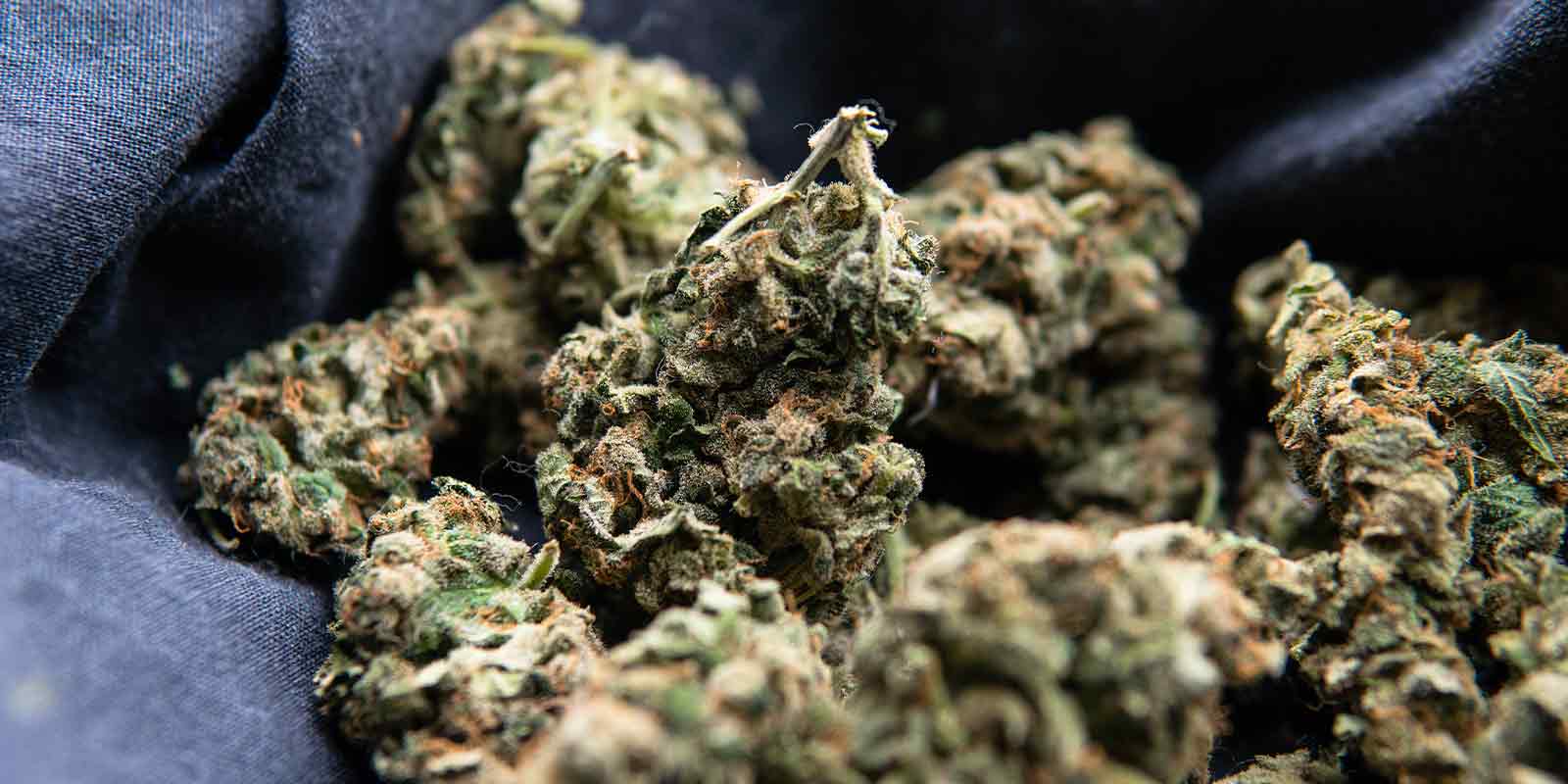
Medical Strain Analysis: Calm & Clear
In the rapidly expanding field of medicinal cannabis, Calm & Clear has emerged as a strain uniquely tailored to the needs of individuals seeking targeted therapeutic relief. Its reputation for providing a balanced, non-intoxicating experience and broad-spectrum health benefits has earned it a significant place in medical research and patient care. Unlike strains more commonly associated with recreational use, Calm & Clear was specifically bred to optimize medicinal properties, prioritizing efficacy, consistency, and safety. This in-depth exploration examines the origins, chemical profile, medical benefits, and cultivation requirements of this remarkable strain.
Origins of Calm & Clear
The strain Calm & Clear is the result of meticulous breeding efforts aimed at developing a cannabis variety with specific therapeutic applications. Emerging in the early 2010s, this strain was created by crossing two well-known parent strains: ACDC, a high-CBD, low-THC cultivar, and Harle-Tsu, a strain renowned for its stable cannabinoid and terpene profile. Both parent strains were selected for their ability to deliver therapeutic benefits with minimal psychoactivity, resulting in a strain that prioritizes patient functionality and well-being.
The development of Calm & Clear was heavily influenced by the growing demand for medical cannabis strains that could serve patients suffering from chronic pain, anxiety, and neurological disorders without the psychoactive side effects typically associated with THC-dominant strains. This breeding effort also coincided with advances in understanding the endocannabinoid system, allowing researchers to selectively amplify desired therapeutic properties. Today, Calm & Clear stands out as a carefully optimized hybrid designed to promote relief, relaxation, and mental clarity for medical cannabis users.
Chemical Profile of Calm & Clear Strain

The unique therapeutic effects of Calm & Clear are derived from its chemical composition, which includes cannabinoids, terpenes, and flavonoids. Each of these compounds plays a critical role in the strain’s efficacy and synergy.
Cannabinoid Profile
The defining feature of Calm & Clear is its balanced cannabinoid profile, marked by a high concentration of cannabidiol (CBD) and a consistently low level of tetrahydrocannabinol (THC). The average cannabinoid content is as follows:
- CBD: 12–16%
- THC: 0.5–2%
- CBG (Cannabigerol): 1–2%
- CBN (Cannabinol): <0.5%
This high-CBD, low-THC ratio ensures that Calm & Clear is non-intoxicating, making it suitable for patients who require relief without impairment. CBD interacts with the endocannabinoid system to regulate pain perception, inflammation, and anxiety, while the low THC content helps avoid side effects such as dizziness or euphoria, which may hinder patient comfort in a clinical or daily-use context. The presence of minor cannabinoids, such as CBG, enhances the strain’s therapeutic spectrum by contributing additional anti-inflammatory and neuroprotective properties.
Terpene Profile
Terpenes are another critical aspect of Calm & Clear’s chemical composition, as they modulate the strain’s effects and contribute to its therapeutic efficacy. This strain’s predominant terpenes are as follows:
- Myrcene: Known for its calming and sedative properties, myrcene is effective in reducing muscle tension, promoting sleep, and alleviating pain.
- Limonene: This citrus-scented terpene contributes to Calm & Clear’s anti-anxiety effects, boosting mood and fostering mental clarity.
- Caryophyllene: Acting as a natural anti-inflammatory, caryophyllene interacts with CB2 receptors in the immune system to reduce inflammation and pain.
- Linalool: Recognized for its anxiolytic and anticonvulsant properties, linalool enhances the strain’s ability to calm the nervous system.
- Humulene: This terpene offers additional anti-inflammatory effects and may assist in reducing appetite in patients undergoing treatment for metabolic disorders.
The balanced combination of these terpenes contributes to the strain’s distinct therapeutic properties, promoting calmness and focus while addressing a wide range of symptoms.
Synergy and the Entourage Effect
The therapeutic efficacy of Calm & Clear is amplified by the entourage effect, a phenomenon in which cannabinoids and terpenes work together to enhance their individual benefits. For example, the interplay between CBD and myrcene improves the strain’s analgesic properties, while the combination of limonene and linalool provides a powerful anti-anxiety effect. This synergy makes Calm & Clear a holistic treatment option, addressing not just the primary condition but also associated symptoms and comorbidities.
Medical Benefits of Calm & Clear

The therapeutic applications of Calm & Clear span a broad spectrum of medical conditions. Its balanced chemical profile makes it an ideal option for patients who require relief without psychoactive side effects or sedation. Below, we explore the key medical benefits of this strain.
Chronic Pain Management
Chronic pain is one of the most common conditions treated with cannabis, and Calm & Clear excels in this area. Its high CBD content acts on the TRPV1 receptor, known as the “capsaicin receptor,” to reduce pain perception and inflammation. Additionally, the strain’s myrcene and caryophyllene content work in tandem to alleviate musculoskeletal discomfort, neuropathic pain, and inflammatory conditions such as arthritis and fibromyalgia.
Anxiety and Stress Relief
For patients suffering from anxiety disorders, Calm & Clear offers a safe and effective alternative to pharmaceutical anxiolytics. CBD modulates serotonin receptors (5-HT1A) in the brain, producing a calming effect without the risk of dependency or cognitive impairment. Terpenes such as limonene and linalool further enhance this effect by promoting relaxation and mental clarity. This makes Calm & Clear particularly beneficial for patients with generalized anxiety disorder (GAD), social anxiety, or post-traumatic stress disorder (PTSD).
Neurological Support
The neuroprotective properties of Calm & Clear have been the subject of significant research, particularly in the context of epilepsy and neurodegenerative diseases. CBD’s ability to reduce seizure frequency and severity has been well-documented in clinical trials, and the presence of linalool enhances its anticonvulsant effects. Additionally, the strain shows promise in slowing the progression of conditions such as Alzheimer’s disease, Parkinson’s disease, and multiple sclerosis by reducing oxidative stress and inflammation in neural tissues.
Insomnia and Sleep Disorders
Many patients with sleep disorders find relief with Calm & Clear due to its sedative yet non-intoxicating effects. The combination of CBD and myrcene promotes relaxation, reduces nighttime awakenings, and helps regulate the sleep-wake cycle. Unlike traditional sleep aids, this strain does not cause residual grogginess, making it an appealing option for individuals with chronic insomnia.
Inflammation and Autoimmune Conditions
Many disorders, particularly autoimmune ones like rheumatoid arthritis, lupus, and Crohn’s disease, have inflammation as a common underlying cause. The anti-inflammatory properties of Calm & Clear stem from its high CBD and caryophyllene content, which target immune system dysregulation and reduce pro-inflammatory cytokine activity. This makes the strain highly effective for managing pain and inflammation in autoimmune conditions.
Mental Clarity and Cognitive Support
One of the most unique features of Calm & Clear is its ability to enhance mental clarity and focus. This is particularly beneficial for patients experiencing cognitive fog due to chronic fatigue syndrome, fibromyalgia, or the side effects of cancer treatments. The strain’s balanced cannabinoid and terpene profile fosters a state of calm alertness, improving concentration without inducing anxiety or sedation.
Growing Conditions for Calm & Clear
Cultivating Calm & Clear requires careful attention to environmental factors, as the strain’s chemical profile and therapeutic efficacy are highly dependent on its growing conditions. Whether grown indoors or outdoors, this strain thrives in a controlled environment that ensures optimal cannabinoid and terpene production.
Climate and Environment
Calm & Clear prefers a temperate climate with moderate humidity levels. When grown outdoors, it flourishes in regions with warm days and cool nights, as the temperature differential enhances terpene production. Indoor cultivation allows for greater control over environmental conditions, with the ideal temperature range being 70–80°F (21–27°C) during the vegetative stage and slightly cooler during flowering to encourage resin production.
Lighting and Photoperiod
As a photoperiod-sensitive strain, Calm & Clear requires specific light cycles to transition from vegetative growth to flowering. It is advised to use a light cycle of 18 hours on and 6 hours off during the vegetative stage. For flowering, the cycle should be adjusted to 12 hours of light and 12 hours of darkness. Because they replicate natural sunshine and promote strong growth, full-spectrum LED lights are perfect for indoor growing.
Nutrients and Soil
The nutrient requirements of Calm & Clear are typical of most cannabis strains, but careful attention must be paid to avoid overfeeding, which can disrupt cannabinoid and terpene synthesis. A well-balanced soil mix rich in organic matter provides the best foundation for healthy growth. During the vegetative stage, the strain benefits from nitrogen-rich fertilizers, while phosphorus and potassium should be emphasized during flowering to support bud development.
Pest and Disease Management
As a relatively hardy strain, Calm & Clear is resistant to many common pests and diseases. However, preventative measures such as regular inspections, proper ventilation, and the use of organic pest control methods are essential to maintaining plant health. Powdery mildew and spider mites are potential threats, particularly in humid environments, and should be managed promptly if detected.
Harvesting and Curing
The flowering period for Calm & Clear typically lasts 8–10 weeks, depending on the growing conditions. Harvesting at the optimal time is critical to ensuring the desired cannabinoid and terpene profile. Trichomes should be inspected with a magnifying glass or microscope; a cloudy appearance indicates peak potency. After harvesting, the buds should be dried and cured in a dark, well-ventilated space to preserve their chemical integrity and enhance their therapeutic properties.
Restrictions on Using Calm & Clear in the Medical Field and Monitoring THC Levels to Prevent Psychoactive Effects

In the evolving landscape of medical cannabis, Calm & Clear has established itself as a reliable therapeutic option for a variety of conditions. However, its usage is accompanied by necessary restrictions and guidelines to ensure patient safety, minimize risks, and maintain its application as a last-resort treatment. These restrictions stem from the need for a structured, evidence-based approach to cannabis-based therapies and a growing emphasis on preventing unwanted psychoactive effects, even when dealing with low-THC strains like Calm & Clear. This section explores the considerations and regulations surrounding the use of Calm & Clear in the medical field.
Restricted Use: Reserved as a Last Resort
Medical professionals often emphasize using cannabis-based medications like Calm & Clear as a last-resort treatment. This guideline reflects a cautious approach to cannabis, prioritizing established treatments and therapies before turning to cannabinoid-based solutions. Several key factors influence this restriction:
1. Clinical Evidence and Standard Treatments
While cannabis-based therapies have shown significant promise, there remains an ongoing need for large-scale, longitudinal studies to conclusively determine their long-term safety and efficacy. Regulatory bodies often mandate that cannabis be used only after standard, evidence-backed treatments—such as pharmaceuticals, physical therapy, or psychological interventions—fail to provide adequate relief or produce intolerable side effects.
For example, patients with chronic pain may be prescribed opioid analgesics or NSAIDs as first-line treatments. If these therapies prove insufficient or result in severe side effects, Calm & Clear may be considered as an alternative. Similarly, patients with epilepsy may need to try multiple anti-epileptic drugs (AEDs) before a CBD-rich strain like Calm & Clear is introduced as part of their treatment regimen.
2. Targeted Medical Applications
Restricting Calm & Clear to specific medical applications ensures that its use is carefully aligned with evidence-based practices. Conditions such as intractable pain, treatment-resistant anxiety, severe inflammatory disorders, and epilepsy with poor response to standard AEDs are prioritized. Physicians must evaluate whether the benefits of using Calm & Clear outweigh potential risks, particularly in vulnerable populations like children, pregnant women, or individuals with mental health disorders.
3. Avoiding Overprescription
Restricting cannabis-based therapies to a last-resort option helps prevent overprescription, which could lead to dependency, misuse, or a cultural shift that diminishes the distinction between medical and recreational use. By reserving Calm & Clear for patients who truly need it, the integrity of medical cannabis programs can be preserved.
Monitoring THC Levels: Preventing Psychoactive Effects
Although Calm & Clear is specifically bred to have low THC levels (typically between 0.5% and 2%), rigorous monitoring is essential to ensure that its psychoactive properties remain negligible, particularly in a medical context. For patients who are sensitive to THC or for those in vulnerable groups, even trace amounts of THC can have unwanted effects, such as dizziness, altered perception, or impaired cognition. As such, the following measures are vital to maintain patient safety:
1. Laboratory Testing for Potency
Before Calm & Clear can be used in medical formulations, it undergoes stringent laboratory testing to verify its cannabinoid profile. Accredited labs test each batch of cannabis to ensure that THC levels remain within the safe range. Regular testing also ensures consistency across products, giving physicians and patients confidence in dosing and expected outcomes.
2. Strict Dosage Guidelines
Even with low THC levels, precise dosing is crucial to prevent psychoactive effects. Medical practitioners carefully calculate the dosage of Calm & Clear-based medications, taking into account the patient’s condition, weight, age, and sensitivity to cannabinoids. Microdosing strategies, in which patients receive the minimum effective dose, are often employed to minimize the risk of THC-induced side effects.
3. Formulation Control
To further limit the potential for psychoactivity, Calm & Clear is often processed into isolated or broad-spectrum CBD products, where THC levels are reduced to negligible or undetectable amounts. This is particularly important for patients who require regular, long-term treatment without the risk of THC accumulation in the body, which could lead to unintended psychoactive effects over time.
4. Monitoring Patient Response
Once a patient begins using Calm & Clear or medications derived from it, their response is closely monitored by healthcare providers. Symptoms such as dizziness, drowsiness, or mood changes are documented to determine whether the THC content, however minimal, is impacting the patient negatively. Adjustments to dosage or cannabinoid ratios are made accordingly.
Regulatory Oversight
Regulatory frameworks play a key role in enforcing restrictions on medical cannabis use and THC monitoring. Many jurisdictions require healthcare providers to obtain special licensing or certification before prescribing cannabis-based medications. In some regions, Calm & Clear may only be dispensed by authorized dispensaries that adhere to strict labeling and testing requirements, ensuring that patients receive products with a verified low-THC content.
Furthermore, patients using cannabis-based therapies are often required to enroll in medical cannabis registries, which allow regulatory bodies to track usage patterns, efficacy, and safety outcomes. These registries also help prevent diversion of medical cannabis into recreational markets, maintaining its integrity as a therapeutic product.
Conclusion
The medicinal cannabis strain Calm & Clear represents a significant advancement in the field of cannabis-based therapies, offering a tailored solution for patients in need of relief from various medical conditions. Its origins as a carefully bred hybrid designed to maximize therapeutic benefits while minimizing psychoactive effects reflect the precision and scientific rigor now being applied to cannabis research. By combining high levels of cannabidiol (CBD) with trace amounts of tetrahydrocannabinol (THC) and a synergistic terpene profile, Calm & Clear is particularly effective in managing chronic pain, anxiety, neurological disorders, inflammation, and sleep disturbances without compromising mental clarity or patient functionality.
The strain’s chemical profile exemplifies the importance of cannabinoid and terpene synergy, as its combination of CBD, myrcene, limonene, caryophyllene, and other compounds produces therapeutic effects far greater than any single component could achieve on its own. The entourage effect in Calm & Clear ensures that patients benefit from a holistic treatment option, addressing not only the primary symptoms but also secondary and comorbid conditions. The inclusion of trace cannabinoids such as CBG adds an extra layer of therapeutic potential, making Calm & Clear a versatile and well-rounded medicinal strain.
Despite its efficacy, the use of Calm & Clear in medical practice is appropriately restricted to ensure that it is applied responsibly and as a last resort. These restrictions ensure that cannabis-based treatments are reserved for cases where conventional therapies have failed or caused intolerable side effects. This cautious approach reinforces the importance of evidence-based practices in the medical field and helps maintain the integrity of cannabis as a therapeutic tool, rather than a recreational product.
A critical aspect of using Calm & Clear in medicine is the rigorous monitoring of THC levels to eliminate the risk of psychoactive effects. Through precise laboratory testing, controlled formulations, and patient-specific dosing strategies, healthcare providers can ensure that Calm & Clear offers safe and predictable results. Moreover, the close monitoring of patient outcomes and adherence to regulatory oversight help maintain high safety standards and public trust in cannabis-based therapies.
Cultivating Calm & Clear requires careful attention to environmental conditions, from lighting and temperature to nutrient regimens and pest control. These cultivation practices are essential not only to optimize the strain’s chemical profile but also to produce consistent and reliable medicine for patients. Whether grown indoors or outdoors, the emphasis on quality ensures that Calm & Clear meets the stringent standards required for medical use.
Finally, the restrictions placed on its use, coupled with robust regulatory frameworks, ensure that Calm & Clear is applied responsibly and remains a medical treatment rather than a recreational commodity. These measures, including its classification as a last-resort option, protect both patients and the integrity of medical cannabis programs while allowing for the careful integration of cannabis-based treatments into modern healthcare.
In conclusion, Calm & Clear stands out as a paradigm of what medicinal cannabis can achieve when approached with precision, care, and responsibility. Its balanced chemical composition, extensive therapeutic applications, and stringent safety protocols make it a valuable tool for addressing complex medical conditions while minimizing risks. As research into cannabis-based medicine continues to expand, Calm & Clear exemplifies the potential of cannabis to improve patient outcomes and enhance quality of life, provided its use is guided by rigorous standards, monitoring, and ethical practices. Through continued innovation and responsible application, strains like Calm & Clear will play an increasingly important role in the future of medicine.
