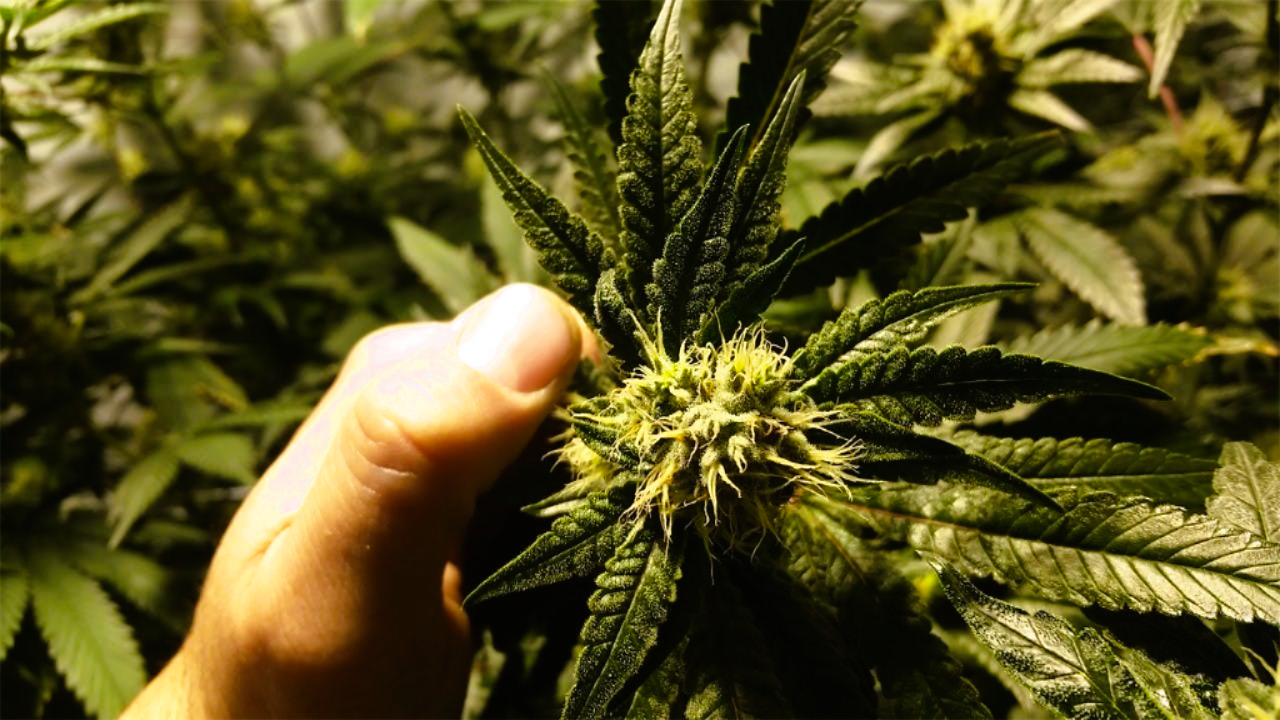
Medical Strain Analysis: Black Lime CBD
Black Lime CBD is a remarkable strain in the landscape of medical cannabis, known for its distinct origins, unique chemical profile, and wide-ranging therapeutic potential. It is a non-psychoactive derivative of the original Black Lime strain, which is renowned for its robust genetic lineage and profound medicinal benefits. In this analysis, we will delve deeply into the history and genetics of Black Lime CBD, its comprehensive chemical profile, the specific medical conditions it may address, and the environmental and horticultural factors required to cultivate it effectively.
Origins of Black Lime CBD
The origins of Black Lime CBD can be traced back to the parent strain, Black Lime Reserve, a hybrid celebrated for its rich lineage. Black Lime Reserve is a cross between Northern Lights, Purple Kush, and a strain known as Chemdawg Special Reserve, with additional lineage contributions from key landrace strains including Pakistani and Afghan cultivars. This unique genetic combination lends Black Lime Reserve its distinct lime-forward aroma and a balanced hybrid structure that often leans slightly indica in its effects.
Black Lime CBD is a specially bred variant of this parent strain, developed to maximize cannabidiol (CBD) content while significantly reducing the psychoactive tetrahydrocannabinol (THC) levels. This selective breeding was undertaken to create a medical strain that could provide therapeutic benefits without the intoxicating effects typically associated with high-THC cannabis. Through careful genetic stabilization, breeders were able to isolate and enhance the CBD properties of Black Lime Reserve while maintaining the signature terpene profile and robust resilience of the original strain. Today, Black Lime CBD represents an evolution in medical cannabis cultivation, offering a pure, targeted option for patients seeking non-intoxicating relief.
Chemical Profile of Black Lime CBD

The chemical composition of Black Lime CBD is integral to its medical utility. As a high-CBD strain, it typically contains CBD levels ranging from 10% to 18%, with THC levels kept below 0.3%, ensuring compliance with legal definitions of industrial hemp in many jurisdictions. This low THC content is essential for patients who require the medicinal benefits of cannabis without experiencing psychoactive effects.
CBD, or cannabidiol, is the primary active compound in Black Lime CBD. Cannabidiol has been extensively studied for its therapeutic properties, including anti-inflammatory, analgesic, anxiolytic, neuroprotective, and anticonvulsant effects. CBD interacts with the body’s endocannabinoid system (ECS), a regulatory network involved in maintaining homeostasis in a variety of physiological processes such as pain perception, immune response, and mood regulation. Unlike THC, CBD does not directly bind to CB1 or CB2 receptors in the ECS but instead modulates their activity, influencing the release of neurotransmitters and other signaling molecules.
In addition to CBD, Black Lime CBD contains a robust terpene profile, which contributes to its therapeutic effects through the entourage effect. This synergy between cannabinoids and terpenes enhances the overall efficacy of the strain, making it more effective for medical use. The primary terpenes in Black Lime CBD include:
- Limonene: This citrus-scented terpene, responsible for the strain’s lime aroma, has been shown to have anti-inflammatory, antioxidant, and mood-enhancing properties. Limonene may also have anxiolytic effects, making it beneficial for patients suffering from anxiety disorders.
- Myrcene: A terpene found in high concentrations in many cannabis strains, myrcene is known for its sedative and muscle-relaxing properties. It may enhance the pain-relieving and anti-inflammatory effects of CBD, making it particularly useful for patients with chronic pain conditions.
- Caryophyllene: This peppery, spicy terpene is unique in that it can interact directly with CB2 receptors in the ECS. Caryophyllene’s anti-inflammatory and analgesic properties make it a key component of Black Lime CBD’s medical efficacy.
- Pinene: Found in pine trees and many cannabis strains, pinene has bronchodilatory properties and may assist patients with respiratory conditions. It also exhibits anti-inflammatory and neuroprotective effects.
- Humulene: Known for its earthy aroma, humulene has potential anti-inflammatory and appetite-suppressant properties, which may benefit patients managing metabolic disorders.
The cannabinoid and terpene profiles of Black Lime CBD work in concert to provide a multifaceted approach to treatment. This strain also contains trace amounts of other beneficial cannabinoids such as cannabigerol (CBG) and cannabinol (CBN), which may contribute to its therapeutic potential.
Medical Benefits of Black Lime CBD
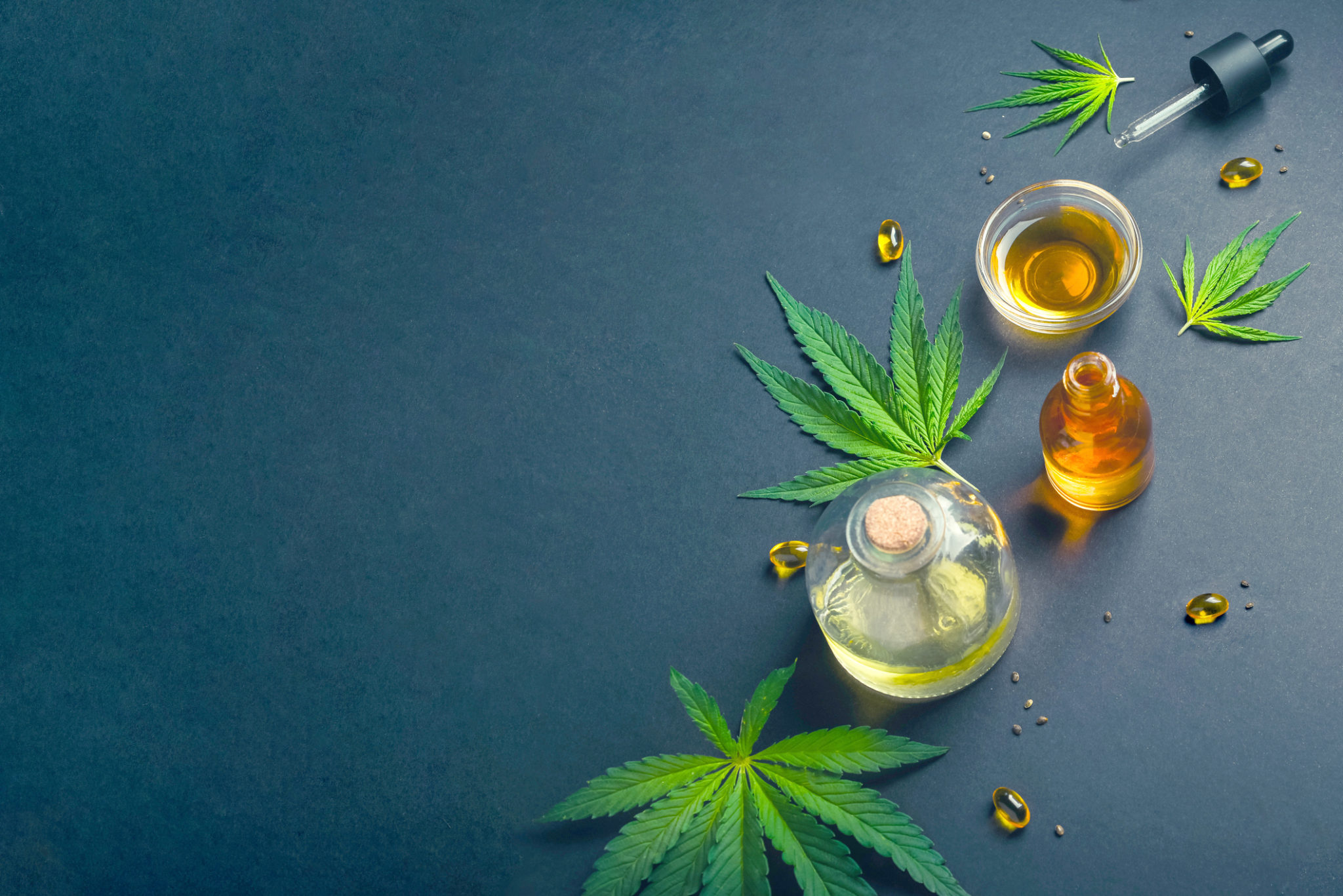
The therapeutic applications of Black Lime CBD are vast, with its non-intoxicating nature making it particularly suitable for patients who are sensitive to THC or for those who require treatment throughout the day without impairment. Its medical benefits span multiple domains, addressing both physical and mental health conditions. We go into further detail about these advantages below:
1. Pain Management
One of the most prevalent ailments for which medical cannabis is recommended is chronic pain. Because of its analgesic and anti-inflammatory qualities, black lime CBD is a good choice for treating pain brought on by diseases including neuropathy, fibromyalgia, multiple sclerosis, and arthritis. By lowering inflammation and modifying pain signals in the neurological system, the combination of CBD, caryophyllene, and myrcene offers focused alleviation.
2. Anxiety and Stress Reduction
A number of common ailments that can seriously lower quality of life are anxiety disorders, such as post-traumatic stress disorder (PTSD), social anxiety disorder (SAD), and generalized anxiety disorder (GAD). Black Lime CBD’s high CBD content, combined with the anxiolytic properties of limonene and myrcene, can help alleviate symptoms of anxiety and promote a sense of calm. Unlike pharmaceutical anxiolytics, CBD does not carry a risk of dependency or significant side effects, making it a safer alternative for long-term use.
3. Sleep Disorders
Sleep disturbances, including insomnia and poor sleep quality, are often linked to underlying conditions such as anxiety, pain, or depression. Black Lime CBD’s sedative properties, largely attributed to myrcene and humulene, can help patients achieve restorative sleep. By addressing the root causes of sleep disturbances, this strain promotes a natural and holistic approach to improving sleep health.
4. Inflammation and Autoimmune Disorders
Inflammation is a hallmark of many chronic diseases, including rheumatoid arthritis, Crohn’s disease, and lupus. CBD’s potent anti-inflammatory effects, supported by the entourage effect with terpenes like caryophyllene, make Black Lime CBD a promising treatment for these conditions. By modulating the immune system, it can reduce inflammatory markers and prevent tissue damage associated with autoimmune disorders.
5. Neurological Disorders
Emerging research has highlighted CBD’s neuroprotective properties, making Black Lime CBD a potential therapeutic option for neurological disorders such as epilepsy, Parkinson’s disease, and Alzheimer’s disease. CBD’s ability to reduce neuronal excitability and oxidative stress plays a key role in its efficacy. For example, in patients with epilepsy, CBD has been shown to decrease the frequency and severity of seizures, as evidenced by the FDA-approved medication Epidiolex.
6. Gastrointestinal Health
Patients suffering from gastrointestinal illnesses like inflammatory bowel disease (IBD) and irritable bowel syndrome (IBS) may benefit from the antispasmodic and anti-inflammatory qualities of CBD and terpenes like limonene. By reducing inflammation in the gut and modulating gut motility, Black Lime CBD can improve digestive health and alleviate symptoms such as pain, bloating, and diarrhea.
7. Cancer Symptom Management
For patients undergoing cancer treatment, Black Lime CBD offers relief from chemotherapy-induced side effects such as nausea, vomiting, and loss of appetite. The anti-inflammatory and pain-relieving properties of this strain can also provide comfort for patients experiencing cancer-related pain. Furthermore, emerging studies suggest that CBD may have anti-tumor properties, although more research is needed in this area.
8. Skin Conditions
Topical applications of Black Lime CBD extracts may benefit patients with skin conditions such as eczema, psoriasis, and acne. The anti-inflammatory and antimicrobial properties of CBD, combined with its ability to regulate sebum production, make it an effective option for promoting skin health.
Growing Conditions for Black Lime CBD
The cultivation of Black Lime CBD requires careful attention to environmental conditions and horticultural practices to ensure optimal cannabinoid and terpene production. This strain is moderately challenging to grow and thrives in both indoor and outdoor settings, provided that its specific requirements are met.
1. Climate Requirements
Black Lime CBD prefers a warm, Mediterranean-like climate with consistent temperatures ranging between 70°F and 85°F (21°C to 29°C). It is moderately resistant to pests and diseases, but growers should monitor humidity levels closely to prevent mold and mildew, particularly during the flowering stage. Optimal humidity levels range from 40% to 50% during the vegetative stage and 30% to 40% during flowering.
2. Light and Photoperiod
As a photoperiod strain, Black Lime CBD requires a specific light cycle to transition from the vegetative to flowering stage. Indoors, a 16/8 light cycle (16 hours of light and 8 hours of darkness) is recommended during the vegetative stage, followed by a 12/12 light cycle during flowering. Outdoor growers should plant in early spring to take advantage of the natural light cycle.
3. Soil and Nutrients
This strain thrives in nutrient-rich, well-draining soil with a slightly acidic pH range of 6.0 to 6.5. Organic soil amendments such as compost, bat guano, and kelp meal can enhance nutrient availability and promote healthy root development. During the vegetative stage, Black Lime CBD requires higher levels of nitrogen, while the flowering stage calls for increased phosphorus and potassium.
4. Training and Pruning
To maximize yields, growers may employ training techniques such as topping, low-stress training (LST), or the Screen of Green (ScrOG) method. Regular pruning is essential to remove excess foliage and improve light penetration, airflow, and overall plant health.
5. Harvest and Curing
Black Lime CBD typically flowers within 8 to 10 weeks, with outdoor plants ready for harvest in late September to early October. Proper timing of harvest is critical to ensure maximum cannabinoid and terpene content. After harvest, the buds should be dried and cured in a controlled environment to preserve their medicinal properties and enhance flavor.
Restrictions on Using Black Lime CBD in the Medical Field and Monitoring THC Levels to Prevent Psychoactive Effects

The use of cannabis-derived medications, including strains like Black Lime CBD, is increasingly accepted in medical contexts due to their therapeutic benefits. However, strict regulations and guidelines govern their application to ensure safety, efficacy, and the avoidance of psychoactive effects. In the medical field, the use of Black Lime CBD is often restricted to cases where conventional treatments have failed or are deemed inappropriate. Additionally, rigorous monitoring of THC levels is paramount to prevent unintended psychoactive effects on patients, particularly in vulnerable populations.
Use as a Last Resort in the Medical Field
One of the primary restrictions on using Black Lime CBD in medical treatments is its designation as a “last resort” option. This classification is particularly relevant in jurisdictions where cannabis-based treatments are still viewed with caution due to historical stigma, lack of widespread understanding, or regulatory concerns. Physicians are generally required to exhaust all conventional therapies before prescribing cannabis-based medications. This ensures that the use of Black Lime CBD is reserved for cases where traditional pharmaceuticals have proven ineffective, poorly tolerated, or associated with severe side effects.
For instance, Black Lime CBD may be considered for patients with treatment-resistant conditions such as chronic pain, refractory epilepsy, or severe anxiety disorders. Similarly, it may be prescribed for managing chemotherapy-induced nausea and vomiting or addressing symptoms of autoimmune diseases when standard treatments fail to provide relief. This restrictive approach underscores the importance of evidence-based practice and aligns with regulatory mandates to minimize the overuse or misuse of cannabis-derived medications.
Monitoring THC Levels in Medications
Black Lime CBD is specifically cultivated to contain high levels of cannabidiol (CBD) and minimal tetrahydrocannabinol (THC), typically below 0.3%. This low THC content is critical in preventing psychoactive effects, which could interfere with a patient’s daily functioning or compromise safety, particularly in those who are elderly, pediatric, or managing mental health conditions.
The strict monitoring of THC levels in medications derived from Black Lime CBD is an essential part of ensuring patient safety. In medical settings, cannabis products are subject to rigorous laboratory testing to verify their cannabinoid content. This testing ensures that THC levels remain within legally permissible and medically appropriate thresholds. Any product with THC levels exceeding regulatory limits is deemed unsuitable for medical use and may be restricted to other contexts.
Additionally, healthcare providers must exercise caution when prescribing Black Lime CBD to individuals who may be particularly sensitive to THC, such as those with a history of psychosis or certain neurological conditions. Even trace amounts of THC, while legally compliant, could potentially exacerbate symptoms in these populations. Therefore, ongoing patient monitoring and regular assessments of therapeutic outcomes are essential to tailor treatment plans effectively.
Patient Education and Informed Consent
Another layer of restriction involves ensuring that patients are fully informed about the potential benefits and risks of using Black Lime CBD as part of their treatment regimen. Physicians are responsible for educating patients about the importance of adhering to prescribed dosages and the potential for drug interactions with existing medications. Patients must provide informed consent, acknowledging that cannabis-derived treatments, while effective for many, are not universally suitable and may take time to optimize for individual needs.
Conclusion
Black Lime CBD stands as a pivotal example of how cannabis-derived products can serve a meaningful role in modern medicine. Its origins, derived from the genetic legacy of Black Lime Reserve, highlight the strain’s sophisticated breeding to maximize therapeutic cannabidiol (CBD) content while minimizing tetrahydrocannabinol (THC) levels to prevent psychoactive effects. This intentional design makes Black Lime CBD a valuable tool for addressing a variety of medical conditions while ensuring patient safety, especially for those who are THC-sensitive or require non-intoxicating treatments.
The strain’s chemical profile is a critical aspect of its medical efficacy. With CBD levels ranging from 10% to 18% and THC below 0.3%, Black Lime CBD delivers potent therapeutic benefits without causing cognitive impairment. Its rich terpene profile, featuring compounds such as limonene, myrcene, caryophyllene, pinene, and humulene, synergistically enhances its anti-inflammatory, analgesic, anxiolytic, and neuroprotective properties. Together, these compounds work in concert to create a robust medical solution capable of addressing conditions such as chronic pain, anxiety, epilepsy, autoimmune disorders, and sleep disturbances. The strain’s efficacy is further augmented by the entourage effect, which emphasizes the interplay between cannabinoids and terpenes.
Despite its therapeutic potential, the use of Black Lime CBD in medical settings is appropriately governed by strict guidelines. Regulatory restrictions often classify it as a last-resort treatment, ensuring that it is only employed when traditional therapies have failed or are unsuitable. This approach aligns with evidence-based medicine and ensures that its application is both targeted and necessary. Additionally, the monitoring of THC levels is paramount in safeguarding against psychoactive effects, particularly in vulnerable populations such as children, the elderly, or those with mental health challenges. Stringent testing and adherence to regulatory frameworks ensure that the strain’s therapeutic benefits are delivered without compromising patient safety.
Cultivating Black Lime CBD also requires careful attention to environmental conditions, soil health, and nutrient management to optimize cannabinoid and terpene production. Whether grown indoors or outdoors, the strain’s cultivation reflects the intricate balance required to produce high-quality, consistent medicine.
In summary, Black Lime CBD exemplifies the potential of cannabis as a cornerstone of integrative medicine. Through targeted use, strict regulatory oversight, and careful cultivation, it provides safe and effective relief for patients suffering from a wide array of conditions. With its non-intoxicating nature and broad therapeutic applicability, Black Lime CBD represents a responsible, forward-thinking approach to medical cannabis, demonstrating how this plant can serve as a powerful ally in improving health and well-being.
