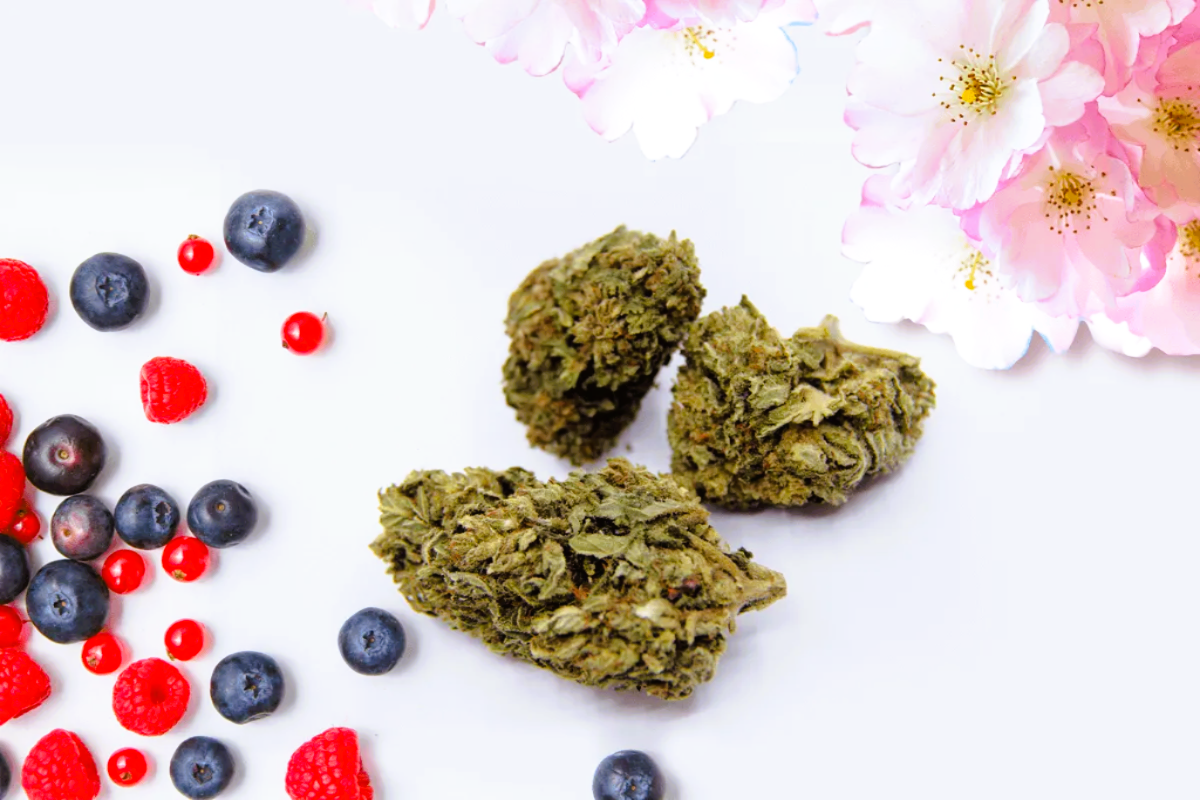
Medical Strain Analysis: Berry Blossom – Origins, Chemical Profile, Medical Benefits, and Growing Conditions
Berry Blossom is a highly regarded medical cannabis strain that has been steadily gaining recognition in the therapeutic cannabis community for its impressive medicinal properties and suitability for a wide variety of patient needs. Known for its calming effects and its rich chemical profile, this CBD-dominant strain offers significant potential in alleviating a wide range of health conditions. From its origins and genetic lineage to its chemical makeup, medical applications, and ideal cultivation practices, Berry Blossom stands out as an exemplary strain for those seeking natural alternatives for health and wellness. This comprehensive analysis delves deeply into the unique attributes of Berry Blossom while emphasizing its role as a medicinal tool.
Berry Blossom is specifically bred to be high in cannabidiol (CBD), a non-psychoactive compound renowned for its therapeutic potential, and low in tetrahydrocannabinol (THC), the psychoactive compound responsible for the “high” often associated with cannabis. This unique balance makes Berry Blossom ideal for medical use, as it provides all the benefits of cannabinoids without the intoxicating effects that might hinder a patient’s ability to function in their daily life. Its gentle and non-invasive effects make it a cornerstone in the modern medical cannabis landscape.
Origins of Berry Blossom

Berry Blossom originates from a lineage that prioritizes CBD content, stability, and consistency. This strain was created by crossing two robust parents: Cherry Kandahar and Chardonnay. Both parent strains are well-regarded for their rich terpene profiles and their ability to produce flowers with a high CBD-to-THC ratio. The breeders behind Berry Blossom aimed to create a strain that combines the medicinal benefits of CBD with a delightful flavor and aroma profile, all while maintaining a strong genetic foundation for reliable cultivation and use.
The Cherry Kandahar parent brings earthy, floral, and subtly sweet notes, along with its high CBD content. Its resilient genetics contribute to Berry Blossom’s hardiness in cultivation, making it suitable for both experienced and novice growers. Meanwhile, the Chardonnay parent adds a layer of complexity to Berry Blossom’s terpene and cannabinoid profile, imbuing it with fruity and floral characteristics and enhancing its therapeutic potency. This lineage ensures that Berry Blossom is not only effective in addressing a variety of medical conditions but also a delight to grow and experience.
Chemical Profile of Berry Blossom
The chemical profile of Berry Blossom is what makes it an outstanding option for medical applications. The strain is specifically cultivated to be CBD-dominant, with average CBD levels ranging between 12% and 18%, depending on the growing conditions and phenotypes. This high CBD content provides a strong foundation for its medicinal properties, as CBD is associated with anti-inflammatory, analgesic, anti-anxiety, and neuroprotective effects.
The THC content in Berry Blossom is typically very low, often below 1%, ensuring that the strain remains non-intoxicating. This is particularly advantageous for patients who need to manage their symptoms while maintaining full cognitive function. The low THC content also minimizes any risk of side effects such as anxiety or paranoia, which can sometimes accompany strains with higher THC levels.
In addition to its cannabinoids, Berry Blossom boasts a rich terpene profile, which plays a significant role in its therapeutic efficacy. The dominant terpenes in Berry Blossom include:
- Myrcene: Known for its sedative and relaxing properties, myrcene is effective in reducing pain and inflammation while promoting restful sleep. This makes Berry Blossom an excellent choice for patients suffering from chronic pain, insomnia, or anxiety.
- Limonene: A citrus-scented terpene with mood-enhancing and stress-relieving effects, limonene supports mental clarity and emotional balance. Additionally, it has antifungal and anti-inflammatory qualities.
- Caryophyllene: A spicy, peppery terpene with strong anti-inflammatory and analgesic effects, caryophyllene is unique in that it interacts directly with the body’s endocannabinoid system (CB2 receptors), making it highly effective for pain management and reducing systemic inflammation.
- Humulene: Known for its appetite-suppressant and anti-inflammatory properties, humulene can be particularly useful for patients dealing with metabolic or inflammatory conditions.
These terpenes work synergistically with the cannabinoids in Berry Blossom, enhancing its overall therapeutic effects through what is known as the “entourage effect.” This phenomenon occurs when cannabinoids and terpenes work together to amplify their individual benefits, resulting in a more potent and well-rounded medicinal experience.
Medical Benefits of Berry Blossom
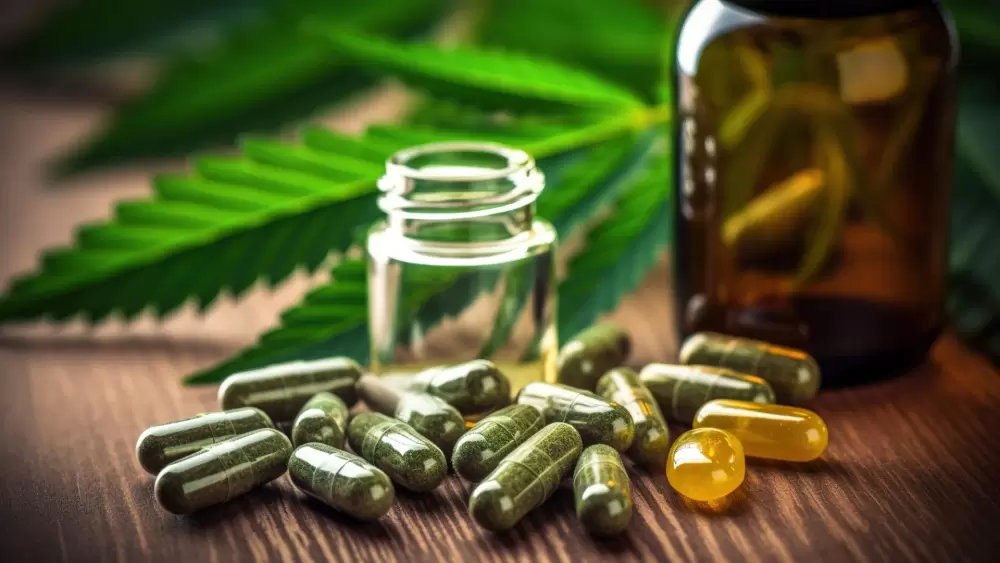
Berry Blossom’s medical benefits are extensive, thanks to its balanced chemical profile and high CBD content. The strain has proven to be effective in managing a wide range of health conditions, making it a versatile tool in the medical cannabis arsenal. Below, we explore some of the key medical applications of Berry Blossom.
1. Chronic Pain Management
One of the most well-documented uses of CBD is its ability to alleviate chronic pain, and Berry Blossom excels in this regard. The strain’s high CBD content, combined with its terpenes like myrcene and caryophyllene, provides significant anti-inflammatory and analgesic effects. This makes it particularly beneficial for conditions such as arthritis, fibromyalgia, and neuropathy. Patients have reported a noticeable reduction in pain levels without the need for pharmaceutical painkillers, which often come with undesirable side effects.
2. Anxiety and Stress Relief
Berry Blossom is renowned for its calming effects, making it an excellent choice for individuals suffering from anxiety, stress, or PTSD. The interaction between CBD and the body’s endocannabinoid system helps regulate mood and stress responses, while the terpenes limonene and myrcene contribute to a sense of relaxation and emotional balance. Importantly, the strain’s low THC content ensures that patients can find relief without experiencing heightened anxiety or paranoia.
3. Sleep Disorders
For patients struggling with insomnia or other sleep disorders, Berry Blossom offers a natural solution. The sedative properties of myrcene, combined with CBD’s ability to regulate sleep-wake cycles, can help patients fall asleep more easily and enjoy deeper, more restorative sleep. Unlike pharmaceutical sleep aids, Berry Blossom does not carry a risk of dependency or grogginess the following morning.
4. Inflammation and Autoimmune Conditions
Inflammatory conditions such as Crohn’s disease, ulcerative colitis, and lupus can benefit significantly from the anti-inflammatory properties of Berry Blossom. CBD and terpenes like caryophyllene and humulene work together to reduce inflammation at both the systemic and localized levels, providing relief from symptoms and improving overall quality of life. Additionally, CBD’s immunomodulatory effects may help regulate overactive immune responses, which are common in autoimmune disorders.
5. Neurological Disorders
Berry Blossom’s neuroprotective properties make it a valuable option for patients with neurological conditions such as epilepsy, multiple sclerosis (MS), or Parkinson’s disease. CBD has been shown to reduce seizure frequency and severity in patients with epilepsy, particularly in treatment-resistant cases. Furthermore, the strain’s anti-inflammatory and antioxidative effects may help protect nerve cells from damage, slowing the progression of neurodegenerative diseases.
6. Cancer Symptom Management
Cancer patients undergoing chemotherapy or radiation therapy often experience debilitating side effects such as nausea, vomiting, pain, and fatigue. Berry Blossom’s antiemetic, analgesic, and appetite-regulating properties can help alleviate these symptoms, improving patients’ overall comfort and quality of life. While not a cure for cancer, the strain can serve as an adjunct therapy to support conventional treatments.
7. Cardiovascular Health
Emerging research suggests that CBD may have a positive impact on cardiovascular health by reducing blood pressure and protecting against heart-related conditions. The cannabinoids and terpenes found in berry blossoms have anti-inflammatory and antioxidative properties that may lower the risk of atherosclerosis and other cardiovascular conditions.
Growing Conditions and Best Practices
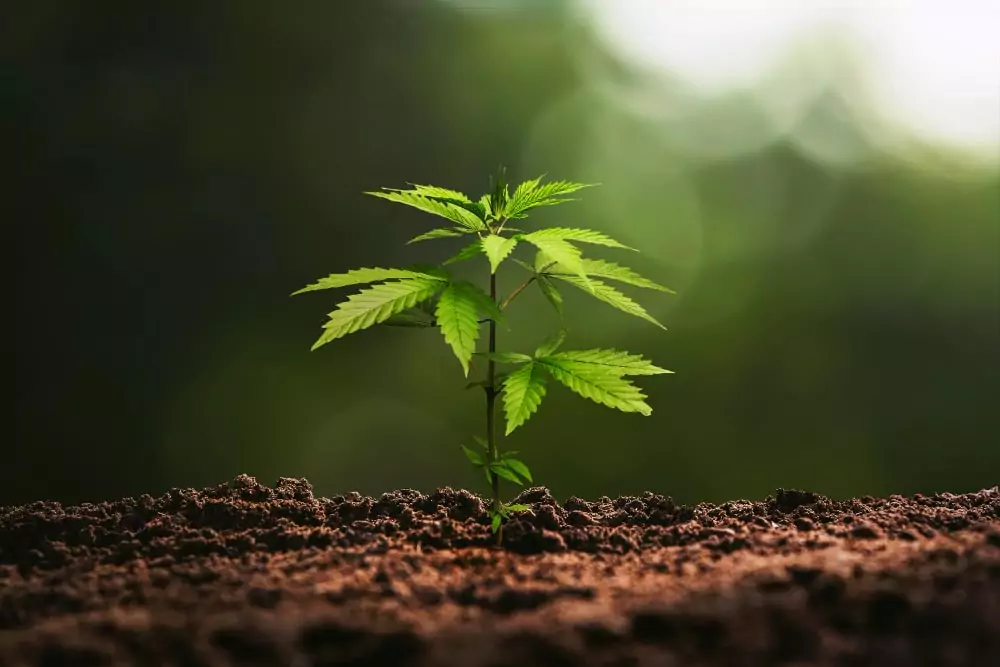
Berry Blossom is a strain that not only offers medicinal benefits but is also relatively easy to grow, making it accessible to patients and cultivators alike. Its strong genetics, which come from Chardonnay and Cherry Kandahar, guarantee that it can flourish in a range of growing conditions, such as indoor, outdoor, and greenhouse settings. Below, we discuss the key considerations for successfully cultivating Berry Blossom.
1. Climate and Environment
Berry Blossom prefers a temperate climate with moderate humidity. It thrives in temperatures between 70°F and 80°F (21°C to 27°C) during the day and slightly cooler temperatures at night. When grown outdoors, the strain performs best in regions with long, warm summers and minimal rainfall during the flowering period. Greenhouses provide an excellent option for maintaining optimal growing conditions while protecting the plants from adverse weather.
2. Soil and Nutrients
Rich, well-draining soil with a balanced pH (between 6.0 and 7.0) is ideal for Berry Blossom. Organic soil amendments such as compost, worm castings, and bat guano can help provide essential nutrients and promote healthy plant growth. During the vegetative stage, the plants require a nitrogen-rich fertilizer, while the flowering stage calls for increased phosphorus and potassium to support bud development.
3. Light Requirements
For indoor growers, Berry Blossom requires a consistent light cycle to thrive. It is advised to use a light cycle of 18 hours on and 6 hours off during the vegetative stage. In the flowering stage, switching to a 12/12 light cycle (12 hours of light and 12 hours of darkness) will trigger bud development. High-quality LED or HID grow lights are ideal for providing the necessary intensity and spectrum.
4. Watering and Humidity
Maintaining proper watering practices is crucial for healthy plant growth. It is crucial to let the soil dry out a little bit in between waterings because overwatering can cause root rot and other problems. Humidity levels should be kept between 40% and 60% during the vegetative stage and reduced to 30%–50% during flowering to prevent mold and mildew.
5. Flowering Time and Yield
Berry Blossom typically has a flowering time of 7 to 9 weeks, depending on the growing conditions and phenotype. Harvesting outside plants often occurs in late September or early October. Growers that take good care of the strain should anticipate a moderate to high production of dense, resinous buds with vivid green and purple colors.
6. Pest and Disease Management
Thanks to its resilient genetics, Berry Blossom is relatively resistant to common pests and diseases. However, proactive measures such as regular inspections, proper airflow, and the use of organic pest control methods (e.g., neem oil, predatory insects) can help ensure a healthy crop.
Restrictions on Using Berry Blossom in the Medical Field and the Importance of THC Monitoring
While Berry Blossom is celebrated for its medical potential, the use of this CBD-dominant strain in the medical field must be carefully regulated. To ensure patient safety and optimize treatment efficacy, Berry Blossom should be considered a last-resort option when conventional therapies fail or prove inadequate. Additionally, stringent monitoring of THC levels in any derived medications is crucial to prevent unintended psychoactive effects, maintaining the strain’s therapeutic profile and preserving its non-intoxicating benefits.
Use as a Last-Resort Treatment
In medical practice, cannabis-based treatments, including Berry Blossom, are often recommended only after standard pharmaceutical interventions have proven ineffective. This cautious approach stems from the need for more extensive clinical research on cannabis-based therapies, as well as the medical community’s preference for treatments with robust, long-term safety data. Berry Blossom, while effective in addressing various conditions such as chronic pain, anxiety, and inflammation, should be prescribed only when patients have exhausted other options.
This restriction ensures that cannabis-based therapies do not become a first-line treatment for conditions that can often be managed through traditional medical means. Physicians should thoroughly assess a patient’s medical history and treatment responses before incorporating Berry Blossom into their care plan. By using this strain as a last resort, the medical field can balance the need for effective symptom management with the importance of adhering to evidence-based treatment protocols.
THC Monitoring to Prevent Psychoactive Effects
A critical aspect of using Berry Blossom in medical settings is the consistent monitoring of its THC content to prevent psychoactive effects. While Berry Blossom is specifically bred to have low THC levels (typically below 1%), variations in cultivation practices, processing methods, or labeling inaccuracies could result in higher THC concentrations, potentially leading to unwanted side effects such as altered perception, dizziness, or cognitive impairment. These effects are especially concerning for patients who need to maintain full functionality in their daily lives or those with a heightened sensitivity to THC.
To address this, medical professionals and producers must adhere to strict quality control standards during the cultivation, extraction, and formulation processes. Comprehensive lab testing should verify that THC levels remain within the intended therapeutic range, ensuring the strain retains its non-intoxicating properties. Regulatory agencies and healthcare providers must work together to establish guidelines that enforce accurate labeling and testing of all Berry Blossom-derived products, safeguarding patients from unintentional psychoactive exposure.
Balancing Benefits with Safety
By limiting the use of Berry Blossom to last-resort scenarios and enforcing THC level monitoring, the medical field can maximize the strain’s therapeutic potential while minimizing risks. This cautious approach ensures that patients receive safe and effective treatment tailored to their specific needs. As research on medical cannabis continues to evolve, these restrictions will play a vital role in upholding the integrity of cannabis-based therapies and fostering greater acceptance of their use in modern medicine.
Conclusion
Berry Blossom is a remarkable CBD-dominant strain that has carved a significant niche in the medical cannabis landscape. Its origins, traced to the purposeful crossbreeding of Cherry Kandahar and Chardonnay, have given it a genetic foundation that prioritizes high CBD content, minimal THC levels, and a robust terpene profile. These characteristics make Berry Blossom an excellent option for addressing a range of medical conditions, including chronic pain, anxiety, inflammation, sleep disorders, and neurological disorders, while avoiding the psychoactive effects associated with THC-dominant cannabis strains.
The chemical profile of Berry Blossom underscores its therapeutic value. Its high CBD content, supported by key terpenes such as myrcene, caryophyllene, limonene, and humulene, allows for a multi-faceted approach to symptom management. The synergistic interaction between cannabinoids and terpenes amplifies its medicinal efficacy, offering a comprehensive remedy for patients seeking natural alternatives to conventional treatments. Importantly, its low THC concentration ensures that patients can benefit from its medicinal properties without experiencing intoxication, a feature that sets it apart as an ideal choice for those who require non-psychoactive therapies.
The strain’s adaptability in cultivation, coupled with its high yield potential and hardiness against pests and diseases, makes Berry Blossom accessible to a wide range of growers. By adhering to optimal growing conditions—such as managing climate, soil nutrients, and humidity levels—cultivators can produce consistent, high-quality medicine that meets the strict demands of medical use.
However, the use of Berry Blossom in the medical field must come with clear restrictions and oversight to ensure its safe and effective application. As discussed, this strain should be reserved as a last-resort treatment, prescribed only after other conventional therapies have been explored. This approach aligns with the medical field’s emphasis on evidence-based treatments and ensures that cannabis-based therapies are introduced cautiously and responsibly. Furthermore, monitoring THC levels in Berry Blossom-derived medications is essential to prevent unintended psychoactive effects. Rigorous quality control, standardized testing, and regulatory oversight are necessary to maintain the integrity of its therapeutic use, providing patients with safe and consistent options for symptom management.
In summary, Berry Blossom embodies the potential of medical cannabis to transform patient care. Its non-intoxicating nature, diverse medicinal applications, and ease of cultivation highlight its value as a tool for improving quality of life. Nevertheless, the medical community must adopt a cautious and measured approach to its use, incorporating stringent guidelines and prioritizing patient safety. As research on cannabis-based medicine continues to advance, Berry Blossom’s role in healthcare will likely expand, offering hope to patients with complex, treatment-resistant conditions. With proper regulation and ethical application, Berry Blossom represents the future of natural, plant-based medicine—one that bridges the gap between traditional healthcare and the therapeutic promise of cannabis.
