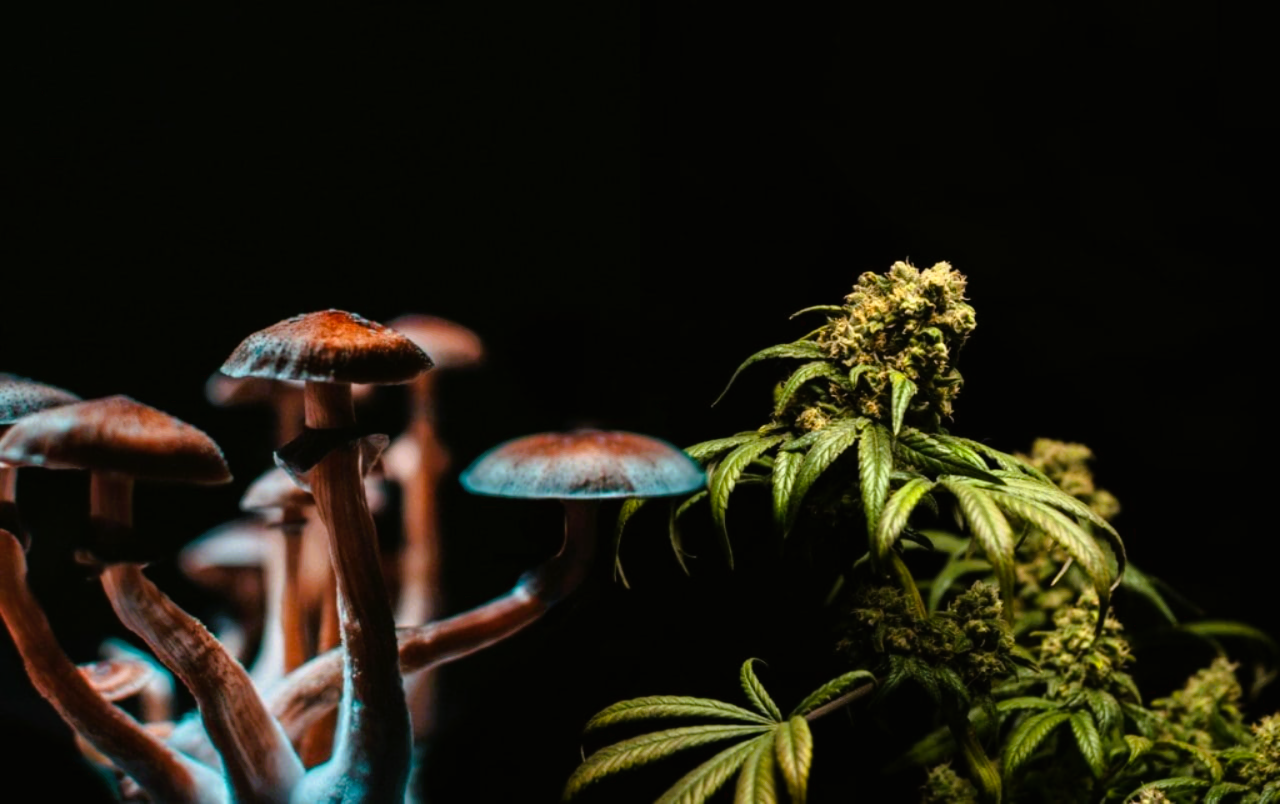
Medical Cannabis vs. Psilocybin Mushrooms: Therapeutic Benefits for Mental Health
Medical cannabis and psilocybin mushrooms are emerging as promising therapies for mental health conditions, supported by growing scientific research. While cannabis is more widely accepted in medical settings, psilocybin is gaining attention through clinical trials for its profound effects on mental illnesses like anxiety, depression, PTSD, and addiction. Both substances offer transformative potential but operate through different brain mechanisms and present unique benefits and challenges.
The Neurochemical Basis of Medical Cannabis in Mental Health
Cannabis contains numerous cannabinoids, with tetrahydrocannabinol (THC) and cannabidiol (CBD) being the two most studied in medical contexts. These compounds interact with the body’s endocannabinoid system (ECS), a regulatory system involved in mood, stress responses, sleep, and emotional processing. The ECS plays a crucial role in maintaining homeostasis in the brain and body, and its dysregulation has been linked to mental health disorders such as anxiety, depression, and post-traumatic stress disorder (PTSD).
Cannabidiol (CBD) and Mental Health
CBD, a non-intoxicating component of cannabis, has demonstrated significant potential in treating anxiety, depression, and PTSD. Research indicates that CBD works by modulating serotonin receptors (5-HT1A) and interacting with the ECS, thereby reducing hyperactive stress responses and promoting a calming effect. In clinical studies, CBD has been shown to alleviate generalized anxiety disorder (GAD) and social anxiety disorder (SAD), often without the side effects commonly associated with traditional anxiolytic medications like benzodiazepines.
One of CBD’s most remarkable attributes is its anti-inflammatory effect in the brain. Neuroinflammation is increasingly understood to play a role in depression and anxiety disorders. By reducing this inflammation, CBD not only addresses symptoms but also targets underlying pathophysiology. This makes it a promising alternative or adjunct to selective serotonin reuptake inhibitors (SSRIs), which often take weeks to become effective and can produce unwanted side effects.
THC and Mental Health
THC, the psychoactive component of cannabis, also has therapeutic potential, though its use in mental health is more controversial due to its potential to induce anxiety or paranoia at high doses. When used in controlled, low doses, THC can stimulate the release of dopamine and create a sense of euphoria, which may help patients with treatment-resistant depression or PTSD. For individuals with severe insomnia stemming from anxiety or trauma, THC’s sedative effects can promote restorative sleep, crucial for mental health recovery.
In PTSD, THC has shown the ability to reduce the frequency and intensity of nightmares, a debilitating symptom for many sufferers. This effect is thought to arise from THC’s interaction with CB1 receptors in the brain, which play a role in memory processing and emotional regulation. By dampening the overactive fear response often seen in PTSD, THC can enable patients to better engage in therapies like cognitive behavioral therapy (CBT).
The Psychedelic Potential of Psilocybin in Mental Health
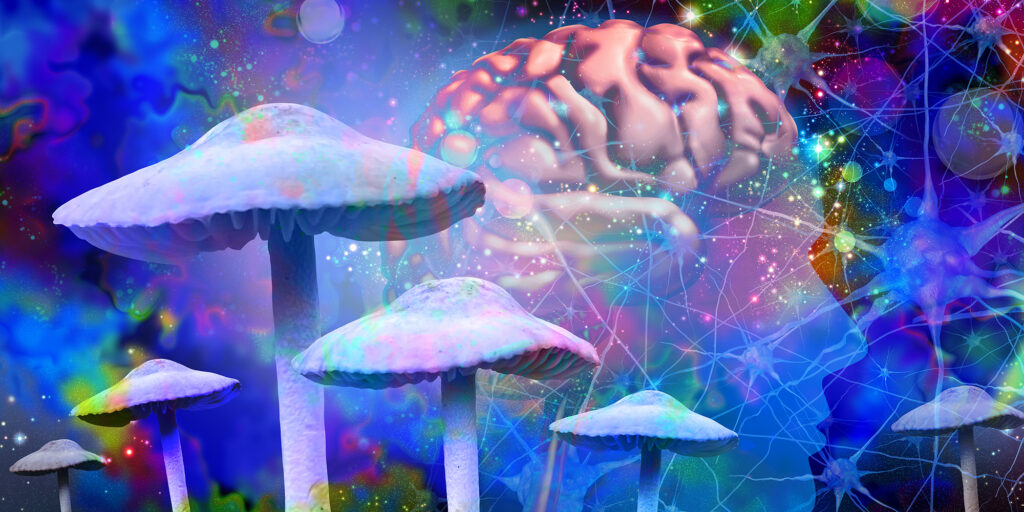
Psilocybin, the active compound in psychedelic mushrooms, is classified as a serotonin receptor agonist, with a strong affinity for the 5-HT2A receptor. Unlike cannabis, psilocybin induces profound alterations in consciousness, often described as “mystical” or “spiritual” experiences. These effects are believed to underlie its therapeutic benefits, as they facilitate deep psychological insights and emotional breakthroughs.
Psilocybin and Depression
Psilocybin has shown remarkable efficacy in treating major depressive disorder (MDD) and treatment-resistant depression (TRD). Clinical studies have demonstrated that a single, high-dose psilocybin session can produce rapid and sustained reductions in depressive symptoms. This rapid onset is a stark contrast to traditional antidepressants, which often require weeks to achieve full efficacy.
The ability of psilocybin therapy to promote neuroplasticity—the brain’s ability to rearrange itself by creating new neural connections—is one of its most alluring features. Depression is linked to inflexible thought patterns and decreased brain connectivity, especially in the default mode network (DMN), which controls self-referential thinking. Psilocybin temporarily disrupts the DMN, enabling patients to escape repetitive negative thought loops and adopt new perspectives.
Beyond its biochemical effects, the subjective experience of psilocybin—often characterized by a sense of unity, awe, and interconnectedness—can provide patients with a renewed sense of purpose and meaning. This is particularly valuable in existential depression, such as that experienced by individuals with terminal illnesses.
Psilocybin and Anxiety Disorders
Psilocybin has also shown promise in treating anxiety, particularly in patients with life-threatening illnesses. A groundbreaking study by Johns Hopkins University found that psilocybin significantly reduced death anxiety and existential distress in cancer patients. The therapeutic mechanism is believed to involve a shift in perspective and emotional processing, which helps patients reconcile with their mortality and find peace.
For generalized anxiety and social anxiety, psilocybin’s effects on serotonin receptors play a key role. By modulating the activity of the amygdala, a brain region involved in fear processing, psilocybin reduces the intensity of anxious responses. This effect, coupled with the profound psychological insights gained during a psilocybin session, can lead to lasting improvements in anxiety symptoms.
Comparisons in Therapeutic Scope
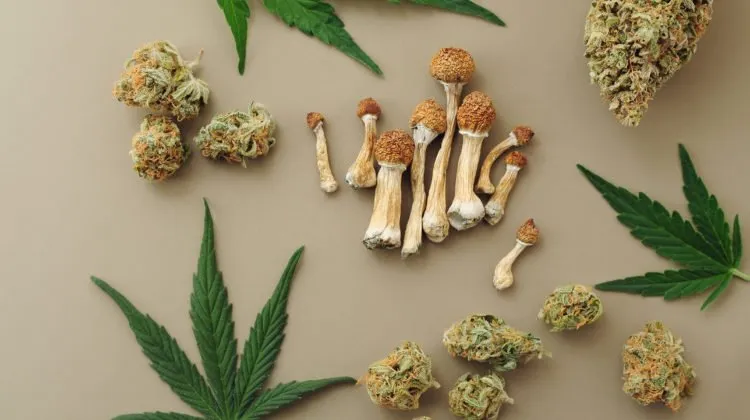
While both medical cannabis and psilocybin mushrooms offer significant benefits for mental health, their therapeutic applications and mechanisms of action differ markedly.
Efficacy in Treating Depression
Cannabis, particularly CBD-dominant formulations, offers a gentle approach to alleviating depressive symptoms. It works well for individuals who prefer gradual symptom relief without profound alterations in consciousness. However, its efficacy may be limited in cases of severe or treatment-resistant depression. By contrast, psilocybin’s transformative potential makes it uniquely suited for individuals with deep-rooted depressive patterns. The rapid, lasting effects of psilocybin are unmatched by cannabis, though the intensity of the psychedelic experience may not be appropriate for all patients.
Efficacy in Treating Anxiety Disorders
CBD’s anxiolytic properties make cannabis an accessible option for managing day-to-day anxiety, with minimal risk of adverse effects. Psilocybin, on the other hand, offers a more profound but less accessible intervention, often requiring structured therapeutic support to guide patients through the experience. While psilocybin can catalyze deep healing, it may not be practical for individuals seeking immediate, low-intensity relief.
PTSD and Trauma
Both substances show promise in treating PTSD, though their mechanisms differ. THC’s ability to suppress traumatic memory retrieval and mitigate nightmares makes it an effective tool for immediate symptom management. Psilocybin, however, may address the root cause of PTSD by enabling patients to reprocess traumatic memories in a safe, therapeutic environment. This reprocessing can lead to lasting resolution of trauma, rather than symptom suppression.
Addiction Treatment
One area where psilocybin outshines cannabis is in its ability to treat addiction. Clinical trials have demonstrated that psilocybin can significantly reduce cravings and substance use in individuals addicted to nicotine, alcohol, and even opioids. By fostering profound insights and breaking habitual thought patterns, psilocybin enables patients to confront the psychological underpinnings of their addiction. While cannabis has been explored as a harm-reduction tool for opioid addiction, its efficacy in treating addiction itself is less robust than that of psilocybin.
Safety Profiles and Challenges
Medical Cannabis Safety
Medical cannabis is generally well-tolerated, though it is not without risks. THC can induce anxiety, paranoia, or psychosis in susceptible individuals, particularly at high doses. Long-term use of high-THC cannabis has also been linked to cannabis use disorder (CUD) in a small subset of users. CBD, by contrast, has an excellent safety profile, with few known side effects and no potential for abuse.
Psilocybin Safety
Psilocybin is considered physiologically safe and non-addictive, but it is not without risks. The intensity of the psychedelic experience can be overwhelming for some individuals, potentially exacerbating symptoms of anxiety or psychosis in those with preexisting conditions. Proper screening and therapeutic support are essential to minimize these risks. Additionally, the legal status of psilocybin in most jurisdictions limits its accessibility and integration into mainstream medical practice.
Emerging Research and Future Directions
The therapeutic potential of both medical cannabis and psilocybin mushrooms continues to be a focus of intense research. In the case of cannabis, ongoing studies are exploring the synergistic effects of minor cannabinoids and terpenes, collectively known as the “entourage effect.” This could lead to the development of more targeted formulations for specific mental health conditions.
For psilocybin, the future lies in refining therapeutic protocols to maximize its benefits while minimizing risks. Microdosing, or the use of sub-perceptual doses of psilocybin, is being investigated as a way to harness its neuroplasticity-enhancing effects without inducing a full psychedelic experience. Additionally, research into combination therapies, such as psilocybin-assisted CBT, could further enhance its efficacy.
Both substances are also being studied for their potential to enhance emotional resilience and promote well-being in individuals without diagnosable mental health disorders. This raises important ethical and regulatory questions about their use in preventive medicine and personal growth.
Restrictions on Using Cannabis in the Medical Field as a Last Resort: Monitoring THC Levels to Prevent Psychoactive Effects on Patients

The use of cannabis in the medical field has grown exponentially over the past decade as evidence of its therapeutic potential has come to light. While its benefits in alleviating pain, anxiety, inflammation, and other health conditions are well-documented, there remains significant concern regarding its psychoactive effects and potential for misuse. Consequently, medical cannabis is often recommended as a last resort when other treatments have proven ineffective. Stringent monitoring of tetrahydrocannabinol (THC) levels in medical cannabis formulations is critical to ensure that patients receive the therapeutic benefits of the plant while minimizing the risk of intoxication, dependency, or adverse mental health outcomes.
Restricting Cannabis Use to Specific Medical Cases
Medical cannabis is typically reserved for conditions where conventional treatments have failed to deliver adequate relief. This restriction is grounded in a cautious approach to prescribing cannabis, reflecting concerns about the potential for misuse and the lack of long-term data in some therapeutic areas. For example, cannabis is often considered as a last resort in treating chronic pain, multiple sclerosis, epilepsy, chemotherapy-induced nausea, or treatment-resistant mental health conditions like PTSD or anxiety.
Healthcare providers emphasize that the decision to prescribe medical cannabis should come after exhausting first-line therapies such as standard pharmaceuticals or non-invasive treatments. For instance, patients with chronic pain are generally first prescribed medications such as acetaminophen, NSAIDs, or opioids under controlled settings before cannabis is introduced. Similarly, for anxiety disorders, psychotherapy and standard anxiolytic medications like SSRIs are prioritized before considering cannabis as an option. These measures ensure that cannabis is used selectively and only when medically necessary.
Restricting cannabis use as a last resort serves multiple purposes. First, it prevents over-reliance on cannabis as a quick solution, encouraging more comprehensive approaches to treatment. Second, it limits exposure to THC, thereby reducing the likelihood of adverse psychoactive effects. Lastly, it aligns with regulatory standards, ensuring that cannabis remains within the bounds of evidence-based medicine.
The Role of THC in Cannabis and Its Risks
THC is the primary psychoactive compound in cannabis and is responsible for the “high” associated with its recreational use. While THC also has therapeutic properties, such as pain relief, muscle relaxation, and appetite stimulation, it can pose significant risks when used in high doses or without appropriate medical oversight. Adverse effects of THC include cognitive impairment, anxiety, paranoia, and, in some cases, the exacerbation of pre-existing mental health disorders such as schizophrenia or psychosis.
For these reasons, medical cannabis formulations often aim to balance THC with cannabidiol (CBD), a non-intoxicating cannabinoid that has its own therapeutic benefits. CBD is known to counteract some of THC’s psychoactive effects, providing a safer and more tolerable treatment option for patients. In many jurisdictions, strict limits are placed on the THC content in medical cannabis products to ensure they are safe for medical use and do not produce undesirable psychoactive effects.
Monitoring THC Levels to Ensure Patient Safety
To minimize the psychoactive effects of cannabis, healthcare systems and regulatory bodies have implemented measures to closely monitor THC levels in medical cannabis products. This monitoring is particularly important given the variability in THC concentrations across different cannabis strains and formulations.
Regulatory Guidelines for THC Levels
In most countries where medical cannabis is legalized, regulatory frameworks establish maximum allowable THC concentrations for medical products. For example, some jurisdictions limit THC content to less than 2% in products intended for anxiety or other mental health conditions, as higher levels could worsen symptoms or cause unwanted intoxication. Products with higher THC levels are typically restricted to specific conditions such as severe chronic pain or cancer-related symptoms and are prescribed only under the supervision of a qualified medical professional.
Standardized Testing and Quality Control
Licensed producers of medical cannabis are required to adhere to strict quality control standards, including regular testing of THC and CBD levels. Consistent dosing for patients and the absence of pollutants like molds, pesticides, and heavy metals are guaranteed by these tests. Standardized labeling of THC and CBD concentrations allows healthcare providers to make informed decisions about dosing, reducing the risk of adverse effects.
Patient Monitoring and Dosage Adjustments
Healthcare providers play a crucial role in monitoring the effects of medical cannabis on patients. Before initiating treatment, physicians carefully evaluate the patient’s medical history, including any history of mental health issues or substance abuse, which could increase the risk of adverse reactions to THC. Once treatment begins, patients are typically started on low-THC formulations and monitored for any side effects, such as dizziness, confusion, or anxiety.
Regular follow-ups enable physicians to adjust dosages or modify the ratio of THC to CBD based on the patient’s response to treatment. For instance, if a patient reports psychoactive side effects, the physician may recommend switching to a CBD-dominant product or reducing the THC concentration. This careful titration process minimizes the risks associated with THC while ensuring that patients derive the maximum therapeutic benefit from cannabis.
Balancing Access and Caution in Medical Cannabis Use
While medical cannabis has undeniable therapeutic potential, its use must be approached with caution to protect patient safety and public health. Restricting cannabis to a last-resort treatment option ensures that patients have exhausted safer and more conventional therapies before turning to cannabis. This approach not only reduces unnecessary exposure to THC but also maintains the integrity of medical cannabis as a legitimate therapeutic tool rather than a recreational drug.
By implementing robust systems for monitoring THC levels and standardizing quality control in medical cannabis products, healthcare providers and regulatory authorities can mitigate the risks associated with cannabis use. Ultimately, these measures strike a balance between maximizing the therapeutic benefits of cannabis and minimizing its potential harms, paving the way for its responsible integration into modern medical practice.
Conclusion
Medical cannabis and psilocybin mushrooms are two natural therapies with transformative potential for mental health treatment, yet their use requires careful regulation and application. Cannabis, particularly its CBD component, offers a well-tolerated option for managing conditions like anxiety, depression, PTSD, and chronic pain. However, its psychoactive component, THC, necessitates strict oversight to prevent adverse mental effects, including paranoia and cognitive impairment. As a result, medical cannabis is often reserved as a last resort, with careful monitoring of THC levels to ensure safety and efficacy.
Psilocybin mushrooms, in contrast, target deeper psychological and neurological mechanisms, making them uniquely suited for treatment-resistant depression, existential anxiety, and addiction. By promoting neuroplasticity and interrupting maladaptive thought patterns, psilocybin offers a profound, lasting impact. Yet, its intense psychoactive effects require structured therapeutic settings and extensive pre-screening.
Both treatments represent a significant shift from conventional pharmaceuticals, offering patients alternatives that target both symptoms and underlying causes. However, their use must be guided by scientific evidence, patient-specific considerations, and rigorous regulation. As research advances, these therapies may redefine mental health care, providing hope for those unresponsive to traditional approaches while maintaining a focus on safety, ethics, and clinical efficacy.
